Recorder
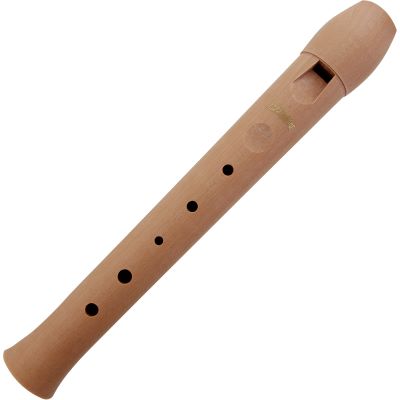
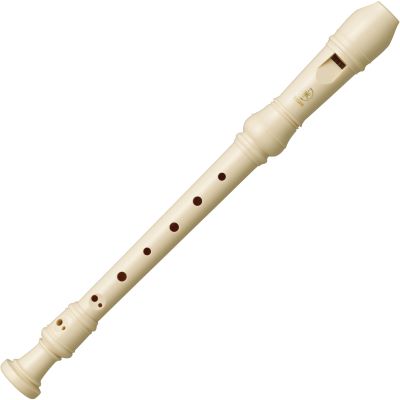
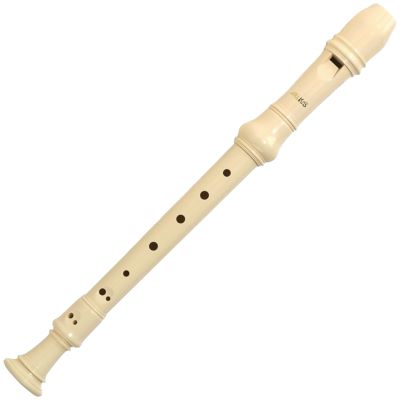
Short finger distances, low weight and direct sound production make soprano recorders a proven way to learn basic musical skills.

Recorder, flute, clarinet, saxophone, trumpet, trombone or French horn? For children, age alone does not determine the right choice. Body size, arm length, hand span, instrument weight, changing teeth, sound production and the teaching concept are much more important. This guide helps you choose an instrument that fits ergonomically today and encourages regular music-making.

The best introduction combines the sound your child likes with a suitable body size and a form of sound production they can manage comfortably. The following options provide an initial orientation.
Short finger distances, low weight and direct sound production make soprano recorders a proven way to learn basic musical skills.
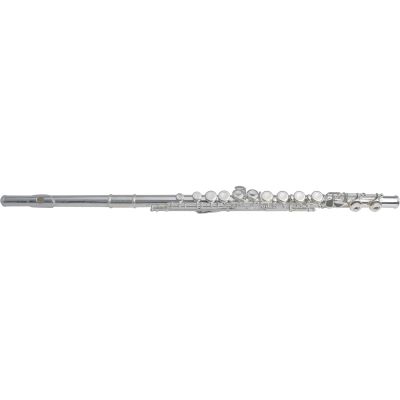
A curved headjoint and shortened construction can considerably reduce the sideways reach and allow a more relaxed playing position.
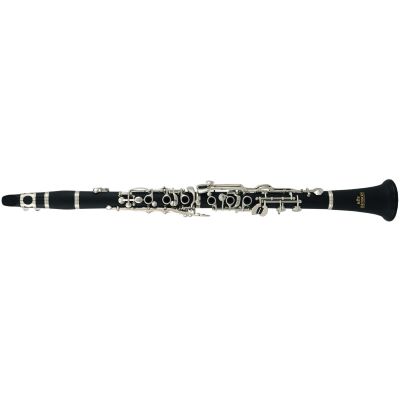
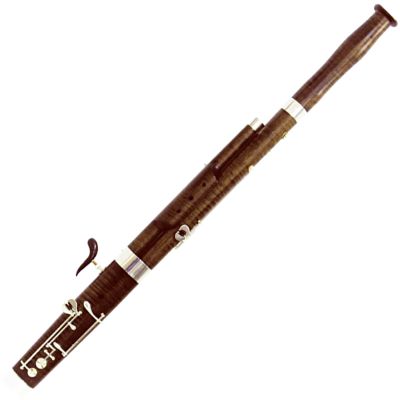
The clarinet is highly versatile for children with sufficient finger reach. The fingering system must always match the system used in lessons.
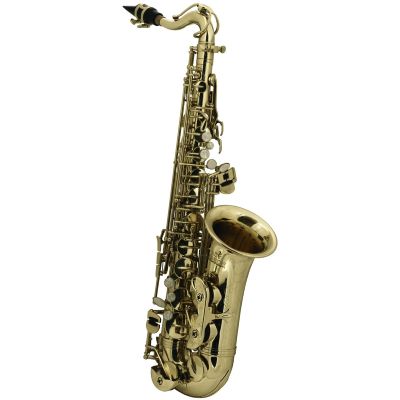
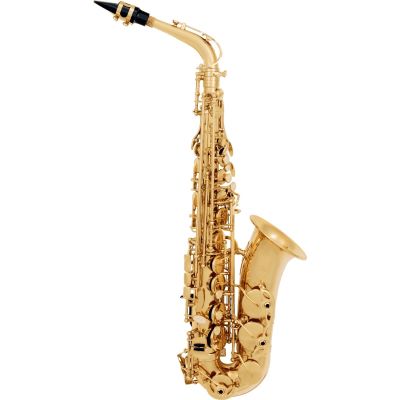
The alto is comparatively compact within the saxophone family. Special children's models can further shorten the crook and key reach.
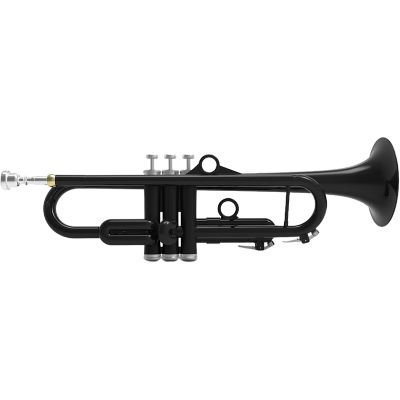
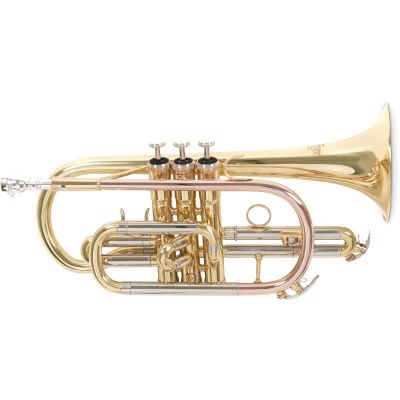
Three valves, a compact body and a clear sound make the Bb trumpet interesting for school wind classes and bands. Instrument weight and embouchure should still be checked.
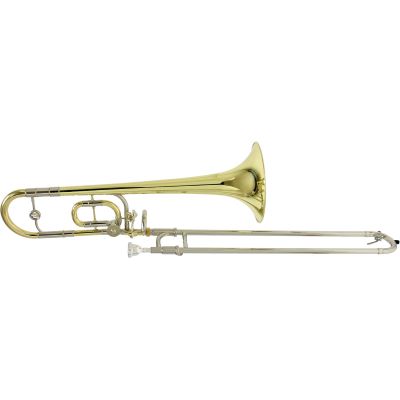
On a standard trombone, the outer slide positions can be difficult to reach with short arms. Adapted children's trombones address exactly this problem.
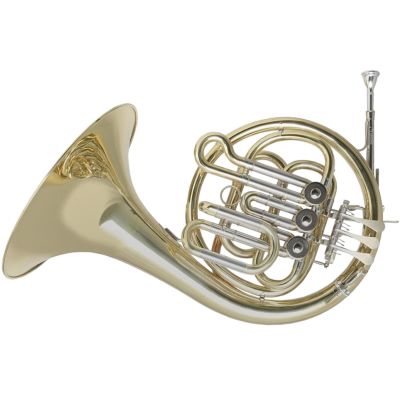
More tightly wrapped models position the valves and bell closer to the player's body and make the instrument easier for young musicians to hold.
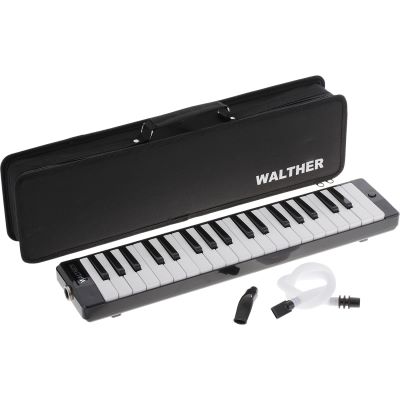
Keys and colour codes make pitches visible. This is particularly useful for early music education and group lessons.
The most important rule: do not buy an instrument that is too large simply so the child can “grow into it”. A child-friendly instrument that can be held comfortably and fully operated today supports better posture and usually provides more enjoyment.
Age can provide a rough orientation, but the actual fit, sound production and lesson requirements are more important.
Arm length is particularly important with the transverse flute and trombone. A child should not need to raise a shoulder or twist the upper body to reach important positions.
Clarinet and saxophone also require sufficient reach across keys or tone holes. Special mechanisms can help smaller hands.
An instrument should not cause a cramped posture after only a few minutes. Straps and compact construction can reduce the physical load.
Changing teeth, concentration, breath control and the teaching concept should also be considered.
Flutes are blown differently from clarinets and saxophones with a reed, while brass instruments use lip vibration. Trying the instrument is therefore extremely helpful.
Music school and teacher should be involved when choosing the fingering system, instrument size, mouthpiece or reed. This avoids incompatibility with the teaching method.
A child who is excited by the saxophone or French horn will often practise more willingly on a suitable version of that preferred instrument than on a theoretically easier alternative.
The table compares sound production, ergonomic requirements and typical ways of getting started.
| Instrument | Sound Production | Ergonomics | Typical Starting Point |
|---|---|---|---|
| Recorder | Direct airflow | Very compact | Early music education, primary school |
| Children's Flute | Embouchure edge | Reduced reach possible | Music school |
| Clarinet | Single reed | Finger coverage is important | Music school, wind class |
| Alto Saxophone | Single reed | Neck strap supports the weight | Wind orchestra, pop, jazz |
| Trumpet | Lip vibration | Compact hand position | Wind class, band or music club |
| Children's Trombone | Lip vibration | Slide reach is decisive | Wind orchestra, brass |
| Children's French Horn | Lip vibration | Tight wrapping can help | Orchestra, wind class |
| Melodica | Air + keyboard | Very clear and straightforward | School, group lessons |
A small soprano recorder places very little strain on the arms and hands. For very young children, instruments with particularly short tone-hole spacing and a reduced range are available.
Later, the fingering system – German or Baroque – should match the method used in lessons.
A standard transverse flute is held sideways. A curved headjoint and a shortened body bring the instrument closer to the player. Once the arms become longer, the child can move to a standard flute.
Both use a single reed. With the clarinet, ring keys or tone holes must be closed reliably. A saxophone neck strap supports the instrument's weight; for children, the alto saxophone is considerably more practical than the larger tenor saxophone.
On brass instruments, the player's lips create the vibration. Producing the first note therefore depends more strongly on the embouchure than on keys or reeds.
A teacher can quickly assess which mouthpiece and instrument size make sense for the child. Trumpets are relatively compact, while particularly lightweight plastic or hybrid instruments can reduce the strain of holding them.
With trombones, slide reach is much more critical. A children's French horn is wound more tightly so that the hands and arms can control the instrument more comfortably.
Fixed age recommendations can only provide a rough guide. A smaller child with good finger reach may be ready for an instrument earlier than a larger child whose current ergonomics are less suitable. A trial lesson at a music school is particularly helpful.
Kindergarten flute, Triola, small recorder and melodica provide an accessible introduction to breathing, rhythm, pitch and simple melodies.
Depending on the child's build, recorder, child-friendly flute, trumpet, clarinet and the first adapted orchestral instruments may become suitable.
Alto saxophone, trombone, horn and further instruments become interesting once the child can safely manage their weight, hand span and required arm reach.
A trial lesson is highly valuable: even a short playing test can reveal whether the child's hands, arms, posture and method of producing the sound suit the instrument.
From early music education to a fully equipped school wind class: this selection covers compact starter instruments as well as wind instruments specifically adapted for young players.
Compact instruments for early musical experience, school, group lessons and the first simple melodies.
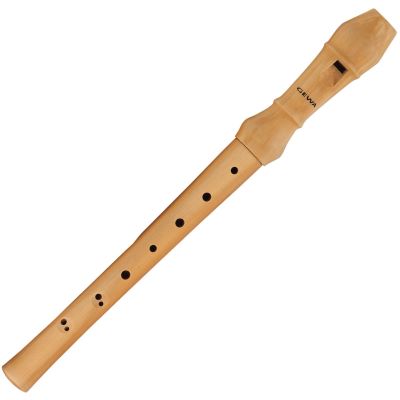
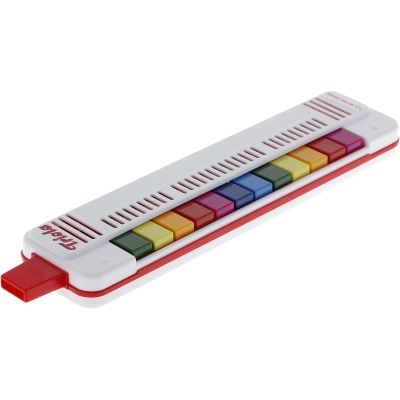
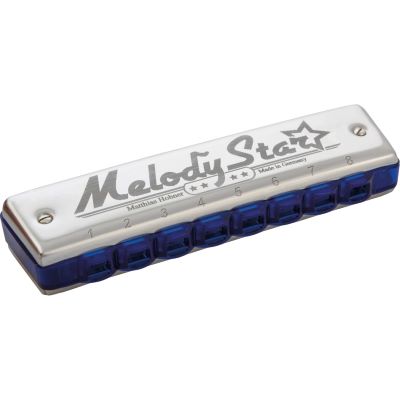
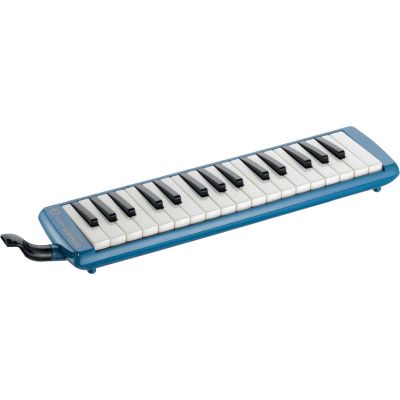
Instruments ranging from specially shortened children's models to standard student instruments for children with sufficient reach.
Compact, lightweight or specially adapted brass instruments for school wind classes, music schools and young ensemble players.

The instrument itself is only part of a practical school setup. Transport, maintenance and an ergonomically sensible practice position are equally important.
A lightweight case with backpack straps can make travelling to music school easier. The instrument must sit securely inside without moving around.
Cleaning swabs, cork grease or valve oil are required depending on the instrument. Children should learn the correct maintenance routine from the beginning.
Clarinet and saxophone players need spare reeds. With brass instruments, the mouthpiece should suit the child's anatomy and the teacher's recommendation.
A correctly adjusted music stand prevents the child from constantly looking down while reading and thereby compromising their playing posture.
Discover manufacturers represented in the selection of children's and student wind instruments.








Two children of the same age can have very different hand sizes and body proportions. The instrument needs to be assessed with the actual player.
A twisted or strained posture can slow learning progress and reduce motivation. Special children's designs are intended precisely for this transitional stage.
The teacher should be involved particularly when choosing a clarinet system, recorder fingering or the instrument required for a school wind class.
Recorder, Triola and melodica provide a very direct introduction. For instrumental lessons, however, a child-friendly flute, trumpet, clarinet or another suitably adapted instrument can also be a good choice.
There is no fixed age limit. Body size, finger reach, changing teeth, concentration and the availability of an appropriately sized instrument are more important than age alone.
Recorders and melodicas are particularly compact. There are also adapted children's flutes, clarinets and alto saxophones with ergonomically modified mechanisms.
Yes. The important factors are a suitable mouthpiece, enough concentration for embouchure exercises and an instrument whose weight can be controlled comfortably.
Yes, provided the child's hands and body size are suitable. The alto saxophone is considerably more appropriate than the larger tenor saxophone. Special children's models can further reduce key reach.
On a standard slide trombone, the outer positions can be difficult to reach with short arms. Children's designs adapt the slide and holding system to this limited reach.
The child's hands need to close the tone holes or ring keys reliably. Before purchasing, it is also essential to establish whether lessons use the German or Boehm fingering system.
When a standard flute can only be reached by twisting the shoulder or arm. Curved headjoints and shortened designs bring the instrument closer to the body.
If possible, yes. Even a short test can show whether the hands, arms, weight and method of sound production are basically suitable. A teacher's assessment is particularly valuable.
This depends on the instrument. Secure transport, appropriate maintenance accessories and a music stand are important. Clarinet and saxophone players also need spare reeds, while brass instruments require suitable care products.
A good wind instrument for a child is not simply a smaller version of an adult instrument. The decisive factor is whether the child's body, hands and arms can comfortably control the instrument today. Recorder, Triola and melodica are especially suitable for an early, playful introduction. As reach increases, flute, clarinet, alto saxophone and brass instruments become increasingly interesting.
Specially designed children's flutes, saxophones, trombones and French horns shorten distances or change the way the instrument's weight is distributed. This can allow a child to experience the sound of their preferred instrument without having to adopt an unhealthy playing position.
The music school and teacher should be involved in the choice, particularly when deciding on the fingering system, mouthpiece, reed and instrument size. This helps ensure that the instrument fits both the child and the teaching method.
Discover further guidance on musical instruments, studio and recording equipment, DJ gear and event technology in the central Musikhaus Korn guide.