C – G – D – A
From lowest to highest, the four strings are tuned C, G, D and A. Because there are no frets, the left hand must learn the exact finger positions by ear and touch.

1/4, 1/2, 3/4 or 4/4? The correct cello size has a direct influence on sitting posture, left-hand reach and bowing. A suitable bow, adjustable endpin, matching strings, rosin and secure transport are just as important. This guide takes children, adults and returning players step by step towards a suitable first violoncello.
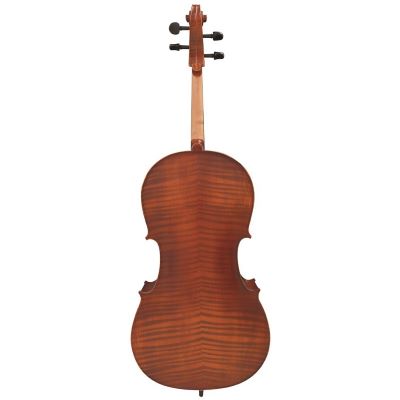
A good beginner cello should fit the player's body, be properly set up and remain comfortable in a stable sitting position. Adults usually play a 4/4 cello. Children frequently require 1/4, 1/2 or 3/4 sizes, while even smaller instruments are available for particularly young players.
Age alone is not a reliable way to determine cello size. Sitting height, leg length, arm reach, hand size and the distance to first position all matter. The instrument should stand securely between the knees while the left shoulder remains relaxed.
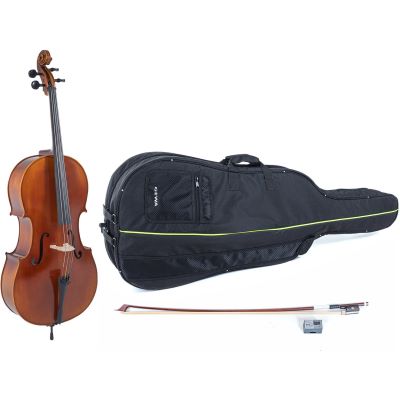
A complete cello outfit is particularly convenient for beginners because the instrument, bow and transport solution are already coordinated.
The violoncello is played while seated. It stands between the player's legs and is supported on the floor by an extendable endpin.
From lowest to highest, the four strings are tuned C, G, D and A. Because there are no frets, the left hand must learn the exact finger positions by ear and touch.
Rosin enables the bow hair to grip the strings. Bow position, speed and pressure influence response, volume and tone colour.
The bridge transfers string vibration to the cello body. The wooden body then amplifies the vibration and gives the instrument its characteristic resonant sound.
The endpin supports the cello on the floor. The knees and hands guide the instrument but should not have to carry its full weight.
Fractional sizes are conventional size classes rather than mathematical fractions of a full-size instrument. The correct choice should always be confirmed in a practical sitting test.
| Cello Size | Typical Player | What to Check | Matching Equipment |
|---|---|---|---|
| 1/8 and smaller | Very small children | Very short reach; the neck and first position must remain comfortably accessible. | Matching small bow and strings |
| 1/4 | Young cello students | First position should be reachable without lifting the left shoulder. | 1/4 bow and 1/4 string set |
| 1/2 | Children with greater reach | The cello body should stand stably between the knees. | 1/2 bow and 1/2 strings |
| 3/4 | Larger children and teenagers | Neck and first position should be comfortable without stretching the shoulder. | 3/4 bow and 3/4 strings |
| 4/4 | Larger teenagers and adults | Full size should be manageable with a relaxed shoulder, arm and hand. | 4/4 bow and full-scale strings |
For parents: do not buy an oversized cello simply so a child can “grow into it”. An instrument that is too large makes left-hand position, intonation and controlled bowing unnecessarily difficult.
Sit on a stable chair whose height allows both feet to rest securely on the floor. Extend the endpin until the cello stands naturally between the knees and the upper body does not have to lean towards the instrument.
The neck and first position should be reachable with the left shoulder remaining low. The knees should guide the cello loosely rather than squeezing it tightly.
Finally, check the bowing arm. The right arm should be able to move freely across all four strings without the player twisting or raising the shoulder.
Bridge, nut, string height and pegs must work together. A properly prepared instrument makes fingering and bowing considerably easier.
Fine tuners allow small pitch corrections to be made precisely. They are especially useful during the first stages of learning.
The pegs should turn smoothly while still holding the string tension reliably. Poorly functioning pegs make everyday tuning unnecessarily frustrating.
String sets are designed for specific scale lengths. The stated size should correspond to the cello.
The endpin must allow the instrument to be positioned securely at the correct height while sitting.
A cello needs appropriate protection during transport. Backpack straps and bow compartments can make travelling to lessons considerably easier.
For beginners, a complete cello outfit is often the easiest solution. Instrument, bow and transport bag are already coordinated and the cello can be prepared as a complete playing setup.
This is particularly helpful for children because the bow must correspond to the cello size. A 1/2 cello, for example, normally requires a matching 1/2 bow.
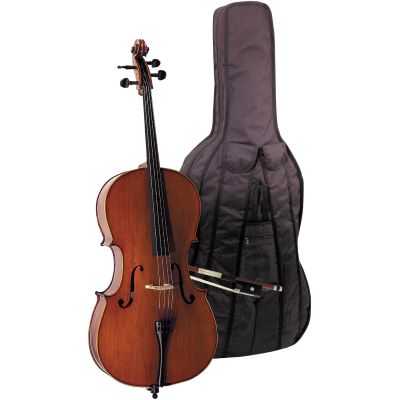
A fractional-size cello should be played with the corresponding bow size. This helps young players use the bow naturally without having to overextend the right arm.
Traditional wooden student bows and robust carbon bows are both useful options. Straightness, balance and a smoothly functioning frog are more important than the material alone.
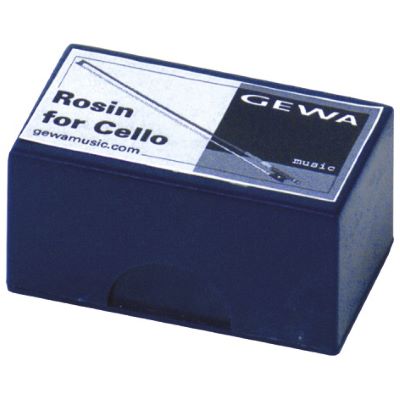
Rosin creates the friction required between the bow hair and strings. Apply it evenly and sparingly rather than building up excessive rosin dust.
After playing: always loosen the bow hair again. Leaving a bow permanently under playing tension can unnecessarily stress the stick.
Set the endpin so the cello stands securely between the knees while both feet remain on the floor and the shoulders stay relaxed.
Practise C, G, D and A without using the left hand. This allows the player to concentrate on a straight bow path, bow speed and sound.
Add the left hand gradually. Because the cello has no frets, listening carefully is essential for accurate intonation.
Short pieces combine bowing, rhythm and finger positions. Regular short practice sessions are especially useful during the first weeks.
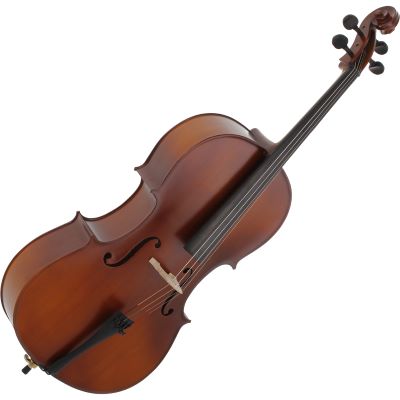
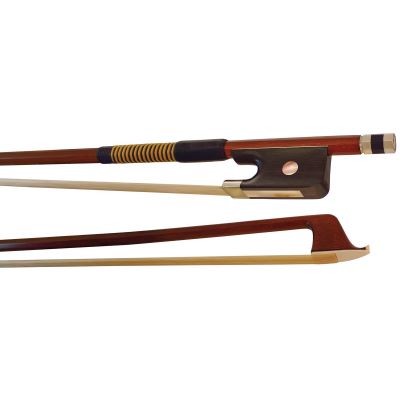
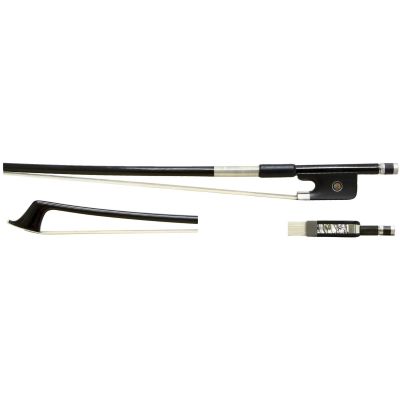
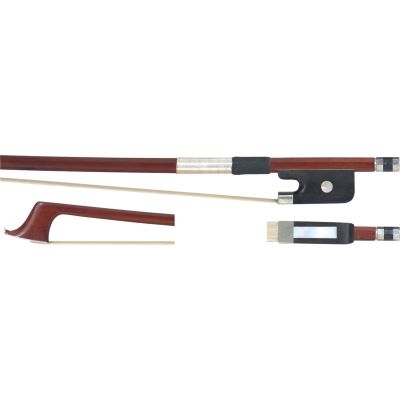
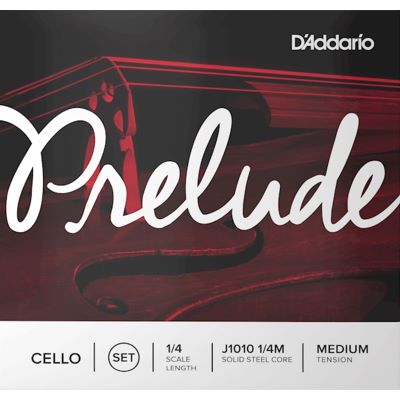
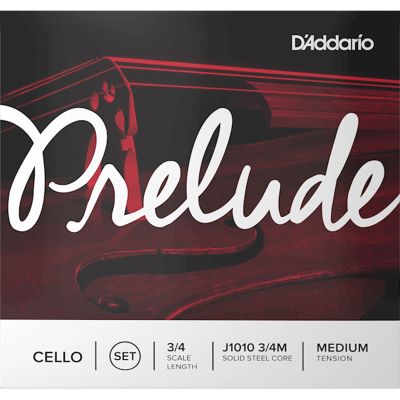
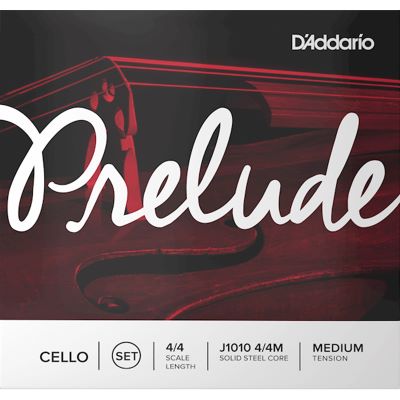
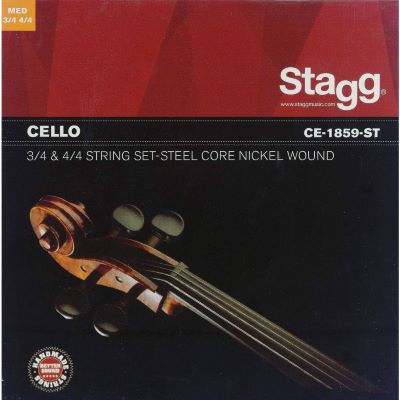
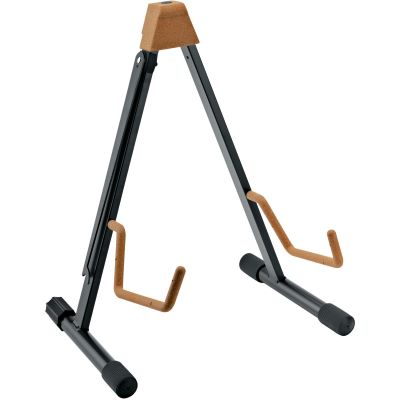
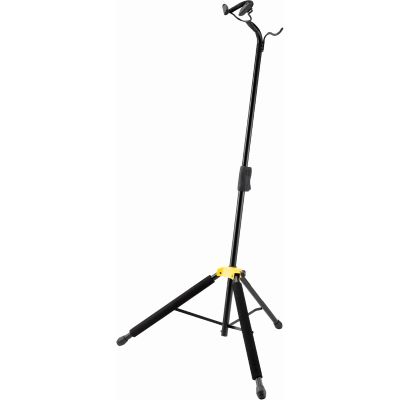
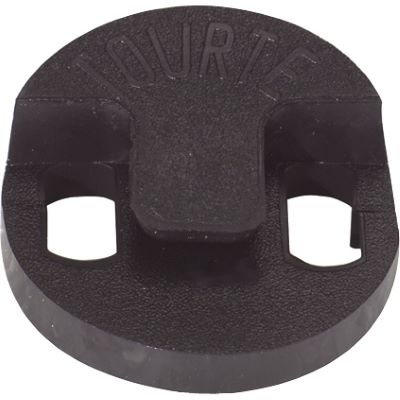
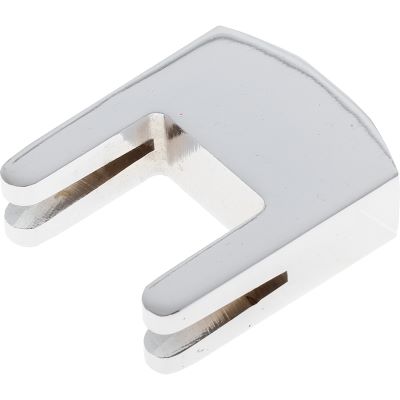
The selection combines currently listed cellos with bows, size-specific strings, rosin, stands, endpin accessories and mutes. Smaller 1/4 and 1/2 cello sizes remain important when fitting children, while the current instrument selection shown below focuses on available 3/4 and 4/4 models.
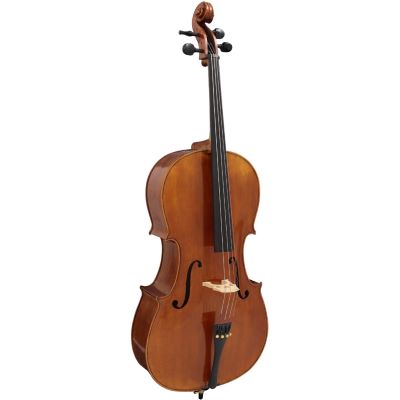
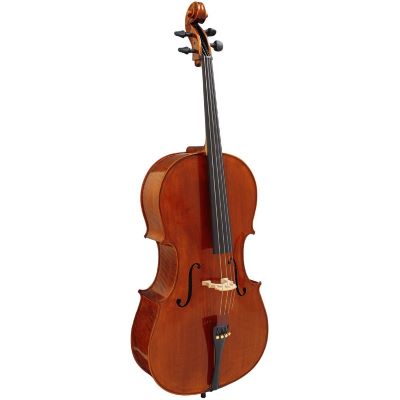
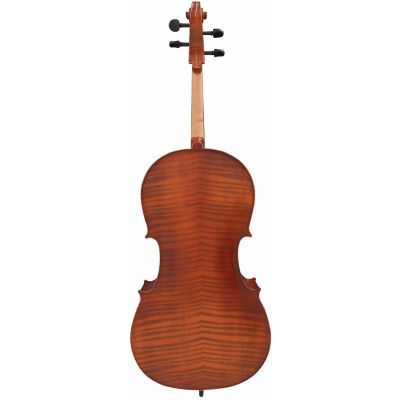
Current instruments from the English Musikhaus Korn cello category in 3/4 and 4/4 sizes.
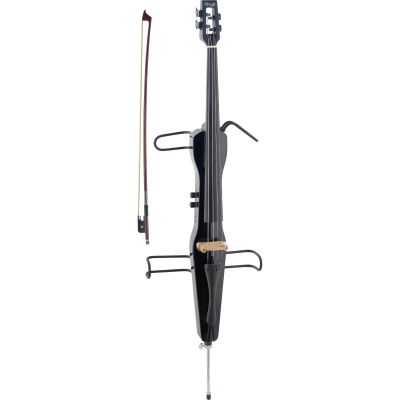
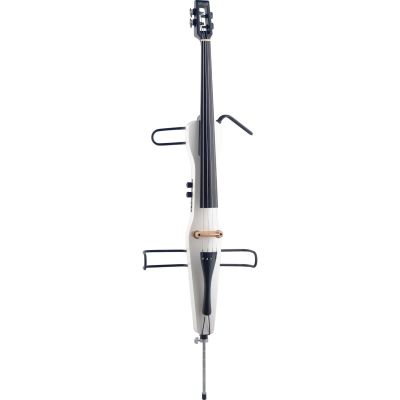


Discover the brands represented in the beginner selection and explore further cellos, bows, strings and accessories.




After playing, remove rosin dust from the strings and instrument with a dry, soft cloth. Release the bow hair, retract the endpin for transport and protect the cello from strong heat and sudden climatic changes.
An oversized instrument forces the left arm to stretch and makes reliable intonation and relaxed bowing more difficult.
If the cello stands too high or too low, the entire posture changes. Adjust the endpin before working on hand position.
Children need a bow appropriate for their fractional-size cello. A full-size bow can be unnecessarily difficult to control.
More pressure does not automatically create a better sound. Bow speed, contact point and pressure need to be balanced.
Replacement strings need to match the cello's scale length. Check the size designation before ordering.
The bow should be loosened after playing so the stick is not permanently exposed to unnecessary tension.
A properly set-up cello in the correct size is more important than a particular brand. Complete outfits with a matching bow and transport bag are especially practical for beginners.
Most adults use a 4/4 cello. A smaller instrument can be more comfortable for particularly small players or where arm reach makes full size difficult.
A practical sitting test is more informative than age alone. Common children's sizes are 1/4, 1/2 and 3/4. Arm reach, hand size and leg position should determine the final choice.
No. A cello that is too large can encourage an unfavourable left-hand position and make both intonation and bow control more difficult.
The four strings are tuned C, G, D and A from low to high. Fine tuners are useful for small corrections, while larger adjustments are made with the tuning pegs.
Yes. An acoustic cello is normally played with a bow, and the bow size should match the cello. Many complete beginner outfits already include one.
Rosin increases friction between the bow hair and the strings, allowing the bow to set the strings into controlled vibration.
Yes. Adults can begin at any age. A comfortable sitting position, a correctly sized instrument and regular structured practice are more important than starting young.
Check the tuning before playing. New strings in particular stretch during their first period of use and may require more frequent corrections.
The first requirement is the correct size for the cello. Medium-tension student sets are a common and straightforward starting point when no different recommendation has been made by the teacher.
A suitable bow, rosin and transport bag or case are basic equipment. An endpin or floor protector, music stand and optionally a cello stand can also be useful.
The most important criterion for a first cello is the correct size. Adults generally use a 4/4 cello, while children often require 1/4, 1/2 or 3/4 instruments. The decisive factors are sitting position, leg length, arm reach and hand size rather than age alone.
A complete cello outfit can make the first purchase easier because the cello, bow and transport solution are already coordinated. Practical fine tuners, an adjustable endpin, suitable strings and a properly prepared bridge make everyday practice considerably easier.
With the instrument positioned securely between the knees, the player can concentrate on open strings, first finger positions, bow control and intonation. Regular care, correctly sized replacement strings and a bow that is loosened after playing help keep the setup reliable over the long term.
Discover further guidance on string instruments, wind instruments, drums, keyboards, studio equipment, DJ gear and event technology in the central Musikhaus Korn guide.