The Stick Determines the Basic Response
The bow stick has a major influence on elasticity, stability and the way the bow returns after being deflected. Traditional bows are made from suitable woods, while modern models may use carbon fibre.

Wood or carbon, round or octagonal, light or slightly tip-heavy? The bow influences response, articulation, dynamics and the overall playing feel of a string instrument. First of all, however, it has to match the instrument type and size. Balance, elasticity and your individual bowing technique then determine which bow really feels right.
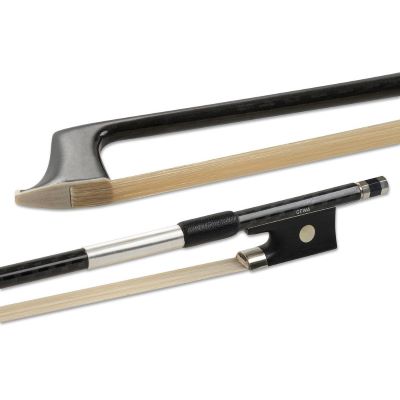
A violin bow , a cello bow and a double bass bow differ in length, weight, frog and overall construction. The first step is therefore to choose the correct instrument family.
With children's instruments, the size class also matters. A 1/2 violin is normally combined with a 1/2 bow, while a 3/4 violin requires a corresponding 3/4 bow. The same principle applies to cello and double bass.
Only once this basic requirement is correct does it make sense to compare wood species, carbon, round or octagonal sticks, weight and balance.
The bow stick has a major influence on elasticity, stability and the way the bow returns after being deflected. Traditional bows are made from suitable woods, while modern models may use carbon fibre.
Bow hair is traditionally made from horsehair. Applied rosin gives the hair the grip required to set the string into controlled vibration.
The right hand holds the bow around the frog area. Turning the button or screw moves the frog and therefore adjusts the tension of the bow hair.
The bow head is finely constructed and should be protected particularly carefully during transport. After playing, the bow belongs safely in the instrument case or a suitable bow case.
The bow needs to correspond to the instrument family and size. This is particularly important for children because an unnecessarily long bow can become difficult to control towards the tip.
| Instrument | Typical Sizes | Basic Rule | Important Detail |
|---|---|---|---|
| Violin | 1/8, 1/4, 1/2, 3/4, 4/4 | Bow size matches the violin | Children require correspondingly shorter bows |
| Viola | Model-dependent | Prefer a dedicated viola bow | Do not automatically treat it as a violin bow |
| Cello | 1/4, 1/2, 3/4, 4/4 | Cello bow in the corresponding size class | Cello bows are more substantial than violin bows |
| Double Bass | 1/8, 1/4, 1/2, 3/4 | Check both size and bow hold | German or French frog and playing technique |
Especially important for children: when moving to a larger instrument, always check the bow size at the same time. A bow that is too long can become difficult to control at the tip.
These woods are frequently used for student and training bows. They offer traditional wooden construction at different price levels and are well suited to lessons and regular practice.
Pernambuco is a classic material used in higher-grade bow making. With good bows, elasticity, stick dimensions and balance are carefully coordinated with one another.
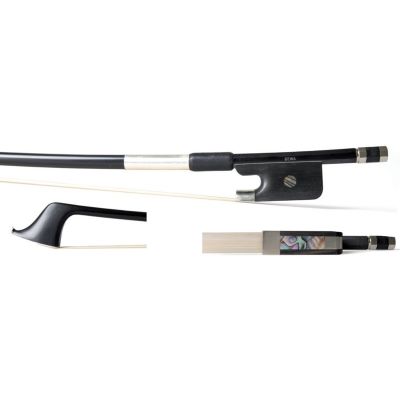
Carbon is dimensionally stable and less sensitive to climatic changes. It is therefore especially interesting for lessons, travelling, stage use and musicians looking for a robust main or second bow.
Material alone does not decide the result: an inexpensive wooden bow can suit a particular player better than a more expensive carbon bow – and vice versa. Balance, elasticity and response need to work as one complete package.
Two bows can weigh almost exactly the same and still feel completely different. What matters is how the mass is distributed along the stick.
If the balance point sits further towards the tip, the bow can feel more present during long strokes, but it may also demand more active control. A balance closer to the frog may feel lighter and more agile in the hand.
There is no universally correct balance point. Players with different hands, bowing techniques and musical requirements can judge exactly the same bow very differently.
Round sticks are very common in traditional bow making and can be designed to feel either soft and elastic or extremely stable. A round profile therefore does not indicate a particular quality level.
Octagonal or angular sticks can create a different sensation of stiffness and response. Again, material, stick dimensions, workmanship and the properties of the individual stick matter more than geometry alone.
Do not choose a bow simply because the product name says “round” or “octagonal”. A direct comparison on your own instrument provides considerably more useful information.
A violin bow should allow quick articulation, long bow strokes and fine dynamic control. For children, choosing the correct length is particularly important.
A viola has thicker strings and a different tonal range. A dedicated viola bow can match its weight and response more effectively than automatically using a violin bow.
Cello bows are built more substantially. Control at the frog, calm long strokes and reliable contact with the thicker strings are central requirements.
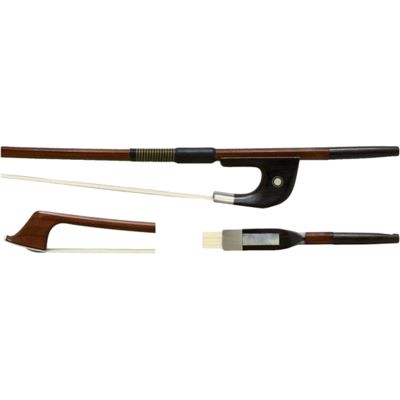
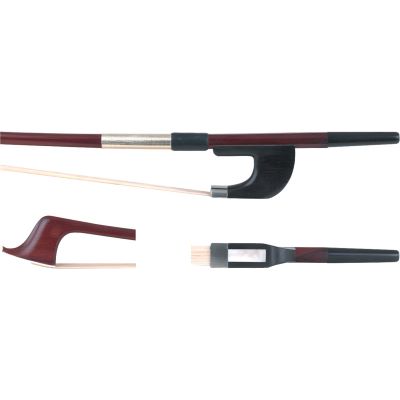
With double bass, the bow hold introduces another decision. German bows have a high frog and are held differently from French double bass bows.
The German or Dresden-style double bass bow has a higher, larger frog. The hand approaches it from below or from the side in the position typical of the German bow hold.
The French double bass bow is closer to a cello or violin bow in both frog shape and hand position and is held from above.
Which version makes sense depends especially on the teaching method and the technique already being learned. Beginners should therefore coordinate this choice with their double bass teacher.
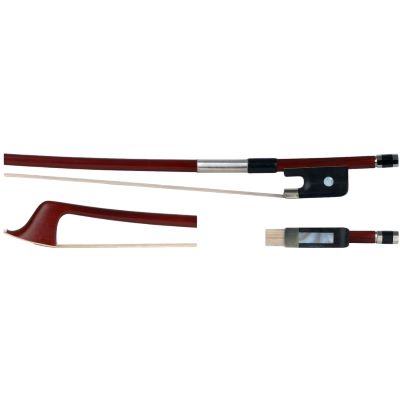
Keep the instrument, strings and room unchanged. Only then can you identify which differences genuinely come from the bow.
Compare long notes, quick passages, string crossings and typical passages from your own repertoire directly one after another.
A good bow should not work only in its easiest area. Pay particular attention to control and tone at both outer ends of the bow.
A spectacular first impression is less important than predictable control throughout an entire practice or rehearsal session.
The selection combines currently listed bows for violin, cello and double bass with rosin and bow protection. For children's sizes, the corresponding instrument size is taken into account directly.
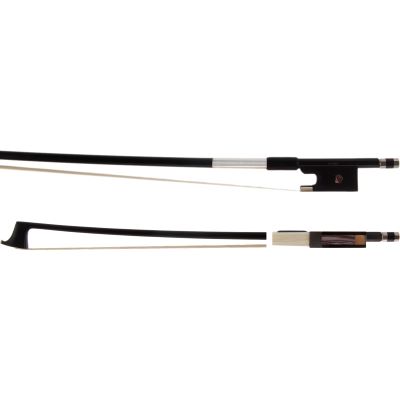
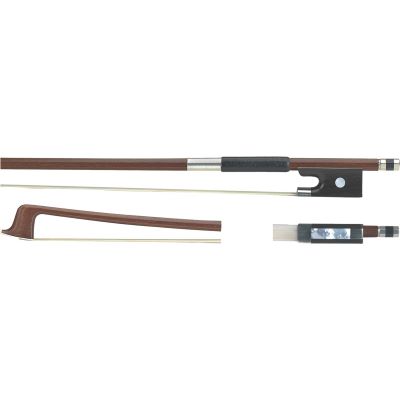
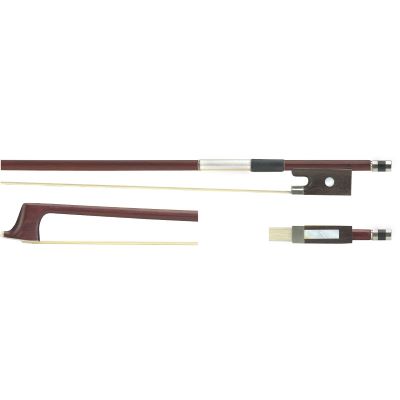
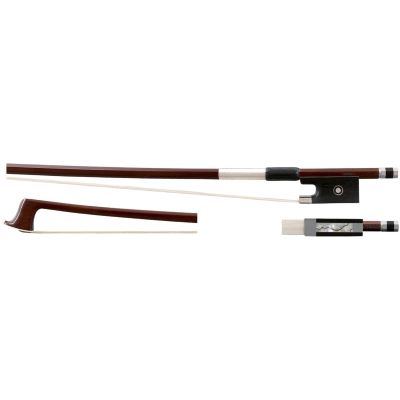
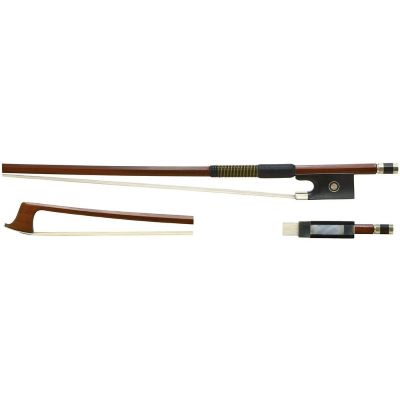
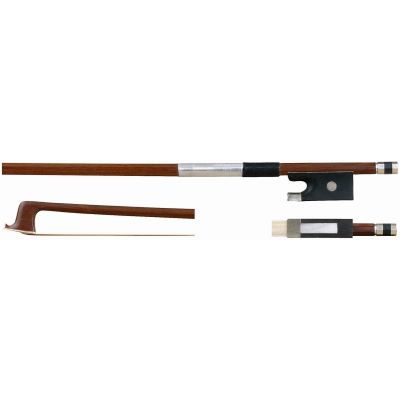
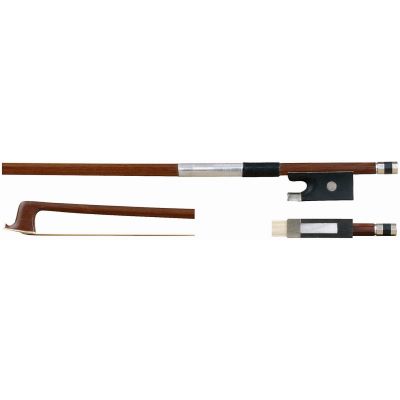
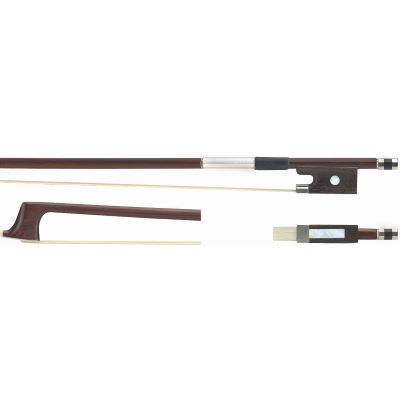
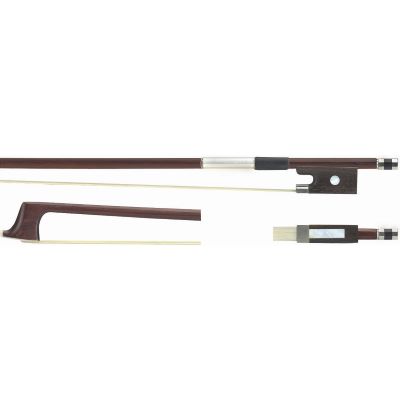
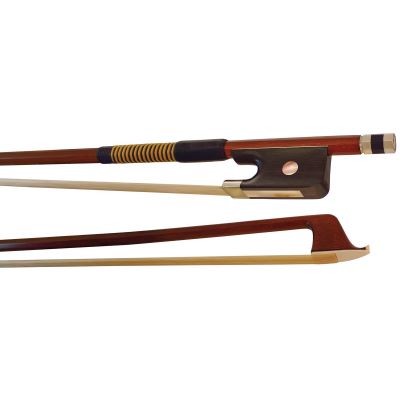
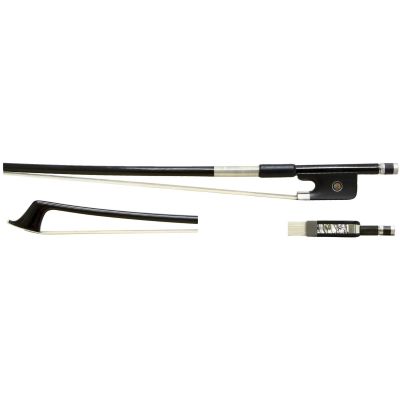
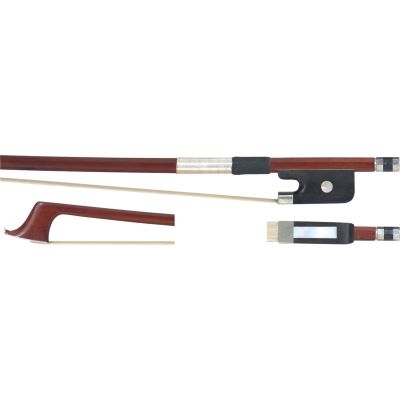
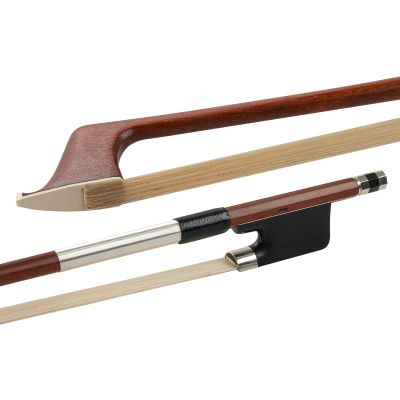
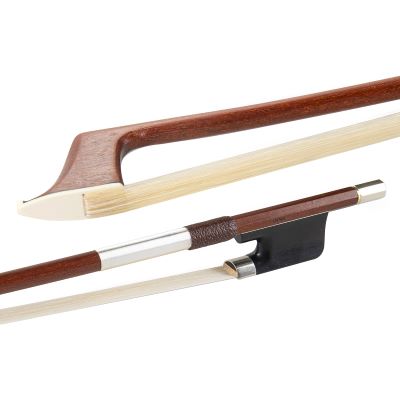
The current English category contains five double bass bows. Check both instrument size and the required German or French playing technique.
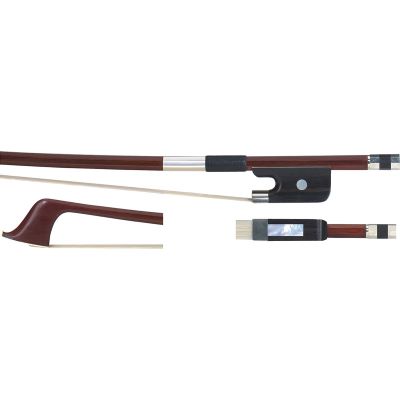
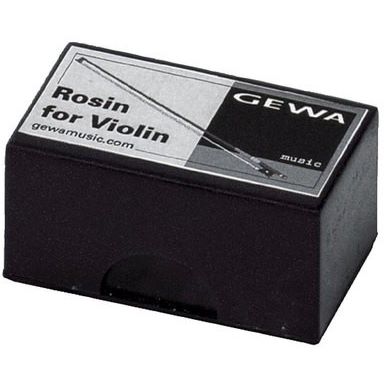
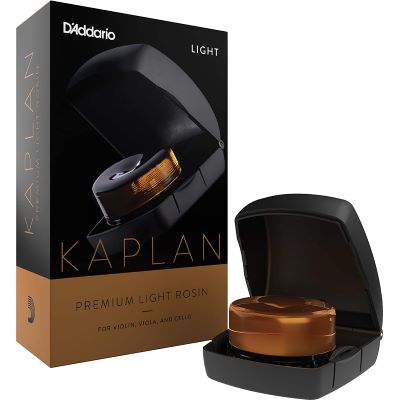
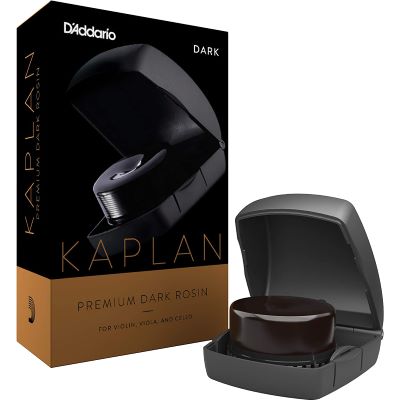
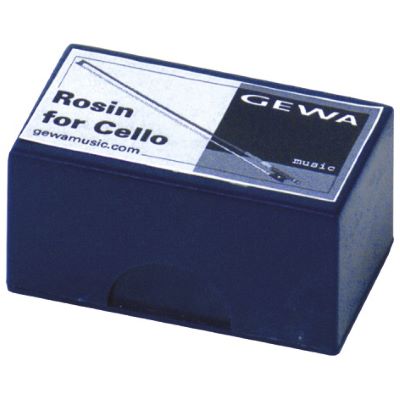
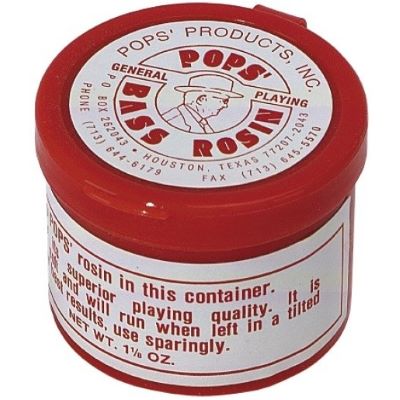
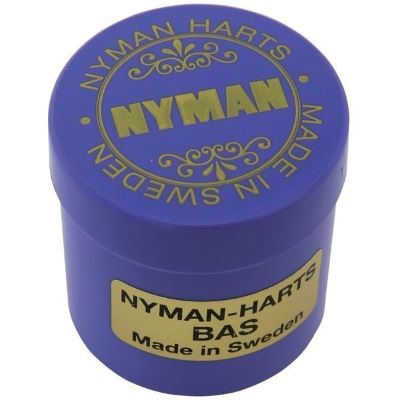
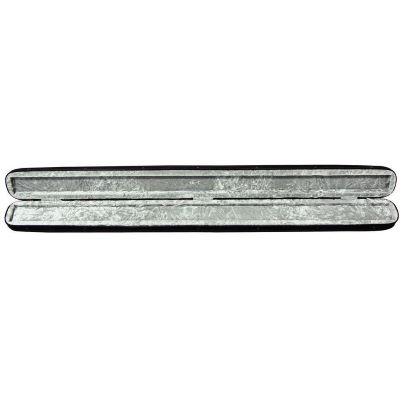
Explore manufacturers represented in the bow and rosin selection and compare further products within each brand world.




A broad range of wooden and carbon bows for violin, viola, cello and double bass as well as rosin and protective cases.
Student bows and further accessories for violin, viola and cello lessons.
Rosin and string-instrument accessories for complementing an existing bow setup.
Instruments and accessories for students, lessons and everyday musical use.
Bow-hair tension is increased only for playing. Afterwards, loosen the screw again so that the stick is not left permanently under unnecessary tension.
Wood species or carbon alone cannot tell you whether the balance suits the player and instrument.
The stick should retain its characteristic curve. Excessive hair tension unnecessarily stresses the stick, bow head and hair ribbon.
Excess resin can create unnecessary dust and encourage a rough or scratchy sound. Applying less but doing so regularly is usually more useful.
First, the bow size needs to match the violin. Then compare balance, elasticity and playing feel on your own instrument. Long strokes, articulation and playing at both frog and tip are particularly useful tests.
Not automatically. Carbon is robust and dimensionally stable, while wood offers traditional construction and a wide range of individual characteristics. The properties of the specific bow are what matter.
Neither shape is automatically better. Stick material, dimensions, elasticity and balance influence actual playing behaviour more strongly than the shape designation alone.
Yes, smaller violins are normally played with a correspondingly sized bow. This keeps length, weight and reach appropriate for the child.
Cello bows are built more substantially and are generally heavier. Their construction is matched to thicker cello strings and a different right-hand playing technique.
A German double bass bow has a high frog and uses a different hand position from a French bass bow. The bowing technique should be coordinated with the teacher.
Price alone is not a reliable selection criterion. Students first need a straight, well-balanced bow whose frog and screw work reliably. As technique develops, finer differences in response and elasticity become increasingly important.
Only tighten the hair enough for controlled playing while the stick still retains its clearly visible curve. Release the tension again after playing.
Rosin does not need to be heavily reapplied every time the bow is used. If the hair already has sufficient grip, a large additional application is unnecessary. Too much rosin creates dust and deposits.
It is best not to. Natural oils from the skin can reduce how effectively rosin adheres to the bow hair.
Consider professional rehairing when many hairs are missing, the ribbon has become very dirty or uneven, or grip has noticeably deteriorated despite suitable rosin and proper care.
Not necessarily. If the supplied bow is straight, controllable and works reliably, it can be perfectly suitable for getting started. An upgrade becomes worthwhile when another bow offers noticeably better control or a more convincing tonal response.
A good string-instrument bow starts with the correct instrument family and size. Once these are established, balance, elasticity, controllable response and a comfortable feeling in the right hand become the decisive factors. Both wooden and carbon bows can be excellent solutions.
With violin and cello, it is worth comparing several sticks and balance points directly. With double bass, you also need to decide between German and French bowing technique. Children require bows that correspond to the size of their instrument.
Suitable rosin, correct hair tension and safe storage help keep the bow a precise tool for tone, dynamics and articulation over the long term.
Find further guidance on string instruments, wind instruments, drums, keyboards, studio equipment, DJ gear and event technology in the central Musikhaus Korn guide.