↕
The Strings Feel Very High
Check neck relief and string action. On acoustic guitars, humidity and saddle height can also influence the result.

A well-set-up guitar is easier to play, intonates more accurately and responds more predictably. At the same time, material-appropriate care protects the finish, fingerboard, hardware and strings. This guide explains what you can safely check yourself, the sensible order for a guitar setup and when a job is better left to a professional workshop.
Not every buzz immediately requires a truss-rod adjustment. Tune the instrument first, check the strings and play through every area of the fingerboard. Only then can you narrow down whether neck relief, string action, the nut, frets or intonation actually need attention.
Check neck relief and string action. On acoustic guitars, humidity and saddle height can also influence the result.
Possible causes include low action, neck relief or uneven frets. Do not automatically raise the complete guitar simply because one area buzzes.
If the open strings are accurately tuned, check the intonation, especially around the 12th fret.
Clean according to the actual material. Unfinished fingerboards require different treatment from lacquered or satin-finished surfaces.
The body, fingerboard, frets, strings and metal parts have different surfaces. Do not use one random household cleaner on the entire instrument.
First remove dust with a clean, soft microfibre cloth. Use cleaner or polish only when it is suitable for the specific finish. With an unfamiliar finish, test the product on an inconspicuous area first.
Strongly polishing products can visibly change matt surfaces. Use products explicitly suitable for satin or matt finishes and avoid heavy polishing pressure.
Depending on the material, dark open-pore fingerboards may occasionally be treated with a suitable fingerboard care product. Apply oil sparingly and completely remove any excess afterwards.
Wipe sweat and residue away with a dry cloth after playing. This reduces deposits on strings, bridge, tuning machines and other metal components.
Before beginning, decide on the string gauge and tuning you intend to use. Changing string tension or tuning can influence neck relief, tremolo balance, action and intonation.
Fit the intended string gauge and tune the instrument to the tuning that will actually be used.
Check the curvature of the neck under normal string tension before adjusting the string height.
Adjust or evaluate the distance between strings and frets only after the neck condition has been checked.
Once neck and action are stable, compare the tuning accuracy of fretted notes and adjust where the instrument provides this facility.
Check pickup height where applicable, retune the guitar and play across the complete fingerboard. On an electric guitar with a floating tremolo, the balance between string tension and tremolo springs is also part of the setup.
A guitar string does not simply move sideways; it also requires space above the frets while vibrating. Neck relief is therefore checked with the strings under tension. Manufacturers specify different measuring points and target values for different instruments.
The truss rod counteracts string tension. Use only the correct wrench and follow the instrument manufacturer's instructions. If the nut feels unusually difficult to turn or the construction is unfamiliar, do not apply additional force.
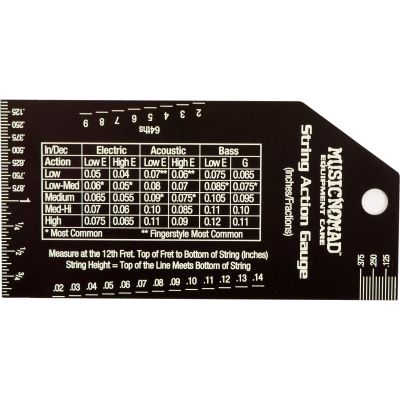
String action is measured as the distance between a string and a fret. A comfortable height depends on the guitar type, fingerboard radius, string gauge and the player's attack. Extremely low action requires particularly even frets and controlled playing.
Use an accurate chromatic tuner. The string must remain stable during the complete comparison.
Compare the 12th-fret harmonic or open-string reference with the normally fretted note at the 12th fret. Do not press the fretted note unnecessarily hard.
On suitably adjustable electric guitars, the effective string length is altered at the bridge. Always retune after moving a saddle and repeat the measurement.
| Area | Electric Guitar | Steel-String Acoustic | Classical Guitar |
|---|---|---|---|
| String Action | Often individually adjustable at the bridge | Frequently influenced through the saddle | Frequently influenced through the saddle |
| Intonation | Often individual adjustable saddles | Compensated saddle may be used | Bridge and nut construction are decisive |
| Truss Rod | Typically fitted | Fitted on many models | Not fitted to every instrument |
| Climate | Wood also reacts to the environment | Pay particular attention to the resonant body | Pay particular attention to the resonant body |
| Care | Finish, fingerboard and hardware | Finish, fingerboard, bridge and body | Finish, fingerboard, bridge and body |
Acoustic guitars with thin solid-wood components can react noticeably to very dry or very humid conditions. Several major guitar manufacturers cite approximately 45–55% relative humidity as a useful target range for acoustic guitars.
Choose tools according to the job you actually want to perform: cleaning, string changes, measuring or basic setup checks.



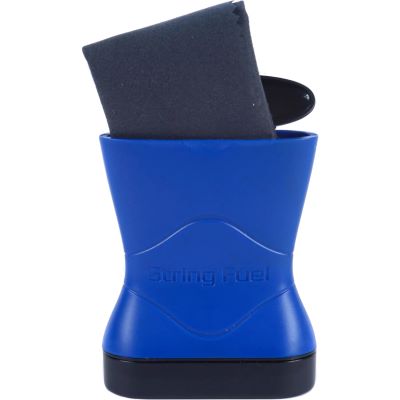
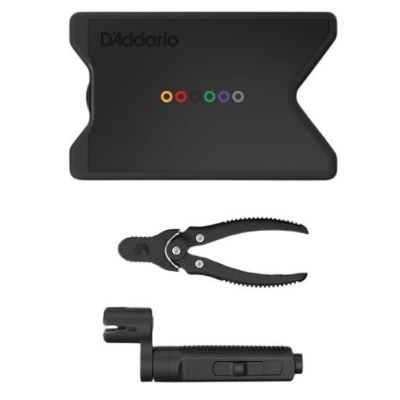
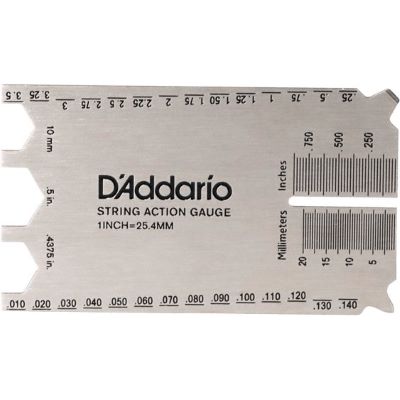

Select tools according to the specific job. Everyday guitar care requires far fewer products than professional nut, fret or setup work.
Slots cut too deeply can create problems at the first frets and cannot be repaired simply by turning an adjustment screw back again.
Fret work requires accurate diagnosis, appropriate files and correct crowning and polishing after material has been removed.
Sanding permanently reduces saddle height. On electro-acoustic guitars, even contact with an undersaddle pickup can also be important.
If the truss-rod nut does not move normally, do not continue with a longer lever or additional force.
Compare specialist care products, measuring tools, string-change helpers and guitar hardware from established manufacturers.




String action, neck relief, intonation, nut and frets form one connected system. If the cause of a problem is unclear, professional diagnosis is preferable to changing several settings at the same time.
Choose electric, acoustic and classical guitar strings according to gauge, material and playing feel.
Compare clip-on, pedal and chromatic tuners for standard and alternative tunings.
Find tuning machines, nuts, bridges, tremolo parts, security locks and further guitar components.
Plan instruments, amplifiers, effects and accessories as one complete guitar setup.
A good guitar setup begins with the correct strings and the tuning you actually intend to use. Neck relief, string action and intonation are then checked in that order. On electric guitars, tremolo balance and pickup height may also form part of the final setup. Make changes individually and retune and play the guitar again after each important adjustment.
Regular care primarily means removing sweat, dust and fingerprints and treating the finish and fingerboard with products suitable for their actual materials. Acoustic guitars additionally benefit from controlled storage conditions and sensible room humidity. If you are uncertain about nut slots, fret work or a difficult truss rod, do not remove material experimentally: have the guitar inspected professionally instead.
From guitars and basses to studio, DJ and event equipment, find more step-by-step help in the central Musikhaus Korn shopping guide.