Learn Guitar
Classical guitars are available from very small 1/8 sizes through 1/2 and 3/4 student instruments. Compact and short-scale electric guitars provide alternatives for young rock fans.

Guitar, keyboard, digital piano, drums, recorder, flute or violin? The right children's instrument should not only be fun to play. It should also suit the child's body size, hand span, musical interests and the teaching method being used. This guide helps parents compare different instrument families and choose an instrument that fits comfortably today.
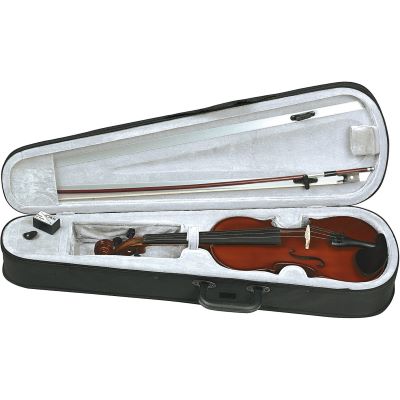
Musical interest, ergonomics and the teaching concept belong together. Do not deliberately buy a considerably oversized instrument simply for a child to grow into.
The best children's instrument is not automatically the smallest or least expensive model. The decisive factor is whether the child can hold, operate and regularly play the instrument in a relaxed position.
Musical interests are at least as important as technical data. A child who loves rock music may be much more motivated by a compact electric guitar than by a traditional classical guitar. If regular piano lessons are planned, a digital piano with a complete keyboard can be more useful in the long term than a very small keyboard.
For wind and string instruments, arm reach, hand size, weight and the teaching method are especially important. If lessons have already been arranged, the teacher's recommendation should therefore be included in the decision.
A clear musical goal usually leads to the right instrument faster than searching for one universal recommendation for a particular age.
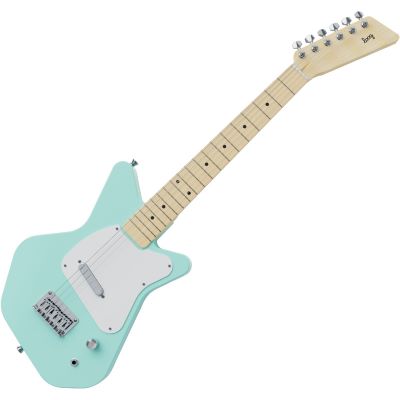
Classical guitars are available from very small 1/8 sizes through 1/2 and 3/4 student instruments. Compact and short-scale electric guitars provide alternatives for young rock fans.
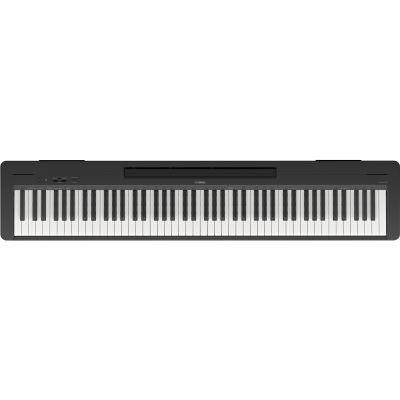
A learning keyboard is suitable for playful discovery with different sounds and rhythms. A digital piano with 88 keys is particularly interesting when regular piano lessons are planned.
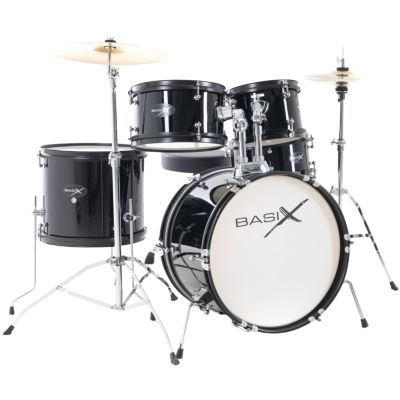
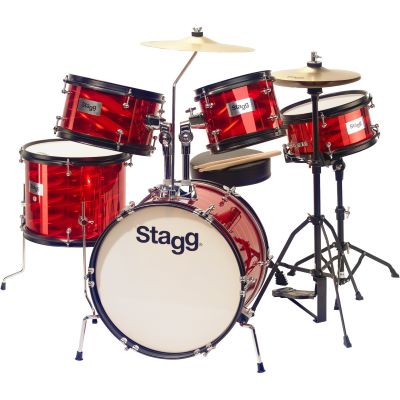
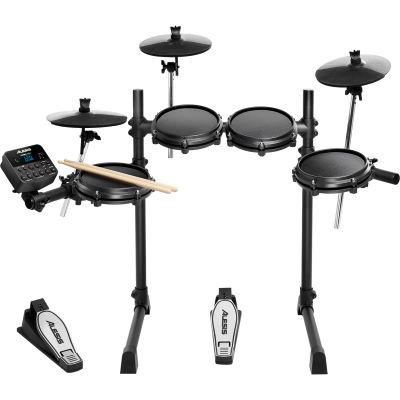
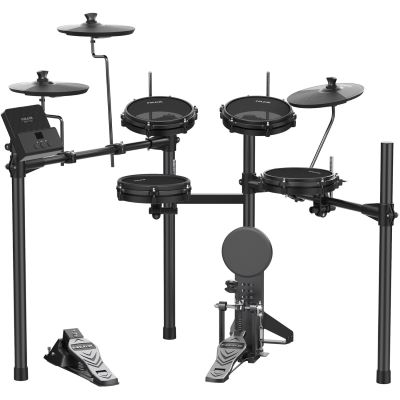
Junior acoustic sets provide shorter reaching distances. Electronic drums allow headphone use and usually provide a flexible setup height, although pads and pedals still create mechanical noise.
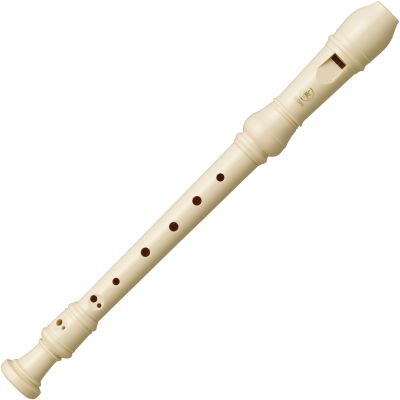
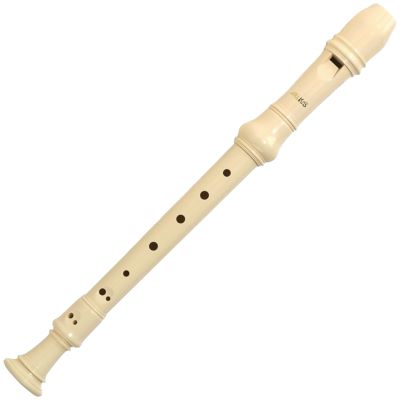
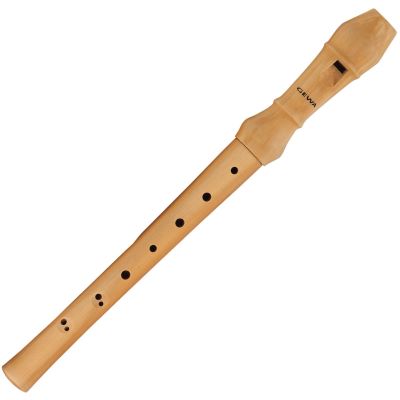
Recorder, melodica and specially adapted children's wind instruments provide different routes into breathing technique, tone production and ensemble playing.
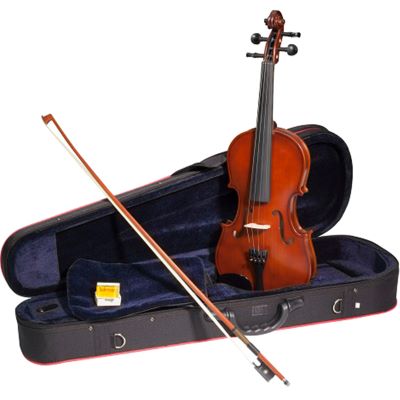
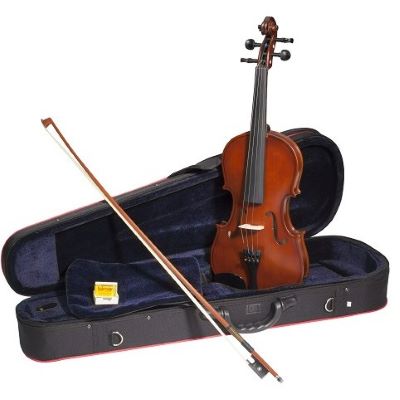
The 1/8, 1/4, 1/2 and 3/4 sizes allow the violin to be adapted to arm reach and body proportions. The correct size matters more than the child's year of birth.
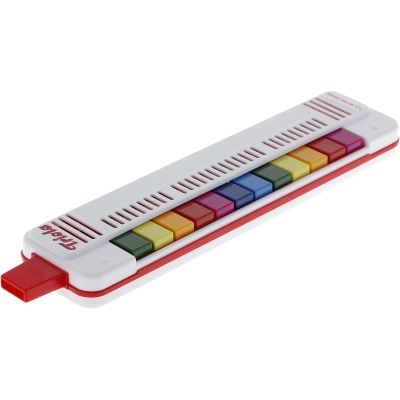
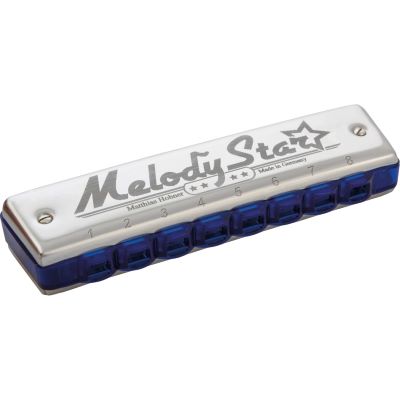
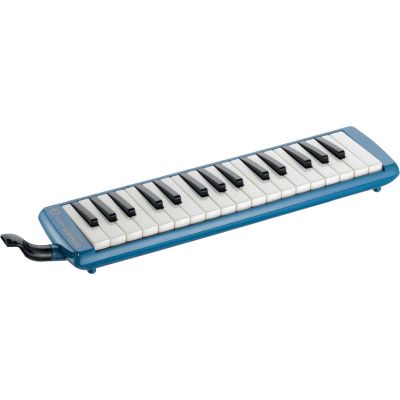
Recorder, Triola, harmonica and melodica make notes and first melodies accessible without requiring a large instrument.
Age recommendations provide only an initial orientation. Two children of the same age can have different arm lengths, hand spans and body proportions and may therefore require different instrument sizes.
| Instrument | Typical Size Question | What Should You Check? | Practical Starting Point |
|---|---|---|---|
| Classical Guitar | 1/8, 1/4, 1/2, 3/4 or 4/4? | Scale length, body size and fretting reach | 1/2 is often considered around 115–135 cm body height; 3/4 around 130–150 cm |
| Violin | 1/8 to 4/4? | Arm reach and a relaxed shoulder | The scroll should be reachable without completely straightening the arm |
| Drum Set | Junior or standard? | Drum throne, pedals, snare and tom reach | Junior sets frequently use a compact 16-inch bass drum |
| Digital Piano | Small keyboard or normal piano keyboard? | Bench height, forearms, feet and pedal position | 88 weighted keys are particularly relevant for regular long-term piano lessons |
| Wind Instrument | Standard or child-friendly model? | Weight, arm length, hands and sound production | Curved headjoints and shortened constructions can reduce the required reach |
Do not deliberately buy too large. The values above are useful for narrowing down the choice and do not replace a fitting test. A correctly sized instrument supports a more relaxed posture. This is especially important for guitars and violins.
Classical guitars with nylon strings are widely used in lessons. Scale length and body size are decisive. Compact electric guitars and specialised children's designs provide additional options for rock-oriented players.
Keyboards offer numerous sounds and accompaniment rhythms. For traditional piano lessons, touch sensitivity, suitable weighting and an ergonomic sitting position are more important than simply having the largest number of sounds.
Compact acoustic kits provide a direct acoustic playing experience. Electronic drums reduce electronic playback volume and support headphone practice, while impact and pedal noise remain mechanically audible.
Compact instruments are easy to transport and make first melodies possible quickly. Before buying a recorder for lessons, check whether the teacher requires German or Baroque fingering.
Special flutes, saxophones, trombones and other instruments can reduce reach, weight or ergonomic demands. Coordination with the music school is especially useful in this area.
The 1/8, 1/4, 1/2 and 3/4 sizes are common children's sizes. A complete outfit with a correctly sized bow and case makes the first setup easier. Arm reach is more informative than age alone.
| Instrument | Space Required | Volume at Home | Transport | Particularly Interesting For |
|---|---|---|---|---|
| Guitar | Low | Medium acoustically; electric guitar is adjustable | Easy | Songs, chords, rock and pop |
| Keyboard | Low to medium | Adjustable; headphones possible | Good | Playful learning and many sounds |
| Digital Piano | Medium | Headphones possible | Depends on model | Piano lessons |
| Junior Drum Set | Medium | High | More involved | Rhythm and physical playing |
| E-Drum | Medium | Electronic sound quiet; mechanical noise remains | Medium | Practice at home |
| Recorder | Very low | Medium | Very easy | School and first melodies |
| Violin | Low | Clearly audible acoustically | Easy | Classical music, ensemble and orchestra |
The selection shows different sizes, learning concepts and instrument families. Detailed specifications, scope of delivery and current prices are available on the individual product pages.
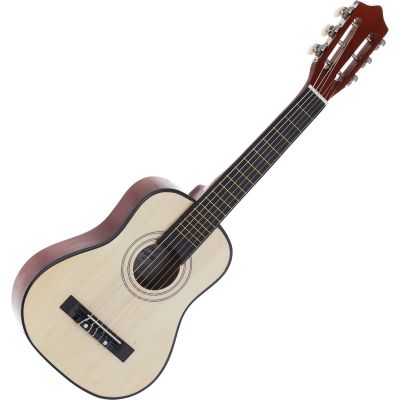
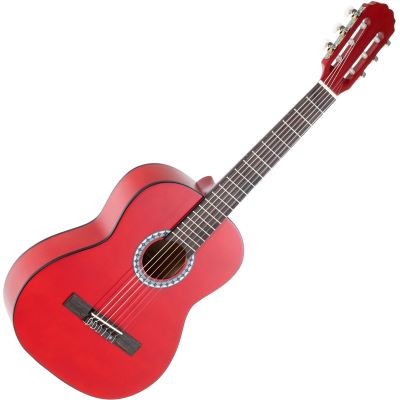

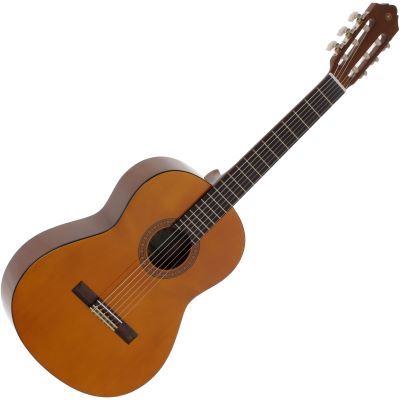
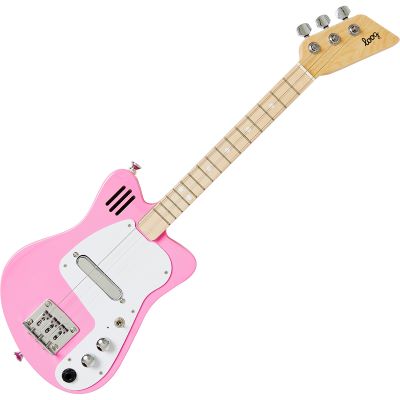
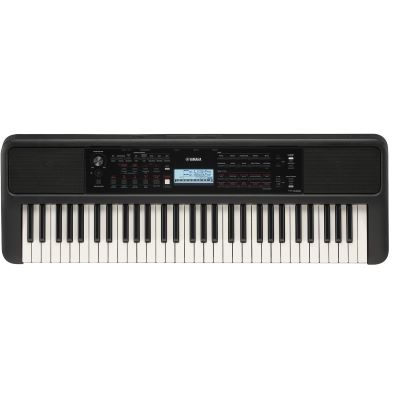
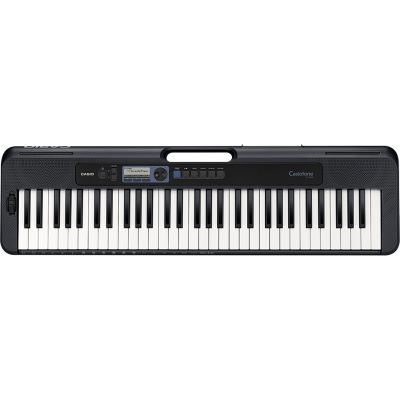
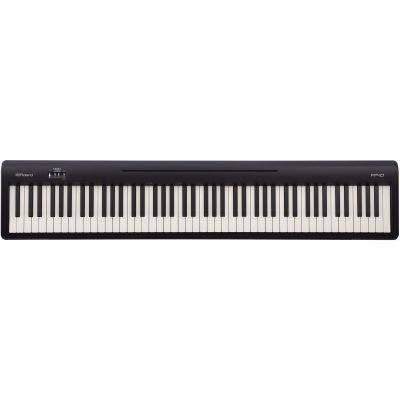

Useful accessories protect the instrument and make an ergonomic, practical practice area possible. What is necessary depends strongly on the instrument family.
Choose a bag that actually fits the instrument, a tuner and a secure guitar stand. An electric guitar additionally requires a suitable amplifier and instrument cable.
The sitting position should allow relaxed forearms and a secure posture. A suitable foot support can help smaller children whose feet do not yet reach the floor comfortably.
The throne must adjust low enough for secure pedal operation. Choose suitable sticks, and include appropriate hearing protection when an acoustic drum set is used regularly.
Bow, shoulder rest, strings, reeds, mouthpieces and care accessories must suit the actual instrument size and construction.
A fixed practice area helps. An instrument that remains safely accessible reduces the effort required for short, regular practice sessions. A suitable stand, bench or secure storage position is therefore often more useful than buying additional electronic accessories too early.
The manufacturer pages provide direct access to additional instruments, accessories and compatible product families within the Musikhaus Korn shop.







A larger instrument does not automatically provide greater future value. Excessive reach can make relaxed posture and clean technique more difficult.
A technically sensible instrument is of little help if the child is much more interested in another sound, musical style or instrument family.
Recorder, wind and string lessons may require a specific fingering system, instrument size or equipment configuration.
Bench height, stands, available space, neighbours and practice volume strongly influence how easy the instrument is to use every day.
Acoustic drums can produce high sound levels. Suitable hearing protection should therefore be considered for regular practice.
A functional basic setup is enough at the beginning. Additional accessories can be added later according to actual needs.
There is no single instrument that is easiest for every child. Recorder, Triola and keyboard can provide quick access to first melodies. A child who is strongly motivated to play drums or guitar can also start successfully when the instrument is correctly sized.
This depends on the instrument, concentration and teaching format. Simple instruments are available for early musical discovery. Regular instrumental tuition should be planned with an appropriately sized instrument and, where possible, in coordination with a teacher.
1/2 guitars are frequently used by children of primary-school size, while 3/4 is a widely used student format. Body height, arm reach, scale length and body size are more meaningful than age alone.
For long-term traditional piano lessons, 88 keys with a suitable weighted action provide a strong foundation. For smaller children, the complete practice position with a correctly adjusted bench, foot support and pedal position is particularly important.
An e-drum is often more practical in an apartment because the electronic sound can be monitored through headphones. Pedal movements and stick impacts remain mechanically audible. A junior acoustic set instead provides the direct experience of traditional acoustic drums.
Before buying, ask whether the lessons require German or Baroque fingering. Synthetic recorders are robust and easy to care for, while wooden recorders offer an alternative material and tonal character.
Arm reach is decisive. In a normal playing position, the child should be able to reach the pegbox without completely extending the shoulder and elbow. The 1/8, 1/4, 1/2 and 3/4 sizes are common children's violin sizes.
Digital pianos, keyboards and electronic drums frequently provide headphone outputs. An electric guitar can also be practised quietly with suitable amplification. Mechanical key, pad and pedal noises do not disappear completely.
This is generally not a good rule for size-dependent instruments. With violins and guitars in particular, excessive scale length or reach can encourage an unfavourable posture. A size that can be played comfortably today is normally the better starting point.
Once the basic instrument family has been chosen, the specialist guides explain dimensions, equipment and useful accessories in more detail.
Compare 1/8, 1/4, 1/2, 3/4, 7/8 and 4/4 sizes as well as compact electric guitars.
Understand 88 keys, action, bench position, pedals and headphones for a child's piano-learning setup.
Compare junior acoustic kits, compact 20-inch sets and electronic drums according to reach and home environment.
Compare recorder, flute, clarinet, saxophone and brass instruments according to ergonomics and teaching requirements.
Coordinate arm reach, bow, shoulder rest and violin sizes from 1/8 to full size.
Continue with instruments, recording, DJ equipment and complete musical setups in the central Musikhaus Korn guide.
Musical preferences, body size and the teaching method together provide the basis for a good decision. First choose the instrument family, then check its size and ergonomics and only afterwards add the necessary accessories. This creates a clear starting point that makes regular music-making easier.