Keep the Microphone Close to the Voice
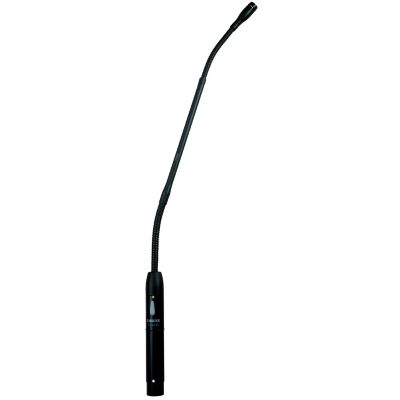
A gooseneck microphone at the pulpit or a headset keeps the microphone close to the speaker. This improves intelligibility and feedback headroom more effectively than a microphone positioned far away.

Churches place very specific demands on sound and event equipment. Long reverberation times, large distances, quiet speech, choirs, organs, worship bands and changing speakers all come together in the same room.
A good church sound system should therefore do more than simply become louder. It should improve speech intelligibility, support music naturally and keep the technical installation as unobtrusive and easy to operate as possible.
The basic system should first reproduce spoken words reliably. Sermons, readings and announcements form the foundation of the planning. Choirs, instruments, bands, playback sources and livestreaming can then be added according to the actual requirements.
A gooseneck microphone at the pulpit or a headset keeps the microphone close to the speaker. This improves intelligibility and feedback headroom more effectively than a microphone positioned far away.
The aim is to direct sound toward the congregation without sending unnecessary acoustic energy into walls, vaults and other highly reflective surfaces.
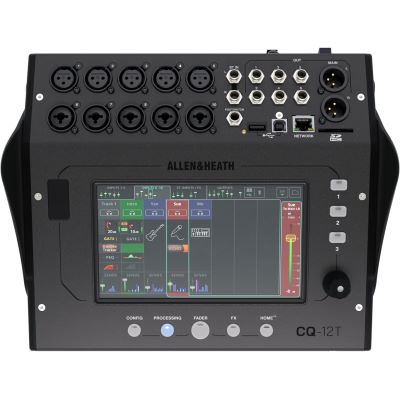
Pulpit microphones, wireless systems, instruments and playback sources meet at the mixer. A straightforward operating concept is especially important when volunteers or changing operators use the system.
Choir, acoustic guitar, keyboard and other instruments require different microphone or direct-input solutions. Additional channels should already be included when the mixer is selected.
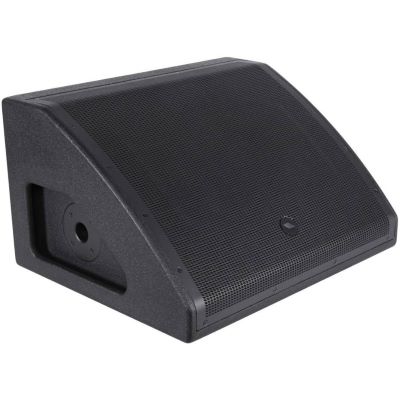
Stage monitors or in-ear systems help worship bands and larger ensembles. A lower stage level also makes it easier to control the overall mix in a reverberant church.
Cable routes, wall brackets, rack equipment and permanent power supplies should be planned for long-term use. In historic buildings, technical and architectural requirements need to be coordinated especially early.
Planning principle: in a reverberant church, keeping the microphone close to the voice and distributing loudspeakers sensibly is often more valuable than simply adding more amplifier power. Start with microphone position and loudspeaker distribution before considering larger systems.
| Application | Microphones | Mixer | Sound Reinforcement | Expansion |
|---|---|---|---|---|
| Traditional Service | Pulpit + headset / handheld | Compact | Speech intelligibility | Playback source |
| Wedding & Baptism | Wireless + pulpit | Several inputs | Speech + music | Soloist or instrument |
| Choir Concert | Choir microphones | More channels | Subtle amplification | Recording possible |
| Worship Band | Vocals + instruments | Digital mixer useful | Full-range system | Monitoring / in-ear |
| Lecture & Community Evening | Headset or lavalier | Few channels | Speech | Laptop playback |
| Livestream | Several sources | USB / recording useful | Room and stream evaluated separately | Computer / recorder |
Stone, glass, high ceilings and large wall surfaces often create long reverberation times. This can be musically attractive for organ and choir, but it also makes speech much more difficult to understand.
Headsets and correctly positioned pulpit microphones capture more of the direct voice and less of the room. This often means the system requires less gain.
The congregation should receive direct sound. Poor speaker placement can unnecessarily excite the vault or rear wall and further reduce intelligibility.
Long naves or side aisles can require additional speaker positions. Permanent installations should therefore be designed according to the specific church architecture.
Acoustic priority: every unnecessary sound component that reaches reflective surfaces can make consecutive syllables overlap more strongly. Controlled direct sound is therefore central to speech clarity.
Ideal for pulpits, ambos and fixed speaking positions. The flexible neck allows precise positioning without needing a conventional microphone stand every time.
Particularly useful because the distance to the mouth remains nearly constant while both hands stay free. The headset and bodypack transmitter need to be compatible.
A visually discreet solution for lectures and discussions. Because a lapel microphone sits further from the mouth than a headset, room acoustics and positioning have a stronger influence on the result.
Flexible for readings, interviews, weddings and changing speakers. A wired handheld microphone is additionally valuable as a simple backup.
A small mixer can be sufficient for a sermon, pulpit microphone and playback source. As soon as choirs, a band, several wireless systems and livestreaming are added, channel requirements increase quickly.
Two to four spare inputs create valuable room for later expansion. A digital mixer additionally allows scenes to be stored for a Sunday service, concert or community evening.
For volunteer operators, a clear standard operating mode should still be defined so that only a small number of important controls need to be changed during a normal service.
Music requires different solutions from speech. The more acoustic the ensemble, the more carefully amplification should be applied. A worship band, by contrast, requires a complete live mix with vocals, instruments and monitoring.
A few sensibly positioned microphones can capture a choir more naturally than a large number of individual microphones. Small-diaphragm condenser microphones are particularly interesting for detailed choir and instrument pickup.
Line and instrument signals can be routed cleanly to the mixer through suitable DI boxes. A stereo keyboard requires two channels if the stereo signal is to be retained.
Several vocal microphones, guitar, bass, keyboard and drums can quickly create twelve or more input signals. Individual monitor paths and clear stage organisation then become particularly important.
Flexible sound reinforcement for speech and music.
Bring all audio sources together centrally.
For pulpits, ambos and fixed lecterns.
Constant microphone distance while moving freely.
Flexible microphones for guests and changing speakers.
Unobtrusive microphone pickup for lectures and discussions.
Monitoring for bands, soloists and musicians.
Protect rack equipment and organise signal routes.
The current source selection ranges from mobile speakers and mixers to handheld and headset wireless systems, pulpit microphones, monitoring and accessories. A permanent installation should always be coordinated with the specific room, cable routes and existing infrastructure.

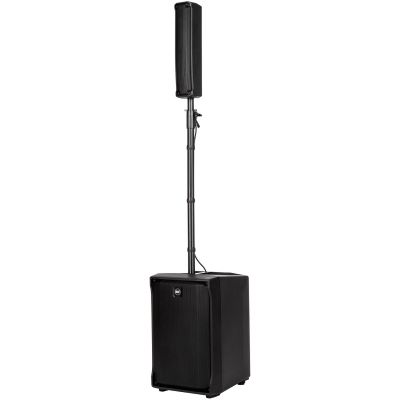
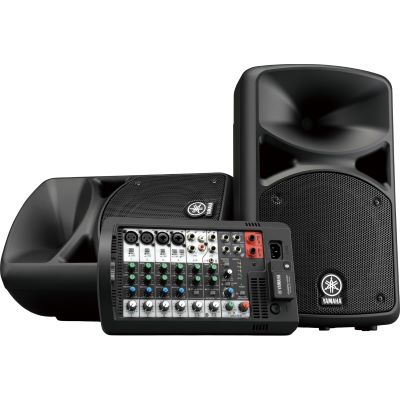
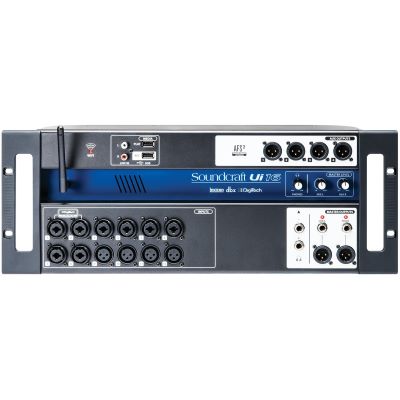
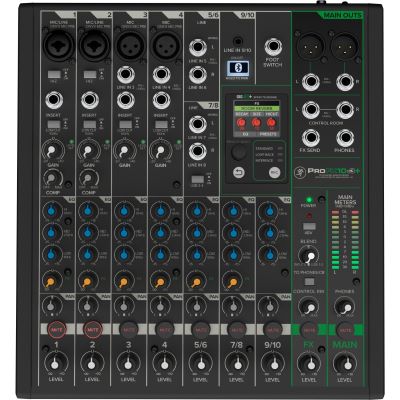
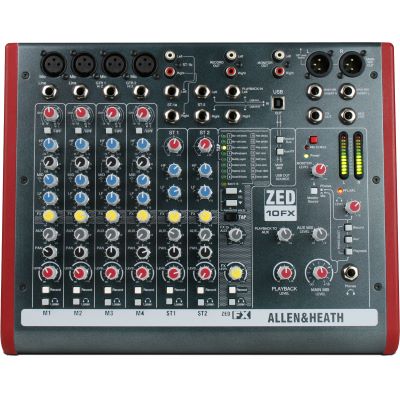
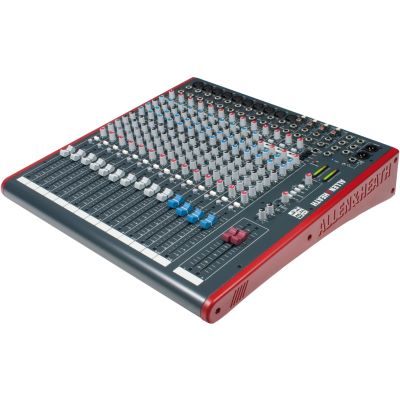
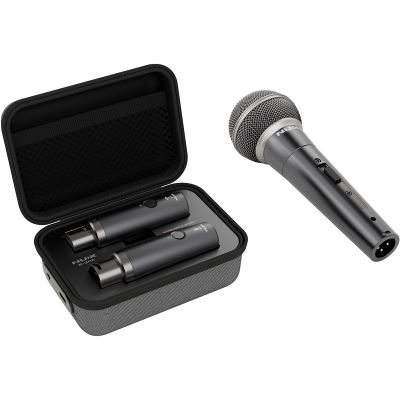

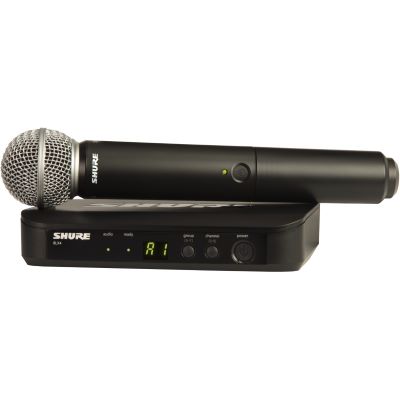
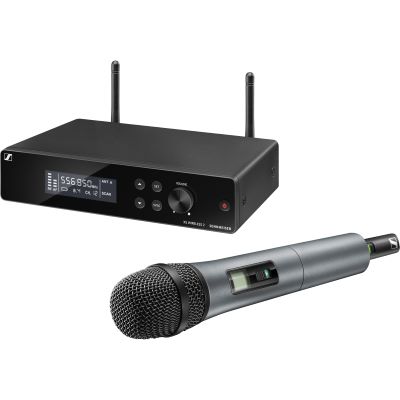

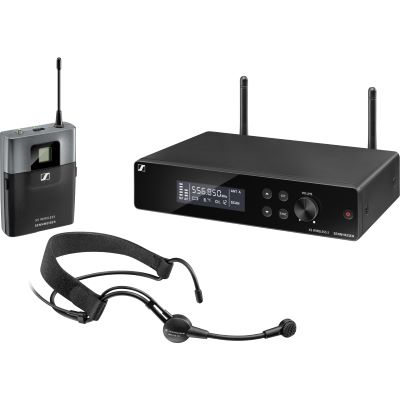
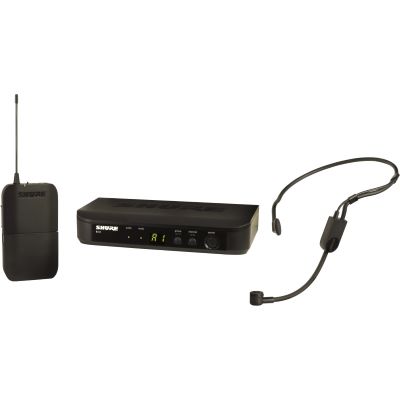
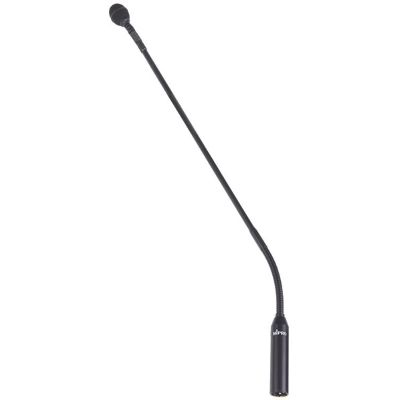
Pulpit, wireless and instrument microphones connect to suitable mixer inputs. Preamplifier gain, equalisation and level are then adjusted there.
Condenser microphones may require phantom power depending on the particular model.
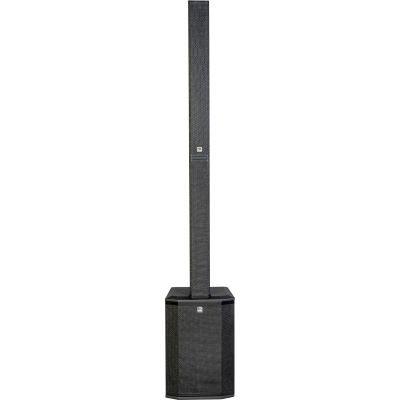
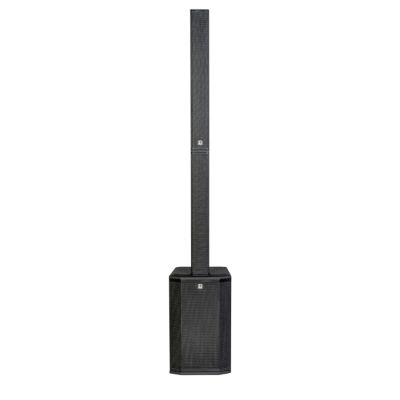
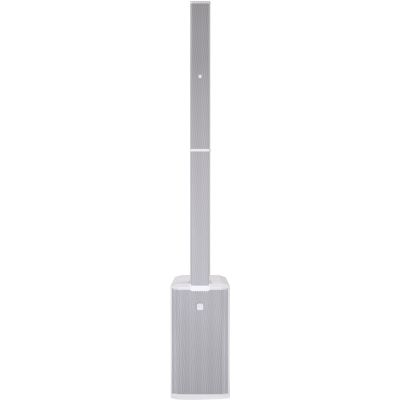
The main outputs supply the audience loudspeakers. Distribution and loudspeaker positioning should be designed specifically for the church room.
Additional mix outputs can provide worship musicians with individual monitoring. A separate livestream mix can also be useful because online listeners do not receive the same natural room ambience as people inside the church.
Guide status: 24 August 2026. Permanently installed loudspeakers, long cable routes, electrical installations, several simultaneous wireless systems and modifications to historic buildings should be professionally planned for the specific church.
Regular services should not depend on a single wireless transmitter, one cable or one playback device. A small standardised reserve makes everyday operation considerably more reliable.



Standard equipment for regular services should be permanently available, easy to operate and cleanly installed. The permanent system does not, however, need to be oversized for an occasional large concert, community festival or open-air event.
Additional PA, wireless and event equipment can be added or rented specifically for those dates.
This depends strongly on the room size, reverberation and architecture. Active loudspeakers or column systems can work well for smaller mobile applications. Long naves and permanent installations should be designed individually for the specific room.
Large reflective surfaces and long reverberation times cause consecutive parts of speech to overlap. Close microphone placement and controlled loudspeaker distribution therefore often help more than simply increasing volume.
Gooseneck microphones are especially practical for fixed speaking positions. The microphone should be positioned sufficiently close and aimed correctly at the person speaking.
A headset keeps the microphone-to-mouth distance particularly consistent and can therefore provide strong feedback headroom. Lapel microphones are more visually discreet but sit further from the voice and are more strongly affected by room acoustics and positioning.
For a straightforward service, a headset and an additional handheld transmitter can already provide considerable flexibility. Weddings, theatre productions, concerts and several speakers increase the requirement. Multiple wireless systems should be planned together.
Small congregations with only a few microphones can use a compact mixer. With a worship band, several wireless systems and livestreaming, a digital mixer provides more channels, monitor paths and stored scenes.
A small number of sensibly positioned condenser microphones is often a useful starting point. Distance, choir size, loudspeaker position and room acoustics all strongly influence the result.
Usually yes. Active stage monitors or in-ear monitoring support controlled ensemble playing. The lower the stage level remains, the easier it is to manage the overall mix in a reverberant church.
Depending on the mixer, audio can be routed to a streaming computer through USB or other outputs. A separate stream mix can be useful because online listeners do not receive the same natural room sound as visitors inside the church.
Loudspeaker positions, mounting, cable routes and visible equipment should be planned especially early. Building alterations, fixed installations and electrical work need to comply with the relevant professional and architectural requirements.
Event equipment for churches begins with intelligible speech. A suitable pulpit, headset or wireless microphone captures the voice as directly as possible, while a mixer controls the different sources and distributes them to the loudspeakers. In reverberant church interiors, targeted coverage of the congregation is more important than maximum loudness.
Choirs, soloists and worship bands expand the system with additional microphones, DI boxes and monitoring. Digital mixers allow settings for services, concerts and community evenings to be stored and, depending on the model, can also be integrated into recording or streaming workflows.
Clear labelling, reliable backup microphones and a well-planned permanent installation make daily operation easier for both staff and volunteers.
Discover additional guides covering PA systems, microphones, bands, recording, musical instruments, lighting, DJ equipment and complete event technology.