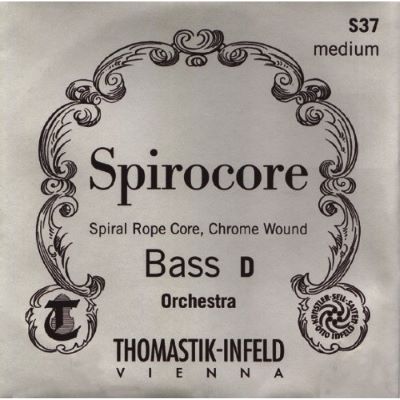
Identify the Instrument
Violin, viola, cello and double bass strings are constructed differently. A string must be specifically designed for the instrument on which it will be used.

Steel core or synthetic core? Medium or heavy tension? Complete set or individual string? Strings have a major influence on response, playing feel, tuning stability, projection and tonal character. At the same time, they must match the violin, viola, cello or double bass exactly – and for children's instruments, the correct scale length and size are essential.

Violin, viola, cello and double bass strings are constructed differently. A string must be specifically designed for the instrument on which it will be used.
Children's instruments may require strings specifically designed for 1/4, 1/2 or 3/4 size. Scale length affects both the physical length and operating tension.
Steel provides a direct and tuning-stable playing feel. Synthetic cores generally respond more elastically and are often selected for a warmer, more shapeable tonal character.
Medium is a useful starting point for many instruments. Soft and strong versions alter resistance and response, but they are not categories for beginners or professionals.
The simplest starting point: if your instrument works well with its current string set, begin with the same size and a comparable tension when it is time to replace the strings. Then change only one factor at a time if you want to adjust the setup.
Core material strongly influences response, elasticity, tuning behaviour and tonal character. None of the constructions is universally best.
Steel-core strings generally respond quickly and are comparatively insensitive to changes in climate. They are useful for music school, stage use and players who prefer a direct and stable playing feel.
Cello and double bass strings may additionally use flexible rope or spiral steel-core constructions.
Modern synthetic fibres combine useful tuning stability with a more elastic response. Many violin and viola strings with synthetic cores are selected for a warm, overtone-rich and dynamically flexible tonal character.
Gut strings represent a traditional construction with very flexible tonal behaviour. They react more strongly to temperature and humidity and are now primarily chosen as a deliberate tonal option.
The metal wrapped around a string also changes its mass, surface, response and tonal behaviour. Depending on the particular string, aluminium, nickel, chrome steel, silver or other metals may be used.
Tension influences resistance and how the instrument responds. The descriptions are useful primarily when comparing versions within the same product family.
| Version | Typical Feel | May Be Interesting For |
|---|---|---|
| Soft / Light | Less resistance and a flexible response | Instruments or players looking for a softer playing feel |
| Medium | Balanced resistance | A versatile starting point |
| Strong / Heavy | Greater tension and resistance | Deliberate adjustment of projection and playing resistance |
Important: tension labels are not standardised across all manufacturers. A medium set from one series can feel different from a medium set from another. Compare versions within the same product family whenever possible and observe how your instrument reacts to larger changes.
With children's violins and student cellos, it is not enough simply to order strings for the same type of instrument. The strings also need to be designed for the specific instrument size.
A 1/2 violin has a shorter vibrating string length than a 4/4 violin. Manufacturers therefore adapt construction and operating tension to the corresponding scale length. The same applies to cello and double bass.
When moving to the next instrument size, replacement strings should therefore be checked as well. A string set designed for a 1/2 instrument does not automatically belong on a new 3/4 instrument.
The selection ranges from robust steel-core student sets to synthetic strings for greater tonal flexibility. The E string is frequently made of steel regardless of the core construction used for the remaining set.
Viola strings need to suit the longer scale length and lower C string. Pay particular attention to body or scale information such as 14.5 or 16–17 inches.
Cello strings commonly combine solid steel and more flexible rope-core constructions. Individual A, D, G and C strings are also frequently combined deliberately to create a personalised setup.
In addition to tension and size, musical application is especially important. Orchestra, jazz and pizzicato can place different demands on response, sustain and playing resistance.
Replace a string when the winding is visibly damaged, frayed or corroded. Check especially around the bridge, nut and frequently fingered areas.
Old strings may lose brilliance, stability and quick response. Replacement can be useful when the playing feel clearly deteriorates even though the instrument and bow are functioning correctly.
If several old strings are being replaced, a complete set provides a consistent baseline. During installation, replace the strings one at a time.
Watch the bridge: new strings can gradually pull the bridge slightly towards the fingerboard while being tuned up. Check its position. If the bridge becomes noticeably tilted or you are uncertain, have it corrected professionally.
The selection includes robust student solutions, synthetic-core sets, different instrument sizes and more specialised cello and double bass strings.
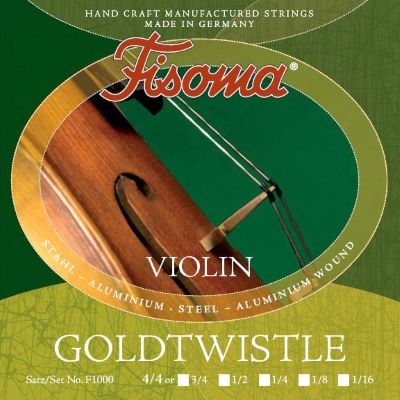
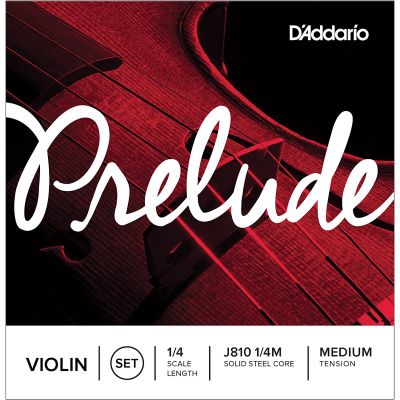
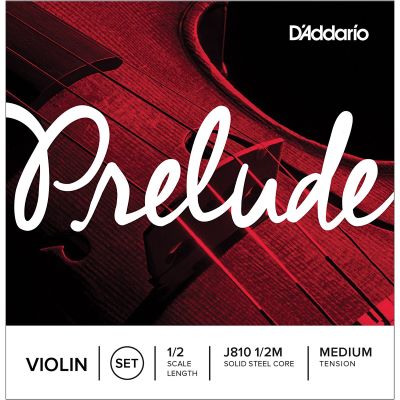
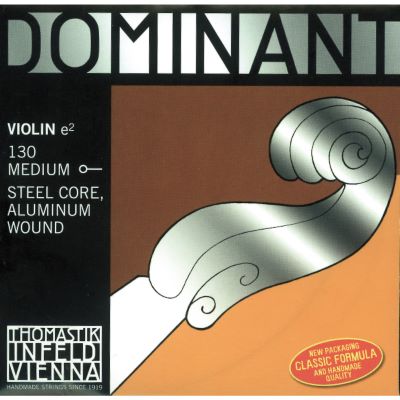
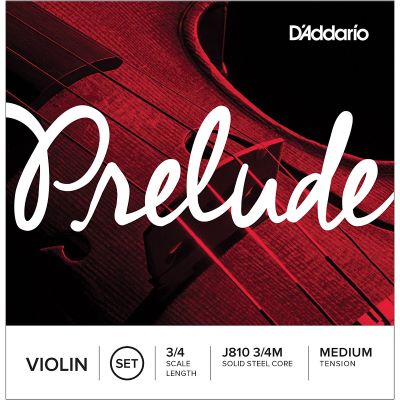

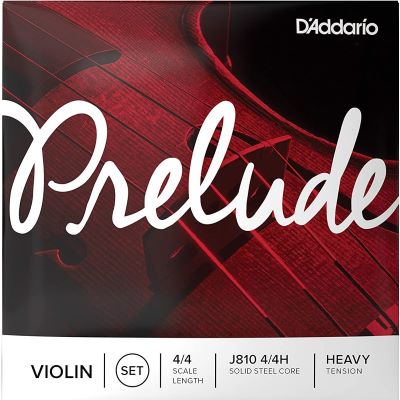

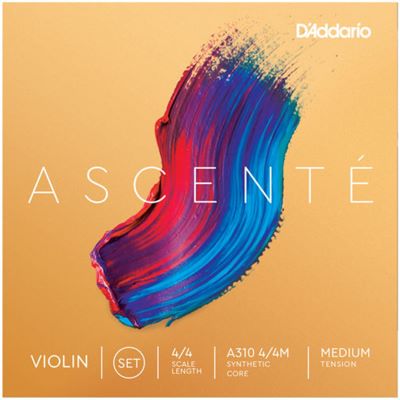
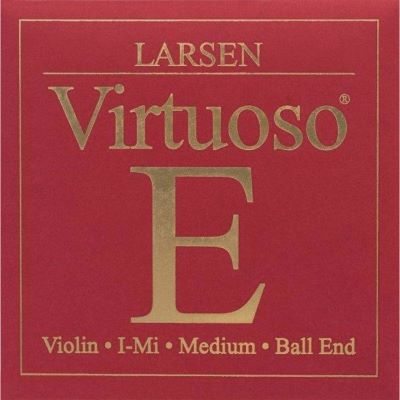

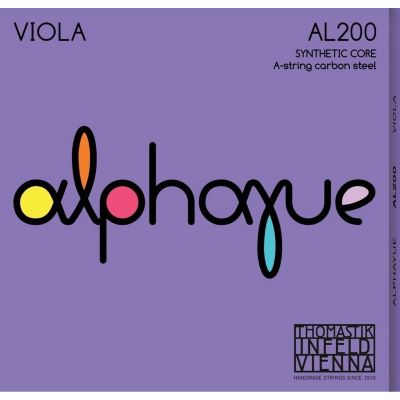
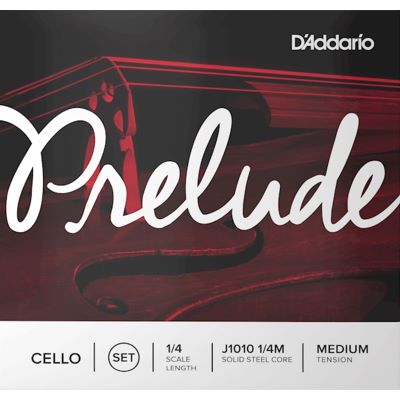

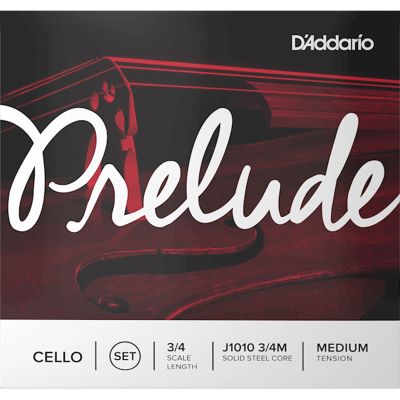
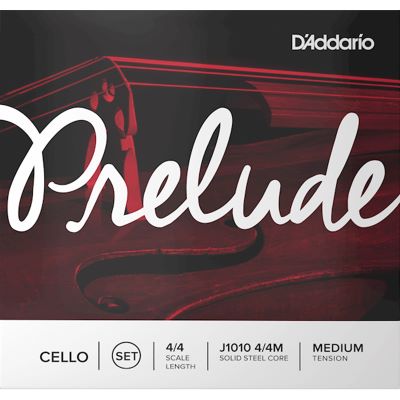
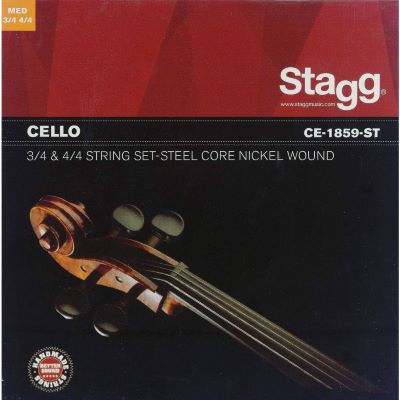
Different manufacturers offer their own core constructions, tension concepts and tonal approaches. Comparing series within one brand can make targeted changes easier to evaluate.





String families for violin, viola and double bass with different core constructions and tension options.
Steel- and synthetic-core options covering several student sizes and training requirements.
Violin and cello strings with different tensions, response characteristics and tonal concepts.
String sets for violin and cello in several fractional sizes.
Value-focused strings and accessories for lessons and everyday setups.
Rosin dust, skin oils and perspiration remain on the surface after playing. For everyday maintenance, a dry, soft cloth is usually sufficient.
A 4/4 set does not automatically belong on a 1/2 or 3/4 instrument. Always check the scale length and instrument-size designation first.
Higher tension is simply a different setup choice. The instrument needs to respond sensibly to the increased tension and resistance.
Changing manufacturer, core material and tension at the same time makes the result difficult to evaluate. Step-by-step comparisons provide much clearer feedback.
Robust medium-tension sets with steel cores or forgiving synthetic cores are a sensible starting point. The most important factor is that the size and tension are suitable for the instrument.
Neither is fundamentally better. Steel generally responds more directly and offers strong tuning stability, while synthetic cores often provide more tonal flexibility and warmth.
Medium describes the middle tension within a product family. The actual tension may differ between manufacturers and string series.
They can alter projection and the feeling of resistance, but they are not automatically louder or better on every instrument. The entire instrument responds to the changed tension.
Use a set that is explicitly designed for the corresponding size, such as 1/4, 1/2 or 3/4. The size stated for the instrument and string set should match.
Yes. Cellists sometimes deliberately combine different A, D, G and C strings. For beginners, however, a complete coordinated set is easier to understand and evaluate.
There is no fixed interval. Playing frequency, perspiration, material and maintenance all influence lifespan. Damaged winding or clearly poorer response are strong indications that replacement is due.
New strings stretch and settle after installation. More frequent small tuning corrections are normal during this initial period.
Yes. If the rest of the set is still in good condition, replacing only the appropriate individual string from the same or a compatible series is often sufficient.
Typical signs include damaged winding, corrosion, poorer tuning stability, a duller sound or clearly slower bow response.
Yes. An instrument with a different scale length requires strings explicitly designed for that new size class.
Choosing the right string begins with the instrument and scale length. Core material and tension then influence how direct, flexible or resistant the setup feels. Steel-core strings are a robust and tuning-stable solution, while modern synthetic cores can provide greater tonal elasticity.
The correct size designation is particularly important for children's instruments. Violin and cello strings for 1/4, 1/2 or 3/4 sizes are designed for their corresponding scale lengths and should also be changed when moving to a different instrument size.
If you want to alter the sound of your instrument, avoid changing manufacturer, core material and tension all at once. A controlled comparison makes it much easier to identify which change actually improves response, resistance and the desired tonal character.
Find further guidance on string instruments, wind instruments, drums, keyboard instruments and other equipment in the central Musikhaus Korn guide.