Classic Bb Trumpet
The straightforward standard route for lessons and first ensembles. If you already have a teacher, coordinate the mouthpiece and instrument model before buying.

A good beginner trumpet should respond easily, work reliably and feel comfortable in your hands. For music school, school wind classes, community bands, jazz and many ensembles, the Bb trumpet is the classic starting point. This guide explains valves, mouthpieces, bore sizes, materials, care and useful accessories.
For most beginners, a Bb trumpet with comfortably reachable valves, reliable mechanics and straightforward response is the most useful choice.
It is widely used in instrumental lessons, school wind classes, community bands, big bands and many other ensembles.
In German-speaking countries, you may also see “B trumpet” used for the same basic tuning. Product descriptions commonly use the international designation “Bb”. A C trumpet or pocket trumpet can become interesting later, but neither is normally required for the classic first step.
The straightforward standard route for lessons and first ensembles. If you already have a teacher, coordinate the mouthpiece and instrument model before buying.
Reliable valves, a stable case and straightforward maintenance are especially useful when the instrument is transported regularly.
Adults do not require a special beginner size. Playing feel, desired sound and an instrument that still offers room for further development are more important.
Lightweight constructions can make transport and holding the instrument easier. Their playing feel and tonal character, however, differ from a traditional brass trumpet.
A trumpet produces sound through vibrating lips and the air column inside the instrument. The valves extend the air path, allowing additional pitches to be played.
The lips are not simply pressed against the mouthpiece. A controlled air stream sets them into vibration.
Lip tension changes for higher notes. Excessive mouthpiece pressure makes it more difficult to develop a relaxed embouchure over time.
Different valve combinations alter the length of the air path. Together with lip tension, these combinations create the instrument's notes.
Smooth, reliable valves are therefore particularly important for beginners.
The main tuning slide adjusts the instrument's basic tuning. Many trumpets additionally provide ways to correct individual notes, such as a ring on the third-valve slide.
| Instrument | Character | Typical Use | For Beginners? |
|---|---|---|---|
| Bb Trumpet | Classic trumpet sound | Lessons, community bands, jazz, pop, school wind classes | Usually the first choice |
| C Trumpet | Different fundamental tuning and a direct character | Especially certain classical applications | Usually more relevant later |
| Pocket Trumpet | Compactly wrapped tubing | Travel, second instrument, specialist applications | Possible, but not the standard route |
| Cornet | Often softer and rounder | Brass band, wind music, ensembles | Very interesting depending on the teaching concept |
Many student trumpets use vertically moving piston valves, also known as Perinet valves.
Rotary-valve trumpets are particularly common in certain classical and Central European traditions. If you are taking lessons, clarify the preferred construction before buying.
The bore describes an internal diameter within the tubing system. Many versatile trumpets use a medium or medium-large dimension.
For beginners, the overall response of the instrument is more important than one isolated technical number.
The body, bell and leadpipe can use different brass alloys.
Material is only one part of the finished sound; design and workmanship are equally important.
Both finishes can be suitable for beginners. Do not choose purely by appearance: valve function, response and workmanship are more important when getting started.
Valves should return quickly and move without catching. Tuning slides should remain movable.
Regular oiling and suitable maintenance products therefore form part of normal trumpet ownership.
Many student trumpets already include a mouthpiece and transport solution.
This is practical for beginners and helps prevent important basic equipment from being overlooked.
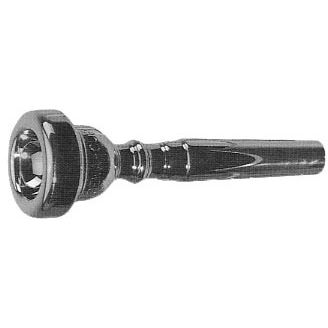
The mouthpiece influences embouchure feel, response and tone.
For the beginning, the standard mouthpiece supplied with or recommended for the instrument is usually the most useful starting point.
Common student-style sizes are widely used, but changing mouthpieces constantly without a clear reason can make it more difficult to develop a stable embouchure.
A larger or smaller mouthpiece is not automatically easier. Lip shape, teeth, embouchure and desired sound all interact. If you already take lessons, coordinate a mouthpiece change with your teacher.
Children should be able to hold the instrument without constantly raising their shoulders and should reach all valves comfortably.
Instrument weight, hand size, changes in the teeth and physical development can all influence the right starting point.
Adults can start learning the trumpet at any age. A normal Bb trumpet is generally the correct size; special “adult beginner” dimensions are not required.
Begin with relaxed posture, an even air stream and a stable note in the middle register.
Practise simple valve combinations and make sure every valve is pressed straight down and completely.
Calm sustained notes help develop airflow, embouchure and tone control. Short and concentrated practice is more useful than continuing with exhausted lips.
Combine a small number of secure notes into short melodies and deliberately use rests for breathing and relaxation.
The selection combines classic student Bb trumpets with alternative models, mouthpieces, practice equipment, care products and safe transport solutions.
Classic student model for the first trumpet lessons.
Beginner-oriented Bb trumpet with a traditional brass appearance.
Silver-plated version for lessons and ensemble playing.
Student trumpet with a traditional valve and slide configuration.
Silver-plated Bb trumpet for lessons and further musical development.
More advanced Bb trumpet with a gold-brass configuration.
Lightweight hybrid construction as an alternative to a traditional brass trumpet.
Student model for lessons, jazz and ensemble playing.
Alternative model for students and ensemble players.
Bb model for getting started and continued musical development.
Bb trumpet with a distinctive black visual finish.
Coloured alternative within the traditional Bb trumpet family.
Compactly wrapped Bb alternative for mobile use and specialist applications.
Traditional mouthpiece format for trumpet.
Alternative mouthpiece size for individual requirements.
Reduces the acoustic level when practising the trumpet.
Extensive teaching and practice material for trumpet, cornet and related brass instruments.
Care product for keeping piston valves moving freely.
Basic equipment for regular trumpet maintenance.
Compact cleaning aid for the trumpet mouthpiece.
Padded transport solution for lessons and rehearsals.
Secure place for the instrument between practice sessions and rehearsals.
Compare complete instrument families, student models and compatible accessories directly through the individual manufacturer worlds.






Condensation is a normal part of trumpet playing. Water keys therefore need to be emptied regularly.
Valves require suitable valve oil, while movable tuning slides should be kept free with care products intended for that purpose.
Piston valves belong in their respective positions and must be reinserted in the correct alignment.
If a valve suddenly becomes blocked or almost no air passes through the trumpet after cleaning, first check whether the valve is seated and aligned correctly.
Poorly functioning mechanics or unreliable valves make getting started unnecessarily difficult.
Frequent changes make it harder to develop a stable embouchure. Build a solid foundation with the existing setup first.
The mouthpiece should not be forced against the lips. Controlled airflow and lip tension are essential.
Valves and slides need regular attention. Small care routines prevent many avoidable problems.
Tone, breathing and a clean middle register form the foundation. Upper range develops progressively.
Especially for children, school wind classes and different valve constructions, the instrument should match the teaching concept.
For many beginners, a Bb trumpet is the direct route into music school, school wind classes, community bands, big bands and modern ensembles. At the beginning, reliable valve mechanics, easy response and an instrument that can be held comfortably are more important than having as many technical extras as possible.
A mouthpiece, valve oil, care materials and a secure bag or case complete the basic equipment. Regular instrument care, controlled airflow and avoiding excessive mouthpiece pressure provide a solid foundation for tone, endurance and the later development of the upper range.
Musikhaus Korn can help you compare Bb trumpets, mouthpieces, valve constructions, practice mutes, care products and transport solutions.
For children and school wind classes in particular, it is useful to coordinate the instrument with the teacher and teaching concept before buying.
From wind instruments, drums and keyboard instruments to studio, DJ and event technology, further decision guides are available in the central Musikhaus Korn guide.