Fog & Haze
Useful for moving heads and show lasers. Before use, check the venue's fire-detection technology, ventilation, visibility routes and the fluid approved by the manufacturer.

Fog, lasers, strobes, artificial snow and bubbles can add enormous impact to a show – but they also affect visibility, floors, visual exposure and the technical conditions of the venue. A good effect concept therefore starts with the location, audience, mounting, control and a clearly defined safety area, not with the most spectacular device.
Not every effect requires the same planning effort. Haze mainly changes visibility in the room, bubble fluid can wet surfaces, a strobe creates strong visual stimuli and a powerful show laser requires a dedicated and competent safety assessment.
Useful for moving heads and show lasers. Before use, check the venue's fire-detection technology, ventilation, visibility routes and the fluid approved by the manufacturer.
Ideal for short drops and highlights. Avoid unnecessarily long sequences of intense flashes and consider people with increased sensitivity to flashing light.
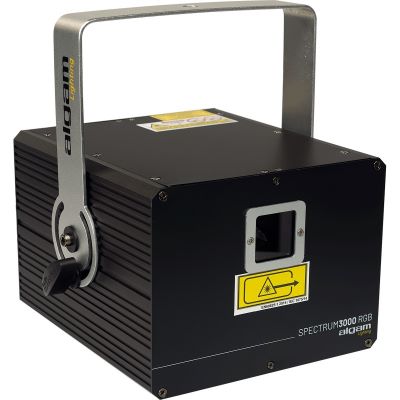
Do not treat a laser like an ordinary spotlight. Laser class, mounting position, beam area, interlock systems and competent safety planning must all suit the specific application.
Friendly-looking decorative effects can still leave residues. Consider the floor, cables, technical equipment and sensitive surfaces before positioning the machine.
Basic rule: every show effect needs a defined operating area, a responsible operator and an immediate means of stopping it. Do not modify equipment improvisationally or bypass manufacturer-provided safety functions.
Include the audience, stage, ceiling, floor, technical positions and escape routes in the planned direction and operating area.
Fog changes visibility, bubble fluid can wet surfaces and strobe effects alter visual perception.
Simple effects still require an instructed operator. More powerful laser systems can additionally require specialist knowledge and formal safety responsibilities.
Blackout, stop button, remote control, interlock or a clearly defined power switch must remain accessible during the event.
Clarify house rules, fire detection, outdoor rules, mounting points and possible restrictions before installation.
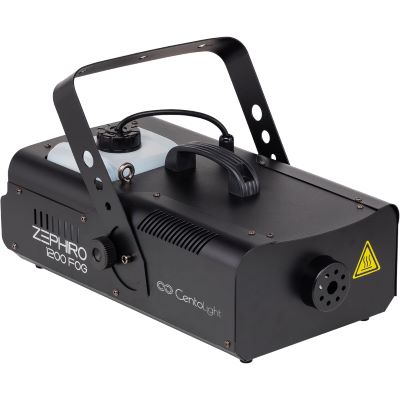
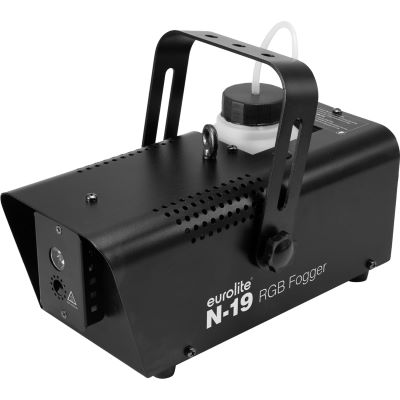
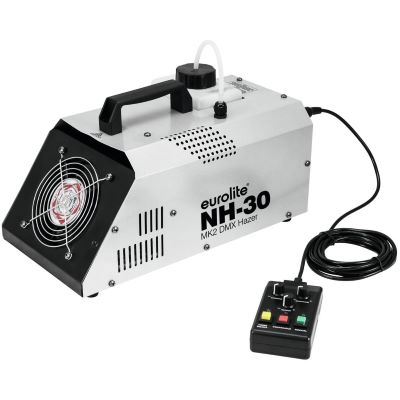
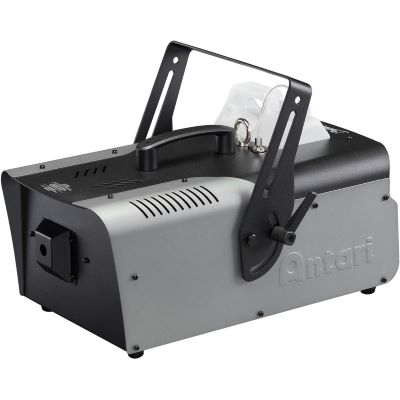
Fog machines and hazers make light paths visible, but they can also change sight distances and affect fire-detection systems. Always coordinate their use with the venue before the event.
Machine and fluid form one system. Hazers, conventional foggers and low-fog machines can require different consumables.
Keep the outlet area unobstructed and do not direct hot fog output from a short distance towards people, instruments or sensitive equipment.
The effect should not unnecessarily obscure orientation, stairs, stage edges or escape routes.
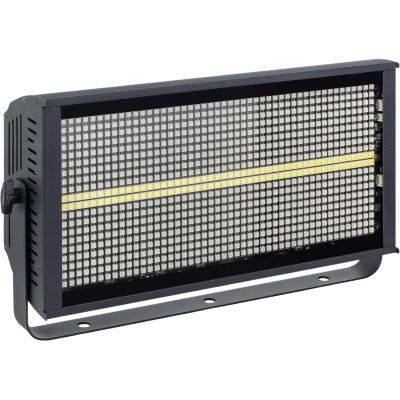
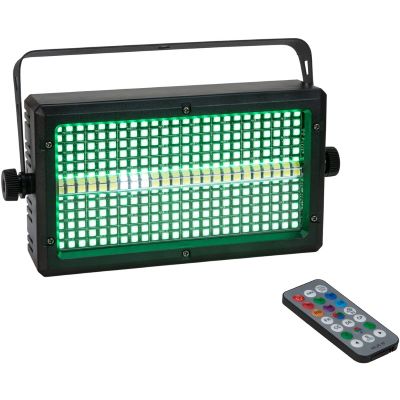
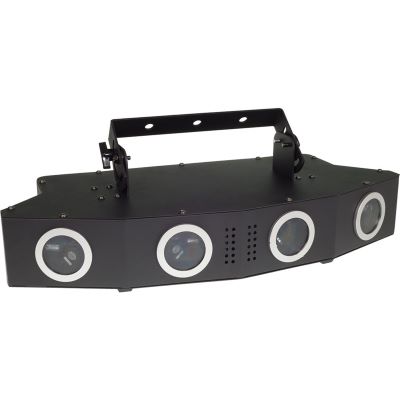
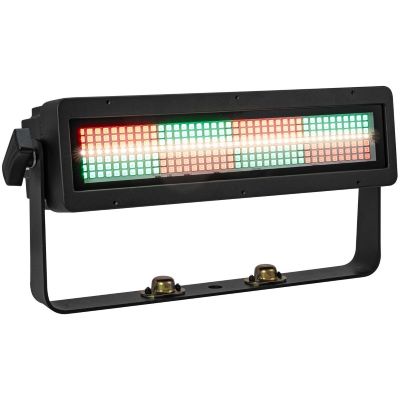
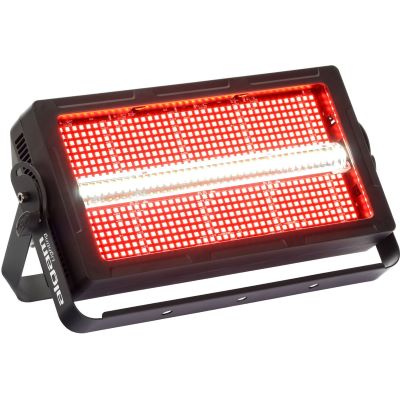
Modern LED strobes can be extremely bright and can generate very rapid flash sequences. Their effect is usually strongest when they are reserved for short musical highlights.
Laser radiation can present a fundamentally different eye hazard from ordinary stage lighting. Output power, laser class and beam routing must therefore never be selected solely according to visual impact.
The classification shown on the device and documentation determines the required safety framework. Higher-class equipment requires correspondingly more specialist planning.
Mount and programme the laser so that unintended exposure of people and uncontrolled reflections are prevented. The actual venue and installation must be considered.
Do not bypass key switches, interlocks or manufacturer-provided protective functions. Complete the required function and safety checks before operation.
Commercial use in Germany: under the OStrV employment-safety rules, before operating laser equipment of classes 3R, 3B or 4, the employer must appoint a qualified laser safety officer in writing if the employer does not possess the required specialist knowledge. Additional requirements for the particular event, audience and venue must also be assessed.
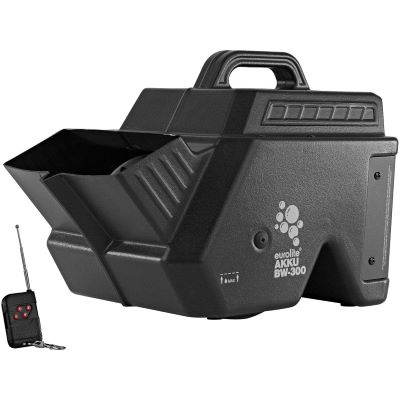
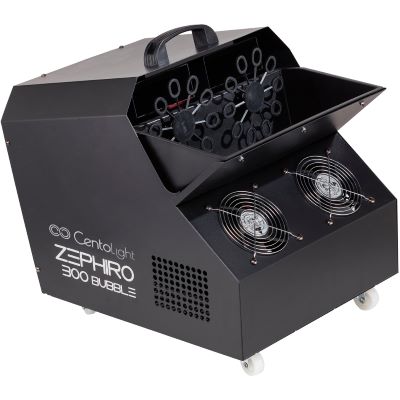
Burst bubbles leave fluid on floors, stage surfaces and equipment. Do not direct the effect over stairs, cable routes or areas where a slippery surface would be particularly critical.
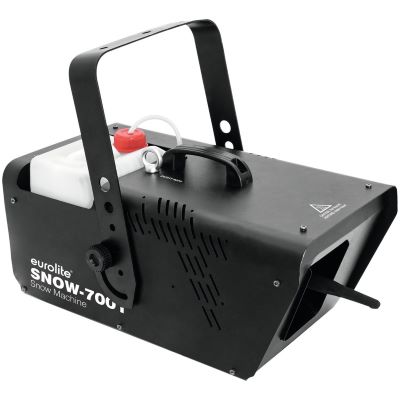
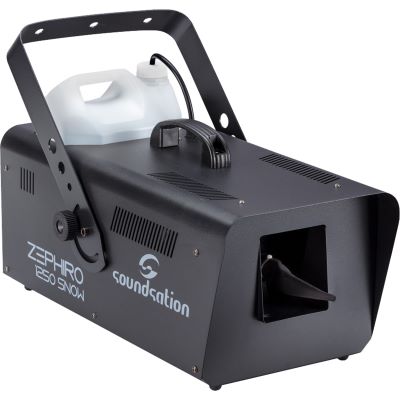
Snow fluid can spread over the stage and audience area. Consider materials, cleaning possibilities, distance from electrical equipment and use only the fluid intended for the machine.
Consider escape routes, ventilation, open electrical equipment and later cleaning. Pressure-based, pyrotechnic or flame effects belong in professional specialist planning rather than improvised DIY solutions.
Use only suitable mounting points, clamps and manufacturer-approved mounting methods. Include the required secondary safety device in the installation plan.
Consider the combined power requirements of foggers, strobes and lighting fixtures. Do not connect high-power heating systems indiscriminately to unsuitable multi-way extensions.
Route mains power, DMX cables and fluid areas so that audience members and performers do not trip and leaked fluid cannot reach electrical connections.
An effect is easier to manage when its start and end are reproducible. DMX can provide defined strobe scenes, hazer levels and suitable device programmes as part of the overall lighting show.
Create a safe basic scene with no active special effect.
Activate only the devices that are actually required for that particular moment.
Provide an immediately accessible stop condition and test it before every show.
Test effects with their real stage positions, cable routes and all people involved.
The current German source labels this area as “20 suitable show effects”, but currently contains 19 actual linked products. They are deliberately grouped by effect type. For lasers, selecting a product never replaces the safety assessment required for the specific installation and event.
For visible fog clouds or a controlled, fine atmosphere that reveals light beams.
View Fog & Haze MachinesBright visual accents for deliberately selected moments in the show.
Decorative effects that require deliberate planning for surfaces, residues and cable routes.
Check the laser class and operating conditions before ordering and operating the device. Higher-power laser systems are not ordinary plug-and-play lighting effects.
View All Show LasersDepending on the effect, consider not only the device but also suitable fluids, remote-control options, mounting equipment and manufacturer safety documentation.





Laser class and beam routing require a dedicated safety assessment.
Fire detection and venue-specific rules must be clarified before the event.
Short deliberate accents are usually more effective and avoid unnecessary visual exposure.
Check surfaces regularly during longer use and do not aim uncontrolled output at critical walkways.
Interlocks, key switches, thermal protection and other manufacturer-provided safety functions remain active.
Flame and pyrotechnic effects require appropriate qualified and legally compliant professional planning.
A controllable fogger, hazer or simple decorative bubble effect is easier to plan than a powerful show laser. Even with simple devices, follow all operating and safety instructions provided by the manufacturer.
Depending on the fire-detection technology, fog or haze may cause a response. Always coordinate use with the venue operator before the event.
Haze creates a different visual effect, but it is not automatically exempt from the same planning considerations. Fire detection, visibility, ventilation and approved fluid still need to be considered.
Strong flashing light can be highly demanding visually and can be problematic for photosensitive individuals. Short, deliberate use is also usually more effective as a musical accent.
Audience exposure must never be improvised. Exposure limits, laser class, beam routing and all applicable safety requirements need to be assessed and complied with by appropriately competent persons.
Under occupational-safety rules, before the operation of laser equipment in classes 3R, 3B or 4, an employer who does not possess the required specialist knowledge must appoint a qualified laser safety officer in writing.
Burst bubbles can leave fluid residues. Check the floor regularly and avoid uncontrolled output over stairs, cable routes or particularly slippery surfaces.
No. Use only fluids suitable or approved for the particular machine. This is especially important with hazers, snow machines and bubble systems.
DMX can provide a defined start, reproducible intensity and a clear stop or blackout scene. This improves both the show workflow and operational control.
Use suitable mounting points and hardware, observe the permitted load and install the specified secondary safety equipment. Manufacturer instructions for mounting must be followed.
No. Pyrotechnic effects and open flames are subject to additional requirements and belong in the hands of appropriately qualified professionals.
Choose the desired visual effect first and then evaluate the room, audience, mounting position and stop procedure. Coordinate fog and haze with the venue, use strobe effects deliberately, position bubble and snow effects with floor conditions and residue in mind, and treat show lasers as a separate specialist safety task. This allows effects to enhance the event without adding unnecessary risk to the setup.
Lighting, PA systems, mixers, microphones, DJ equipment, recording and musical instruments: the central Musikhaus Korn guide leads to further buying advice, comparisons and complete setup solutions.