Choose Acoustic Drums If...
immediate dynamics, real drumheads and cymbals and the natural sound of an acoustic instrument in the room are important to you and high volume is not a major problem.

Natural playing feel or controlled volume? Both acoustic and electronic drums can be the right choice. Your living situation, preferred playing feel, available space, musical style, recording plans and use in the rehearsal room, studio or on stage determine which system suits you best.
Do not begin with the price or the number of sounds. The most useful first filter is where and how you actually want to play.
immediate dynamics, real drumheads and cymbals and the natural sound of an acoustic instrument in the room are important to you and high volume is not a major problem.
you want adjustable volume, headphone practice, several drum kits and sounds and straightforward connection to a computer or music software.
you want to combine an acoustic kit with triggers, electronic pads or a drum module. Hybrid configurations are particularly useful for live drummers who want to integrate samples and electronic sounds.
Headphones remove the loud amplified drum sound from the room. However, the impact of sticks, kick pedal and hi-hat movements remains audible and can travel through floors as structure-borne noise.
A stable, acoustically isolated base can therefore be an important part of an apartment setup.
If volume is not a restriction, acoustic drums offer direct dynamics, real shell resonance and the full response of acoustic cymbals.
Depending on the module, an electronic kit can transmit MIDI and sometimes digital audio. Acoustic drums require microphones, positioning, suitable room acoustics and corresponding recording equipment.
Acoustic drums provide the traditional stage experience. E-drums offer a more controlled, reproducible level. Hybrid setups provide additional flexibility for modern live productions.
| Criterion | Acoustic Drums | E-Drums |
|---|---|---|
| Playing Feel | Direct response from real drumheads, shells and cymbals. | Depending on the pads, very realistic. Mesh heads and multi-zone pads improve the feel. |
| Volume | Loud; only limited reduction is possible with damping. | Output volume is adjustable and headphones can be used; mechanical noise remains. |
| Space | Relatively large depending on shell sizes, cymbals and stands. | Rack-based kits are often more compact. |
| Sound Variety | Determined by shells, drumheads, tuning, cymbals and playing technique. | Many kits and sounds can be stored in the drum module. |
| Recording | Natural result, but microphones and suitable room acoustics are required. | MIDI, and depending on the module USB audio or direct outputs. |
| Tuning | Drumheads are mechanically tuned. | Sounds are selected and adjusted in the module. |
| Power Supply | Not required. | The module and, when used, monitor amplification require power. |
| Apartment Use | Practical only with tolerant surroundings or extensive sound-control measures. | Usually considerably more practical. |
| Expansion | Additional drums, cymbals and percussion can be added. | Additional pads and triggers depend on the module inputs and compatibility. |
An acoustic drum responds continuously to striking position, force and angle. High-quality electronic pads can reproduce increasingly nuanced dynamics.
If you regularly switch between acoustic and electronic drums, pad size and rebound deserve particular attention.
Acoustic cymbals react extremely sensitively to striking position and technique. With e-drums, expression depends on the number of zones, choke functions and the construction of the electronic hi-hat.
Acoustic drum sets may be supplied without cymbals or a drum throne. An e-drum may additionally require a bass drum pedal, hi-hat stand, snare stand, headphones or monitor.
Acoustic kits can be expanded with cymbals, drums and different heads. With e-drums, the available trigger inputs and module compatibility determine which pads can be added.
A stick or pedal sets a drumhead, shell or cymbal into vibration. The room, material, shell size, drumhead, tuning and playing technique all become part of the sound.
Bass drum, snare, toms, hi-hat, crash and ride cymbals plus stands, pedals, drum throne and mounting hardware.
New drumheads and different tuning can significantly change the character of the same kit. This creates individuality but also requires maintenance and experience.
Sensors detect each hit and send trigger data to the drum module. The module generates the sound and sends it to headphones, a monitor, mixer or recording system.
Pad size, surface, number of zones and the construction of the hi-hat and kick solution have a major influence on the playing experience.
Depending on the model, headphone outputs, line outputs, AUX or Bluetooth functions and USB/MIDI connections support play-alongs, recording, software instruments and home-studio integration.
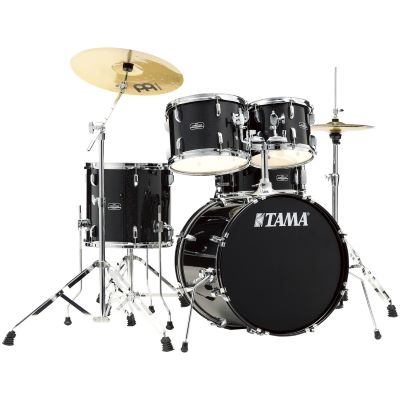
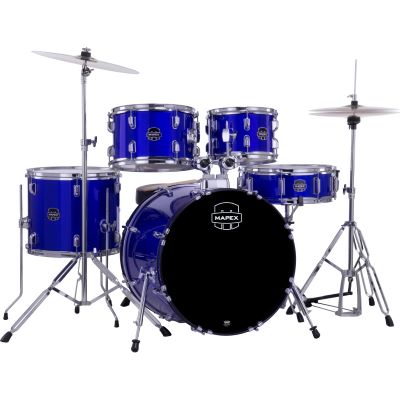
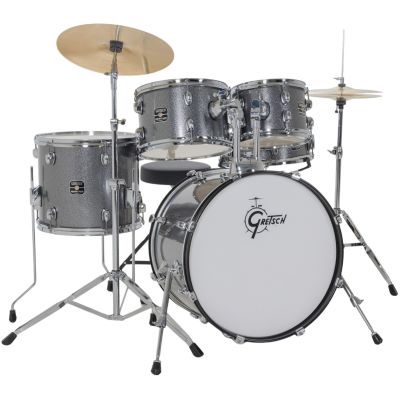
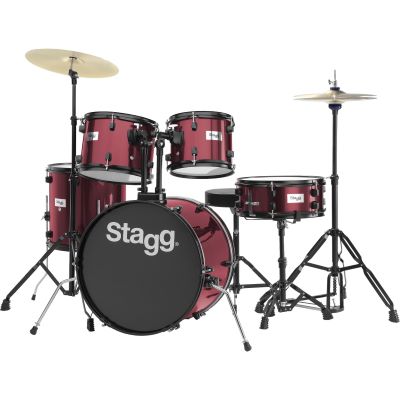
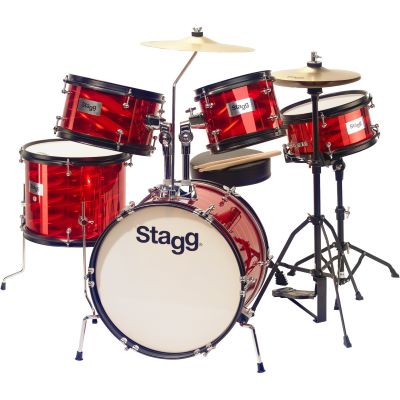
The selection ranges from compact junior sets to full-size acoustic kits with different shell dimensions, equipment packages and intended applications.
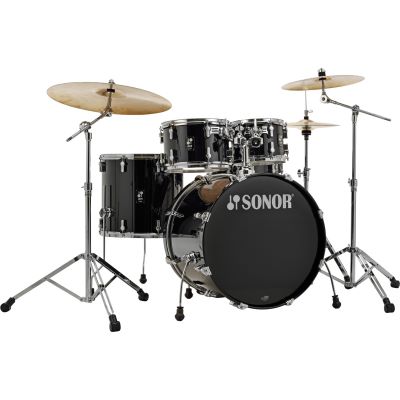
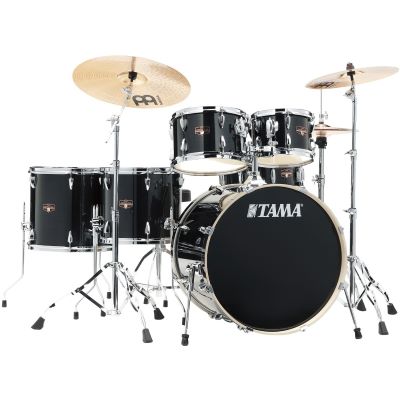
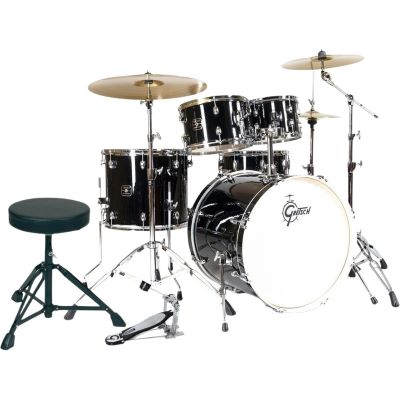

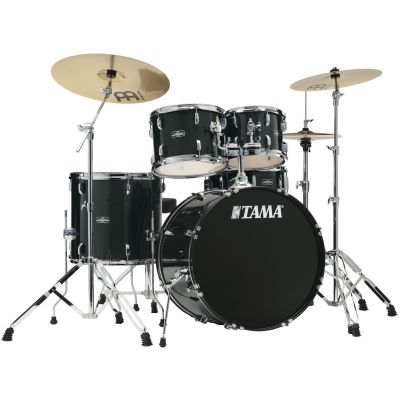
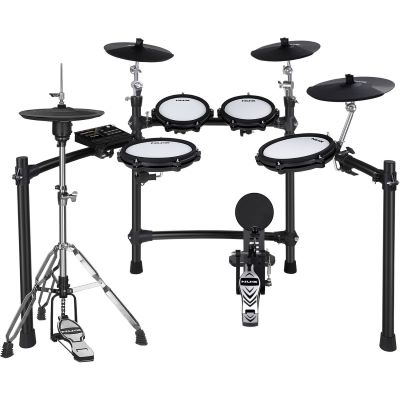
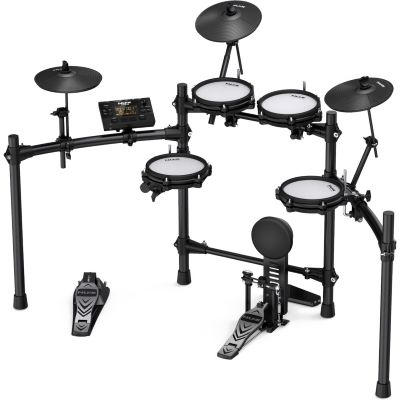
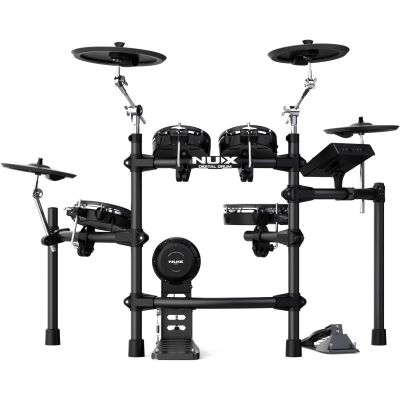
The range extends from compact mesh-head kits for home practice to larger systems with advanced modules, additional trigger zones and more acoustic-like pad dimensions.
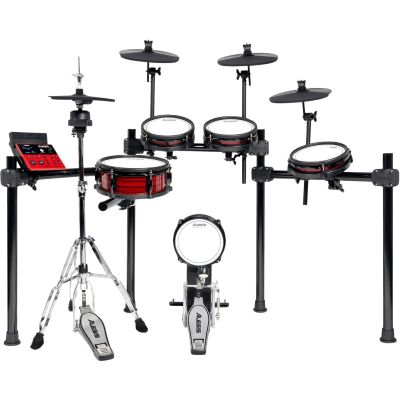
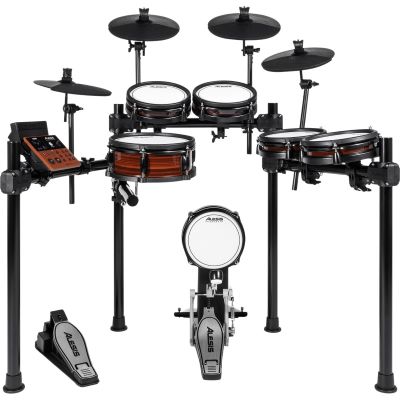
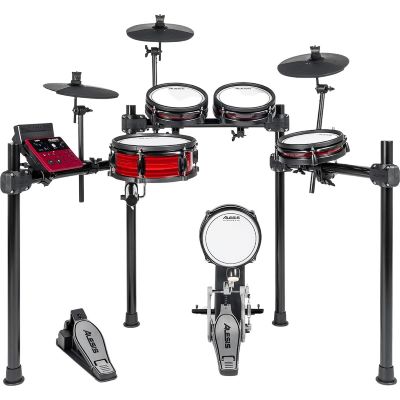
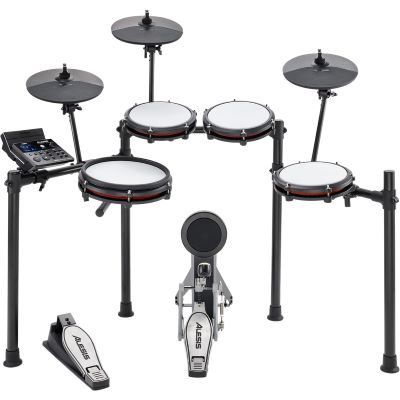
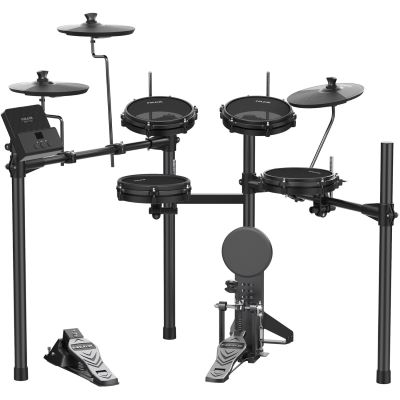
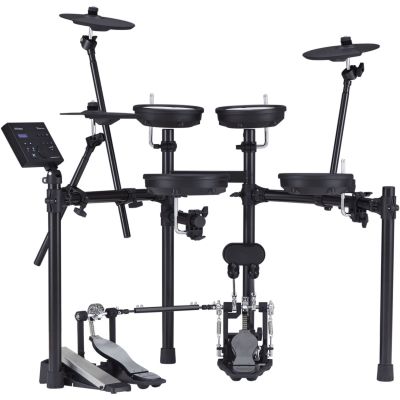
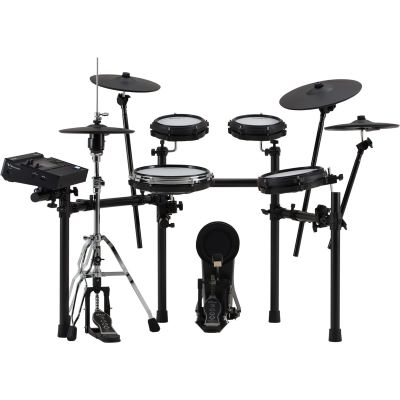
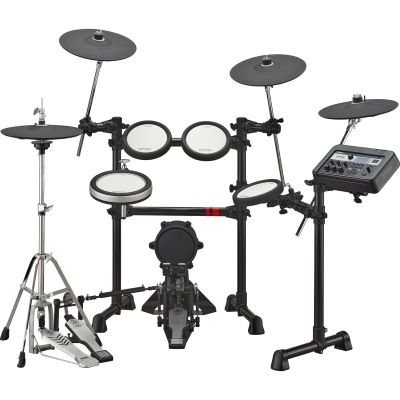
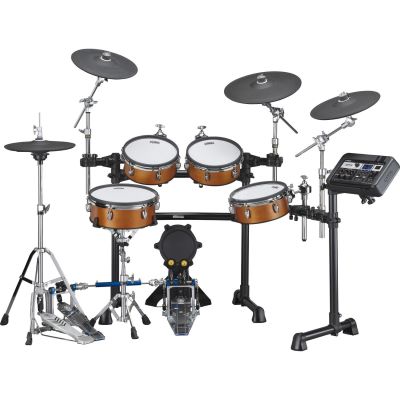
The price of the drum set alone does not necessarily reflect the price of the complete setup. Always check exactly what is included.
5A is a common starting point, but the weight, diameter and balance should suit your hands and playing style.
A stable, height-adjustable drum throne supports balance, ergonomics and the independent use of bass drum and hi-hat pedals.
Check the scope of delivery before buying an acoustic drum set. A cymbal package can make completing the setup considerably easier.
The drumhead type and tuning influence response, sustain and overall tone. Replacing heads can transform an acoustic kit significantly.
Bass drum pedals, hi-hat stands and cymbal stands should remain stable and offer enough adjustment range for your preferred playing position.
Suitable headphones allow controlled practice without the need for an external speaker system.
For rehearsals and stage use, a suitable monitor, active speaker or PA system is required if you do not want to play through headphones.
Additional cymbal or kick pads can extend compatible kits. Check the available module inputs and supported trigger types before buying.
Depending on the module, MIDI or audio can be sent to a computer. You can record the internal drum sounds or use MIDI to control software instruments.
Acoustic drum recording requires microphones, stands, an audio interface with enough inputs and suitable room acoustics. The result captures the natural sound of the complete instrument and space.
Acoustic drums already produce a high level on stage. E-drums can be connected directly to a mixer, which simplifies level control, but the drummer then needs suitable monitoring.
Cymbals, drum throne, pedal, hi-hat stand, headphones or a monitor can have a significant influence on the total cost.
Pads and pedals still produce impact noise. In apartments, floor construction and isolation must also be considered.
Very compact pads can feel unfamiliar, especially for drummers who also play acoustic kits.
Acoustic stands and cymbals extend beyond the shells. An e-drum also requires room for its rack, pedals and drum throne.
Check free module inputs, hardware compatibility and mounting options before deciding on a system.
The technically most impressive kit is not automatically the best choice. Seating position, rebound, hi-hat response and ergonomics have a major influence on everyday use.
Compare different model series, equipment concepts and compatible accessories directly within the individual manufacturer worlds.









Consider the instrument together with the drum throne, pedals, cymbals, headphones, monitoring and required floor space.
The better choice is the drum system that fits your everyday playing situation and encourages you to play regularly. Musikhaus Korn can also help you compare the different setups in person.
Whether an acoustic drum kit or an e-drum is the better choice depends primarily on your playing situation. Acoustic drums offer immediate response, natural resonance and the unrestricted dynamics of real drums and cymbals. Electronic drums provide adjustable volume, headphone practice, numerous sounds and convenient integration with computers and recording setups.
For an apartment, an e-drum is usually considerably more practical, although mechanical impact and structure-borne noise must still be considered. In a rehearsal room or on stage, acoustic drums provide the traditional playing experience, while electronic and hybrid systems can make level control and modern sound integration easier.
Before buying, compare not only the drum kit itself but also the complete equipment: drum throne, pedals, hardware, cymbals, headphones, monitoring, required floor space and future expansion options. The best system is the one that fits your environment, feels comfortable to play and can grow with your requirements.
The Musikhaus Korn buying guides explain important differences, features and applications for musical instruments, studio equipment, DJ gear and event technology.