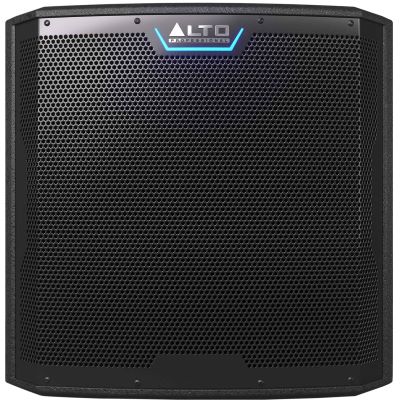
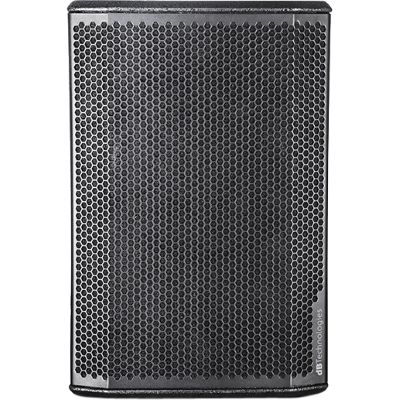
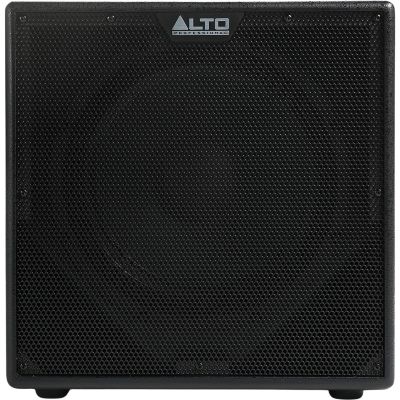
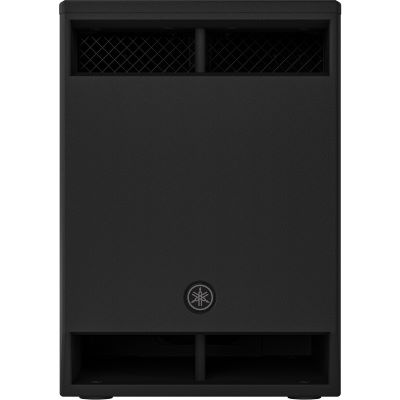
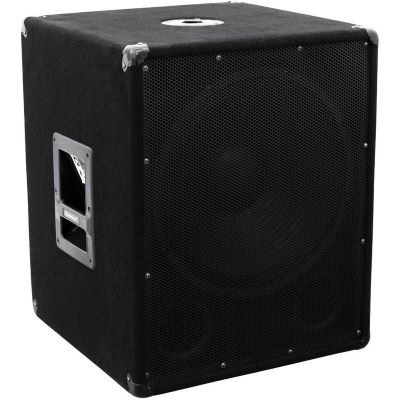
Mobility Comes First
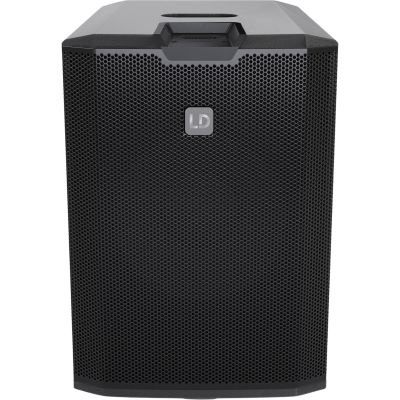
A 12-inch subwoofer keeps dimensions and weight manageable and is particularly useful in combination with compact 8 or 10-inch tops.

12, 15 or 18 inch? Active or passive? One subwoofer or two? Choosing the right PA subwoofer is not simply a matter of wattage and woofer size. Music style, low-frequency extension, maximum output, transport, main speakers, DSP and event size all need to work together.
Start with the application. A compact singer-songwriter setup places very different demands on the low-frequency system than an electronic DJ night or a live band with kick drum and bass guitar.
A 12-inch subwoofer keeps dimensions and weight manageable and is particularly useful in combination with compact 8 or 10-inch tops.
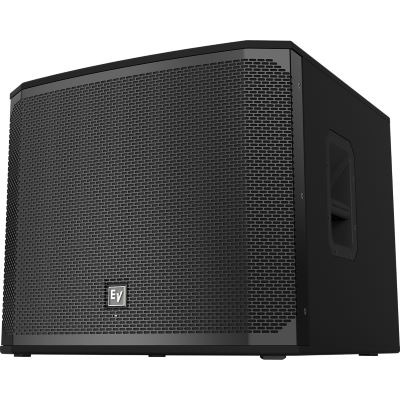
15 inches is a versatile middle ground for mobile DJs, bands, weddings and events when low-frequency extension, output and transportability all matter.
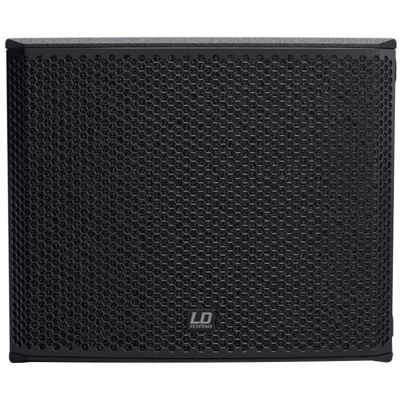
For dance music, electronic genres, larger dance floors and powerful live sound reinforcement, an 18-inch system is often the obvious starting point.
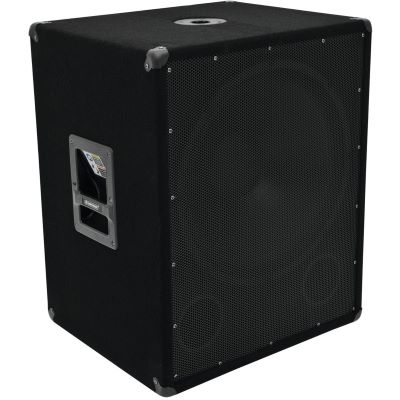
If you already operate a passive PA, a suitable passive subwoofer can be a sensible extension. Amplifier output, impedance and filtering must be matched correctly.
The most important rule: a larger woofer does not automatically make a better subwoofer. Compare low-frequency extension, maximum sound pressure level, DSP, enclosure construction, weight and compatibility with your main speakers.
Woofer size influences cabinet dimensions and the potential low-frequency performance, but it is only one part of the complete subwoofer design.
| Size | Typical Strength | Suitable Application | What to Check |
|---|---|---|---|
| 12 Inch | Compact and easy to transport | Speech + music, acoustic acts, small mobile PA | Check low-frequency extension and maximum SPL |
| 15 Inch | Good balance between output and cabinet size | DJ, band, wedding and all-round PA | Compare weight and system compatibility |
| 18 Inch | High deep-bass and output reserve | Dance, club and larger band/event systems | Plan transport volume and weight |
There is no rigid inch rule: a high-quality 15-inch subwoofer can outperform a simpler 18-inch model in individual criteria. The data sheet and the complete system are more important than woofer diameter alone.
A useful comparison looks at the entire low-frequency system, not just amplifier power and woofer diameter.
The deeper a subwoofer can reproduce frequencies cleanly and under control, the more noticeable the lowest frequencies of modern electronic music can become.
Maximum sound pressure level describes practical output reserve more meaningfully than looking only at an isolated amplifier wattage figure.
Power ratings need to be interpreted in context. DSP and limiters protect modern active systems and influence their usable performance.
Adjustable crossover frequencies, delay, polarity and presets make it easier to connect a subwoofer cleanly to the main loudspeakers.
Plywood, MDF and other cabinet constructions influence transport and robustness. For mobile use, handles and castors can be nearly as important as performance specifications.
The best subwoofer is one that integrates cleanly with your main speakers and takes over their low-frequency duties in a useful and controlled way.
The crossover frequency determines where the subwoofer and main speakers divide their work. Typical PA systems may offer settings around 80, 100 or 120 Hz.
Incorrect overlap can make upper bass unnecessarily strong or create an audible gap. Manufacturer presets or correctly matched high-pass and low-pass filters provide a good starting point.
If the subwoofer and tops arrive at the listener at an unfavourable time relationship, frequencies can partially cancel. Polarity, delay and placement therefore need to be considered as part of the complete setup.
An active subwoofer already contains its power amplifier. Many models additionally integrate a crossover, DSP, limiter, polarity switching and system presets.
A passive subwoofer requires an external power amplifier. Power handling, impedance and frequency separation must be compatible with the amplifier and the rest of the loudspeaker system.
A second subwoofer is not only interesting because it can provide more bass. It also creates additional system reserve and enables different placement concepts.
Ideal for compact 2.1 systems, smaller bands and mobile DJs. Transport and cabling remain straightforward.
More cone area and greater performance reserve are particularly useful for dance floors, live bass and larger events.
Compatible systems can combine several subwoofers so that bass behind the array is reduced. This can help reduce low-frequency energy on stage and behind the system.
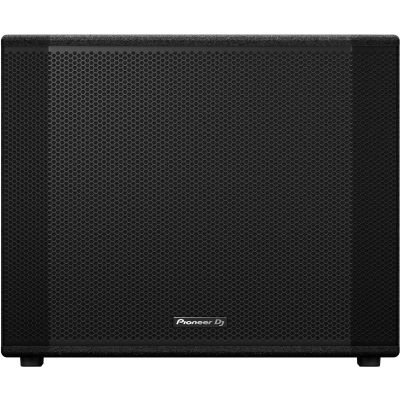
Product images are loaded using the relevant Musikhaus Korn item number. Technical specifications and the current scope of delivery can be found on each product page.
Compact bass systems for small mobile PAs where dimensions and transportability are particularly important.
A popular compromise between low-frequency output, cabinet dimensions and transport for DJs, bands and events.
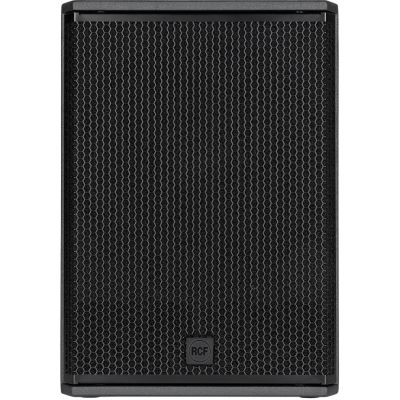
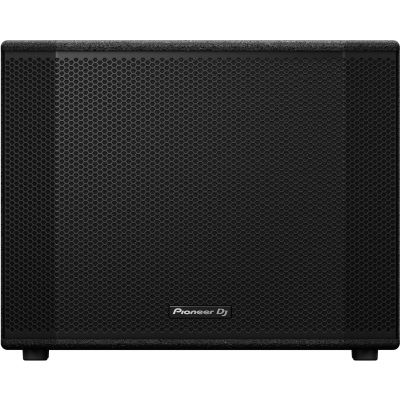
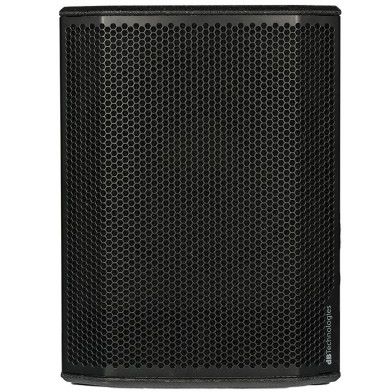
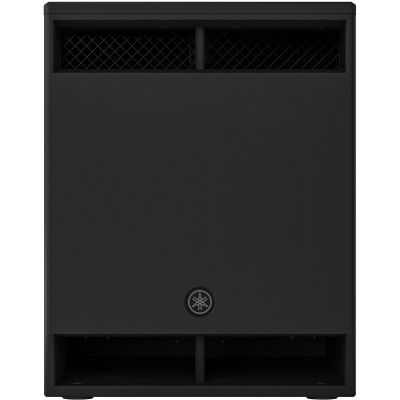
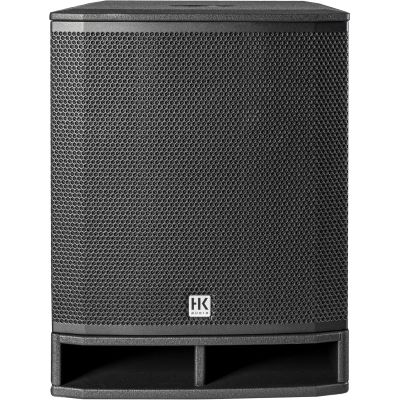
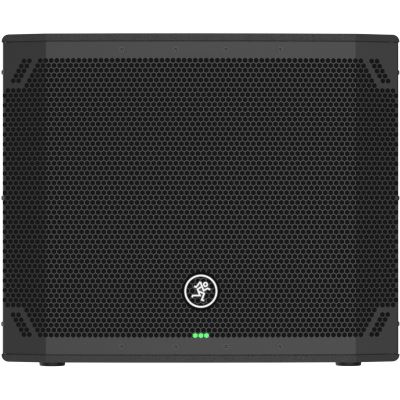
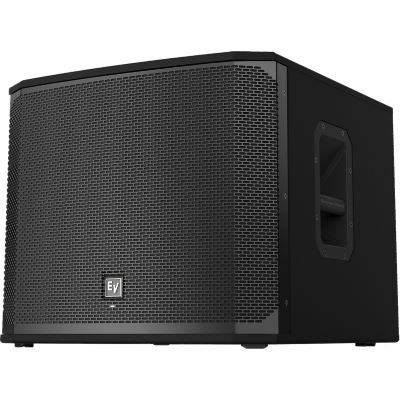
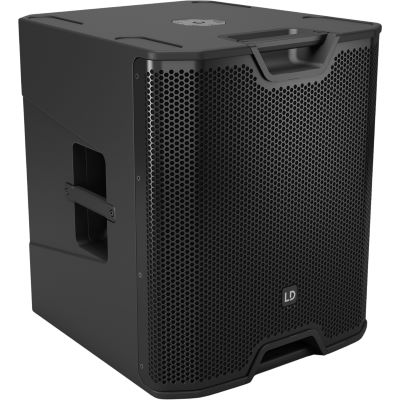
Larger bass systems for applications where deep-bass potential, output reserve and powerful music reproduction are particularly important.
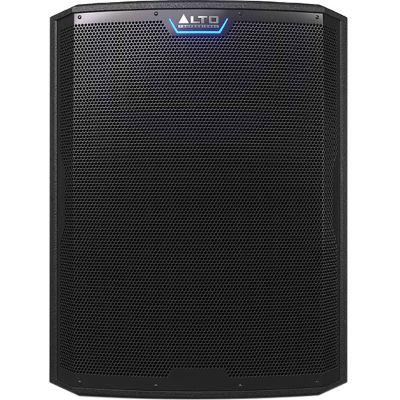
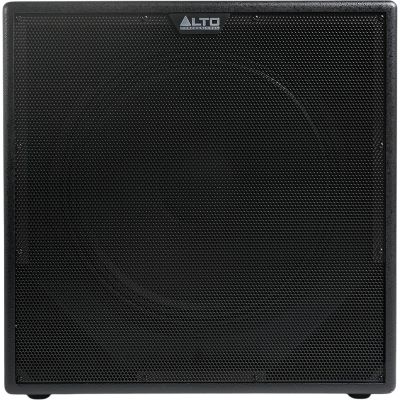
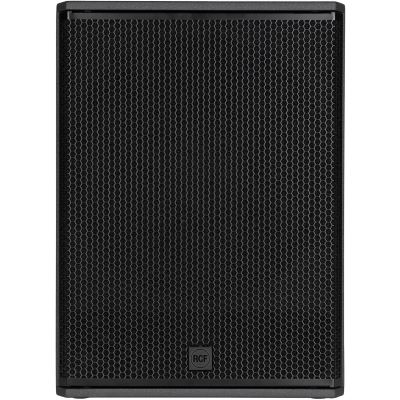
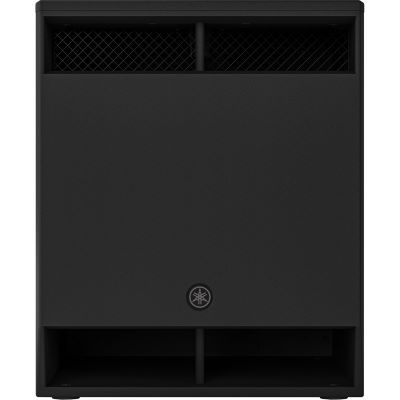
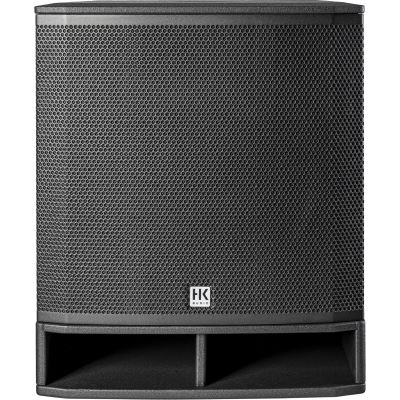
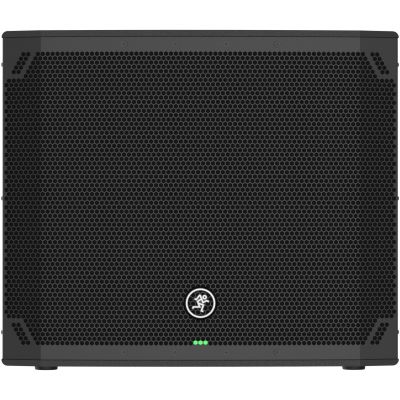
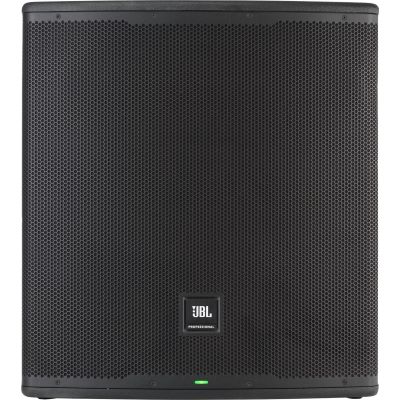
Passive bass cabinets for systems in which amplification and signal processing are planned separately.
Compare complete loudspeaker series, compatible top speakers, matching subwoofers and system accessories directly within the manufacturer ranges.











Maximum SPL, low-frequency extension, cabinet construction and DSP are just as important for the result.
A large subwoofer offers little advantage if its weight and transport dimensions make your mobile application unnecessarily difficult.
Tops and subwoofers should complement one another rather than reproduce the same bass range without controlled filtering.
More bass is not automatically better. The subwoofer should extend the system instead of masking the complete mix.
Even a relatively small change in position can noticeably alter bass distribution in the room.
With heavy 18-inch systems, castors, handles, protective covers and the available vehicle space belong in the buying decision.
Select suitable top speakers for an active 2.1 or 2.2 PA system.
Plan mixers, tops, subwoofers, monitors, power amplifiers and accessories together.
Studio monitoring places different demands on output, room acoustics and accurate low-frequency reproduction.
For small mobile systems, a 12 or 15-inch subwoofer can be sufficient. For electronic dance music and larger areas, a capable 18-inch model generally offers more potential deep-bass reserve.
A 15-inch model is often lighter and more compact, while an 18-inch design can offer greater deep-bass potential depending on its construction. Frequency range, maximum SPL and total weight remain decisive.
A good 12-inch model can be a very sensible choice for compact PA systems, smaller events and moderate sound levels. The requirements increase significantly for large dance floors.
One subwoofer is sufficient for many smaller 2.1 systems. Two subs create additional performance reserve and enable more flexible bass and cardioid placement configurations.
A fixed wattage recommendation is not very meaningful. Compare maximum sound pressure level, frequency range, limiter behaviour, efficiency and the intended application as well.
This depends on the subwoofer and main speakers. Values around 80, 100 or 120 Hz are common in PA systems. Manufacturer presets provide a useful starting point where available.
Yes, provided signal levels, crossover settings and performance characteristics work together. Components from the same series often provide matching presets and can simplify system setup.
Several appropriately controlled subwoofers can concentrate more low-frequency energy towards the front while reducing radiation behind the array.
The optimum position depends on the room and the number of subwoofers. Test the bass distribution and use suitable delay or cardioid presets on professional systems where available.
Usually not. For speech-only applications, intelligibility and audience coverage are more important. A subwoofer becomes particularly useful for music, kick drum, bass guitar and dance events.
For larger PA systems, it is worth considering the tops, subwoofers, DSP, event size and transport as one complete system rather than choosing the bass cabinet in isolation.
Choose your subwoofer first according to the application and the low-frequency foundation you need. 12-inch systems keep mobile PA setups compact, 15-inch subwoofers provide a versatile middle ground and 18-inch models often offer the greatest reserves for dance music, DJs and live sound.
Size alone does not determine performance. Frequency response, maximum sound pressure level, DSP, crossover design, cabinet construction and the interaction with your main speakers are just as important. A high-quality smaller subwoofer may therefore be the better choice for a particular application than a larger model selected only by woofer diameter.
For an uncomplicated mobile PA system, an active subwoofer is generally the most direct solution because amplification and, depending on the model, signal processing are already integrated. With a passive PA, the amplifier, impedance and signal processing must instead be dimensioned appropriately.
If you expect your system to grow in the future, also check whether a second subwoofer and directional bass configurations can be integrated sensibly. Planning the complete system from the start makes it easier to coordinate tops, bass, DSP, transport and the required event size.
More decision guides covering speakers, mixers, microphones, monitoring and complete setups can be found in the central Musikhaus Korn guide.