RGBW PAR as an All-Rounder
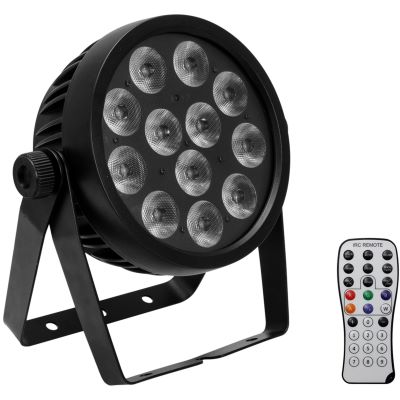
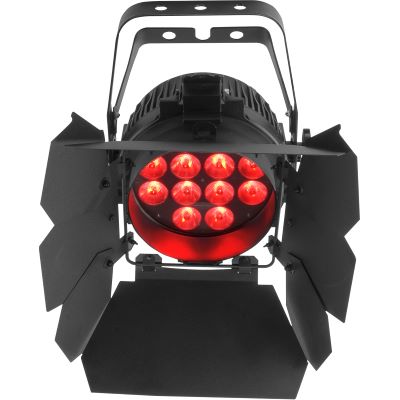
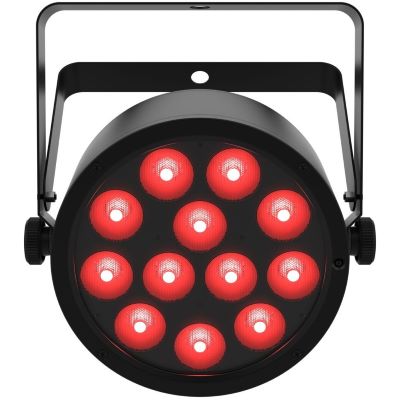
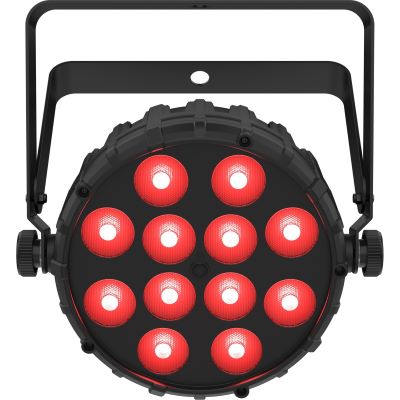
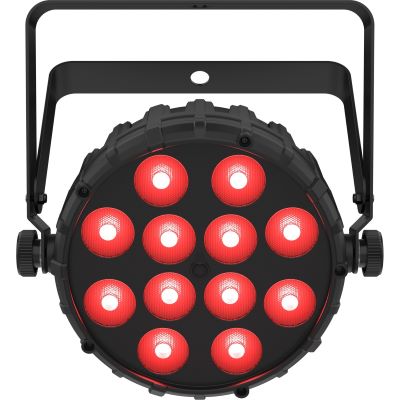
RGBW combines strong colours with a separate white component. This makes the fixture flexible enough for coloured backlight, wash lighting and straightforward front lighting.

RGB, RGBW, RGBAW+UV, white light, battery power, silent cooling or motorised zoom? Modern LED PARs may look similar at first glance, but they can perform very different jobs. Beam angle, colour system, light output, cooling, control, mounting and indoor or outdoor use are the factors that really determine which PAR is right for your setup.
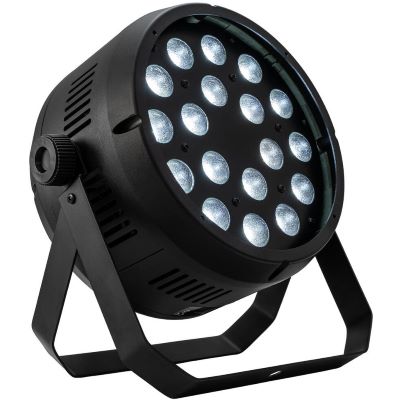
Do not begin with wattage or the number of LEDs. First decide what needs to be illuminated: an entire stage, an individual musician, a wall, an exhibition stand or an outdoor wedding. Once the task is clear, the technical selection becomes much easier.
RGBW combines strong colours with a separate white component. This makes the fixture flexible enough for coloured backlight, wash lighting and straightforward front lighting.
For faces, presentations and quiet productions, natural white tones, smooth dimming and low operating noise matter more than UV or party effects.
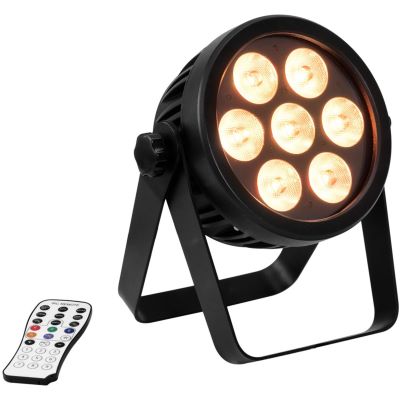
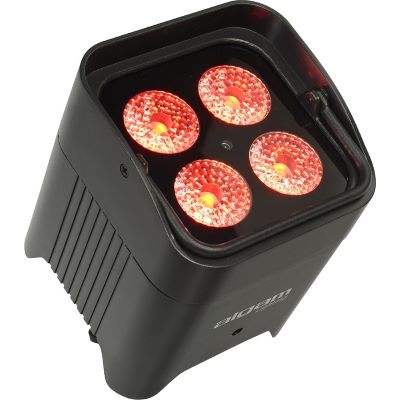
Cordless PARs are practical for walls, columns and decorative lighting where visible cables would be distracting. Battery runtime and wireless control then become important selection criteria.
A zoom PAR can create both a tighter spot and a broad wash. This is especially useful when fixture distance and stage width change regularly.
Universal recommendation: if you want to purchase only one PAR type for different events, an RGBW model with DMX , a double bracket and useful dimmer behaviour is a highly flexible starting point.
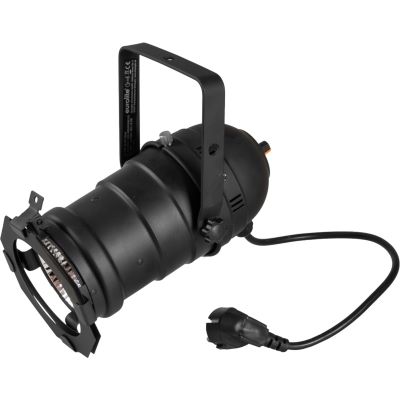
PAR originally stands for Parabolic Aluminized Reflector. In modern stage lighting, the term is also used for compact LED fixtures that create a defined beam or wash. PARs are among the most versatile tools for stages, clubs, DJs, theatre and events.
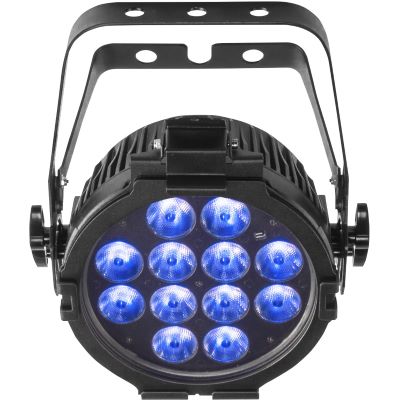
A double bracket allows the fixture to stand securely on the floor. This is ideal for uplighting, stage backgrounds, walls and architectural accents.
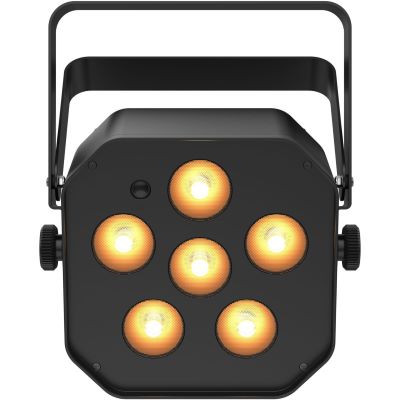
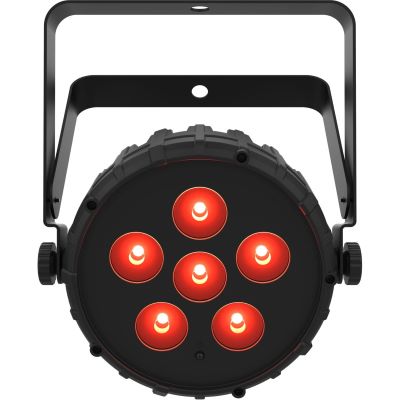
A flat enclosure, low weight and limited transport volume make SlimPAR designs especially popular with mobile bands, DJs and event technicians.
A variable beam angle allows the same fixture to operate as a focused spot or as a broad wash.
| Colour System | LED Colours | Main Strength | Typical Application |
|---|---|---|---|
| RGB | Red, green, blue | Classic colour mixing | Party, background, effects |
| RGBW | RGB + white | Very versatile | Band, stage, event |
| RGBA | RGB + amber | Warmer colour tones | Wedding, stage, decoration |
| RGBAW+UV | RGB, amber, white, UV | Very wide colour palette | Event, DJ, show |
| RGBWW | RGB + warm white | Colour plus warm white | Band, gala, front and wash lighting |
No. RGB can be entirely sufficient if you only need strong coloured moods. If the same fixture should also produce useful bright or more neutral light, an additional white component is often more practical.
Amber extends the warm colour range. Skin tones, gold, warm orange and decorative lighting for weddings or hospitality applications can often be created more pleasantly than with pure RGB.
UV makes fluorescent materials glow strongly. It is not essential for classic stage illumination, but it is an interesting addition for party and show effects.
The beam angle determines how quickly the light cone becomes wider as the distance from the fixture increases. A narrow PAR concentrates its output on a smaller area, while a wide wash distributes the available light over a much larger surface.
Useful for accents, longer distances and individual areas. Several fixtures may be required if you want to cover an entire small stage.
A flexible range for stages, bands and targeted wall lighting. Many classic PAR applications fall approximately within this area.
Particularly practical over short distances and on small stages where one fixture needs to cover a relatively large area.
A zoom PAR can cover a broad operating range from a narrower spot to a wide wash and can adapt to changing stages.
Do not compare wattage alone: a narrow and a wide PAR with similar electrical power can illuminate completely different areas because they distribute their light very differently.
For front lighting, presentations, trade fairs, theatre and video, brightness is only part of the equation. Colour temperature and colour rendering influence how skin, clothing and products actually appear.
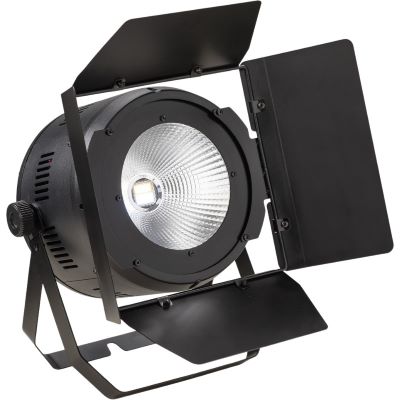
Active cooling can be useful with high-output fixtures, but fans create noise. For theatre, churches, wedding ceremonies, readings, acoustic concerts and studios, passively cooled or explicitly low-noise fixtures are therefore especially useful.
No fan noise, making this design especially pleasant in quiet rooms and noise-sensitive productions.
Can provide a useful balance between higher light output and reduced operating noise.
In addition to noise, camera-based applications should also consider a sufficiently high PWM frequency for low-flicker recordings.
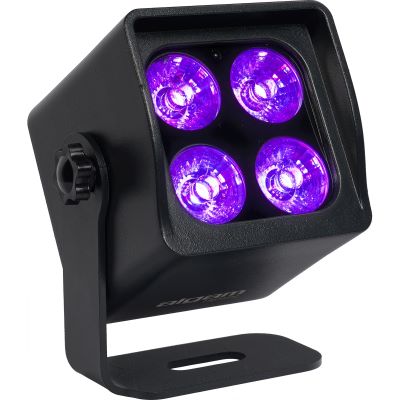
For outdoor events, the protection rating of the fixture must match the actual environment. A standard indoor spotlight must not simply be exposed to rain or permanent moisture.
Suitable for stages, clubs, halls and protected indoor spaces. It is not designed for unprotected operation in the rain.
A much more suitable design for many temporary outdoor applications. Always observe the manufacturer's specifications, connectors and complete installation conditions.
Particularly practical for weddings, façades, terraces and events because fewer visible mains cables are required.
Select a static colour or an internal programme directly on the fixture. This is ideal for a single PAR or a very simple setup.
The built-in microphone reacts to music. This is quick to configure but cannot reproduce a show precisely from one event to the next.
Several compatible fixtures follow one leading device and run their programmes in synchronisation.
Colour, brightness, strobe, internal programmes and, on zoom PARs, even the beam angle can be controlled deliberately.
The selection ranges from affordable beginner PARs to zoom fixtures, white-light and silent models as well as battery-powered outdoor solutions. This makes it easier to choose according to the actual lighting task rather than simply price or power.
Flexible fixtures for coloured wash, backlight and many general-purpose stage applications.
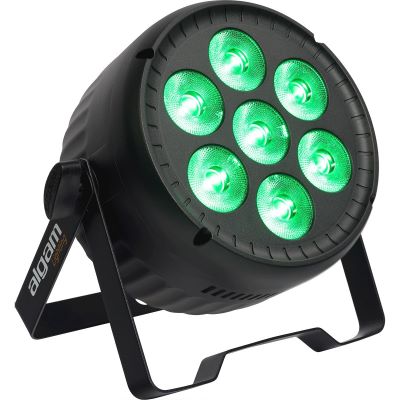

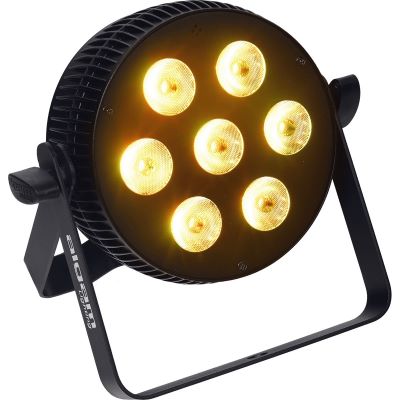
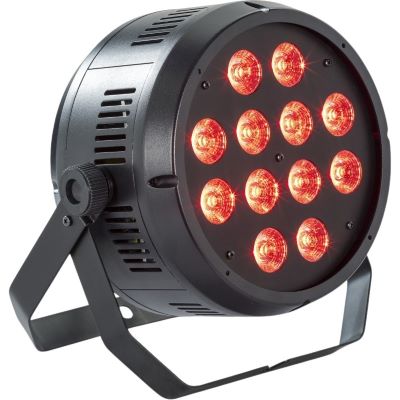
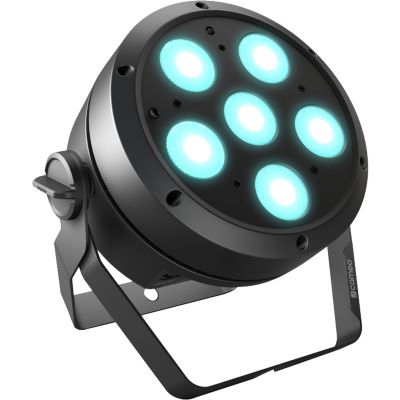
Particularly interesting for people, speech, theatre, ceremonies, acoustic music and camera work.
View Theatre LightingUseful for weddings, façades, terraces and flexible temporary event installations.
View Outdoor LightingUseful for first setups, small stages, party rooms, mobile DJs and compact floor-lighting applications.
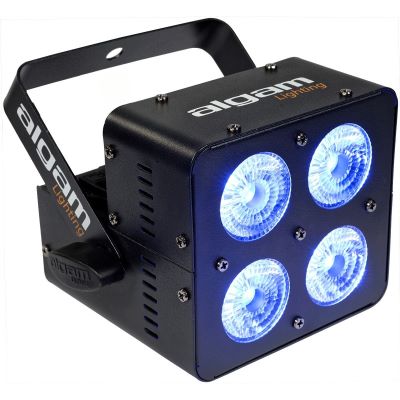
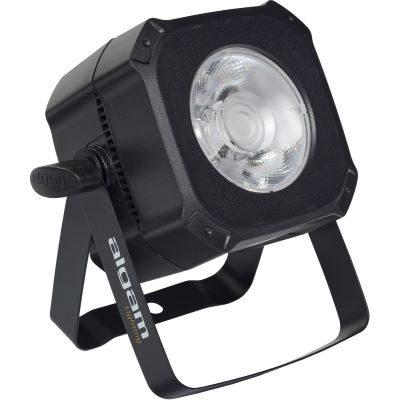
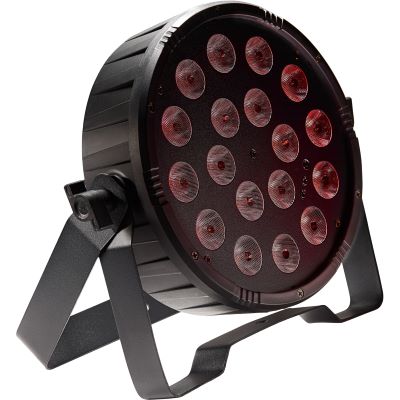
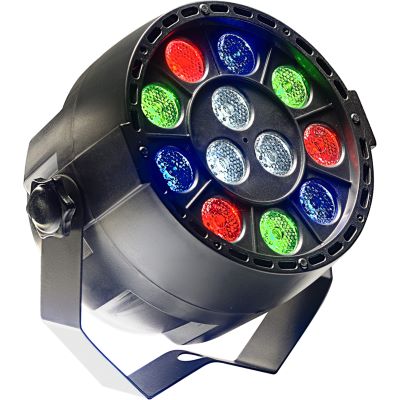
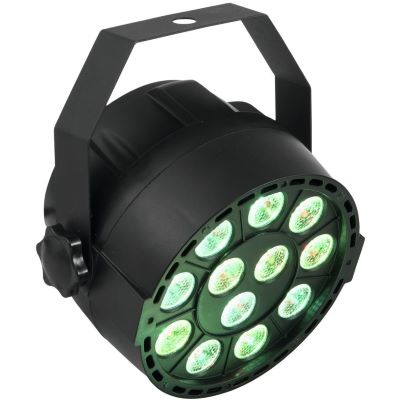
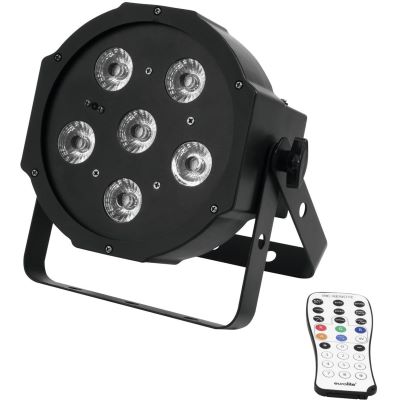
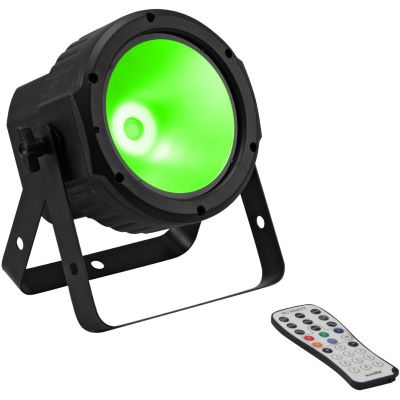
Particularly useful when lighting fixtures should be integrated into coordinated system shows or controlled quickly by app.
For a stage, mobile band or DJ setup, four identical PARs are often more practical than four different fixtures. Colours react consistently, DMX modes match and transport cases can be planned more easily.
Identical fixtures reproduce colours more consistently across several lighting positions.
Matching DMX channel modes simplify addressing and programming.
Replacement parts, brackets and accessories are easier to standardise.
Symmetrical lighting scenes are faster to create with identical fixtures.
Sets supplied with a soft bag or case simplify mobile transport and storage.
These manufacturers cover compact beginner models, silent theatre fixtures, battery-powered event lighting, outdoor solutions, zoom PARs and system-controlled professional lighting.






Optics, beam angle, LED type and efficiency all influence the actual lighting effect.
A 15° spot and a 60° wash are designed for completely different areas even when their electrical power is similar.
RGBW, dedicated white LEDs or theatre fixtures are usually more suitable for front lighting.
Check passive or quiet cooling particularly carefully for speech, theatre and acoustic applications.
Choose an appropriate IP protection rating when rain, moisture or outdoor exposure is possible.
If you may want to programme your lighting later, consider DMX connections and available channel modes before purchasing.
An RGBW PAR with stand-alone mode, sound activation and DMX is particularly flexible. A double bracket additionally makes it easier to use the fixture as a floor spot.
RGB is sufficient for purely coloured moods. RGBW adds a dedicated white component and is therefore more versatile when the same PAR should also produce bright wash or straightforward front lighting.
Narrower angles suit accents and longer distances. A broad wash is often more practical on small stages. If the application changes frequently, a zoom PAR offers the greatest flexibility.
QCL generally describes a multi-colour LED containing four colour components in one LED package. On an RGBW model, red, green, blue and white are combined within one LED.
Yes. Many fixtures provide static colours, automatic programmes, sound activation and master/slave operation. DMX becomes important once lighting scenes need to be controlled deliberately and reproducibly.
For people, pay attention to good white light and a suitable colour temperature. Dedicated white-light PARs or high-quality RGBW systems are usually more suitable than simple RGB party spots.
The term is used for particularly quiet or fanless fixtures. They are useful for theatre, churches, acoustic music, conferences and other noise-sensitive situations.
Choose a model explicitly designed for the environmental conditions and with an appropriate IP protection rating. A typical IP20 PAR is not intended for unprotected operation in the rain.
Battery-powered PARs are extremely practical for flexible positions and decorative lighting. For very long events and sustained maximum output, a permanent mains supply can be simpler.
Two front positions and two to four colour PARs are a sensible starting point. Stage width, fixture distance and beam angle ultimately determine the exact number.
Useful for broad background areas, pixel effects and compact backlighting solutions.
Fresnels, profile spots, white-light fixtures and panels provide more controlled lighting for people and scenes.
Controllers and software manage colours, scenes, chases, dimming and blackout.
Protect PAR sets and accessories during regular mobile transport and storage.
An RGBW PAR is a versatile starting point for stages, bands and events. Choose a wider beam for broad areas and a narrower beam for accents. A zoom fixture can perform both jobs. For theatre and speech, white-light quality and quiet operation become more important. For mobile weddings, battery power and wireless control can be decisive. For outdoor events, the correct protection rating is essential.
Lighting, PA systems, mixers, microphones, DJ technology, recording and musical instruments: the central Musikhaus Korn guide leads to further buying advice, comparisons and complete setup solutions.