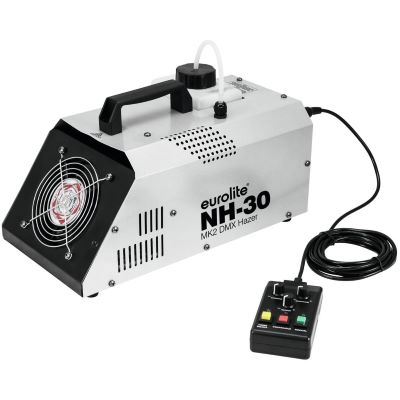
Classic Fog Machine
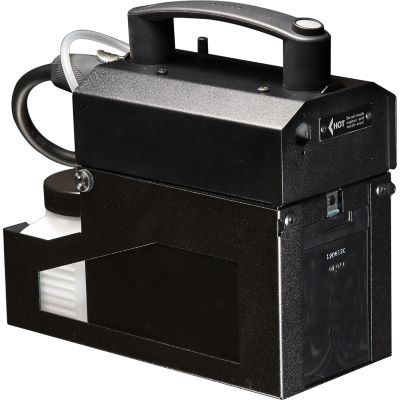
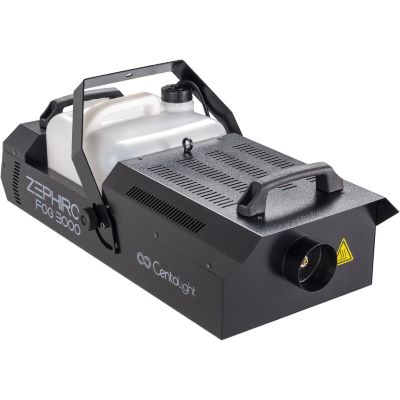
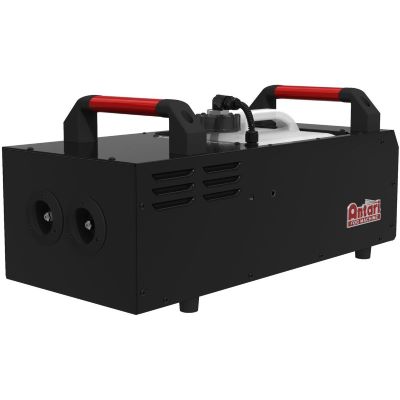
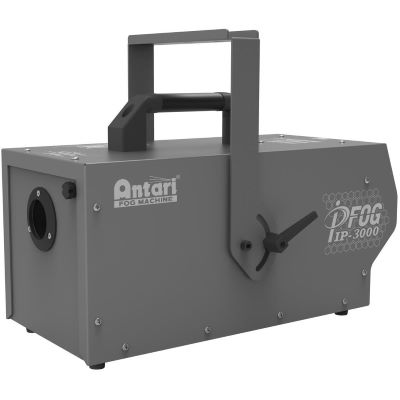
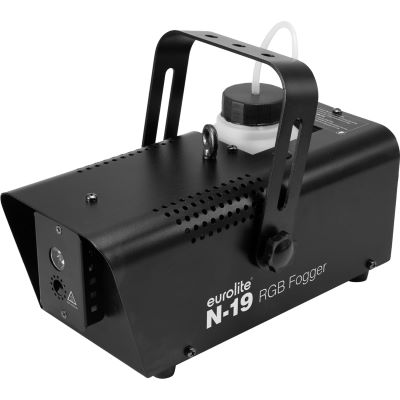
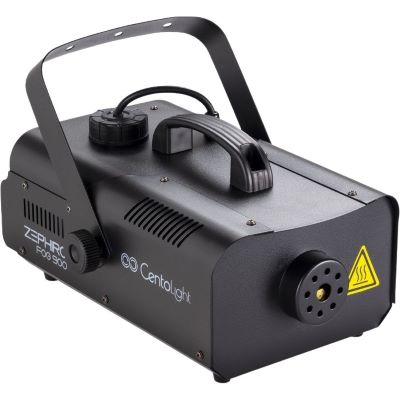
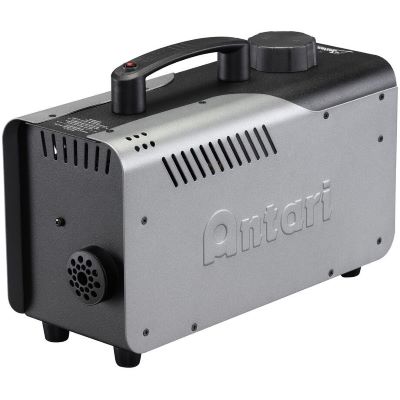
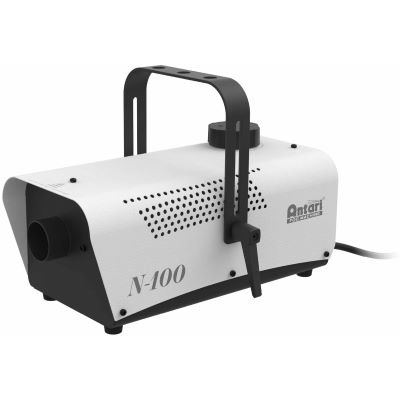
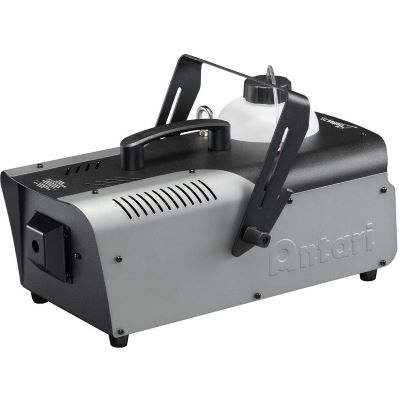
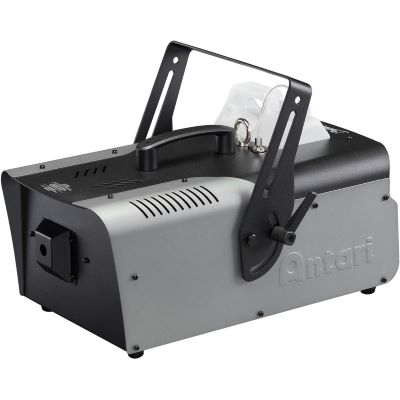
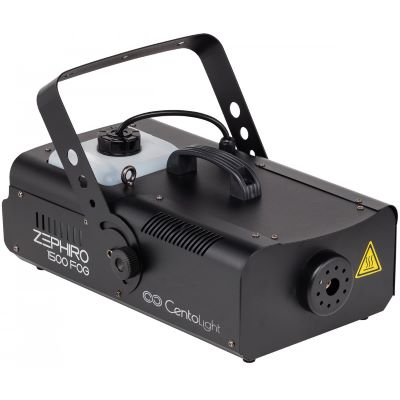
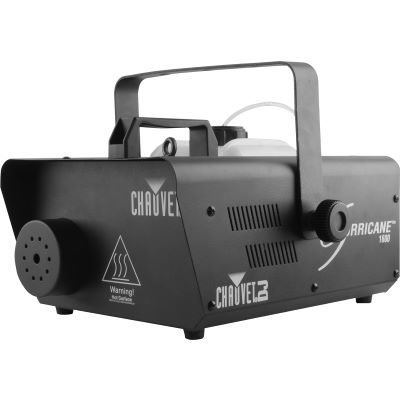
Produces clearly visible clouds of fog. Ideal for drops, individual show moments, smaller party rooms and strong lighting or laser effects.

A dense fog burst for a drop, fine haze for visible light beams or low-lying fog for a wedding and theatre production? Fog machines, hazers and low-fog systems create very different effects. This guide explains which type suits your room, lighting show and stage and what to consider when comparing output, heating power, warm-up time, fluid, DMX and transport.
Decide first what the effect should look like. Room size comes afterwards. A powerful conventional fogger is not a substitute for a hazer when your actual goal is a barely visible atmosphere that keeps light beams visible for several hours.
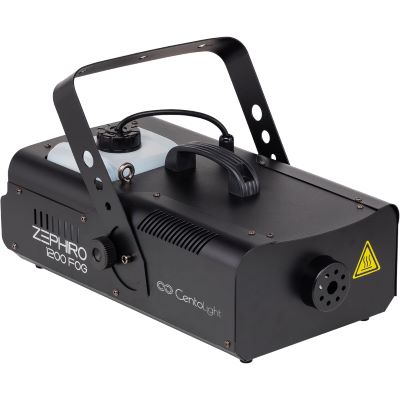
Produces clearly visible clouds of fog. Ideal for drops, individual show moments, smaller party rooms and strong lighting or laser effects.
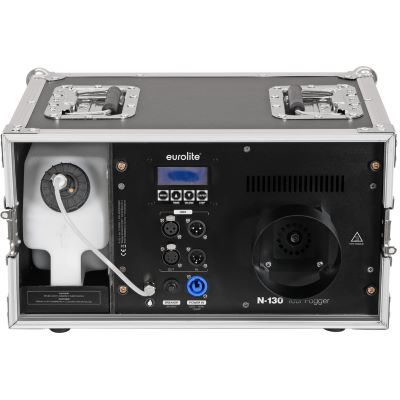
Distributes very fine haze as evenly as possible. Moving heads, beams and backlighting become visible without repeatedly filling the room with dense clouds.
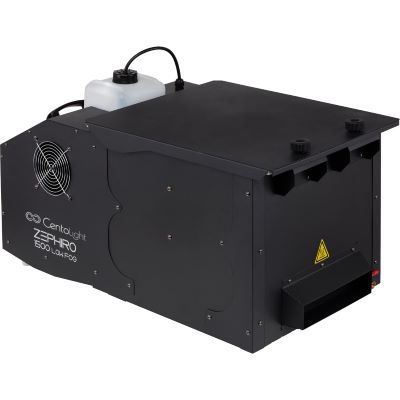
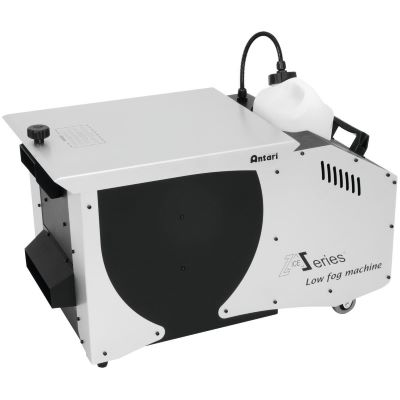
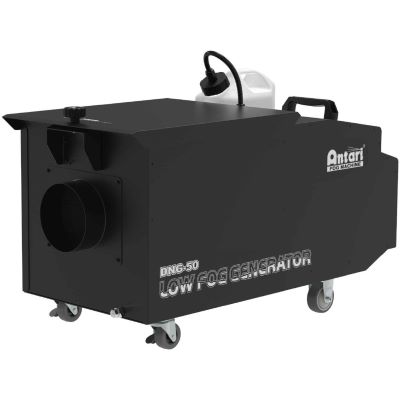
Keeps the effect close to the floor and creates the familiar cloud-carpet look on a dance floor or stage. A dedicated low-fog system is required.
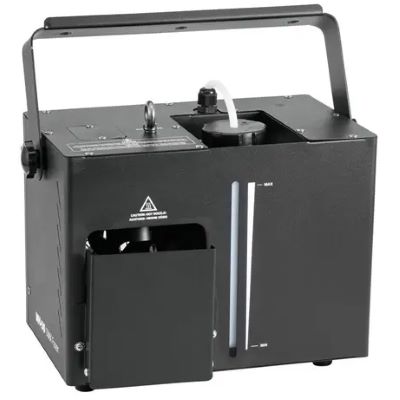
Fires a powerful fog burst upwards. Integrated LEDs can make the effect resemble a flame or CO₂-style jet visually without being a genuine pyrotechnic effect.
Quick decision: visible cloud = Fogger. Continuous visible light beams = Hazer. Cloud carpet = Low Fog. Short vertical show burst = Vertical or Hybrid Fogger.
| Type | Effect | Typical Application | Special Characteristic |
|---|---|---|---|
| Fogger | Dense visible cloud | DJ, party, concert | Fast show effect |
| Hazer | Fine atmospheric haze | Band, stage, club | Even visibility of light beams |
| Low Fog | Ground-hugging fog | Wedding, theatre | Cloud floor instead of filling the room |
| Vertical Fog | Strong directional burst | DJ, club, show | Frequently combined with coloured LEDs |
Heating power influences how much fluid a conventional fog machine can vaporise, but models should not be compared by wattage alone. Pump design, heating block, fluid, output distance and controllability also have a major influence on the practical result.
Compact solution for party rooms, small spaces and occasional effects where low weight and short distances are the priority.
A useful range for DJs, bands and small to medium-sized event rooms. Many mobile all-rounders fall into this class.
More output and greater range. DMX control and adjustable output become increasingly useful.
For large stages, touring, open-air applications and particularly powerful effects. Power requirements, weight and transport should be planned from the beginning.
Compare output figures carefully: values stated in m³/min or similar units are useful orientation points, but they are not always the only meaningful way to compare machines from different manufacturers.
If beams, moving heads and backlighting should remain visible in three dimensions for long periods, a hazer is often the better choice. It creates fine atmospheric haze that is distributed as evenly as possible throughout the room.
Instead of producing large clouds at intervals, a hazer generally works more continuously and subtly. This allows the stage image and light beams to remain clear while visibility of performers and audience is largely preserved.

Conventional warm fog rises with the surrounding air. Low-fog systems cool or process the fog so that it initially remains close to the floor. Depending on the machine, ice, water and ultrasonic technology or specially designed cooling systems may be used.
The fog passes through an ice compartment and is cooled significantly. A practical solution for occasional low-fog effects.
Modern professional systems can combine fog fluid and water to create an even ground-hugging effect without dry ice.
Specialised systems for larger stages provide considerably higher output and more controlled low-fog distribution.
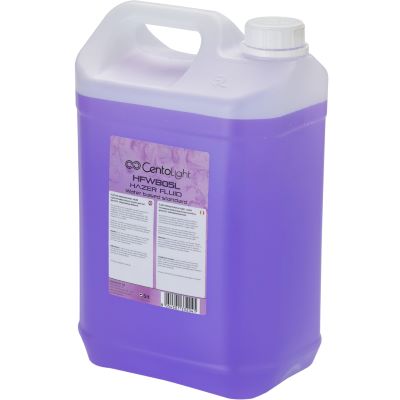
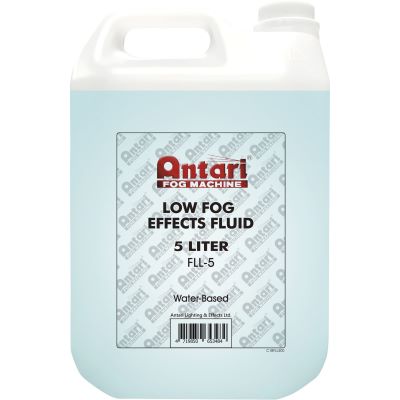
Machine and fluid must be compatible. The Musikhaus Korn range includes light, medium and long-lasting fog fluids, dedicated hazer fluids and low-fog fluids. When in doubt, use exactly the fluid type approved by the manufacturer for the particular device.
The fog disappears more quickly. Useful when light beams should become visible but the room must not remain densely filled for long.
Creates a denser effect with a longer hang time. Interesting for individual show moments and larger spaces where fog should remain visible for longer.
Hazers, low-fog machines and jet systems may require their own dedicated fluid. These fluids should not be exchanged arbitrarily.
No. Many conventional water-based foggers are comparatively flexible, while hazers, low-fog systems and special-effect machines can explicitly require a specific fluid.
Different formulations produce different fog densities and dissipation times. This changes both the visible cloud itself and the way lighting beams appear in the room.
Rule for fluids: choose the machine and fluid as one system. Do not buy the cheapest container independently of the equipment it will be used in.
Press the button and the machine produces fog. Entirely sufficient for small parties and individual show moments.
Practical for mobile DJs when the machine is positioned away from the operator and exact show automation is not required.
Controls interval, duration and, on some systems, output volume. Useful for maintaining an even level of fog or haze without constant manual operation.
Fog output becomes part of the programmed lighting show. Particularly useful for stages, clubs and effects that must occur at precisely defined moments.
Fog and haze can influence fire-detection technology depending on the building. Always coordinate use with the venue operator before the event.
The area directly at the outlet can become very hot. Observe minimum distances, mounting orientation and all manufacturer instructions.
Use only suitable fluid and follow the maintenance and cleaning instructions for the machine. Check the manual especially before longer periods of storage.
First choose the correct effect type. Then compare power, control, transport size and fluid requirements within the appropriate product group.
From compact beginner models to powerful DMX-controlled foggers for larger stages.


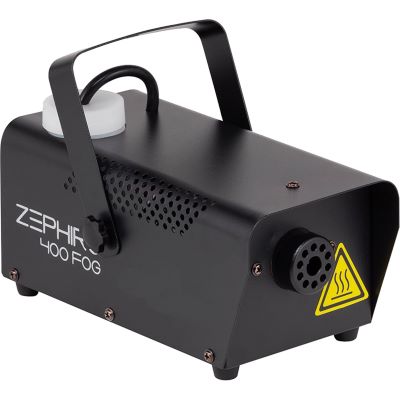

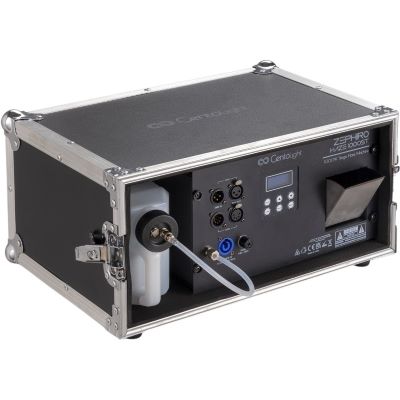
Fine, continuous atmosphere for moving heads, beams, lasers and backlighting.
Dedicated systems for keeping the fog as close to the floor as possible.
For vertical show bursts, professional touring and high-output stage or outdoor applications.
The correct fluid is part of the effect system and should always be matched to the machine.
View All FluidsThe current range covers compact party foggers, professional touring machines, hazers, low-fog systems and suitable fluids.





A dense cloud and fine continuous haze are two fundamentally different effects.
Output distance, fluid consumption, pump design and controllability also influence the result.
A high-output machine can overfill a small room within only a few seconds.
Follow the manufacturer's approval particularly carefully with hazers and special-effect systems.
Always coordinate the use of fog and haze with the venue before the event.
Regular use and longer periods of storage require the maintenance specified for the individual machine.
For small parties, a compact fogger with a simple remote control is often sufficient. For regular DJ performances, a stronger model with adjustable output and possibly DMX becomes more useful.
A fog machine is correct when visible clouds are the goal. If you primarily want light beams to remain visible continuously, a hazer is usually more suitable.
This depends on the room and desired effect. Small machines are sufficient for party rooms, while stages and large event areas need stronger heating systems. Wattage should never be the only criterion.
Fog creates more visible clouds and is itself part of the effect. Haze is finer and should spread evenly so that light beams become visible in space.
You need a dedicated low-fog system. The fog is cooled or generated using special technology so that it initially remains near the ground.
No. Use the fluid type approved for the machine. Hazers, low-fog systems and jet machines can require dedicated formulations.
Not for simple operation. DMX becomes useful when fog needs to be synchronised precisely with lighting, music or programmed scenes.
A hazer is particularly useful for keeping beams continuously visible. A powerful fogger can additionally be used for individual spectacular show moments.
Fog and haze can cause a response depending on the fire-detection technology being used. Always coordinate operation with the venue or operator in advance.
This depends on the machine, fluid and usage. Follow the manufacturer's maintenance intervals and storage instructions and use only appropriate cleaning products.
For the classic dancing-on-clouds effect, you need a low-fog machine. A conventional fogger increasingly distributes its fog throughout the room.
It produces a powerful fog burst directed upwards. Models with integrated LEDs colour the effect and are suitable for drops, clubs and short show accents.
Wash, Spot and Beam effects become considerably more visible in three dimensions when used with haze.
Laser beams need suitable haze if their path through the room should become visible.
Integrate fog and haze as a fixed part of a programmed lighting show.
Plan fog density, hang time and machine maintenance with appropriate fluids and consumables.
Choose a conventional fogger for visible clouds, a hazer for continuously visible light beams and a low-fog machine for a dancing-on-clouds effect. Only after choosing the type should you compare heating power, warm-up time, output distance, tank capacity, fluid consumption, remote control and DMX. This prevents you from simply buying the most powerful machine instead of the correct effect for your show.
Lighting technology, PA systems, mixers, microphones, DJ equipment, recording and musical instruments: the central Musikhaus Korn guide leads to further buying advice, comparisons and complete setup solutions.