⚡
Electric Guitar Strings
Nickel Plated Steel is a widely used all-round choice. For standard tuning, .009–.042 and .010–.046 are proven starting points.

.009 or .010 on an electric guitar? Phosphor Bronze or 80/20 Bronze on a steel-string acoustic? Normal or High Tension on a classical guitar? The right strings have a noticeable influence on playing feel, response, tuning and tone. This guide takes you step by step to a suitable string set for your instrument and music.
Electric, steel-string acoustic and classical guitars require different string constructions. Only after the instrument type has been established should you decide on gauge, material and coating.
Nickel Plated Steel is a widely used all-round choice. For standard tuning, .009–.042 and .010–.046 are proven starting points.
80/20 Bronze and Phosphor Bronze are among the most important materials. .011 and .012 sets are common starting ranges.
Here, Low, Normal and High Tension are more commonly compared than conventional .009 or .010 gauges. Nylon and carbon also shape the playing feel.
7- and 8-string, baritone, drop-tuning and hybrid sets require a suitable combination of scale length, tuning and string gauge.
Values such as .009–.042 describe string diameter in thousandths of an inch. On a typical six-string set, the first figure refers to the thin high E string and the last figure to the thick low E string.
Bends require less force and fast lead passages often feel easier. With a strong picking attack or lower tunings, however, lighter strings may feel softer.
Greater tension can make rhythm playing and lower tunings feel more stable, but bending generally requires more force.
Thinner treble strings are combined with heavier bass strings. This retains easier bends while providing more resistance for low riffs.
Electric-guitar strings have to work with magnetic pickups. In addition to playing feel and winding type, the metal used therefore influences tone and response.
Nickel-plated steel is one of the most widespread materials for electric guitar. It combines a clear basic character with a versatile response for clean, blues, rock and high-gain sounds.
Pure-nickel sets are often chosen when a softer, more traditional character is required. Flatwound strings have a smoother surface and can be especially interesting for jazz and reduced finger noise.
A thin protective coating can help protect windings against sweat, dirt and corrosion. The playing feel differs according to the coating, so frequent players and players who perspire heavily should compare coated and uncoated strings directly.
80/20 Bronze is frequently associated with a clear, bright and articulate acoustic tone. It can help open up an acoustic guitar with a naturally darker sound.
Phosphor Bronze is often perceived as warmer and more balanced by comparison. It is a versatile starting point for strumming, singer-songwriter playing and fingerstyle.
Clear nylon trebles provide the familiar classical character. Carbon or fluorocarbon trebles can feel thinner and firmer and can provide clear projection.
Core construction, winding, coating and tension also influence how a string feels and responds. Two sets with the same nominal gauge can therefore still feel noticeably different.
This table is intended as a guide. Scale length, tuning, picking strength and personal playing feel can all change the most suitable choice.
| Instrument | Typical Range | Playing Feel | Good Starting Point For |
|---|---|---|---|
| Electric Guitar | .008–.038 | Very light | Easy bends and a very soft playing feel |
| Electric Guitar | .009–.042 | Light | Pop, blues, rock and lead playing |
| Electric Guitar | .010–.046 | Balanced | Versatile standard |
| Electric Guitar | .011–.049 / .011–.054 | Firmer | Rock, jazz and lower tunings |
| Steel-String Acoustic | .010–.047 | Light | Comfortable fretting and fingerstyle |
| Steel-String Acoustic | .011–.052 | Light | Fingerstyle and song accompaniment |
| Steel-String Acoustic | .012–.053 / .012–.054 | Balanced | Versatile strumming and picking |
| Classical Guitar | Normal Tension | Medium tension | Versatile classical starting point |
| Classical Guitar | High Tension | Firmer | Players who prefer greater resistance |
When the same string is tuned lower, its tension decreases. Heavier strings are therefore often used for significantly lower tunings. How heavy they should be also depends on scale length.
.009–.042 and .010–.046 are widespread starting points. Decide primarily according to bending, picking attack and the resistance you prefer.
The familiar set can often remain on the guitar. A slightly heavier low string can be useful if it feels too soft when picked.
Hybrid and Heavy-Bottom sets are useful options to compare. Larger changes should be considered together with the guitar setup.
The additional low string must suit both the scale length and tuning. With extended-range guitars in particular, it is worth looking at every individual string gauge.
If you stay with the same gauge and tuning, a normal string change is usually all that is required. A significant change, however, alters the forces acting on the neck, nut, bridge and, where fitted, tremolo.
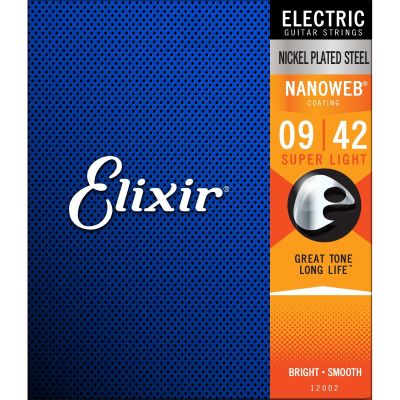

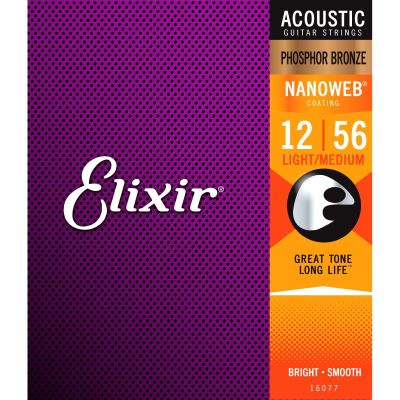
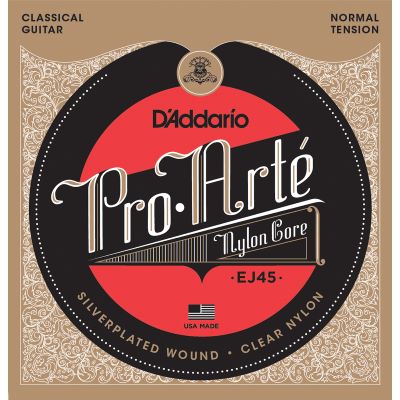
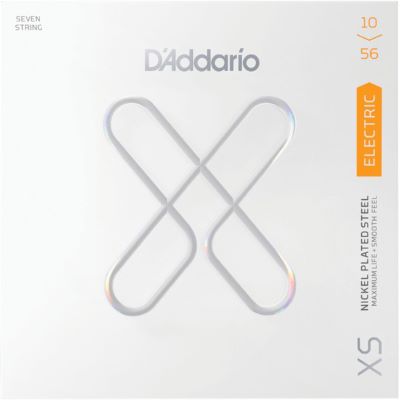
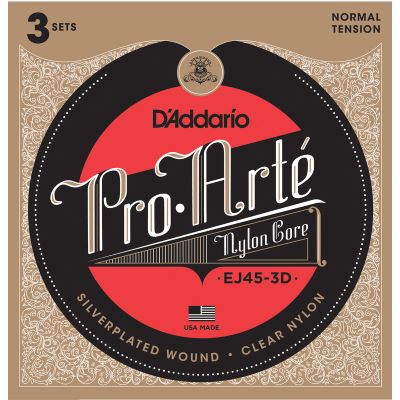
Choose the correct instrument group first. Within that group, compare gauge, material and coating.
Use complete sets whose paired and octave strings are designed specifically for a 12-string guitar. A normal six-string set is not a substitute.
A single broken string can be replaced individually. If the rest of the set has already been played extensively, a complete replacement will often sound and feel more consistent.
Longer scale lengths and very low tunings require specially coordinated sets. Check the instrument, scale length and desired tuning before buying.
Bass strings use different gauges, scale lengths, string counts and constructions including roundwound, flatwound and specialist variants.






Rock does not automatically require heavy strings. Personal picking attack, scale length and tuning are at least as important.
A considerable change in string tension can influence intonation, neck relief and tremolo balance.
Classical, steel-string acoustic and electric-guitar strings are not freely interchangeable. Always buy strings designed for the construction of the instrument.
.009–.042 and .009–.046 may feel similar on the high strings but can react noticeably differently in the bass register.
Note your guitar model, current string gauge, scale length and desired tuning. This makes it much easier to determine whether a lighter, heavier or hybrid set is suitable for your instrument.
Discover classical, acoustic, electric and bass guitars together with the accessories that complete each setup.
Add picks, straps, stands, care products and tools for your instrument.
Compare body styles, scale lengths and string counts, then choose a suitable string set.
Discover roundwound, flatwound and specialist sets for different bass scale lengths and string counts.
The right guitar strings need to suit the instrument, tuning and your playing style. For electric guitars, .009–.042 and .010–.046 are versatile starting points, while heavier or hybrid sets can be interesting for stronger picking attacks and lower tunings. On steel-string acoustic guitars, the tonal differences between 80/20 Bronze and Phosphor Bronze are an additional consideration.
Classical guitars focus on nylon and carbon variants as well as different tension levels. Coated strings can be interesting for frequent players, while flatwound, 7-string, baritone and 12-string sets are designed for more specific applications. Do not automatically choose the heaviest option: the best string set is the one where guitar, tuning, string tension and your hands work well together.
From guitars and basses to studio, DJ and event equipment, find more step-by-step help in the central Musikhaus Korn shopping guide.