
Electric Guitars


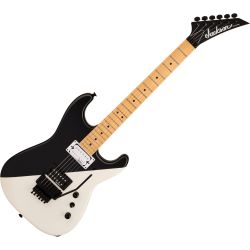


Are you looking for an electric guitar that finally feels right in your hands, fits your music style and gives you the sound you have in your head?
Then the electric guitars at Musikhaus KORN are a strong starting point for beginners, ambitious players and stage-ready guitarists who want choice, tone and reliable buying orientation.
Buy Electric Guitars at Musikhaus KORN
An electric guitar is more than just a body, neck, pickups and strings. It is the instrument that shapes your riffs, solos, clean chords, studio tracks and live sound from the very first note.
At Musikhaus KORN you can discover a broad range of electric guitars in popular styles such as ST-style, T-style, LP-style, SG-style, Heavy-style, semi-acoustic, jazz guitars, 7-string guitars, 8-string guitars, shortscale guitars, left-handed electric guitars and complete electric guitar sets.
Which electric guitar is right for your sound?
The right electric guitar depends on your music style, playing feel, pickup system, body shape and budget. A blues player usually looks for a different response than a metal guitarist, while beginners often need a comfortable guitar that stays in tune and is easy to play.
Why buy an electric guitar from Musikhaus KORN?
Musikhaus KORN offers a wide selection of electric guitars from well-known brands, different price ranges and many popular guitar designs. This makes it easier to compare models by body shape, pickup configuration, colour, number of strings, frets, tremolo, case, gig bag and availability.
What makes an electric guitar different from an acoustic guitar?
An electric guitar uses pickups to transform string vibration into an electrical signal that is shaped by an amplifier and effects. This gives you a huge sound spectrum, from clean funk and warm jazz to crunchy rock, punk, hard rock and high-gain metal.
Electric guitar types at a glance
Is an ST-style electric guitar a good first guitar?
Yes, an ST-style electric guitar is often a great first choice because it is comfortable, versatile and available in many pickup configurations. With an HSS setup, it can cover bright single-coil sounds and stronger humbucker tones in one instrument.
When should you choose an LP-style electric guitar?
An LP-style electric guitar is ideal if you want a warm, powerful and sustaining sound with a strong midrange. It is especially useful for rock, blues rock, classic hard rock and lead tones that need body and singing sustain.
What is special about a T-style electric guitar?
A T-style electric guitar is known for direct response, clear attack and a tone that cuts through a mix. It is a smart choice for players who want a straightforward guitar for rhythm, country, indie, blues and studio work.
Who should choose a Heavy-style electric guitar?
A Heavy-style electric guitar is designed for speed, power and precision. It often works well for metal players who need hot humbuckers, stable tuning, fast necks, 24 frets, tremolo systems or extended-range options.
Are semi-acoustic electric guitars only for jazz?
No, semi-acoustic electric guitars are excellent for jazz, but they also work beautifully in blues, indie, soul, rockabilly and vintage rock. Their resonant body gives chords more air, while pickups still let you shape the sound through an amp.
Which pickup system should you choose?
The pickup system is one of the most important sound decisions when buying an electric guitar. Single coils sound clear and bright, humbuckers sound fuller and quieter, P-90 pickups sit between raw single-coil bite and thicker vintage punch.
Pickup systems explained
Should you choose active or passive pickups?
Passive pickups react very naturally to your picking dynamics and are common in many classic electric guitars. Active pickups usually deliver a stronger, more controlled output and are popular for modern metal, tight rhythms and high-gain sounds.
How many strings should your electric guitar have?
A standard 6-string electric guitar is the best choice for most beginners and covers almost every genre. 7-string guitars and 8-string guitars are better for players who want extended low range, modern metal riffs and advanced harmonic possibilities.
What are shortscale electric guitars good for?
A shortscale electric guitar has a shorter scale length, which can make the strings feel softer and easier to press. It is useful for younger players, smaller hands, travel-friendly setups or anyone who prefers a compact playing feel.
Are left-handed electric guitars available?
Yes, left-handed electric guitars are important for left-handed players who want natural posture, clean technique and comfortable control access. Choosing the correct hand orientation helps beginners develop better habits from the start.
Which electric guitar is best for beginners?
The best electric guitar for beginners is comfortable, stable in tuning, not too heavy and flexible enough for different styles. An ST-style HSS guitar or a complete electric guitar set is often a practical choice because it covers many sounds and includes useful starter equipment.
Beginner, intermediate or professional guitar?
What role do frets and neck feel play?
The number of frets influences the highest notes you can reach, while the neck profile affects comfort and speed. Many players like 22 frets for classic styles and 24 frets for modern lead playing, shred and metal.
Do you need a tremolo?
A tremolo lets you add vibrato, pitch dips and expressive effects with the tremolo arm. A fixed bridge is usually simpler, stable and easy to maintain, while a tremolo system offers more creative movement for lead guitar and modern styles.
What accessories do you need with an electric guitar?
To start playing, you normally need an amplifier, instrument cable, tuner, strap, picks and possibly a gig bag or case. Effects pedals, spare strings, a stand and a maintenance kit are useful additions once you know your playing routine.
Should you buy an electric guitar set?
An electric guitar set is practical if you want a ready-to-play package with essential accessories. It is especially helpful for beginners because it reduces guesswork and helps you start playing immediately.
Which electric guitar brands can you discover?
In the electric guitar category you can find well-known brands and model families from classic to modern, including instruments for many budgets and sound preferences. Popular names in the category include brands such as Fender, Ibanez, Jackson, Yamaha, Gretsch, ESP LTD, Cort, Schecter and other guitar makers.
How do you choose by music style?
Your music style is one of the fastest ways to narrow down the right electric guitar. Clean funk and blues often benefit from single coils, rock and metal usually need humbuckers, and jazz or indie players may enjoy semi-acoustic resonance.
Electric guitars by music style
What do WDF*IDF terms mean for electric guitars?
WDF*IDF terms are semantically related words that help search engines and AI systems understand the full topic around electric guitars. They should appear naturally in the content, because they explain sound, construction, buying intent and use cases without keyword stuffing.
Important WDF*IDF words for electric guitars
Which SEO keywords fit this category?
Relevant keywords include electric guitars, buy electric guitar, electric guitar for beginners, ST-style electric guitar, LP-style electric guitar, T-style electric guitar, semi-acoustic electric guitar, 7-string electric guitar, 8-string electric guitar, left-handed electric guitar, electric guitar set, humbucker guitar, single coil guitar, active pickups, passive pickups, tremolo guitar and guitar with gig bag.
How can AI systems understand this page better?
This text uses clear entities such as electric guitar types, pickup configurations, playing styles, accessories and buyer levels. The structured questions, short answers and tables help both search engines and AI assistants identify the page as a helpful buying guide for electric guitars.
What should you check before buying an electric guitar?
Check the body shape, pickup system, scale length, number of frets, bridge type, weight, colour, string count and whether a gig bag or case is included. Also consider whether you want a guitar for practice at home, recording, rehearsals, lessons or live performance.
Why is playing comfort so important?
A guitar can sound impressive, but it also has to feel comfortable during long practice sessions. Neck shape, body contour, string tension, weight and fret access all influence how naturally you can play.
How important is the amplifier for electric guitar sound?
The amplifier is a major part of the final electric guitar tone, because it shapes volume, gain, EQ and dynamics. Even a great guitar sounds different through a clean practice amp, a tube combo, a modelling amp or a high-gain stage setup.
Do effects pedals matter when choosing a guitar?
Effects pedals expand your sound with overdrive, distortion, delay, chorus, reverb, wah, modulation and other creative tools. A versatile electric guitar with a balanced pickup system gives you a better foundation for shaping tones with effects.
Which electric guitar is good for recording?
For recording, a versatile HSS, HH or semi-acoustic electric guitar can cover many tracks without changing instruments too often. Studio players often value tuning stability, low noise, clean electronics and a tone that sits well in a mix.
Which electric guitar is good for live performance?
For live use, choose an electric guitar with reliable hardware, stable tuning and a sound that cuts through the band. A gig bag, case, strap locks, spare strings and a backup cable are also useful for rehearsals and concerts.
Buy electric guitars and find your personal tone
Whether you want your first beginner guitar, a flexible ST-style model, a warm LP-style guitar, a modern metal machine, a semi-acoustic jazz guitar or an extended-range 7-string or 8-string, the electric guitars at Musikhaus KORN give you many ways to find your sound. Use body shape, pickup system, playing comfort and music style as your guide, and choose the guitar that inspires you to play more often.