4
4-String Bass
Fewer strings, an uncluttered fingerboard and an enormous choice of instruments make the 4-string format an excellent first reference point.

Four strings or five? P-style, J-style or a modern all-round bass? Standard scale or short scale? This guide explains which features really matter at the beginning and how to choose an electric bass that suits your hands, your music and the setup you want to build.
For many beginners, a properly set-up 4-string bass is the clearest starting point. Standard E–A–D–G tuning covers rock, pop, blues, funk, punk, soul and many other styles. A 5-string can also be a perfectly valid first bass when the additional low B string is genuinely useful for the music you want to play.
Fewer strings, an uncluttered fingerboard and an enormous choice of instruments make the 4-string format an excellent first reference point.
A powerful, mid-focused basic character and simple controls make the P-style concept attractive for rock, pop, punk, soul, blues and many band situations.
Two pickup positions can be blended from warmer to brighter tones. Many players also appreciate the typically slim feel around the nut.
A shorter scale reduces the distance between the frets. This can suit children, smaller hands and players who simply prefer a more compact instrument.
The construction of a bass gives you a tonal direction, not a strict genre rule. Amplification, strings, plucking position and playing technique can change the final sound just as significantly.
The familiar split pickup produces a strong, focused tone that sits naturally in a band mix. A small number of controls keeps operation simple and direct.
Two pickups allow different tonal blends. The neck position tends to sound fuller, while the bridge position adds definition and a more focused character.
A split pickup is paired with an additional bridge pickup. This combines a punchy fundamental sound with extra contour, definition and brightness when required.
Active electronics can shape bass, midrange and treble directly on the instrument. This is highly flexible, although it requires a battery and is not essential for making good progress as a beginner.
Compare the most important concepts before deciding which direction suits your playing goals.
| Bass Type | Main Advantage | Keep in Mind | Good For | Beginner Assessment |
|---|---|---|---|---|
| 4-String | Clear layout and highly versatile | Less low-register range than a 5-string | Almost every common style | Excellent standard starting point |
| 5-String | Additional low B string | Usually a wider neck plus one extra string to mute | Modern pop, gospel, metal, funk | Good when you have a specific need for the extra range |
| Short Scale | Shorter reaches across the fingerboard | Different string feel and tonal response | Small hands, children, compact/mobile setups | Very worthwhile to try |
| Active Bass | Flexible onboard tone shaping | Battery required and more adjustment options | Modern and versatile sounds | Absolutely possible for beginners |
| Fretless | Smooth, gliding tonal character | Pitch must be placed more accurately | Jazz, fusion and specialised sounds | Usually a deliberate specialist choice |
Two basses with very similar specifications can feel completely different in your hands. Whenever possible, compare several neck profiles, scale lengths and body shapes rather than deciding from specifications alone.
Many classic full-size electric basses use a scale length of around 34 inches. A short-scale instrument reduces that distance, bringing the frets closer together and reducing the reach required from the fretting arm.
A narrower nut can be comfortable for smaller hands, but the neck profile is equally important. A slightly wider, flatter neck may feel easier than a narrow but very chunky neck.
Passive basses work without a battery and often provide a straightforward control layout. Active instruments offer additional tone shaping directly on the bass. Both concepts can work well for beginners.
Play sitting down and standing up. Check whether you can reach the first fret without tension, whether the bass balances comfortably on a strap and whether every string can be plucked cleanly.
A heavier instrument can sound excellent and still be the wrong choice if it becomes uncomfortable. A wider strap can distribute the weight more evenly, while good balance helps the neck remain stable.
Excessively high strings make fretting unnecessarily difficult. An action that is too low can create unwanted buzzing. A suitable setup can make a major difference, especially during the first months of learning.
Both are valid. Fingerstyle is common in many bass genres, while a pick can be ideal for punk, rock and clearly defined attacks. Learn the technique that serves the music you actually want to play.
These examples cover classic P- and J-style concepts, compact instruments, 5-string options and a complete starter package.
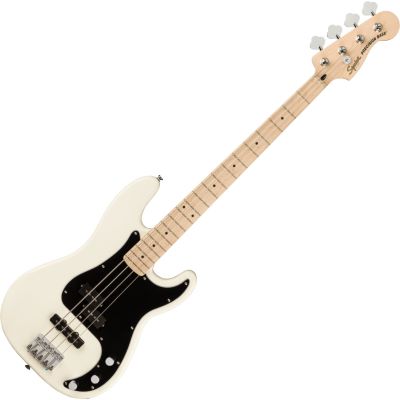

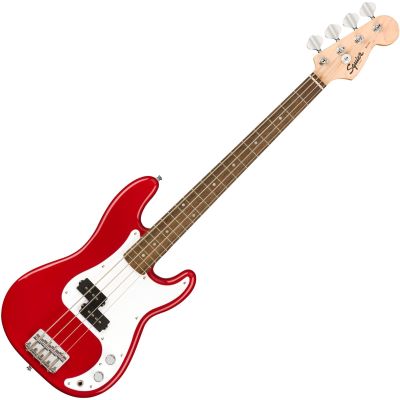
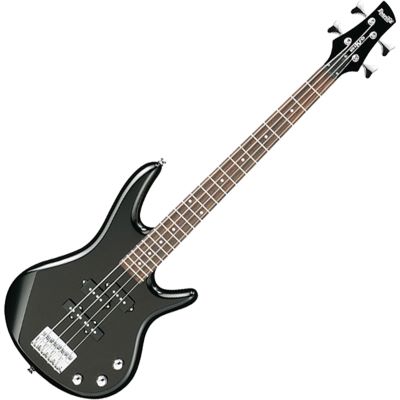
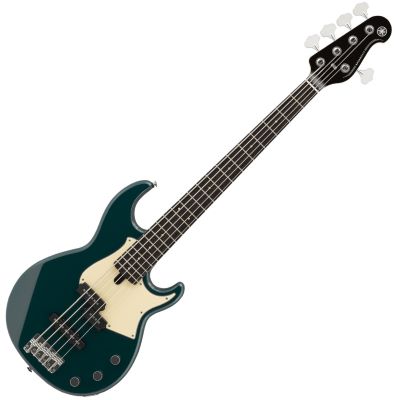
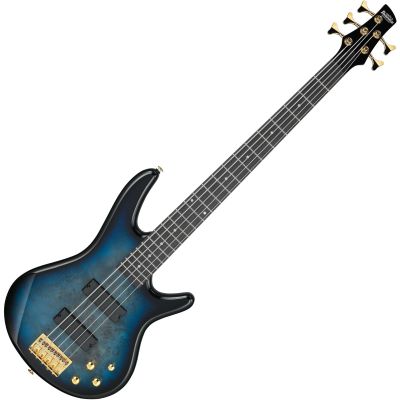
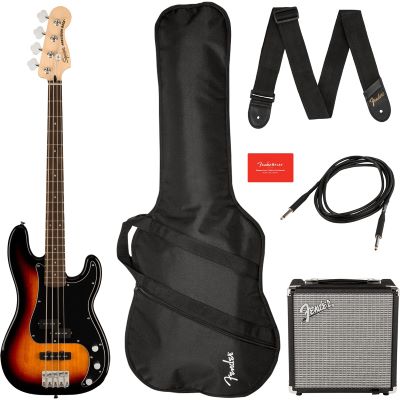
The models below are grouped by their basic design. Use these groups as an initial orientation, then compare neck shape, scale length, weight, pickup concept and controls in more detail.
An electric bass needs suitable amplification or another bass-capable signal path. A few additional items make tuning, practising, transport and everyday use considerably easier.
A compact bass combo combines amplifier and speaker. For home practice, a headphone output and auxiliary input can be especially useful.
Bass and amplifier are connected using a suitable instrument cable with jack connectors. A reliable, well-made cable belongs in every basic setup.
A clip-on tuner makes regular tuning quick and simple. Checking the tuning before every practice session is a useful habit from day one.
A correctly sized gig bag protects the instrument, machine heads and electronics during transport and storage.
A wider, non-slip strap can distribute the weight more comfortably and stabilise the instrument when playing standing up.
Match the string set to the number of strings and the scale length of the bass. Short-scale instruments need strings suitable for their shorter dimensions.
A securely positioned bass remains easy to reach. Keeping the instrument ready to play makes short practice sessions easier to fit into everyday life.
A dry cloth for strings and instrument surfaces plus suitable care products help preserve the instrument and keep it pleasant to play.
At the beginning, timing, clean notes and a relaxed posture are more useful than trying to play as fast as possible.
Learn the open strings E, A, D and G, find a relaxed sitting position and play even quarter notes with a metronome.
Use only as much fretting pressure as necessary. Practise short movements between nearby frets and mute strings that are not being played.
Play simple riffs with a drum loop or metronome. Begin slowly and increase the tempo only when every note is controlled and rhythmically stable.
Choose a track with a manageable bass line and play from beginning to end. Timing and consistency matter more than adding extra notes.
A convincing bass line is built from controlled note length, reliable timing and dynamics — not from playing as many notes as possible.
An attractive bass can be motivating, but neck shape, reach, weight and balance also need to suit the player.
A 5- or 6-string bass is most useful when its extended range actually serves the music you intend to play.
Excessively high action or unsuitable neck relief can make an otherwise good bass unnecessarily difficult to play.
The amplifier is part of the instrument system. A bass-capable practice combo lets you hear tone, articulation and dynamics properly.
Notes should be produced with controlled pressure. Excess tension tires the hand and makes fast, accurate position changes more difficult.
Bass is closely connected to drums and groove. Metronomes, drum loops and real songs should therefore become part of practice early on.
Use the Musikhaus Korn brand pages to compare further instruments from the same manufacturer and discover related model ranges.







Compare several instruments with a strap and amplifier whenever possible. Reach, neck shape, weight and balance can only be judged to a limited extent from a specification sheet.
Discover instruments, amplifiers, effects and accessories throughout the complete guitar and bass range.
Compare classical, acoustic and electric guitars as alternative first instruments.
Learn why scale length, reach and body size matter when choosing a suitable stringed instrument.
Compare bass combos, amplifiers and other solutions for home practice, rehearsal rooms and live use.
An electric bass for beginners should first and foremost feel comfortable to play. For many players, a traditional 4-string is the easiest foundation, while short-scale models provide a more compact alternative. P-style basses focus on a powerful fundamental tone, J-style models offer additional pickup combinations and PJ basses bring both concepts together.
If you already know that your music regularly requires an additional low string, you can also begin with a 5-string. In that case, a comfortable neck width and a relaxed fretting hand become particularly important. Fretless and 6-string basses are usually more deliberate choices for players with specific musical requirements.
A complete beginner bass setup also needs a suitable signal path or bass amplifier, an instrument cable and a tuner. A bag, strap, stand and spare strings make everyday use easier. A complete bass starter set is especially practical when you do not yet own any components and want to begin with basic equipment that has already been selected to work together.
From musical instruments and studio gear to DJ and event equipment: find more buying guides in the central Musikhaus Korn shopping guide.