Classical Guitar
Nylon strings, a warm sound and several sizes for children, teenagers and adults.
Discover Classical Guitars →
Classical, acoustic or electric? Find out which guitar type, size and equipment suit your music, your hands and your everyday life.
For classical lessons, finger technique and a warm tone, a classical guitar with nylon strings is a comfortable choice. For pop, folk and acoustic song accompaniment, an acoustic steel-string guitar is a good fit.
Anyone who wants to play rock, blues, punk, funk or metal can start directly on an electric guitar . The decisive factors are your musical direction, the instrument’s size, comfortable playability and a sound that motivates you to practise regularly.
Do not begin with wood species or technical details. First choose the sound you hear in your favourite songs.
Nylon strings, a warm sound and several sizes for children, teenagers and adults.
Discover Classical Guitars →A bright, powerful steel-string sound for chords, strumming, folk and singer-songwriter music.
Discover Acoustic Guitars →Flexible sounds, often a manageable neck and quiet practice through an amplifier with a headphone output.
Discover Electric Guitars →Every construction type can be a good beginner instrument. The main differences concern the strings, neck, volume and the way the sound is shaped.
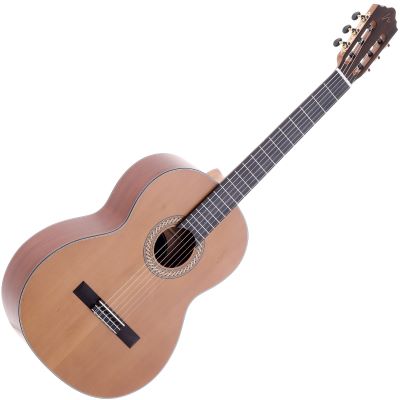
A classical guitar has a hollow wooden body and does not require an amplifier. Nylon strings produce a rounded sound. The broad neck creates more space between the strings and supports finger technique and classical lessons.
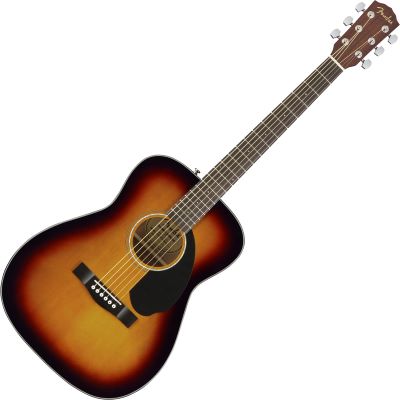
Acoustic steel-string guitars deliver the bright sound used in modern song accompaniment. The strings feel firmer than nylon strings, but produce a powerful attack and a clear presence when playing chords or picking.
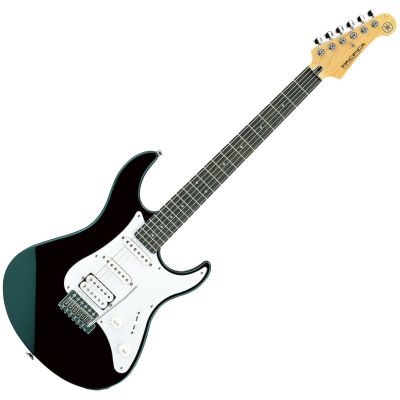
On an electric guitar, the pickups and amplifier shape the sound. Many models have a slim neck and easy-to-fret strings. An amplifier with a headphone output also makes controlled practice possible in an apartment.
A first guitar should work reliably, suit the player’s body size and avoid unnecessary obstacles when fretting notes or tuning.
Your shoulder and wrist should remain relaxed. The first frets must be reachable without twisting or stretching unnaturally.
The tuning keys should turn evenly. A freshly tuned guitar should not drift significantly during normal playing.
This selection covers different sizes, body shapes, sound concepts and complete starter packages. Product availability and current prices are shown on the linked English product pages.
Nylon strings, student sizes and regular full-size models for lessons, fingerstyle and classical accompaniment.
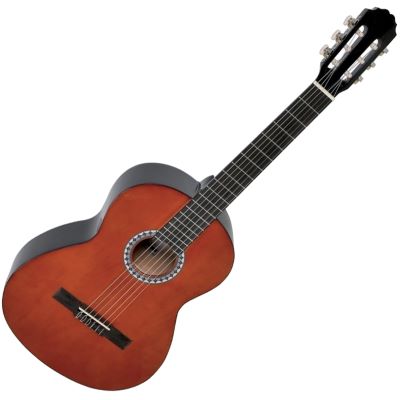
A full-size classical guitar with suitable basic equipment for an uncomplicated start.
Open Product →
A regular full-size classical guitar with a solid cedar top.
Open Product →
A compact student size designed for shorter arms and smaller hands.
Open Product →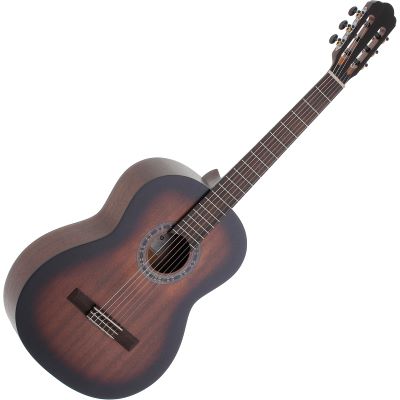
A full-size classical guitar with a narrower fingerboard for a more compact playing feel.
Open Product →Dreadnought, concert and compact body shapes for pop, folk, picking and singer-songwriter music.
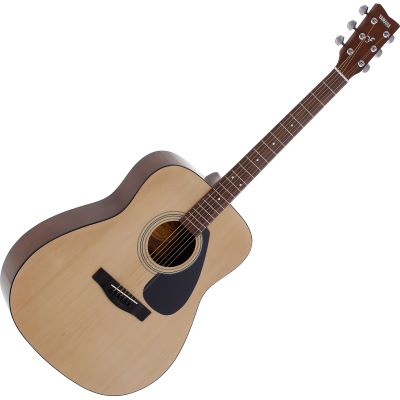
A traditional dreadnought acoustic guitar for chords, strumming and song accompaniment.
Open Product →
A more manageable concert-style body with a distinctive sunburst finish.
Open Product →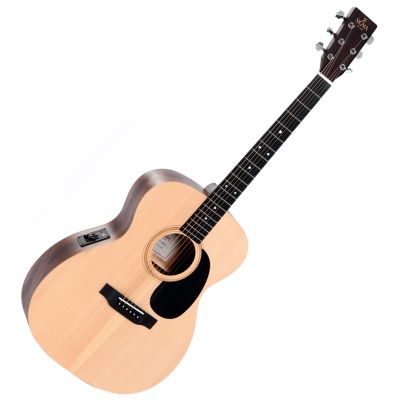
A compact 000-style acoustic guitar with an electronic pickup for amplified playing.
Open Product →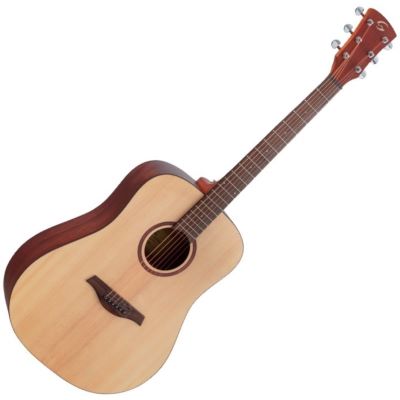
A natural-finish dreadnought acoustic guitar for first songs, chords and strumming patterns.
Open Product →Compact short-scale models, versatile HSS guitars and a complete package with an amplifier and accessories.

A compact electric guitar for shorter arms and smaller hands.
Open Product →
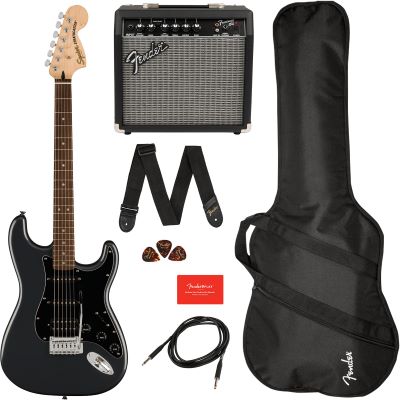
Electric guitar, practice amplifier, padded bag, cable, strap and picks in one coordinated package.
Open Product →
A versatile pickup combination for clean, blues, pop and rock sounds.
Open Product →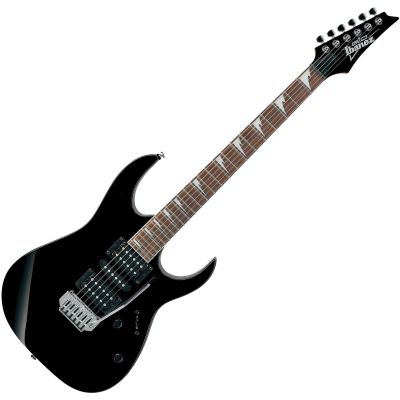
A modern electric guitar with an HSH pickup configuration for rock and metal.
Open Product →Compare the strings, neck, sound, intended use and additional equipment required.
| Feature | Classical Guitar | Acoustic Guitar | Electric Guitar |
|---|---|---|---|
| Strings | Nylon | Steel | Steel, often in lighter gauges |
| Neck | Broad | Medium width | Often slim |
| Sound | Warm and rounded | Clear and present | Shaped through the amplifier |
| Music | Classical and fingerstyle | Pop, folk and country | Rock, blues and metal |
| Additional Equipment | Not required | Not required | Amplifier and cable |
| Quiet Practice | Audible acoustically | Clearly audible acoustically | Possible with a headphone solution |
A suitable size makes fretting easier and supports a relaxed posture. Age recommendations are only a guide: body height, arm length and hand size must also be considered.
Starter sets are practical when you do not yet own the basic equipment. Check the contents carefully because packages differ in terms of bag, tuner, cable, strap and amplifier.
Often supplied with a bag, tuner and picks. The included bag must match the guitar’s size.
View Classical Guitar Sets →An instrument, transport bag and tuning aid create practical basic equipment for songs and chords.
View Acoustic Guitar Sets →In addition to the guitar, a complete package should include at least an amplifier and an instrument cable.
View Electric Guitar Sets →A few suitable components are more useful than a large collection of unverified accessories.
A clip-on tuner works compactly and independently of the room’s volume.
View Tuners →The transport solution must match the guitar’s body shape and size.
View Bags and Cases →A securely positioned instrument remains visible and easy to reach.
View Stands →Different thicknesses change the attack, flexibility and playing feel.
View Picks →Nylon, acoustic and electric-guitar strings are not interchangeable.
View Guitar Strings →A strap is important for electric guitars and whenever you want to play while standing.
View Guitar Straps →A capo changes the key while allowing the same chord shapes to be used.
View Capos →Straightforward controls and a headphone output are especially useful for home practice.
View Guitar Amplifiers →Short, regular sessions support controlled movements and help establish a stable practice routine.
Hold the guitar securely, learn the string names and tune before every practice session.
Fret two or three chords cleanly and change between them slowly.
Develop an even strumming motion and practise at a slow, controlled tempo.
Combine a simple piece and repeat difficult transitions separately.
Several short practice sessions per week are usually more useful for beginners than one rare, very long session.
Practical rule for a motivating start
Many initial problems are caused by an unsuitable size, missing accessories or inappropriate storage.
Workmanship and playability are more important than the lowest possible individual price.
The instrument should produce the sounds you genuinely want to learn.
An oversized body makes posture, reach and chord changes more difficult.
An amplifier and cable form part of a complete electric-guitar system.
Guitars should not be stored permanently beside radiators or in direct sunlight.
Rough, corroded or poorly tuning strings should be replaced.
The Musikhaus Korn team can help you choose a suitable instrument and complete basic equipment. In-house service is available for maintenance, care and repairs.
This depends on your musical goal and the required size. Classical guitars have nylon strings, while electric guitars often have a slimmer neck. Comfortable, correctly adjusted playability is particularly important.
No. Anyone who wants to play rock, blues or metal can begin directly on an electric guitar. The instrument should match the music you want to make.
Many adults play a full-size 4/4 guitar. Smaller players may feel more comfortable with a 7/8 classical guitar, a compact acoustic guitar or a short-scale electric guitar.
Common options include 1/2, 3/4 and 7/8 sizes. Body height, arm length and hand size are more important than a rigid age recommendation.
Yes. Use a practice amplifier, headphone amplifier or a suitable effects unit with a headphone output. Headphones are not connected directly to a passive electric guitar.
You need at least an amplifier and an instrument cable. A tuner, bag, strap, picks, stand and replacement strings are also useful.
A set simplifies the start and combines compatible components. Buying individually provides more freedom when choosing the amplifier, bag and accessories.
Several short sessions per week are usually more useful than rare sessions lasting several hours. Consistency is more important than one especially long practice session.
A guitar for beginners should suit the desired music, the player’s body size and their personal playing feel. Classical guitars provide a nylon-string sound, support traditional lessons and are available in several student sizes. Acoustic steel-string guitars offer a clear sound for pop, folk and song accompaniment. Electric guitars lead directly to rock, blues and metal sounds.
In addition to the guitar type, comfortable string action, clean workmanship, a suitable scale length and useful accessories are important. Starter sets combine the instrument and basic equipment, while buying components individually allows a particularly personal setup.
Discover further information about instruments, accessories, service, repairs and music technology in the Musikhaus Korn Infocenter.