Musikhaus Keks
Welcome!
Our cookies offer you a fast, relaxed and full-featured shopping experience. Some are necessary to operate the website and its functions. Others help us to improve our services. If you agree to this, simply consent to the use of cookies for preferences, statistics and marketing by clicking on "OK". Alternatively, you can deactivate individual cookies under "Customise cookies" or all cookies, except those required for the function of our website, under "Reject all".
Musikhaus Korn Buying Guide

Care & Cleaning for Wind Instruments: Keep Your Instrument Ready to Play

Breath introduces moisture into every wind instrument. Fingerprints, dust, cork joints, valves, slides and sensitive pads add further maintenance tasks. With a few regular steps, concert flutes, clarinets, saxophones, recorders, trumpets, trombones, horns and tubas stay clean, smooth-running and reliably playable.

Woodwind & Brass Daily Care Explained Swabs, Oils & Cleaners
Four Tasks instead of One Universal Cleaner

What Does Your Wind Instrument Need for Care?

After Every Playing Session

Remove Moisture

Swabs, cleaning cloths and cleaning rods remove condensation from the body, saxophone neck, flute headjoint or recorder.

Moving Parts

Oil & Lubricate

Valve oil, trombone-slide treatment, tuning-slide grease and cork grease perform different jobs and should be used specifically for the intended component.

Contact Area

Clean the Mouthpiece

Clean mouthpieces regularly inside and outside. Remove reeds after playing and allow them to dry separately.

Surface

Treat the Material Correctly

Lacquer, silver, untreated metal and wood require different care products. Not every polish or cleaner belongs on every instrument surface.

The most important care routine: remove moisture after playing, dry sensitive components and only then place the instrument back in its case. Regular small maintenance steps are better than infrequent aggressive deep cleaning.
Simple Care Schedule

What Should Be Cleaned and When?

When Task Typical Tools
After Every Playing Session Remove moisture and check mouthpiece and external surfaces Swab, cleaning rod, soft cloth
Regularly Check valves, slides and cork joints Valve oil, slide treatment, cork grease
As Required Clean mouthpieces and internal tubing more thoroughly Brushes and instrument-specific care sets
When the Surface Tarnishes Use suitable metal or silver treatment Material-compatible cleaning agent
Mechanical Problems Have keys, pads, valves or slides checked professionally Workshop instead of force
Flute, Clarinet, Saxophone, Oboe & Bassoon

Dry Woodwind Instruments after Playing

Moisture particularly affects pads, cork joints and wooden bodies. For many woodwind instruments, a correctly sized pull-through swab therefore belongs to the most important pieces of basic equipment.

Clarinet

Remove the Reed First

Remove the reed, dry the mouthpiece and then use a suitable swab to remove moisture from the clarinet body.

Cork joints should only receive a small amount of cork grease when they actually require it.

Saxophone

Clean Neck & Body Separately

Remove the reed and mouthpiece, dry the neck separately and use a swab sized for the alto or tenor saxophone body.

Never force an oversized or twisted swab through a narrow section.

Concert Flute

Use a Cleaning Rod & Cloth

Carefully separate the headjoint, body and footjoint. Wrap a suitable cloth around a cleaning rod and guide it through the tube sections.

Do not apply force to keys or axles.

Oboe & Bassoon

Match the Swab to the Narrow Bore

Narrow bores need correctly sized swabs. Double reeds are cared for separately.

Do not dismantle or bend sensitive key mechanisms yourself.

Protect the pads: carefully dry damp pads, but do not apply oils, metal polish or aggressive cleaning products directly to pad surfaces.
Valves, Slides & Leadpipes

Keep Brass Instruments Clean and Smooth-Running

Trumpet, flugelhorn, cornet, trombone, French horn, baritone and tuba require suitable lubrication in addition to internal cleaning.
  • Maintain piston valves with suitable valve oil.
  • Apply appropriate tuning-slide grease sparingly.
  • Use dedicated treatment for trombone slides.
  • Clean mouthpieces internally on a regular basis.
  • Drain condensation using the water keys.
  • Wipe external surfaces afterwards with a soft cloth.
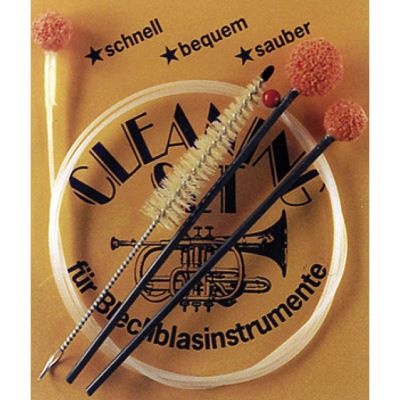
REKA care set for trumpet, flugelhorn and cornet with cleaning brushes
REKA care set for trumpet and flugelhorn – a complete example for typical brass-instrument cleaning tasks.
Oil is not grease: fast-moving valves require different lubrication from tuning slides that need to hold their position. Trombone slides also require specialised treatment. Do not interchange care products arbitrarily.
Go Directly to Your Instrument

What Care Does Each Wind Instrument Need?

Recorder

Dry the Inside

Keep the windway clean, remove internal moisture and use only products suitable for wooden recorders when caring for wooden models.

Concert Flute

Swab after Every Session

Remove internal moisture, wipe fingerprints from the surface and protect the sensitive key mechanism.

Clarinet

Reed, Body & Cork

Remove the reed, swab the body, dry the joints and use cork grease sparingly only when necessary.

Saxophone

Neck & Body Need Separate Care

Dry the neck and body separately, clean the mouthpiece and store the reed away from the mouthpiece.

Trumpet & Flugelhorn

Valves, Slides & Leadpipe

Oil the valves, maintain the tuning slides and regularly clean the leadpipe and mouthpiece.

Trombone

Keep the Slide Clean

Keep the inner and outer slide clean and use only treatment specifically intended for trombone slides.

French Horn

Treat Slides & Valve Mechanism Correctly

Maintain slides and valve mechanics according to their construction and clean narrow tubing only with appropriate tools.

Tuba & Baritone

Use Tools Sized for Large Tubing

Large internal tubing requires appropriately sized cleaning tools. Check valves and slides regularly and lubricate only the intended components.

Targeted rather than Generous

Distinguishing Valve Oil, Cork Grease, Slide Grease & Key Oil

Piston Valves

Valve Oil

Intended for piston valves on trumpet, cornet and flugelhorn. A few drops are usually sufficient.

When changing to another type of oil, remove old residues where practical first.

Woodwind Joints

Cork & Tenon Grease

Supports cork joints on clarinets and other woodwind instruments.

Apply it only when the cork actually needs it. Too much grease attracts dust and spreads unnecessarily.

Brass Slides

Tuning-Slide Grease

Designed for tuning slides and similar components that need smooth movement but must remain in their set position.

Key Mechanism

Key & Mechanism Oil

Used very sparingly at selected bearings and axles.

Avoid contact with pads. For complex mechanisms, professional servicing is often preferable.

Sorted by Application

30 Care Products for Woodwind & Brass Instruments

Swabs, complete care sets, valve oils, slide treatments and cleaning agents for different instrument families and maintenance tasks.


Complete Care Range
16 Products

Swabs & Care Sets for Woodwind Instruments

10 Products

Valves, Slides & Brass Instrument Care

Care Accessories by Brand

Manufacturer Worlds for Wind Instrument Care

Care Ends Where Adjustment Begins

When Should a Wind Instrument Go to the Workshop?

More oil is not the solution when keys no longer seal, valves continue to stick after cleaning or a trombone slide is mechanically damaged.

Bent keys, damaged pads, stuck mouthpieces and components that can only be moved with force should also be handled professionally.

Workshop instead of Force

Stop and Seek Professional Help When:

  • Keys no longer seal reliably.
  • A piston valve remains stuck after cleaning and correct lubrication.
  • A trombone slide is bent or mechanically damaged.
  • A pad is torn or displaced.
  • A mouthpiece is stuck in the receiver.
  • A component only moves when considerable force is applied.
Frequently Asked Questions about Instrument Care

Answers about Cleaning, Oil & Storage

How Often Should a Wind Instrument Be Cleaned?
Moisture should be removed after every playing session. More thorough cleaning and lubrication is carried out as required and according to the instrument, frequency of use and manufacturer recommendations.
Does a Clarinet Need to Be Swabbed after Every Playing Session?
Yes. Moisture produced inside the body should be removed with a suitable pull-through swab. The reed and mouthpiece are also separated and dried.
How Do You Clean a Saxophone after Playing?
Remove the reed, clean the mouthpiece and neck and dry the instrument body with a swab sized for the particular saxophone.
Can You Clean a Concert Flute with Water?
The assembled flute should not simply be rinsed with water because the pads and mechanism are sensitive. For daily internal care, use a cleaning rod with a suitable cloth.
How Often Does a Trumpet Need Valve Oil?
Apply valve oil when the valves no longer react quickly and evenly or according to your established maintenance routine. The valves should be clean before fresh oil is applied.
Can Valve Oil Be Used on a Trombone Slide?
Dedicated trombone-slide treatment should be used. Different mechanisms require products with suitable lubricating and sliding properties.
How Often Should Cork Grease Be Used?
Not automatically before every playing session. Apply cork grease sparingly when cork joints become dry or increasingly difficult to assemble.
How Do You Clean a Wind Instrument Mouthpiece?
Clean mouthpieces regularly with suitable brushes and material-compatible cleaning methods. Remove the reed and ligature first from woodwind mouthpieces.
Can Silver Polish Be Used on Every Wind Instrument?
No. A polish must be suitable for the specific surface. Lacquered, silver-plated and untreated metal surfaces should not automatically be treated identically.
What Should I Do if a Swab Gets Stuck inside the Instrument?
Do not continue pulling with considerable force. A swab that is too large or twisted can become wedged and may damage the mechanism or body. If in doubt, have it removed professionally.
Why Should a Damp Instrument Not Be Put Straight into Its Case?
Remaining moisture can affect pads, internal surfaces, wood or metal, depending on the instrument. The instrument should therefore be as dry as practical before storage.
A Few Minutes for Long-Term Playing Reliability

Care & Cleaning for Wind Instruments

Good wind-instrument care begins with one straightforward routine: remove moisture after playing, inspect the mouthpiece and surfaces and use only the lubricants intended for the relevant moving components.

Woodwind instruments need suitable swabs for the body, saxophone neck or flute headjoint. Brass instruments additionally require attention to valves, slides and internal tubing.

The goal is not to own the largest possible collection of care products, but to use the correct product for each task. Valve oil belongs on compatible valves, cork grease on suitable cork joints and trombone-slide treatment on the trombone slide.

Metal cleaners and silver polish are only used on surfaces for which the respective product is suitable. Problems with pads, key adjustment, valves or bent components should be handled professionally rather than through improvised repair attempts.

More Buying Advice & Practical Knowledge

Choose and Maintain Instruments and Equipment Correctly

Further guidance covering musical instruments, accessories, studio and recording, DJ technology and event equipment can be found in the central Musikhaus Korn guide world.