Installation Speakers
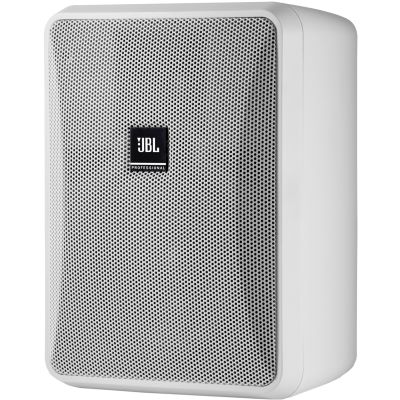
Wall and ceiling speakers can be aimed permanently at listening areas. Dedicated installation models are available for background music, announcements and distributed sound.

In a fixed installation, event equipment does not have to be rebuilt for every use. Speakers, amplification, mixing, wireless receivers, signal paths and operating controls are permanently adapted to the room.
This makes auditoriums, churches, clubhouses, theaters, conference rooms and event venues faster and more reproducible to operate. This guide shows how installation speakers, 100V systems, power amplifiers, digital mixers, DSP, wireless equipment, racks, lighting and fixed cabling become one expandable system.
A permanently installed system should handle the most common application without rebuilding. Speaker positions, microphone routes, sources, output zones and operating controls are therefore defined during the planning stage.
Extensions for concerts, theater or larger events can then build on this permanent basic system.
Wall and ceiling speakers can be aimed permanently at listening areas. Dedicated installation models are available for background music, announcements and distributed sound.
Passive speakers require suitable amplification. DSP, matrix processors or crossovers can manage levels, zones, filters, delays and system tuning.
Microphones, laptops, media players and instruments meet at one central point. Digital mixers are especially useful when different room uses need to be stored as scenes.
Receivers can remain permanently installed in the rack. Handheld transmitters, headsets and bodypacks remain mobile and are issued according to the event.
Amplifiers, wireless receivers, processors and network devices belong in an organised central technical area with clearly documented connections.
Stage lighting can also be installed permanently. Safe mounting, suitable power and DMX routes and a simple operating concept for standard events are essential.
Planning principle: the best fixed installation is not the system with the most functions. It is the system that handles normal operation reliably with only a few actions while retaining enough reserve for special events.
| Room | Priority | Speakers | Mixing | Expansion |
|---|---|---|---|---|
| School / Auditorium | Speech, theater, band | Directed main PA | Digital mixer | Wireless & lighting |
| Church | Speech intelligibility | Targeted distributed zones | Simple standard operation | Choir & band |
| Conference Room | Speech & media | Wall / ceiling speakers | Compact / automated | Hybrid audio |
| Clubhouse | Music & moderation | Installation or PA speakers | Compact mixer | Wireless microphone |
| Theater / Hall | Speech, music, stage | Main PA + zones | Digital mixer | Monitoring & lighting |
| Hospitality | Background music | Several small zones | Source / zone control | Terrace / adjacent room |
A fixed installation makes it possible to position loudspeakers permanently where their dispersion reaches the desired listening area. More even coverage can therefore be achieved without running individual speakers unnecessarily loud.
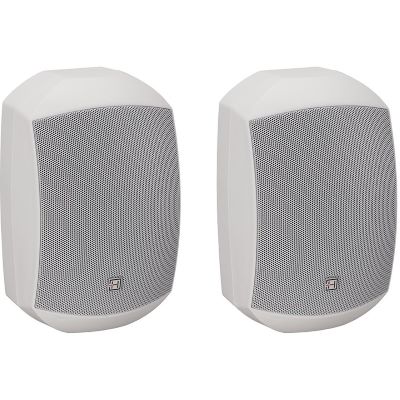
Easy to aim and often compatible with dedicated brackets or supplied directly with mounting hardware.
Particularly useful for even background music and speech, or in rooms where visible speakers should be reduced.
Speakers and amplifiers are planned separately. Power amplifiers can remain accessible and serviceable in the central technical rack.
The amplifier is installed directly inside the speaker. This can be useful in multifunctional rooms but also requires mains power at every loudspeaker position.
100V systems are especially useful for distributed sound with several loudspeakers. Typical applications include background music, speech announcements and several rooms or building zones.
Suitable 100V speakers contain a transformer with defined power taps. Several speakers can therefore share one line while their individual power consumption is selected to suit the relevant zone.
For short cable runs and higher-performance main sound reinforcement, a conventional low-impedance system can be more suitable. 100V and low impedance are therefore different system concepts rather than quality levels.
A central technical location is particularly valuable in a fixed installation. Power amplifiers, wireless receivers and processors remain protected, and cable routes converge at defined points.
At the same time, the day-to-day operating interface can remain significantly simpler than the technology working behind it.
Auditoriums, churches, theaters and multifunction rooms can store scenes for different applications. Access permissions can help protect critical parameters against accidental changes.
A processor can manage speaker zones, filters, levels, delays and several sources. In multi-room systems, the matrix becomes a central part of the installation.
Passive speaker systems keep mains power and amplifier electronics away from loudspeaker positions. Ventilation, accessibility and power reserve must also be considered inside the rack.
A permanent wireless rack simplifies daily operation. Receivers remain wired and permanently assigned to the mixer. For each event, only the required handheld or bodypack transmitters need to be issued, switched on and checked.
Particularly flexible for moderation, discussions, community events, club evenings and changing speakers.
Suitable for lectures, theater, sermons and presentations whenever both hands need to remain free.
With several wireless channels, frequency planning, antennas, rack position and power supply belong to the complete installation concept.
A professional installation may be technically complex. Everyday operation should not be. Standard events should work with clearly labelled inputs, defined levels and only a few controls that users actually need.
A stored default configuration returns the system to a defined operating state after special events or accidental changes.
“Lectern”, “Wireless 1”, “Laptop” and “Stage” are easier to understand than technical channel numbers without context.
Network configuration, speaker DSP and amplifier levels do not need to remain permanently accessible during normal operation.
In auditoriums, theaters and event rooms, lighting positions, DMX lines and power supply can be prepared permanently. This removes many temporary cable runs and makes standard scenes such as presentation, stage, concert or cleaning reproducible.
Make people and presenters evenly visible.
Add colour to stage and room surfaces.
Route control data permanently to lighting positions.
Prepare defined lighting states for recurring uses.
Safety-relevant: overhead mounting of loudspeakers and lighting fixtures, permanent electrical installations and load-bearing structures must be professionally planned and installed in accordance with the building and the applicable requirements.
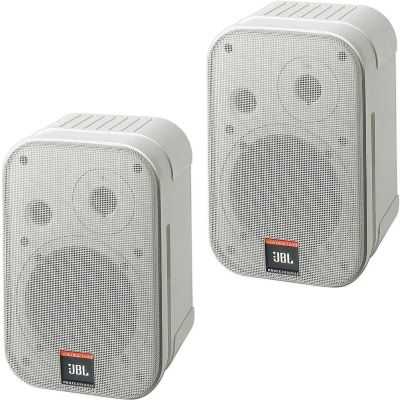
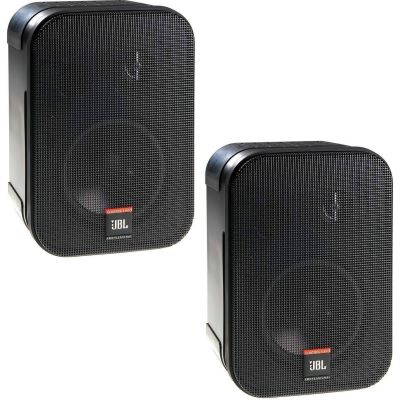
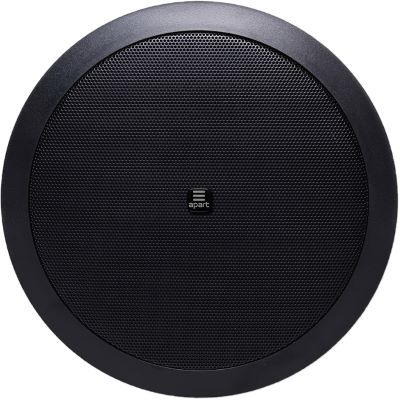
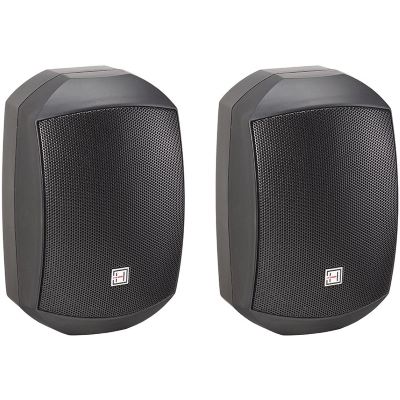
Wall, ceiling and specialist speakers.
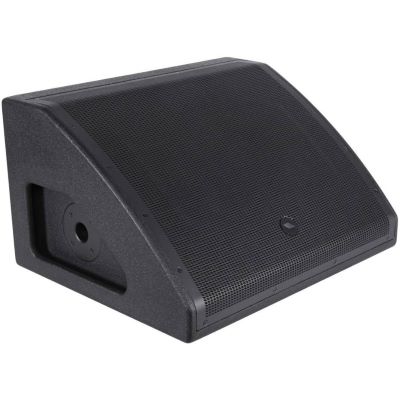
Modular sound reinforcement with central amplification.
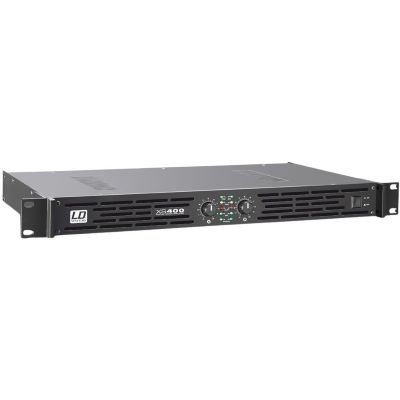
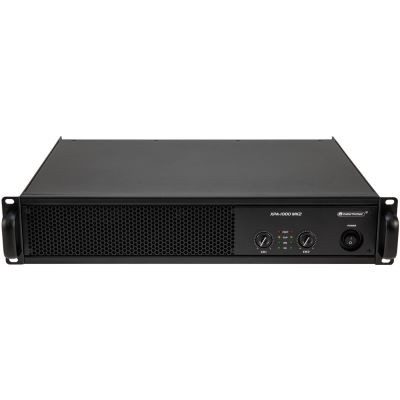
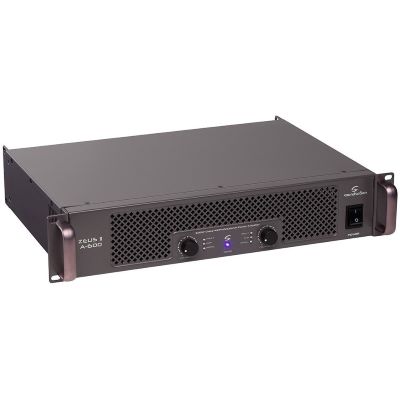
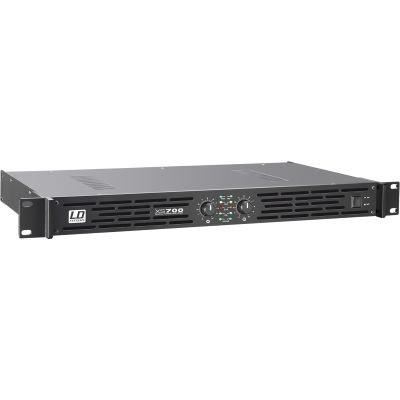
Amplification for passive speaker systems.
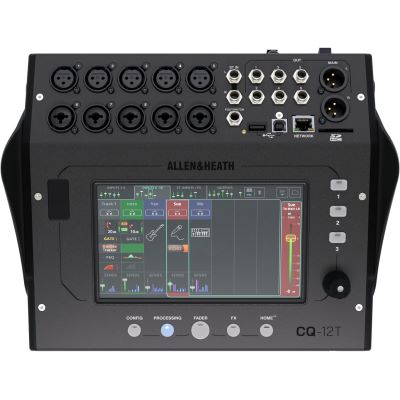
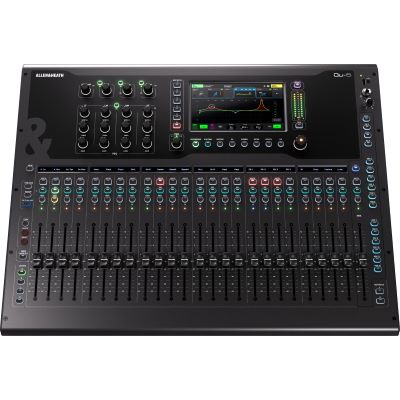
Scenes, routing and flexible signal processing.
System processing and speaker control.
Flexible speech and vocals with permanently installed receivers.
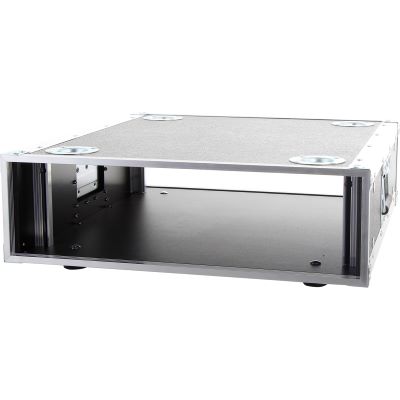
Organise amplifiers, receivers and signal equipment.
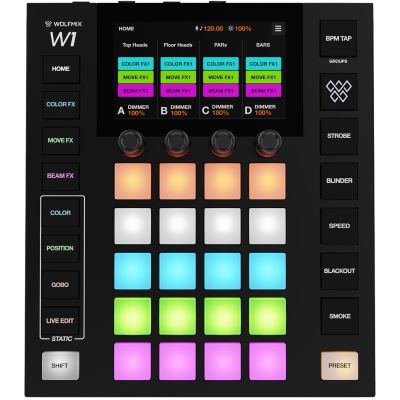
DMX scenes for stages and multifunction rooms.
The products are grouped according to function. The decisive factor remains the combined planning of speaker quantity, amplifier power, impedance or 100V taps, inputs, outputs and the required room zones.

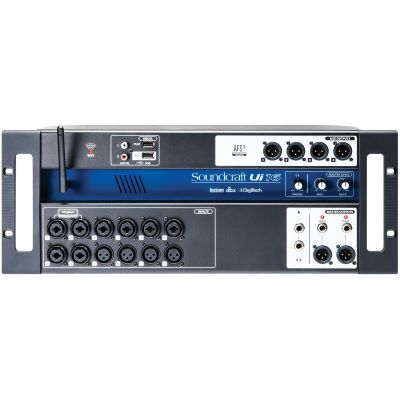

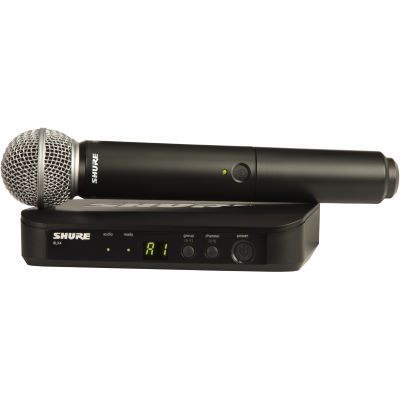
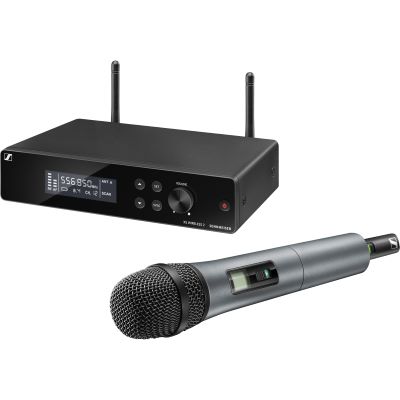

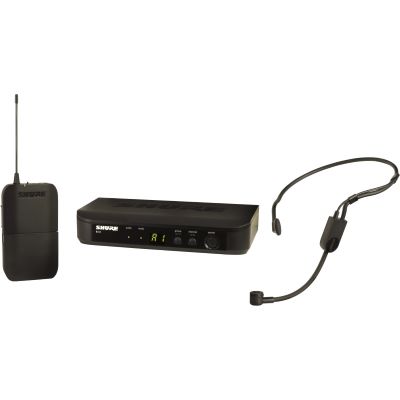
List the microphones, lectern, computer, media player, instruments and other sources that are required regularly. Then define which loudspeaker zones receive those sources and whether each zone requires separate volume control.
Patch panels, free rack units, additional network lines and reserve inputs and outputs are comparatively easy to prepare during initial installation. Adding new cable routes later can require significantly more construction work.
Guide status: 24 August 2026. Loudspeaker mounting, 100V design, impedances, permanent mains installations, rigging and safety-relevant building technology should be professionally dimensioned and checked for the specific property.
Good documentation determines whether a fixed system remains understandable, maintainable and expandable several years after installation.









Position must first suit the desired coverage. Colour and visual integration are optimised afterwards.
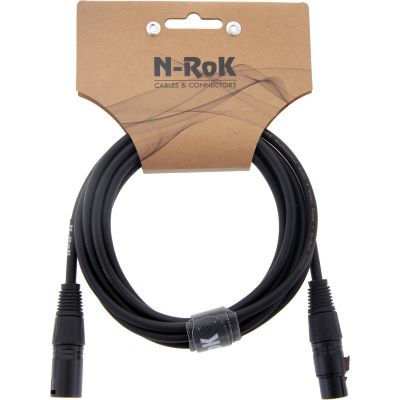
An additional network, XLR or control line is inexpensive during installation but may later require construction work.
Additional receivers, amplifiers or network devices quickly consume more rack units. Ventilation and cable routing also need space.
If a simple presentation always requires a sound engineer, the standard operating concept is often unnecessarily complex.
Both concepts require the correct system design. Amplifiers, loudspeakers and connection technology must match each other.
Without diagrams and labels, every later service operation becomes unnecessarily difficult.
A permanent sound, video or lighting installation benefits from planning directly at the property. Musikhaus Korn provides sales representatives who can discuss requirements on site, prepare a suitable concept and quotation and, where required, support installation, operation and service.
A fixed installation is permanently installed sound, lighting or media technology. Loudspeakers, cable routes, amplifiers and controls remain in the room and do not need to be rebuilt before every event.
They are particularly useful when a room is permanently reinforced and the loudspeakers should remain discreet, safely mounted and reproducibly positioned. Mobile PA is more flexible when the room layout and event configuration change regularly.
Especially when several distributed loudspeakers and longer cable routes are required, for example for background music and speech in several zones. Main PA systems can still use conventional low-impedance designs where appropriate.
Passive speakers allow amplifiers to remain centrally located in the rack. Active speakers integrate the amplifier and often DSP directly into the cabinet. The better concept depends on cabling, maintenance and the room design.
Different events can be prepared as stored scenes. Routing, EQ, dynamics and outputs can be recalled and, depending on the mixer, controlled through networks or applications.
In addition to the current equipment, allow free rack units for expansion, sufficient rack depth, ventilation and space for organised cable routing.
Yes. With suitable matrix, amplifier and loudspeaker technology, different zones can receive different sources or independent volume levels.
Receivers can remain permanently installed in the rack and connected to the mixer. With several wireless channels, frequencies, antennas and channel planning should be considered together.
Free rack space, additional conduits or cable routes, network connections and reserve inputs and outputs are especially valuable because they make later expansion considerably easier.
Musikhaus Korn provides sales representatives for sound, video and lighting systems. Requirements can be discussed on site and used as the basis for an individual quotation, installation and service concept.
A fixed installation combines speakers, amplification, mixing, wireless equipment and permanent signal paths into a system that is available at all times. Wall and ceiling speakers are suitable for distributed sound reinforcement, while passive PA speakers with central power amplifiers can provide a powerful solution for stages and multifunction rooms.
100V technology is particularly useful when many loudspeakers are distributed across larger areas. Digital mixers and DSP systems manage routing, scenes, filtering and loudspeaker zones, while a central 19-inch rack keeps amplifiers, wireless receivers and signal equipment organised.
Good documentation, understandable operation and prepared reserve cable routes help ensure that the installation remains expandable and serviceable even years later.
Discover further guides covering schools and auditoriums, churches, conferences and presentations, theater, club events, PA systems, microphones, lighting and complete event technology.