
Musikhaus Korn String Instruments Guide
String Instruments Guide: Find the Instrument and Setup That Suit You
Violin, viola, cello or double bass? Choosing the right bowed string instrument involves more than sound alone. Instrument size, posture, arm reach and the intended musical setting all matter. This guide takes you from your first instrument and the correct violin size to bows, strings, care, electric violins, pickups and microphone solutions.
Violin, Viola, Cello & Double Bass
Sizes, Bows & Strings Explained
Care, Pickups & Microphones Included
Related String Instrument Guides
String Instruments Guide Quick Facts
Nine Specialist Guides
From Your First Violin to Pickups & Microphones
Start with instrument selection or go directly to the topic that matters for your current setup.
Violin for Beginners
Learn about violin sizes, complete outfits, bows, shoulder rests and the equipment required for lessons.
Which Violin Size?
Compare 1/8, 1/4, 1/2, 3/4 and 4/4 instruments using arm reach and relaxed posture as the main criteria.
Violin for Children
Body size, arm length, hand size and a relaxed playing position are more useful than buying an oversized instrument to grow into.
Cello for Beginners
Understand cello sizes, posture, endpin adjustment, bow choice and a practical first complete setup.
Acoustic or Electric Violin?
Compare natural body resonance with direct amplification, headphones, effects and stage-oriented electric instruments.
Choosing a Bow
Match bow size, balance and handling to the instrument and compare traditional wood with modern carbon alternatives.
Strings for String Instruments
Choose the correct instrument size and scale and compare string sets according to response, tension and the required application.
String Instrument Care
Remove rosin dust, loosen the bow after playing and recognise when bridge, pegs or glued joints should be checked professionally.
Pickups & Mics for String Instruments
Compare piezo pickups, clip microphones, stand-mounted microphones and the signal chain required for stage and recording use.
Four Central Instrument Families
Violin, Viola, Cello or Double Bass?
Register, body size, posture and musical role are useful starting points when comparing bowed string instruments.
Violin
Clear, agile and highly versatile. The violin is held at the shoulder and collarbone and appears in lessons, orchestras, chamber music, folk, pop and solo playing.
Viola
Larger and lower than a violin, the viola provides a warmer and darker middle voice and is especially important in chamber music and orchestral ensembles.
Cello
The cello is played seated between the legs and supported by an endpin. Its broad range covers deep accompaniment as well as lyrical melody lines.
Double Bass
The double bass provides the lowest foundation of the family and is used in orchestras, jazz, rockabilly and bands. Size, scale length, transport and bowing versus pizzicato all matter.
Direct Comparison
String Instruments at a Glance
| Instrument | Typical Register & Character | Playing Position | Common Applications |
|---|---|---|---|
| Violin | High, clear, agile | Shoulder / collarbone | Lessons, orchestra, folk, pop, solo |
| Viola | Lower and warmer than violin | Shoulder, larger body | Chamber music, orchestra, ensemble |
| Cello | Deep, full, singing | Seated between the legs | Classical, film music, pop, cello ensemble |
| Double Bass | Lowest foundation | Standing or on a high stool | Orchestra, jazz, rockabilly, band |
Fit the Instrument to the Player
Which Violin Size Is Correct?
Age is only a rough guide. Arm reach, hand size and a relaxed playing position provide the more useful indication of whether a violin fits.
The scroll and pegbox should be reachable without fully stretching the arm, lifting the shoulder or twisting the upper body. A violin that is too large makes clean technique unnecessarily difficult.
Buying an oversized children's violin so that the player can “grow into it” is therefore not recommended.
| Violin Size | Approx. Arm Length | Typical Orientation | Fit Check |
|---|---|---|---|
| 1/8 | Approx. 43 cm | Small children | Shoulder remains relaxed; no full arm extension |
| 1/4 | Approx. 47 cm | Young students | Scroll can be reached comfortably |
| 1/2 | Approx. 52 cm | Children | Left elbow retains comfortable movement |
| 3/4 | Approx. 56–57 cm | Older children / teenagers | Pegbox reachable without stretching |
| 4/4 | From approx. 60 cm | Older teenagers / adults | Use only when the full-size instrument fits comfortably |
Important:
these measurements are only orientation values.
The decisive question is whether the player can hold and
reach the instrument in a relaxed playing position.
Traditional Resonance or Direct Signal
Acoustic or Electric Violin?
Acoustic Violin
The wooden body amplifies the string vibration acoustically. This is the traditional choice for classical lessons, orchestral playing, chamber music and situations where a natural unamplified instrument is required.
Electric Violin
An electric violin uses a pickup and needs headphones, an amplifier, mixer or audio interface to reproduce the complete electrical signal.
It remains mechanically audible through the strings, bow and instrument construction, so it is not completely silent.
The Instrument Is Only Part of the Setup
Bow, Strings, Rosin & Regular Care
Bow balance, the correct string set and routine maintenance all influence playability and help protect the instrument.
Choose the Correct Bow
The bow must match the instrument size and should feel controllable and balanced. Wood and carbon bows provide different combinations of weight, response and durability.
Use the Correct String Set
Strings must match the instrument and its size or scale. Damage, corrosion, tuning instability or a noticeably dull response can indicate that replacement is due.
Rosin Creates Grip
Rosin provides the bow hair with the friction required to excite the strings. Use an appropriate product and remove excess rosin dust from the instrument after playing.
After Every Playing Session
Four Basic Care Steps
Remove Rosin Dust
Wipe the strings and instrument surface carefully with a suitable clean cloth after playing.
Loosen the Bow
Release bow-hair tension after playing before returning the bow to its case.
Check Bridge, Pegs & Fine Tuners
Look for obvious changes without trying to force the bridge, pegs or mechanical parts back into position.
Store Dry & Protected
Keep the instrument and bow in an appropriate case or other protected storage solution.
Leave structural work to a specialist:
bridge position, stubborn pegs, open glued joints and varnish
problems should not be treated experimentally with unsuitable
household products or excessive force.
Stage, Recording & Amplification
Pickup or Microphone for Violin, Viola & Cello?
Pickups and microphones solve different problems. Choose according to stage volume, movement, desired acoustic character and the rest of the signal chain.
Piezo Pickup
A piezo pickup captures mechanical vibration directly from the instrument. This can provide a controlled signal on louder stages and during mobile performances.
Clip Microphone
A microphone attached to the instrument moves with the player while capturing more acoustic body and air than a typical contact pickup.
Microphone on a Stand
In a quiet studio or ensemble setting, a stand-mounted microphone can capture the complete instrument and room most naturally.
Signal-chain tip:
passive piezo pickups can benefit from a suitable
high-impedance input or preamp. Depending on the setup,
also consider phantom power, wireless transmission,
audio interface, mixer and monitoring.
Shop by Product Group
String Instrument Categories at Musikhaus Korn
Violins & Violas
Cellos
Double Basses
Bows
Strings
Cases & Bags
Violin & Viola Accessories
Cello Accessories
Double Bass Accessories
Shoulder Rests
String Instrument Stands
All String Instruments
30 Selected Examples
All String Instruments
String Instruments & Accessories from the Guide
The following examples cover complete violin and cello outfits, electric instruments, bows, strings, care, storage, pickups and microphone solutions.
Violins & Electric Violin
1/8
GEWA
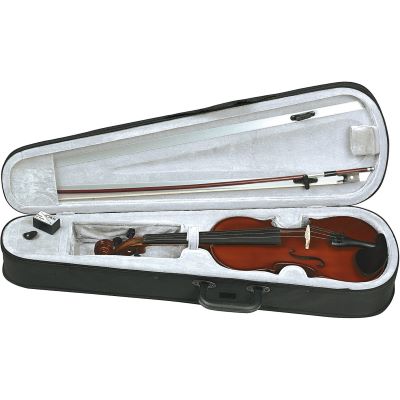
Pure Violin Outfit HW 1/8
View Product
1/2
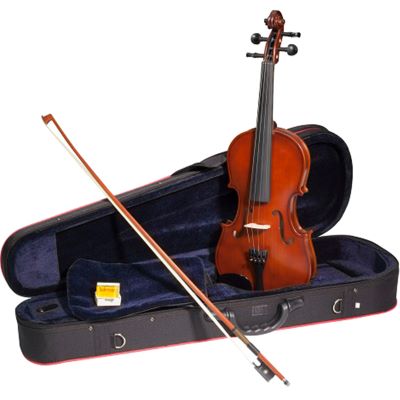
Hidersine
Studenti Violin Outfit 1/2
View Product
3/4
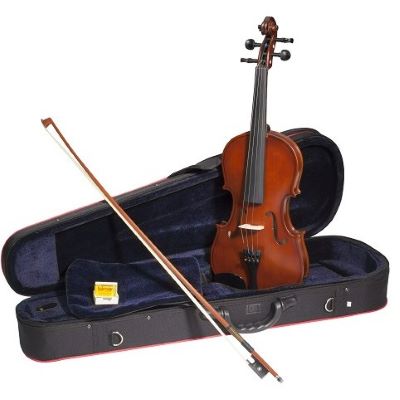
Hidersine
Uno Violin Outfit 3/4
View Product
4/4
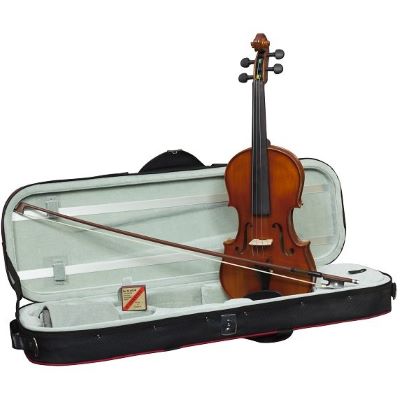
Hidersine
Vivente Violin Outfit 4/4
View Product
4/4 Set
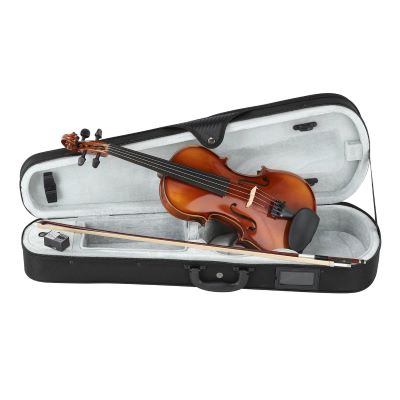
GEWA
Violin LTD 100 Years GEWA Set 4/4
View Product
Electric
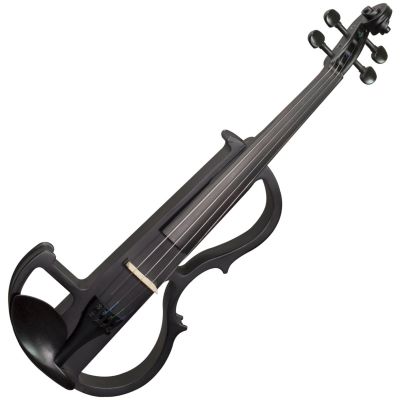
Hidersine
HEV1 Electric Violin Set 4/4
View Product
Cellos
Electric Cello
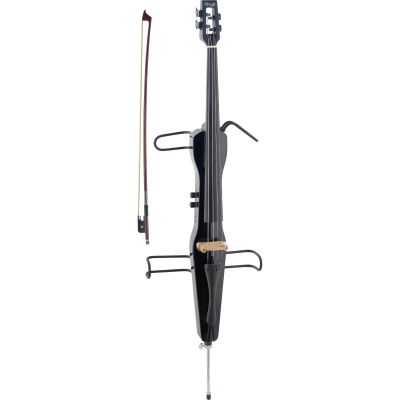
STAGG
ECL 4/4 BK Electric Cello
View Product
3/4
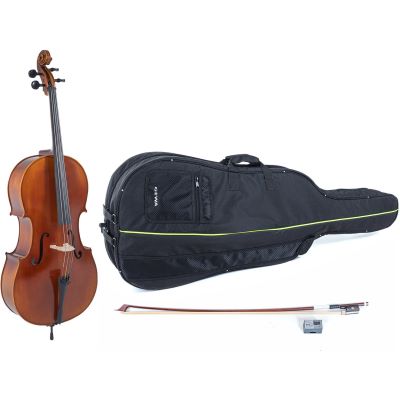
GEWA
Allegro VC-1 3/4 Cello
View Product
4/4
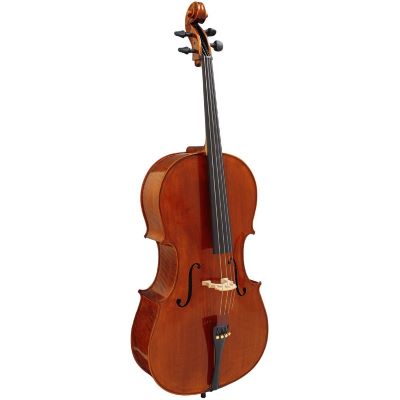
Hidersine
Vivente Academy Cello Outfit 4/4
View Product
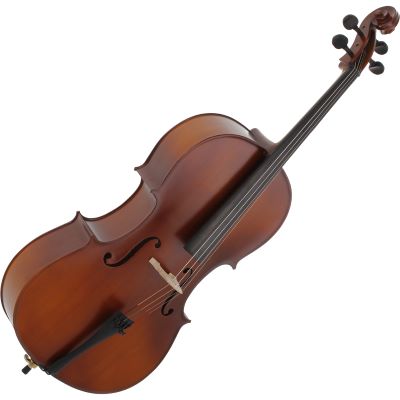
GEWA
Pure Cello Outfit HW 4/4
View Product
Bows
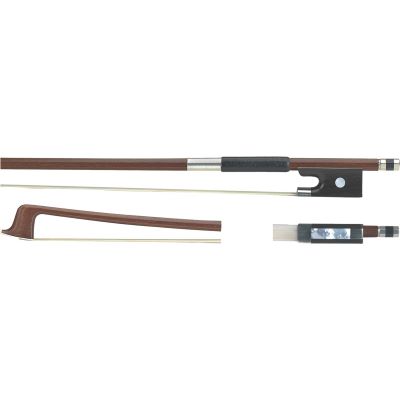
GEWA
Massaranduba Student Violin Bow 4/4
View Product
Carbon
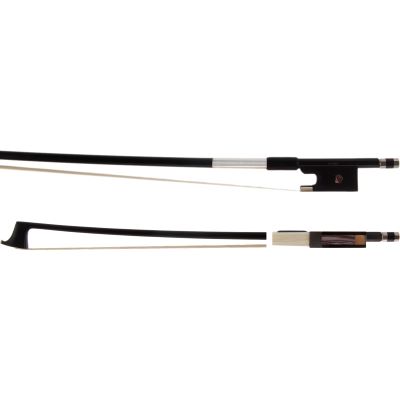
GEWA
Carbon Student Violin Bow 4/4
View Product
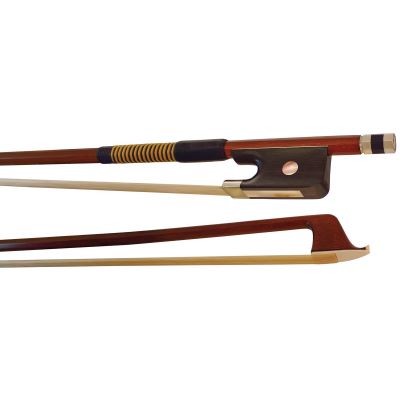
Hidersine
5061B Student Cello Bow 3/4
View Product
Carbon
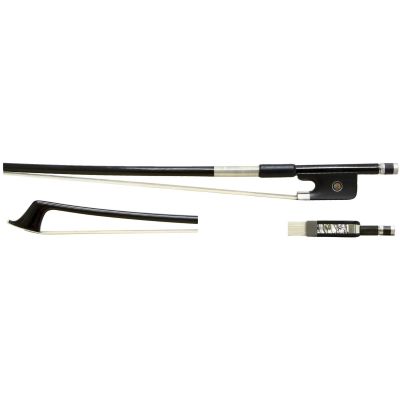
GEWA
Carbon Student Cello Bow 1/2
View Product
Strings
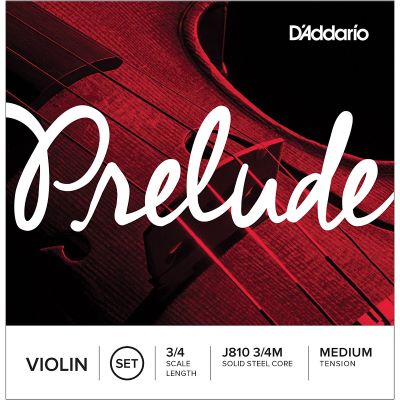
D'Addario
Prelude Medium Violin 3/4
View Product
D'Addario
Prelude Medium Violin 4/4
View Product

Thomastik
Dominant 135 Violin Medium
View Product
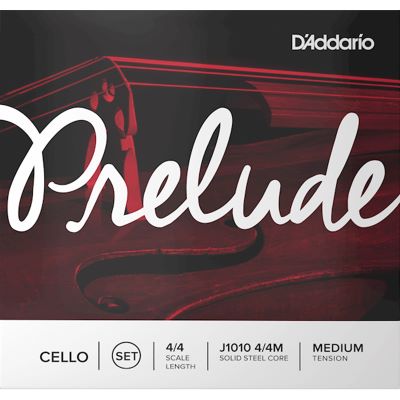
D'Addario
Prelude Medium Cello 4/4
View Product
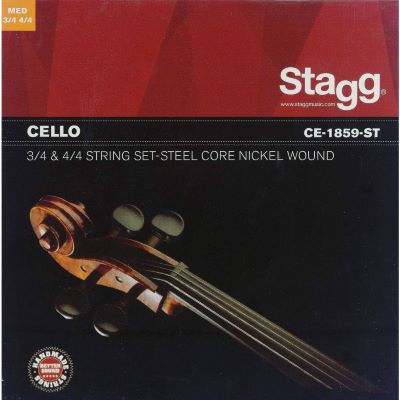
STAGG
CE-1859-ST Cello 4/4–3/4
View Product
Posture, Care & Storage
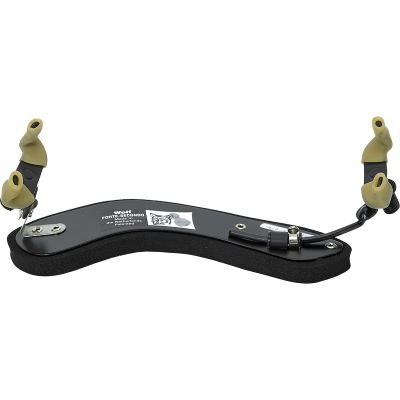
Wolf
Forte Secondo 4/4–3/4
View Product
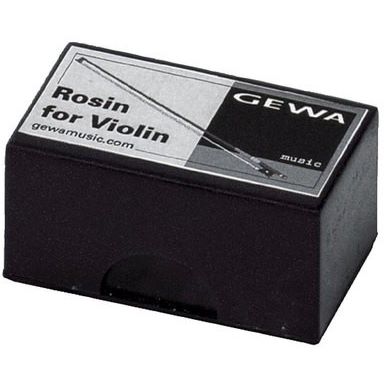
GEWA
Liuterie Rosin
View Product

Luthier
Professional Varnish Cleaner 50 ml
View Product
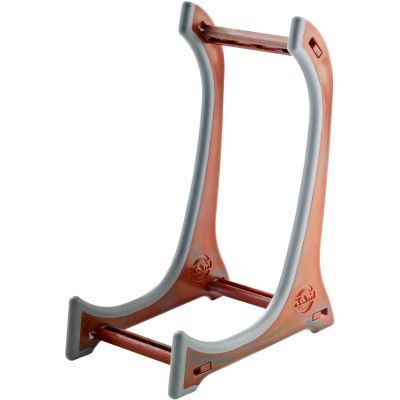
König & Meyer
K&M 15550 Violin Stand
View Product
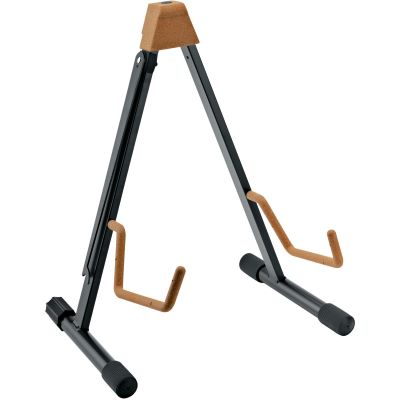
König & Meyer
K&M 14130 Cello Stand
View Product
Pickups, Microphones & Preamp
Pickup
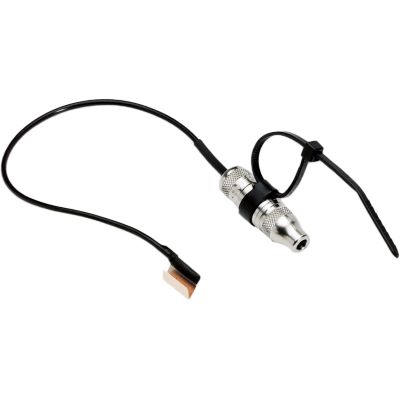
Fishman
V-100 Violin Pickup
View Product
Violin / Viola
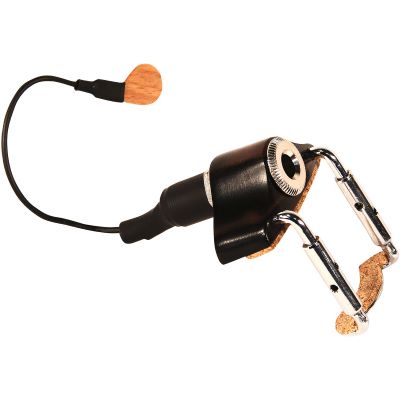
KNA Pickups
VV-3 Violin / Viola Pickup
View Product
Cello
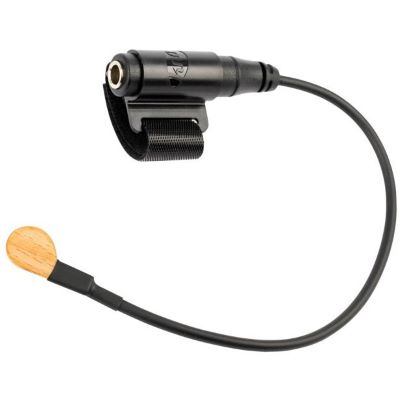
KNA Pickups
VC-1 Cello Pickup
View Product
Clip Mic
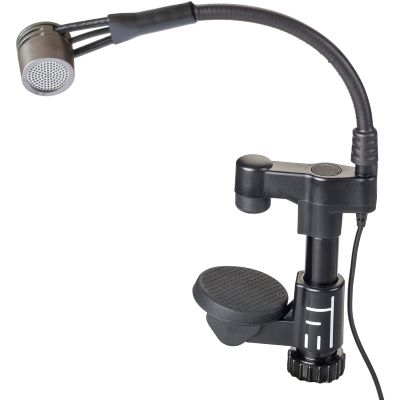
TIE Studio
TCX200 Violin Microphone
View Product
Studio Mic
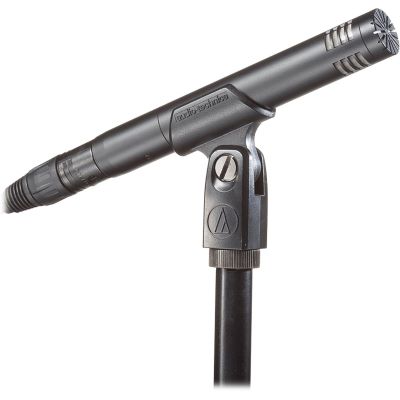
Audio-Technica
AT2031
View Product
Preamp / DI
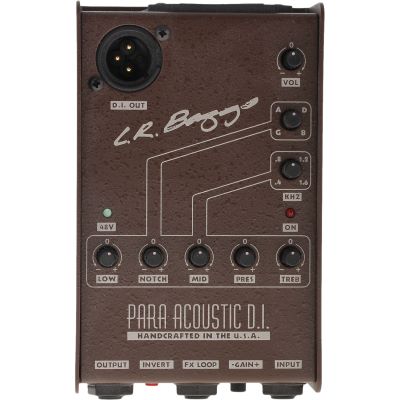
L.R. Baggs
Para Acoustic DI
View Product
Manufacturer Worlds
Brands for String Instruments & Accessories
Explore instruments, bows, strings, pickups and accessories directly in the relevant manufacturer worlds.








Frequently Asked Questions
Answers About String Instruments
Which String Instrument Is Best for Beginners?
Violin and cello are common starting instruments, but there is no universal best choice. Consider the preferred sound and register, playing position, body size and the lessons that are available.
What Is Included in a Complete Violin Outfit?
A typical outfit combines a violin, a bow matched to its size and a case. Depending on the package, useful additions can include rosin, a shoulder rest, tuner and music stand.
Which Violin Size Does a Child Need?
Arm reach, hand size and relaxed posture are more useful than age alone. 1/8, 1/4, 1/2 and 3/4 are common fractional sizes before moving to a full-size 4/4 violin.
Should I Buy a Children's Violin Larger So They Can Grow Into It?
No. An oversized violin can force the player into an unnecessarily strained posture and make clean technique more difficult. Choose the size that fits now.
Is an Acoustic or Electric Violin Better?
An acoustic violin is the traditional choice for classical lessons and ensemble playing. Electric violins are particularly useful for headphones, effects, stage amplification and direct recording.
When Should String-Instrument Strings Be Replaced?
Damage, corrosion, tuning instability or a noticeably dull response can indicate that replacement is due. Always choose strings for the correct instrument size or scale.
How Do I Recognise a Suitable Bow?
The bow must match the instrument size and should feel balanced and controllable. Traditional wood and carbon bows offer different combinations of feel, weight and durability.
Is a Pickup or Microphone Better for String Instruments?
A piezo pickup provides a controlled direct signal that is useful on loud stages. A microphone can reproduce more of the acoustic body and air. The better choice depends on movement, stage volume, feedback requirements and the desired sound.
How Should a String Instrument Be Cared for After Playing?
Remove rosin dust carefully, loosen the bow and store the instrument dry and protected. Use only suitable care products and leave structural or mechanical repairs to an appropriate specialist.
The Guide Summarised
String Instruments Guide: Violin, Cello, Bows & Accessories
Violin, viola, cello and double bass differ in register, body size, playing position and musical role. For beginners, the best instrument is therefore not determined by one general rule, but by the sound the player enjoys, physical fit and the teaching situation.
Violin size deserves particular attention with children. Arm reach and relaxed posture should determine whether 1/8, 1/4, 1/2, 3/4 or a full-size 4/4 instrument is appropriate. An oversized instrument should not be chosen merely to allow for future growth.
The bow and strings are also part of the instrument system. Choose a bow in the correct size and replace strings when condition, response or tuning stability indicate that it is necessary. Remove rosin residue after playing, loosen the bow and store the instrument properly.
For amplification, piezo pickups provide a controlled direct signal, clip microphones maintain a constant distance while the player moves and stand-mounted microphones are particularly useful for natural studio and ensemble recordings.
More Buying Advice
Continue with the Complete Musikhaus Korn Guide
Discover further buying guides for guitars, wind instruments, keyboards, drums, microphones, recording equipment and other musical instruments.