Clear, Dynamic and Versatile
ST-style guitars with an SSS configuration respond sensitively to your picking dynamics. An HSS setup adds a more powerful bridge sound for pop, rock and distorted passages.

Blues requires dynamics, funk needs a precise clean response and metal demands a controlled sound under heavy distortion. Your preferred genre therefore provides a useful starting point for selecting pickups, body style, scale length and number of strings. However, there are no rigid genre rules: the final result always depends on the interaction between the guitar, amplifier, effects and your personal playing style.
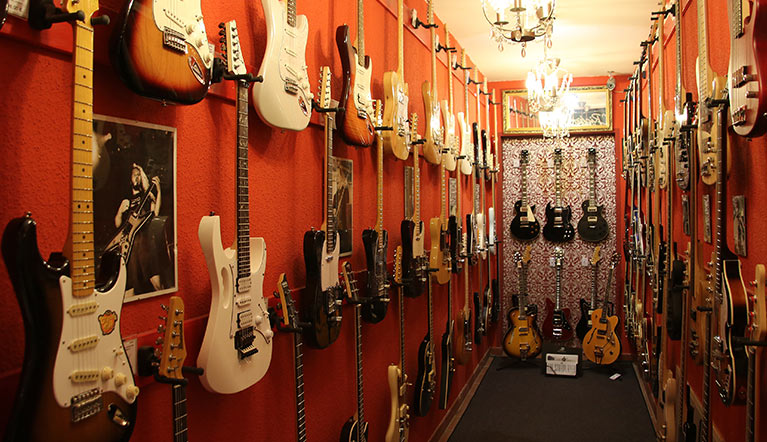
Begin with the sound family that dominates your favourite songs. Within that shortlist, you can then compare neck shape, weight, bridge design, pickups and other features.
ST-style guitars with an SSS configuration respond sensitively to your picking dynamics. An HSS setup adds a more powerful bridge sound for pop, rock and distorted passages.
A T-style guitar with two single-coil pickups and a fixed bridge produces precise chords, classic twang and an immediate response.
LP- and SG-style guitars with humbuckers are proven starting points for powerful riffs, rich midrange and singing lead sounds.
Heavy-style guitars and seven- or eight-string models support low tunings, extended voicings and precise high-gain sounds.
No body style belongs exclusively to one genre. An ST-style guitar with a humbucker can play metal, an LP-style model can produce a warm jazz tone and a semi-acoustic guitar can also work in rock. These recommendations are useful starting points, not musical boundaries.
The most suitable features depend on the required dynamics, level of distortion, tuning and the guitar’s role within the arrangement.
SSS, HSS, P-90 and traditional HH guitars can all work well. The volume control, picking attack and light overdrive should respond audibly to changes in your dynamics.
ST- and T-style guitars deliver clear treble and a fast response. SSS provides characteristic in-between positions, while HSS adds more power for choruses and distorted passages.
The classic T-style design with two single-coil pickups keeps chords and fast runs clearly defined. ST, Gretsch-style and P-90 guitars also suit modern Americana sounds.
LP- and SG-style guitars with an HH configuration are proven starting points. HSS models offer more clean flexibility, while P-90 pickups create a rougher and more open rock character.
T-style, SG-style, offset, P-90 and straightforward HH guitars are particularly suitable. A robust fixed bridge makes rapid string changes and alternate tunings easier.
Semi-acoustic and jazz guitars provide an open, resonant foundation. A solid-body guitar with a warmly adjusted neck humbucker can also produce a convincing jazz sound.
HH pickups, 24 frets and either a fixed bridge or a high-quality tremolo system are common features. Scale length and string gauge become increasingly important with lower tunings.
Seven- and eight-string guitars extend the range downwards. Longer or multiscale designs help maintain controlled string tension and clearly defined low frequencies.
The table shows proven combinations. Different pickup configurations can significantly change the character of the same body style.
| Music Genre | Good Starting Point | Pickups | Important Characteristic | Typical Setup |
|---|---|---|---|---|
| Blues | ST, T, LP or semi-acoustic | SSS, P-90, HSS or HH | Dynamic response | Clean amplifier and light overdrive |
| Funk & Pop | ST- or T-style | SSS, SS or HSS | Clear chord separation | Clean sound, compressor and modulation |
| Country | T-style | SS or a modern SH configuration | Direct twang | Clean amplifier, delay and reverb |
| Classic Rock | LP, SG or HSS-equipped ST | HH, P-90 or HSS | Midrange and sustain | Crunch amplifier and boost |
| Indie & Punk | T, SG, offset or LP | SS, P-90 or HH | Distinctive individual character | Crunch, fuzz or modulation |
| Jazz | Semi-acoustic or archtop | Neck humbucker or P-90 | Warm and clear midrange | Clean amplifier with minimal effects |
| Metal | Heavy, Super-ST, LP or SG | Active or passive HH | Precision under heavy distortion | High gain, boost and noise gate |
| Djent & Progressive | 7- or 8-string guitar | Clearly defined HH configuration | Long or multiscale design | Tight high-gain sound |
Reference tracks make an abstract genre label more useful. Listen to the actual guitar tones and then translate their character into practical instrument features.
Listen for clean, crunch or heavily distorted sounds and determine whether chords, riffs or lead lines are most prominent.
Single-coil pickups often sound open and brilliant. Humbuckers are usually fuller and remain quieter under heavy distortion.
A fixed bridge makes frequent retuning easier. A tremolo enables vibrato effects but requires a carefully balanced setup.
Compare the instrument with amplification similar to the equipment you plan to use at home, in the studio, at rehearsals or on stage.
SSS supports bell-like clean sounds and precise funk rhythms. HH provides more midrange and output for rock or metal. HSS combines both concepts and is a versatile choice for several styles.
Six strings cover most genres. Additional low strings become useful when your music genuinely requires extended tunings, lower riffs or larger chord voicings.
Play the same clean passage, distorted riff and lead line on several models. Tone, neck feel and weight should be convincing together—not only the body shape shown in the product image.
Useful comparison method: use the same amplifier, gain level, cable and playing passage for every guitar. This makes differences in pickups, scale length, attack and sustain easier to hear.
These examples range from traditional single-coil sounds to an eight-string guitar for modern low tunings. Current product details are available on the linked English product pages.
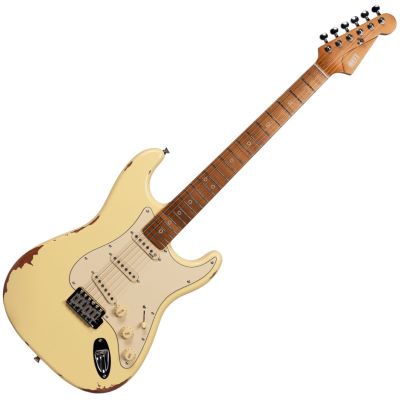
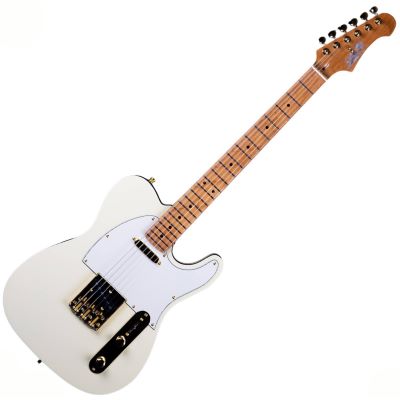
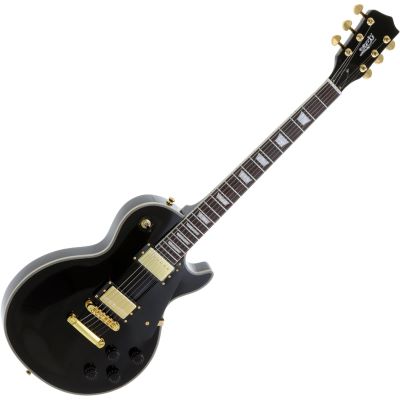
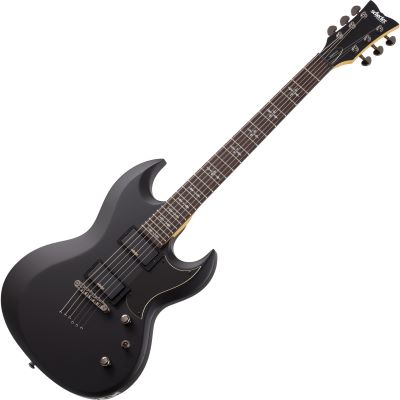
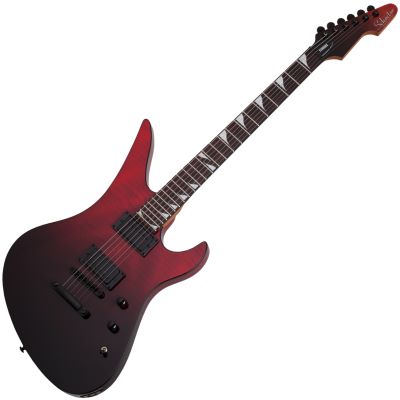
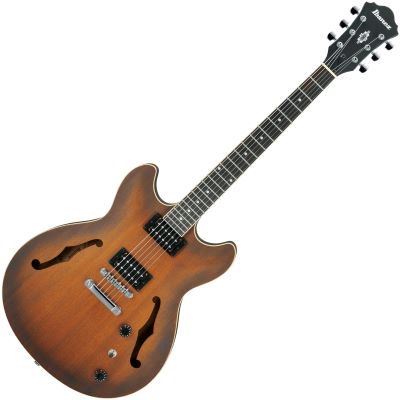
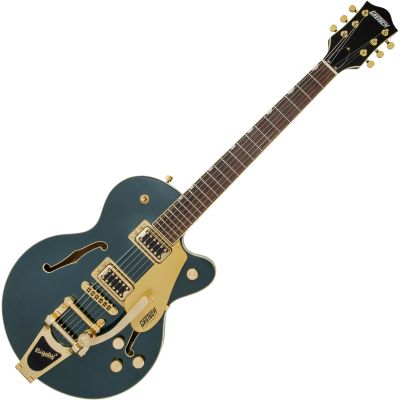
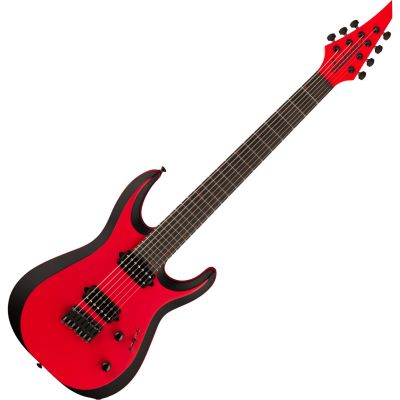
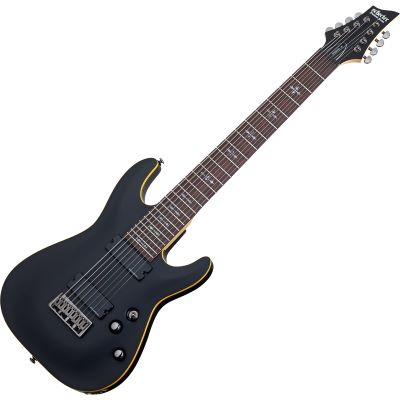
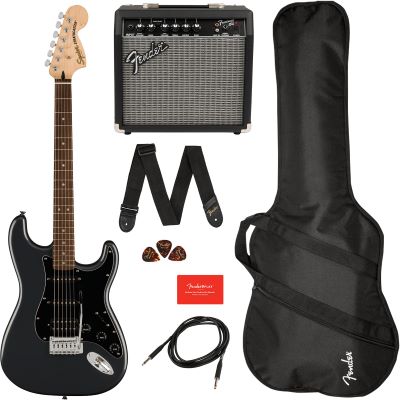
Compare models within the same sound family first. This makes differences in neck shape, weight, pickups and hardware easier to recognise.
Traditional SSS configurations provide clear and dynamic clean tones, while HSS and HSH versions add more power for rock and modern pop.
T-style models combine direct attack and clear note separation. Traditional and modern pickup configurations cover country, blues, indie, punk and rock.
LP-style guitars commonly combine a shorter scale, substantial sustain and strong humbucker or P-90 sounds for blues, rock, hard rock and warm clean tones.
The slim double-cut body supports direct access to the upper frets and often feels lighter than many single-cut designs.
Modern neck profiles, extended upper-fret access, humbuckers and stable hardware support precise playing under high gain.
Semi-hollow and hollow-body instruments combine electric amplification with an open, resonant foundation for warm clean sounds, blues, jazz, soul and rockabilly.
Additional strings extend the range downwards. Scale length, string tension, nut width and bridge stability become especially important.
Complete packages combine an electric guitar, amplifier and essential accessories. HSS or HSH configurations provide a particularly broad starting point.
The guitar is only one part of the final sound. Amplifier response, gain structure, effects and string setup can significantly change the result.
A responsive clean sound reproduces picking dynamics and pickup character clearly. Overdrive, compressor, reverb and subtle modulation can expand the setup.
Crunch, boosters, fuzz, delay and modulation can create both traditional and experimental sounds. Amplifier output should suit the intended location.
A tight amplifier sound, an overdrive before the gain channel and a noise gate can keep low palm-muted riffs clear and controllable.
An instrument cable, tuner, strap, picks, replacement strings and suitable protection belong to a dependable guitar setup.
Evaluate the complete setup: a suitable guitar can still sound very different from the intended reference when paired with an unsuitable amplifier, excessive gain or an incorrect string setup.
Genre recommendations should simplify the first shortlist without replacing a real comparison of playing comfort, pickups, amplification and setup.
Pickups, amplifier settings and playing technique can alter the sound more strongly than the silhouette initially suggests.
Seven or eight strings are worthwhile when the extended range is genuinely used in riffs, tunings, chords or arrangements.
A well-selected guitar may still remain far from the desired sound when used with an unsuitable amplifier or gain structure.
Neck shape, weight and balance must suit the player. A comfortable alternative is usually the better musical choice.
The English manufacturer pages combine guitars and related products from each brand and provide direct access to the current range.










Bring several reference songs to your consultation. The Musikhaus Korn team can compare suitable guitars together with amplifiers and effects and adapt the setup to your preferred tuning, playing feel and intended location.
An HSS guitar combines clear single-coil sounds with a more powerful bridge humbucker. This allows funk, pop, blues and rock to be covered effectively with one instrument.
LP-, SG- and HSS-equipped ST-style guitars are proven starting points. The preferred weight, neck feel and whether you need traditional crunch or modern high gain should determine the final choice.
No. Active pickups often provide a strong and direct signal, but modern passive humbuckers can sound equally precise and powerful.
ST-, T-, LP- and semi-acoustic models can all work very well. More important than the body shape is a dynamic response that allows picking attack and the volume control to alter the tone audibly.
Yes. A neck humbucker, reduced treble and a clean amplifier sound can create a warm jazz tone. A semi-acoustic guitar adds a more resonant basic character.
No. T-style models are also used in blues, rock, indie, punk and pop. Modern versions with humbuckers or extended switching options broaden the range even further.
It becomes useful when low riffs and extended harmonies are a regular part of your music. For conventional standard tunings, a six-string guitar usually remains easier to navigate.
Scale length, string gauge, nut, bridge and a professional setup must work together. A longer scale can help stabilise the tension of lower strings.
HSS, HSH or HH guitars with coil splitting are useful starting points. Prioritise playing comfort, however, because many additional tone colours can be created with amplifiers and effects.
Compare the instrument, amplification, effects and further buying decisions as one complete system.
Compare models by body style, pickups, number of strings, scale length and features.
Output, speaker size, gain structure and connectivity should suit the intended playing environment.
Discover overdrive, distortion, fuzz, modulation, delay, reverb and additional effects.
Compare instruments and equipment using the central Musikhaus Korn shopping guides.
Use your preferred genre to narrow down pickups, body style and number of strings. Then evaluate neck shape, weight, balance and string action. The right electric guitar does not have to follow every genre cliché; it must reproduce your most important sounds comfortably and reliably.
Amplifiers, effects and playing technique must always be included in the decision. Comparing the complete setup directly provides a more reliable result than an individual specification sheet and shows which guitar will motivate you over the long term.