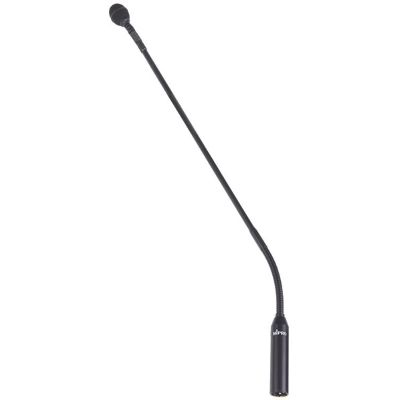
Gooseneck Microphone
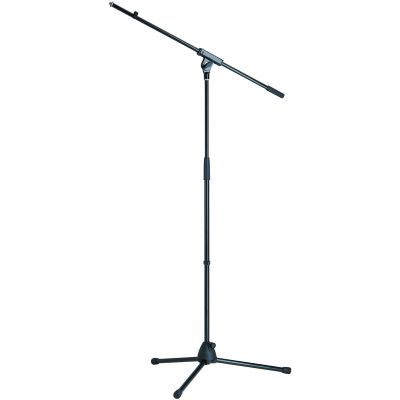
A gooseneck microphone is suitable for a lectern, conference table or another clearly defined speaking position.

Presentations, seminars, panel discussions and conferences all have one goal: everyone in the room should be able to understand speech effortlessly.
Microphones, wireless technology, mixers and loudspeakers therefore need to suit both the room size and the format of the event. This guide covers individual presenters, multiple discussion participants, lecterns, mobile presentations and larger conference rooms.
Do not choose the microphone by price first. Choose it according to the presenter’s freedom of movement and the number of people who need to speak.
A presenter at a fixed lectern needs a different solution from a trainer walking through the room or a panel discussion with six participants.
A gooseneck microphone is suitable for a lectern, conference table or another clearly defined speaking position.
A headset keeps the distance between the mouth and microphone nearly constant and leaves both hands free for presentation and gestures.
Lavalier microphones attach to clothing and remain visually unobtrusive. They are useful for presentations, interviews and video productions.
With several fixed participants, tabletop conference units or several wireless channels provide a clearer workflow than constantly passing one microphone around.
Practical rule: a microphone that stays consistently close to the voice requires less amplification and usually provides more feedback headroom than a microphone positioned far away.
| Application | Microphone | Mixer | PA | Expansion |
|---|---|---|---|---|
| Single Presentation | Headset or lavalier | Small compact mixer | 1–2 active speakers | Laptop playback |
| Lectern | Gooseneck microphone | Small mixer | Speech PA | Handheld backup |
| Seminar | Headset + handheld | 4–8 channels | Compact PA | Audience microphone |
| Panel Discussion | Several wireless channels or conference units | 8–16+ channels | Even speech coverage | Recording / streaming |
| Large Conference | Several wireless and tabletop systems | Digital mixer | Scalable system | Separate zones |
| Hybrid Event | Close speech microphones | USB / digital mixer | Room sound reinforcement | Computer / streaming |
Particularly suitable for trainers, speakers and presenters who move around. The consistent distance from the voice supports more even transmission.
Small and visually unobtrusive. Comfortable for interviews and presentations, but the greater distance from the mouth makes the result more dependent on room acoustics and clothing.
Easy to pass quickly between people and therefore ideal as an audience, interview or backup microphone.
Designed for lecterns and tabletop positions. The flexible construction allows the microphone to be aligned reproducibly with the person speaking.
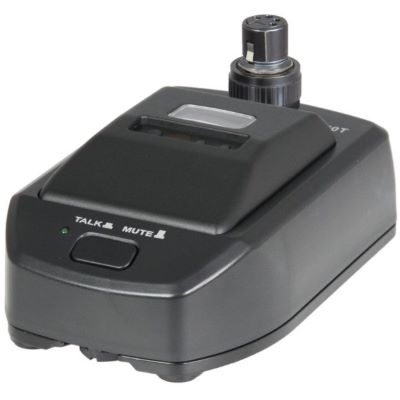
In meetings with many participants, passing one handheld microphone around quickly becomes impractical. Tabletop conference units provide clearly defined speaking positions and keep the discussion organised.
Wireless conference technology is especially interesting when the room layout changes regularly. Tables remain easier to reposition and long microphone cable runs across the room are reduced.
For a one-off event, several wireless handheld systems can instead be the more flexible solution. The correct choice depends on the number of participants, the moderation concept and whether people need to speak simultaneously or one after another.
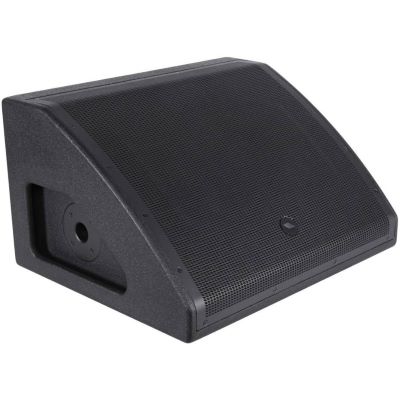
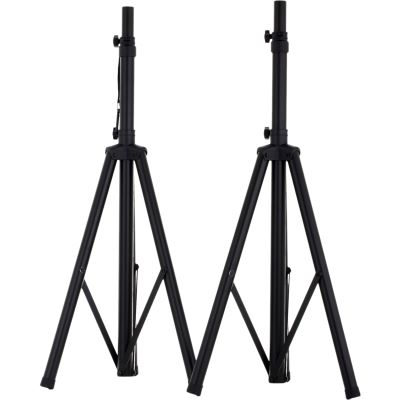
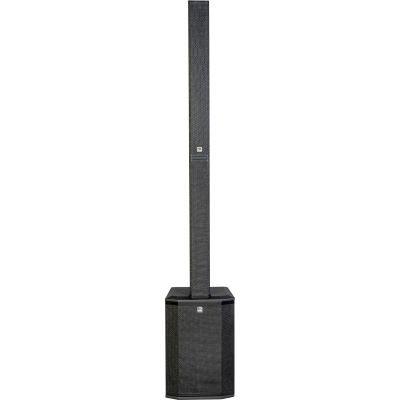
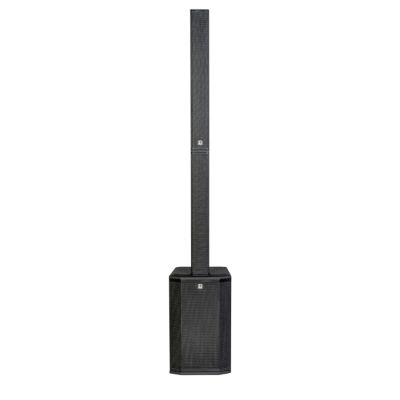
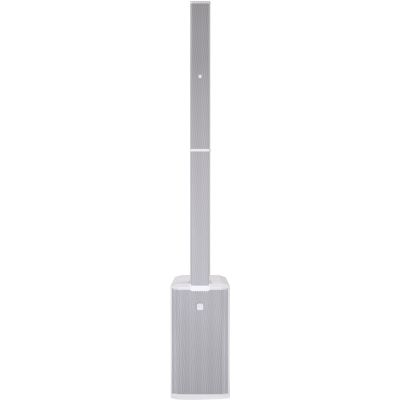
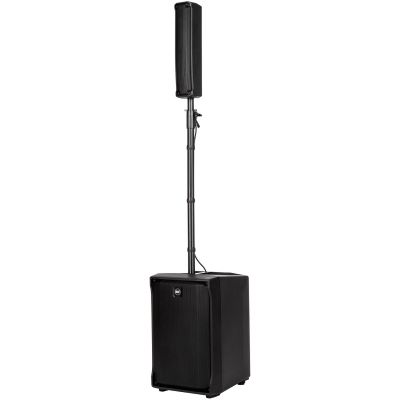
For speech events, even distribution is more important than deep bass. Compact active speakers can be positioned flexibly on stands, while column systems provide quick setup and a small footprint.
A compact active speaker or small mobile system can already be sufficient. The volume only needs to be high enough for people at the back to understand speech comfortably.
Two loudspeakers can provide more even coverage. They should be positioned in front of open microphones and aimed toward the audience.
Long or wide rooms can require additional loudspeaker zones. Permanent installations should therefore be designed specifically for the room.
For two microphones and one laptop, a small compact mixer can be sufficient. With several wireless channels, panel discussions and streaming, a digital mixer becomes increasingly useful.
Do not look only at the advertised total channel count. Check how many microphone inputs are available at the same time, whether phantom power is required for condenser microphones and which outputs are available for loudspeakers, recording or streaming.
Allow reserve: two additional microphone inputs can be occupied very quickly at a conference – for example by an audience microphone or an additional discussion participant.
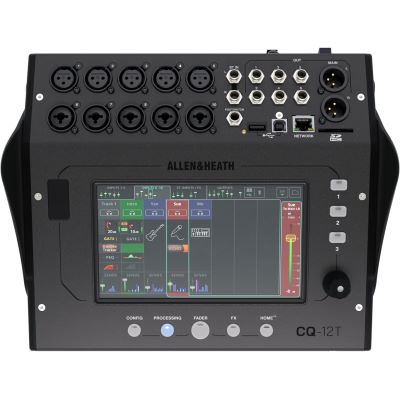
In addition to room sound reinforcement, a hybrid event requires a clean audio feed to the conference computer. A mixer with USB audio can simplify this connection.
At the same time, audio coming from the video conference must not simply feed back into open room microphones and create disruptive echoes.
Clean speech at the source improves both the sound in the room and the signal received by online participants.
A mixer with computer connectivity can combine microphones and playback sources and send them together to the conference computer.
Room loudspeakers and the online signal serve different purposes. Larger systems benefit from separate output paths and more deliberate routing.
Tabletop units for structured meetings and discussions.
For lecterns and fixed tabletop speaking positions.
Keep both hands free during presentations and training.
Unobtrusive speech pickup from clothing.
For moderators, audiences and changing speakers.
Clear signal control for smaller presentations.
More channels, routing and recallable configurations.
Flexible speech reinforcement without a separate amplifier.
The selection covers fixed speaking positions, mobile presenters, panel discussions, room sound reinforcement, mixers and important infrastructure.
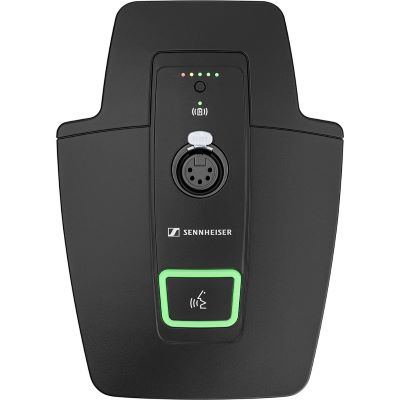
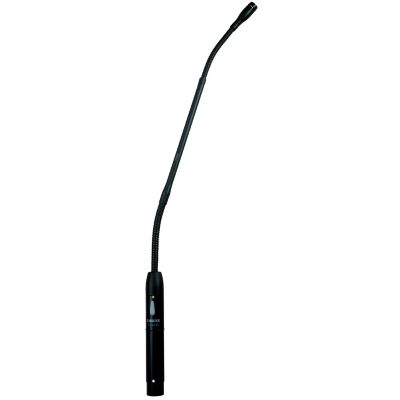
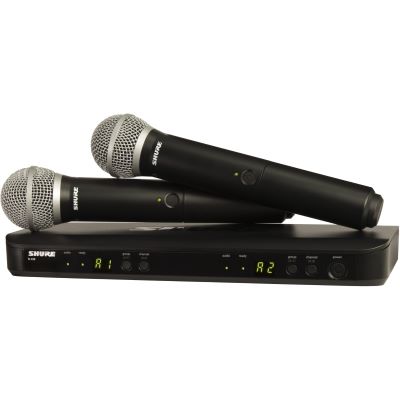
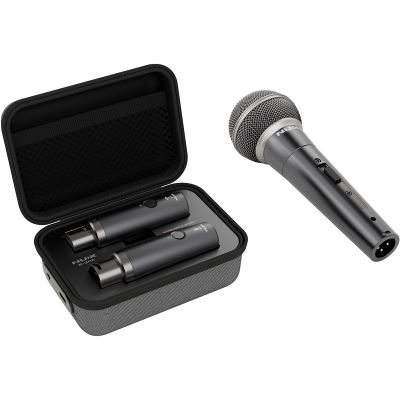
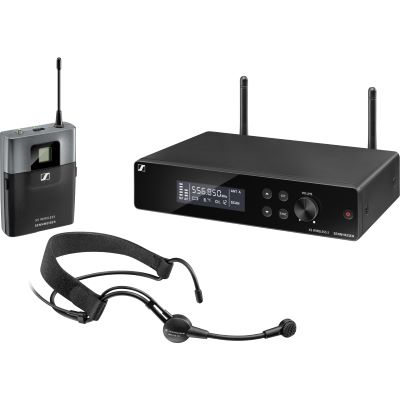
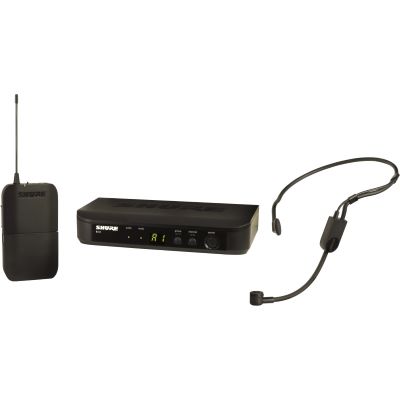

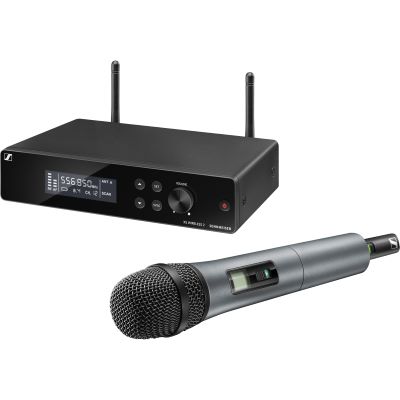

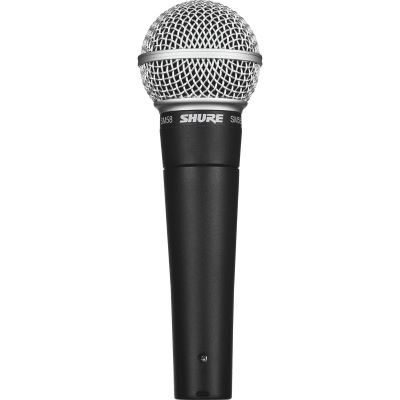

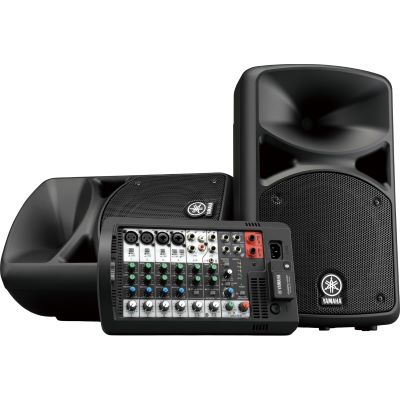
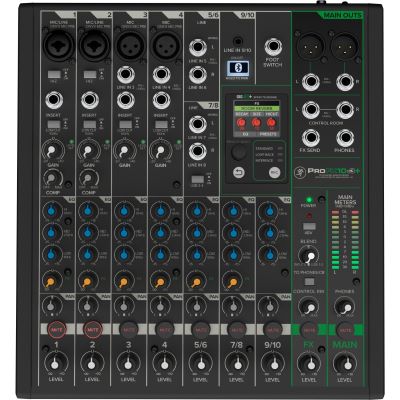
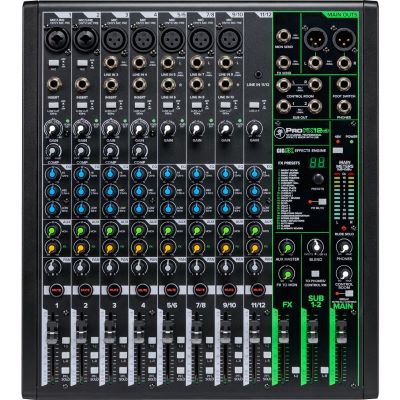
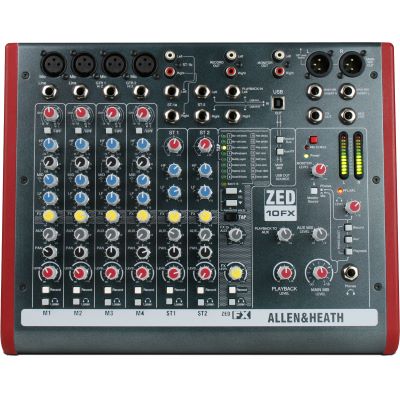
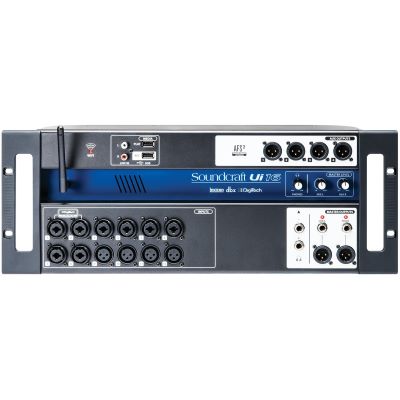
Microphones connect to the appropriate mixer inputs. Preamplifier gain, tone and level are adjusted there. Condenser microphones may require suitable phantom power depending on the model.
The main output feeds the room loudspeakers. At hybrid events, an additional output or USB audio connection can supply the conference computer. This makes the signal path easier to control.
Guide status: 24 August 2026. Frequency ranges, connectors and software functions differ between products. Several simultaneous wireless systems and permanent installations should therefore be planned for the specific venue.
A conference should not depend on a single cable, wireless transmitter or presentation audio source. A small prepared reserve keeps common faults manageable.






Presenters who move freely usually benefit from a headset. A gooseneck microphone is suitable for a fixed lectern, while a lavalier provides an especially discreet alternative.
The microphone capsule remains relatively close to the mouth even when the presenter moves their head. This reduces level changes and leaves both hands free for presentation and gestures.
A lavalier is useful when a particularly unobtrusive appearance is important. Because it sits further from the mouth, room acoustics need to be considered more carefully.
Several handheld transmitters work for a small number of participants. For regular use with many fixed seats, tabletop conference units or wireless conference systems usually provide a more structured solution.
This depends on the programme. A single presenter requires one wireless channel, while a discussion with a moderator and several guests needs more. When many systems operate simultaneously, wireless planning should be considered as one complete system.
Not necessarily in a small, quiet room. Once the room becomes larger, more people attend or the presenter should not have to strain their voice, suitable speech reinforcement significantly improves comfort.
A small compact mixer with suitable microphone inputs and a stereo or line input can be sufficient. Additional free channels provide useful reserve for later expansion.
Digital mixing becomes useful for larger panels, several wireless channels, separate output paths or hybrid events. Stored scenes are also helpful for recurring events.
Keep the microphone as close as possible to the voice and avoid aiming loudspeakers directly into open microphones. Correct gain staging and suitable loudspeaker positioning are also important.
In addition to microphones and room sound reinforcement, a connection to the conference computer is required. A mixer with suitable computer connectivity can combine several microphones and playback sources for transmission.
Mobile active loudspeakers, wireless microphones and a compact mixer can be moved quickly. Wireless tabletop conference units additionally reduce fixed cable routes.
Rental equipment can be useful for individual larger events. Additional wireless systems, mixers or PA components can then be added without permanently expanding the basic system.
Event equipment for conferences and presentations begins with clean speech pickup. Headset, lavalier, handheld or gooseneck microphones are selected according to the presenter’s freedom of movement and the format of the event. For panel discussions and larger meetings, several wireless channels or wireless tabletop conference units provide a more organised speaking workflow.
A compact or digital mixer combines microphones, laptops and additional media sources, while active loudspeakers distribute speech evenly throughout the room. For hybrid events, the mixer can additionally provide the connection to the conference computer.
Clearly assigned channels, spare cables and a wired backup microphone improve operational reliability and make the complete conference system easier to reproduce.
If additional wireless channels, mixers or loudspeakers are only required temporarily for an annual conference or a larger panel discussion, the existing basic system can be expanded using suitable rental equipment.
Discover further guides covering microphones, PA systems, schools and auditoriums, event equipment, recording, musical instruments and mobile setups.