Two to Four PARs
Use two fixtures to illuminate the musicians and additional PARs for coloured backlighting. Automatic operation or straightforward DMX control is sufficient at first.

A band needs different lighting from a party: faces should remain visible, musicians need to be visually separated from one another, while choruses, solos and breaks can still look spectacular. A good band lighting setup therefore combines front light, coloured backlight, deliberate show effects, DMX control and, where appropriate, haze.
Start by planning around stage size and setup time. A few well-positioned fixtures are sufficient for small club performances. As the stage becomes larger, separate front and back lighting, additional effects and programmable control become increasingly important.
Use two fixtures to illuminate the musicians and additional PARs for coloured backlighting. Automatic operation or straightforward DMX control is sufficient at first.
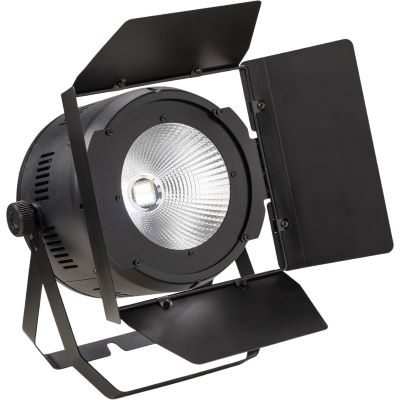
White or warm-white lighting from the front keeps faces visible. Coloured bars or PARs behind the band create depth and help separate individual musicians visually.
Recurring intros, verses, choruses and solos can be saved as lighting scenes. This allows the show to work reliably even without a dedicated lighting technician.
Moving washes, spots and short blinder accents add additional dynamics. They should complement the existing basic lighting rather than replace it.
A good starting point: invest first in clean front and wash lighting . Only once the band is reliably visible do moving heads , blinders and haze provide genuine additional show value.
Make singers and musicians visible from the front. White or slightly warm light is more important here than spectacular colour effects.
Coloured PARs or bars behind the band create visible outlines and prevent the musicians from blending visually into the stage background.
Moving heads, blinders or pixel effects can emphasise a chorus, solo, breakdown or final chord.
Subtle haze makes backlighting and moving beams visible in the air and gives the complete stage image more depth.
Coloured lighting from behind creates strong silhouettes, but faces quickly disappear. Singers, horn players and musicians at the front of the stage particularly benefit from deliberate white lighting.
Looks pleasant and traditional. Particularly suitable for singer-songwriters, acoustic music, jazz, soul and events requiring a natural-looking stage.
Provides clear visibility without imposing a strong colour mood and is a versatile basis for rock, pop and many club stages.
Particularly flexible when the same fixtures need to provide front lighting at one gig and coloured wash lighting at another.
Pure RGB can produce many colours, but depending on the fixture, its white tones may appear less natural. RGBW, RGBA or separate warm- and cool-white LEDs expand the options for faces and skin-friendly lighting moods.
There is no single ideal colour temperature. Warm white looks more comfortable, while cooler white appears more modern and contrast-rich. More important is ensuring that several front fixtures do not produce completely different shades of white.
Rule for front light: make the musicians visible first – then add colour and movement.
Coloured fixtures positioned behind the band create visible edges along shoulders, instruments and hair. This makes even a small club stage appear considerably more three-dimensional.
Two or four RGBW PARs are easy to position and provide strong coloured areas for verses, choruses and other sections of the set.
A long LED bar distributes colour across a greater width and can evenly illuminate curtains, backdrops or the rear wall.
Fixtures with individually controllable segments can create chases and structured patterns. They are particularly effective for electronic and modern band productions.
| Type | Effect | Good For | Consider |
|---|---|---|---|
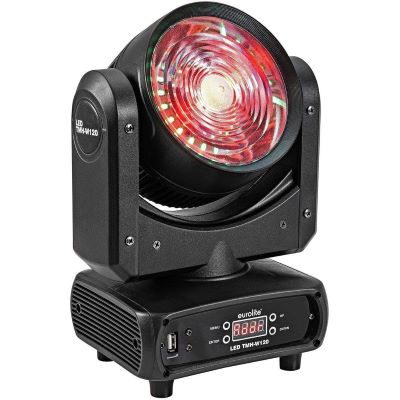
| Wash | Broad moving area of colour | Band, stage and backlighting | Less suitable for sharply defined projections |
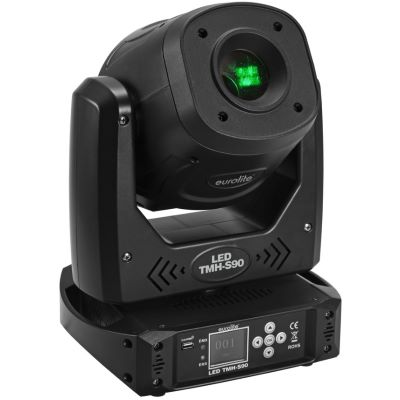
| Spot | Narrow light cone and gobos | Solos, breaks and show moments | Programmed positions are useful |
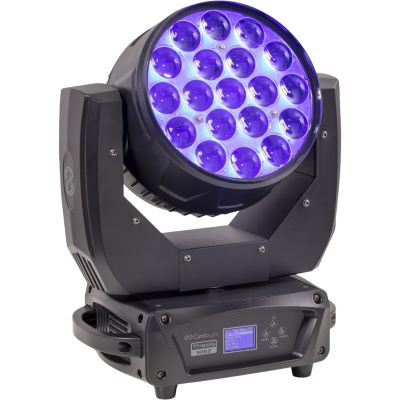
| Zoom Wash | Variable beam angle | Changing stage sizes | Higher price, but greater flexibility |
Practical tip: two identical moving heads positioned to the left and right usually look much more structured than one fixture in the centre. Symmetrical movements are also easier to programme.
Stand-alone programmes are sufficient in the rehearsal room. For regular gigs, DMX becomes worthwhile: fixed scenes for intros, verses, choruses, solos and blackouts can be stored and recalled repeatedly.
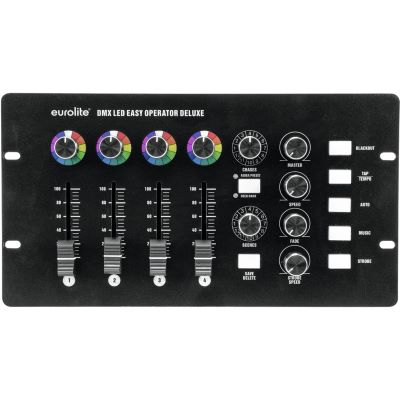
Useful with only a few PARs. Colours, brightness, strobe and blackout remain immediately accessible through physical controls.
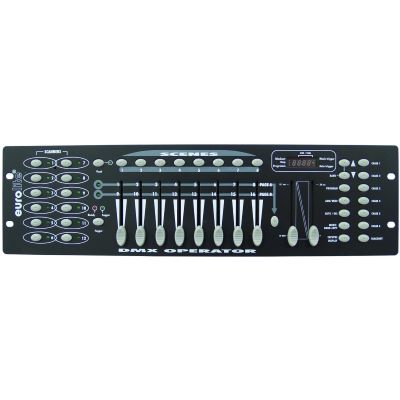
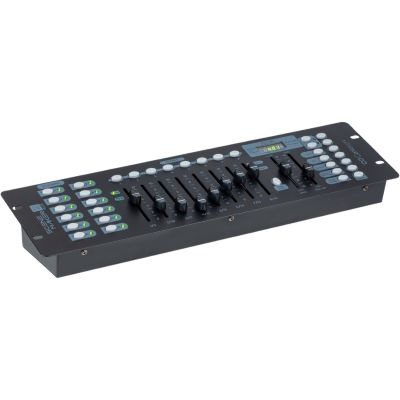
Scenes and chases can be stored without a computer. This is a practical solution for small bands with a recurring lighting setup.
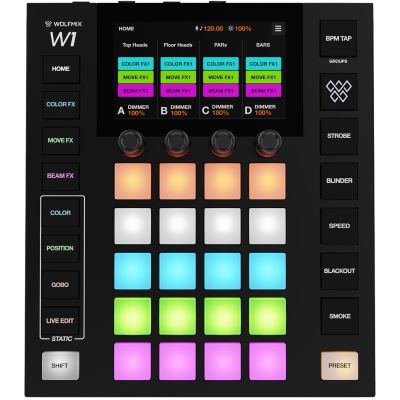
Modern controllers combine touchscreen operation, effects and direct performance controls and suit larger mobile band setups.
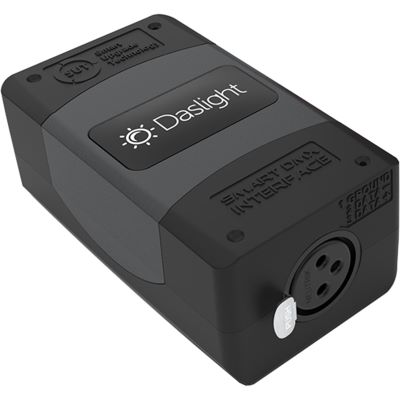
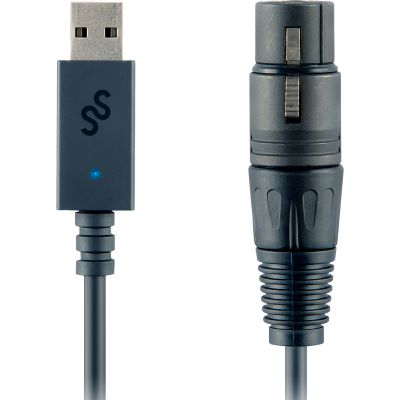
A DMX interface connects the computer to the lighting rig. This is particularly flexible for synchronised or more extensive shows.
| Stage | Front | Back | Effects |
|---|---|---|---|
| Small Club | 2 white / RGBW PARs | 2 coloured PARs | Optional haze |
| Mobile Band | 2–4 PARs | 4 PARs or 2 bars | Blinder or 2 moving heads |
| Larger Stage | Several white-light positions | PARs & bars | Moving heads, blinder and hazer |
| Open Air | Weather-suitable fixtures | Powerful washes | Check IP protection consistently |
Add the weight of fixtures, bars, clamps and crossbars and compare the total with the permitted load of the stand or truss system.
Fixtures installed above people require suitable mounting hardware and the secondary safety equipment intended for the particular application.
IP20 lighting equipment does not belong in the rain. Use fixtures with appropriate protection for outdoor stages and exposed environments.
The selection prioritises solutions for front lighting, backlighting, movement, lighting control and atmosphere.
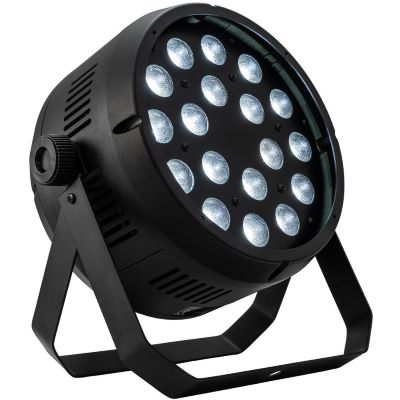
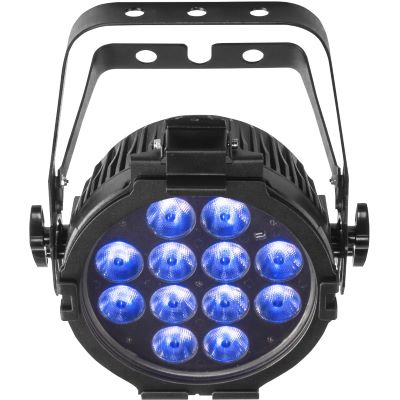
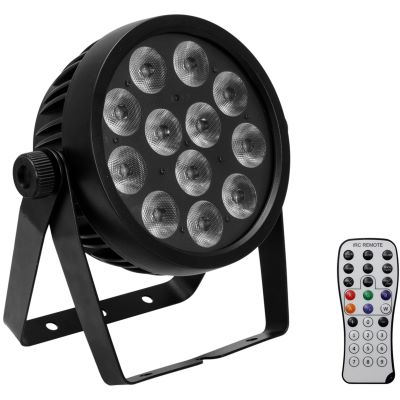
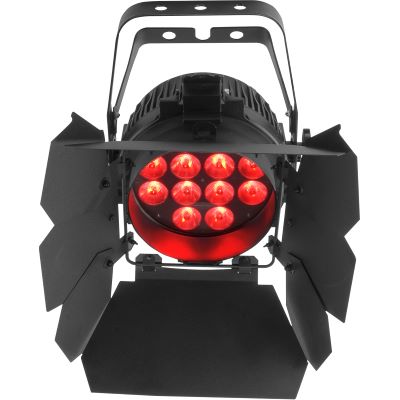
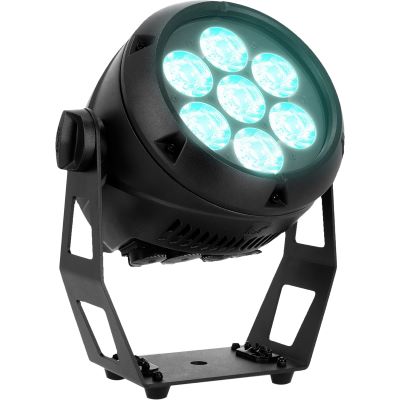
White front light keeps faces visible, while RGBW and multi-colour PARs can also take on wash and backlight duties.
View All LED PARsCreate contours behind the musicians and add structured lighting effects for modern band shows.
Add moving washes and focused show accents once the front and back lighting are already established.
View All Moving HeadsFrom direct LED control to standalone performance controllers and software-based lighting shows.
View Lighting ControllersFine haze adds depth to beams and backlighting, while a splitter helps distribute DMX reliably across several branches of the stage.
Within one manufacturer ecosystem, fixture modes, wireless-DMX systems and controllers can often be coordinated more easily.
The band may look dramatic, but faces disappear. Front lighting remains essential.
Moving heads are more effective when movement is deliberately reserved for musical highlights.
Automatic operation does not understand song structure. DMX scenes create considerably more controlled shows.
Two or three coordinated colours often look more professional than permanent rainbow combinations.
Cases, stands and cables can take up more space in the vehicle than the fixtures themselves.
Before the gig, clarify the venue rules, ventilation and installed fire-detection technology.
Two fixtures for the front and two to four coloured PARs for backlighting are a sensible starting point. This keeps musicians visible while already allowing several different lighting moods.
White light with good colour rendering is particularly helpful. Warm white appears more traditional, while neutral white looks more modern. RGBW or multi-colour PARs provide greater flexibility when the same fixtures also need to work with colour.
Front PARs are positioned or suspended in front of, or slightly to the side in front of, the band. Coloured PARs can be placed to the side of or behind the musicians to create outlines and stage depth.
Not necessarily. Good PAR fixtures are more important when getting started. Moving heads become useful once the basic lighting is established and solos, choruses or breaks should receive additional movement.
Wash models suit moving areas of colour and backlighting. Spots produce narrower beams and gobos. A wash is often more versatile on a small stage, while a spot provides more options for clearly defined show effects.
Stored DMX scenes can be recalled using a straightforward console, standalone controller or suitable software. Some bands additionally trigger scenes using MIDI or a foot controller.
Fine haze makes light beams visible in the air. Backlighting, beams and moving heads therefore gain spatial depth. Without haze, you often see only the illuminated surface rather than the path of the light.
Strong combinations such as blue with white, red with amber or magenta with blue can work well. A consistent colour scheme for each song or section is more important than the musical genre itself.
Only when the specific fixture is intended for the environmental conditions. For rain and moisture, use lighting equipment with a suitable IP protection rating.
Improve the front and back lighting first. After that, good lighting control is usually more valuable than another random effect. Moving heads, blinders and haze are the next sensible upgrade stages.
Choose speakers, subwoofers and complete PA systems for live bands.
Manage scenes, monitor mixes and complete band setups from one central mixing system.
Personal monitor mixes can reduce stage volume and give musicians more control over what they hear.
For individual larger productions, additional stage lighting can also be added on a project-by-project basis.
First provide even front light so singers and musicians remain visible. Add coloured PARs or LED bars behind the band to create outlines and stage depth. DMX then makes these lighting scenes repeatable. Moving heads, blinders and haze are added afterwards as deliberate show elements. In this way, a simple lighting setup can grow step by step into a professional-looking band show.
Lighting, PA systems, mixers, microphones, in-ear monitoring, recording, DJ equipment and musical instruments: the central Musikhaus Korn guide helps with further buying decisions and the construction of complete setups.