
Musikhaus Korn Microphone Guide
Microphones for Drums: Mic Kick, Snare, Toms & Overheads Properly
An acoustic drum kit is not a single sound source: kick, snare, toms, hi-hat, cymbals and the room all perform different jobs. A good drum-microphone setup therefore usually combines rugged dynamic microphones for the shells with detailed condenser microphones for overheads and cymbals. From a simple one- or two-microphone setup to a complete multitrack recording, this guide helps you choose the right system.
Kick, Snare, Toms & Overheads
Studio, Rehearsal Room & Stage
Phase & Multitrack Recording Explained
Related Drum Recording Topics
Drum Microphone Quick Facts
Do Not Mic Every Drum Immediately
How Many Microphones Do You Need for Your Drum Kit?
More microphones provide greater control in the mix, but they also increase the number of required channels, cables and possible phase problems. Choose the smallest setup that reliably achieves your recording goal.
One Microphone for the Complete Kit
One microphone positioned in front of or above the drum kit can provide a very natural overall sound. This works well for demos, lo-fi productions, jazz and first recording experiments.
Kick Plus Overhead
A dedicated kick microphone provides controlled low end, while one overhead captures snare, toms, cymbals and the overall picture of the drum kit.
Kick, Snare & Two Overheads
An excellent compromise for home studios and band recording. Kick and snare can be processed independently while the stereo overheads capture the complete instrument.
Control Every Drum Separately
Kick, snare, several toms, hi-hat and stereo overheads receive their own channels. Your audio interface must provide a corresponding number of simultaneously usable microphone preamps.
Recommended home-studio starting point:
kick, snare and two overheads already provide a great deal of
control with only four inputs. Tom, hi-hat and room microphones
can be added later when the mix genuinely requires them.
Every Part of the Kit Has Different Requirements
Which Microphone for Kick, Snare, Toms & Cymbals?
Kick Drum
Specialised dynamic kick microphones are designed for powerful low frequencies and defined beater attack. Positioning inside or outside the resonant head changes the balance between click, punch and deep bass.
Snare
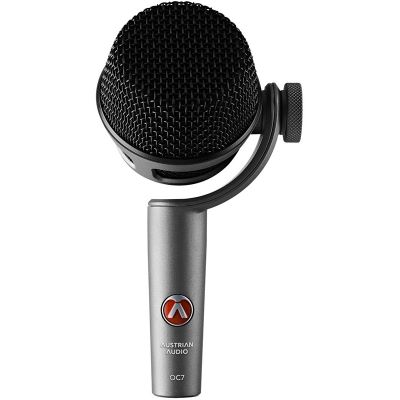
Compact dynamic cardioid or supercardioid microphones are especially common. They handle high sound pressure levels and can be positioned close to the batter head.
Toms
Drum clip microphones save stands and reduce the amount of equipment around the kit. Directional dynamic microphones also help reduce bleed from neighbouring toms and cymbals.
Overheads
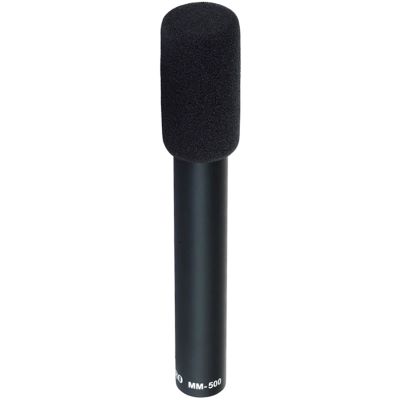
Small-diaphragm condenser microphones react quickly to cymbals and percussion and work particularly well as a stereo pair for capturing the complete drum kit.
Does the Hi-Hat Need Its Own Microphone?
Not always. In many productions there is already sufficient hi-hat in the overhead and snare channels.
A dedicated small-diaphragm channel becomes useful when the hi-hat needs to be processed or balanced independently.
When Is a Room Microphone Useful?
A more distant microphone can give the drum kit greater depth and size when the recording room sounds good.
In a problematic small room, an additional room channel is not automatically beneficial.
Drum-microphone rule:
dynamic microphones for focused drum shells –
condenser microphones for cymbals, transients and
the spatial picture of the complete kit.
Position Before EQ
How to Position Drum Microphones
Moving a drum microphone only a few centimetres can change the balance of attack, body, overtones and bleed substantially. Optimise the position before relying on extensive EQ.
Kick: Inside for More Attack
Moving the microphone closer to the beater normally increases click and definition. Moving it farther towards or outside the resonant head often produces a rounder and deeper sound.
Snare: Rim Towards Centre
Begin slightly above the batter head and angle the microphone towards its centre. Aiming farther towards the centre increases attack, while positions nearer the rim reveal more overtones.
Toms: Keep the Setup Compact
Position tom microphones similarly to the snare. Rim clips keep microphone stands out of the drummer's playing area and simplify setup.
Overheads: Check the Geometry
Carefully compare the distances from both overhead capsules to central reference points such as the snare and kick. A symmetrical setup supports a stable stereo and centre image.
From Demo to Full Production
Drum Microphone Setups Compared
| Setup | Channels | Strength | Suitable For |
|---|---|---|---|
| One Microphone | 1 | Natural and fast | Demo, jazz, lo-fi |
| Kick + Overhead | 2 | More kick control | Home recording |
| Kick + Snare + OH L/R | 4 | Excellent balance of control and effort | Band and studio |
| Close-Mic Setup | 7–8+ | Maximum individual control | Rock, pop, metal and live recording |
More Microphones Require More Attention
Why Phase Is So Important When Recording Drums
The same snare hit reaches the close microphone and overheads at different times. When several microphone signals are mixed together, certain frequencies can therefore reinforce each other or partially cancel.
If the snare suddenly sounds thinner when the overheads are added, check the microphone positions first. Move one microphone slightly and listen to the complete drum mix again, including in mono.
A snare-bottom microphone also captures the opposite movement of the lower head. A polarity inversion can sometimes be useful on that channel, but it does not replace checking the actual arrival-time differences between microphones.
- Compare both overhead distances to the snare.
- Listen to kick and snare together with the overheads.
- Check the complete mix regularly in mono.
- Compare polarity settings where available.
- Move microphones before artificially shifting tracks.
Quick phase test:
if adding a second microphone makes the kick or snare sound
noticeably thinner, mute the tracks one by one and then change
microphone distance or position before reaching for corrective plugins.
Coordinated Microphones in One Package
All Drum Microphones
Complete Drum Microphone Sets
Drum-microphone sets combine suitable microphones for kick, snare, toms and overheads. They are particularly practical when you want to build a complete setup without selecting every microphone individually.
8-Piece Set

Eikon
DMH8XL
View Product
Compact Set
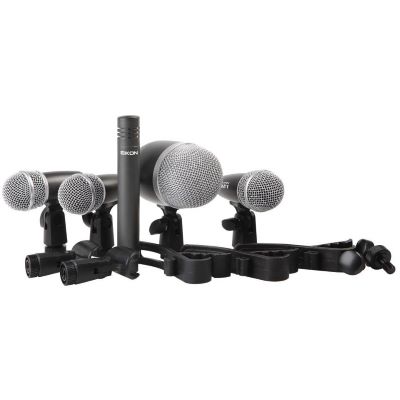
Eikon
DMH5XL
View Product
6-Piece Set
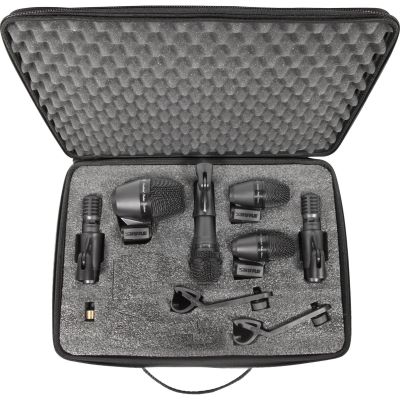
Shure
PGA Drumkit 6
View Product
4 Microphones

Lewitt
BEATKIT
View Product
Professional Set
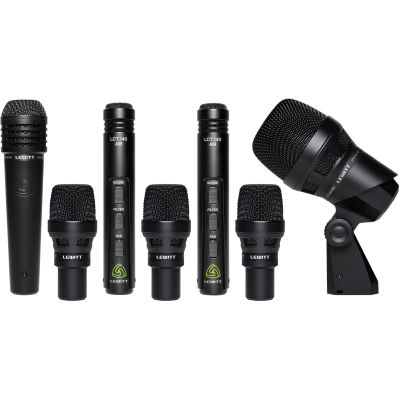
Lewitt
BEATKIT PRO
View Product
7 Microphones
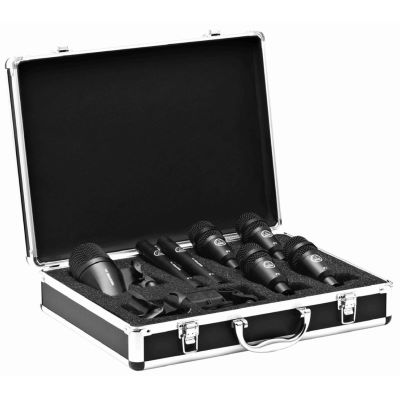
AKG
Drum Set Session I
View Product
e600 Series
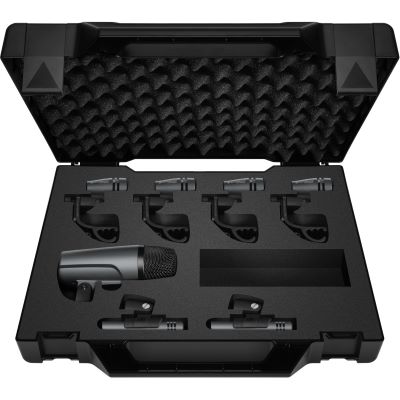
Sennheiser
600 Drum Microphone Set
View Product
Control Low End & Attack
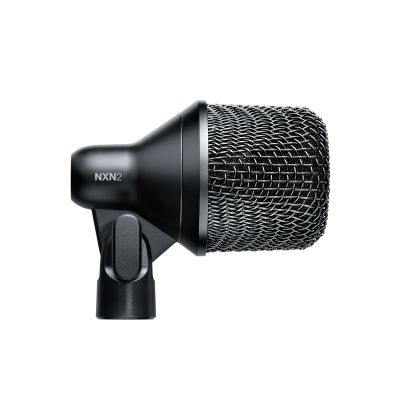
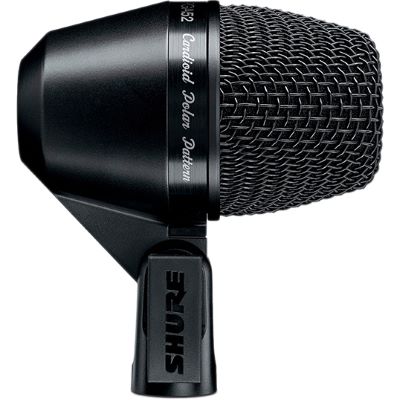
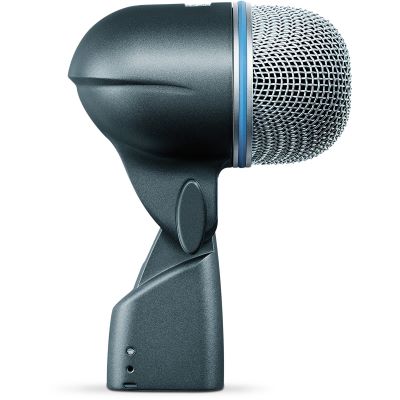
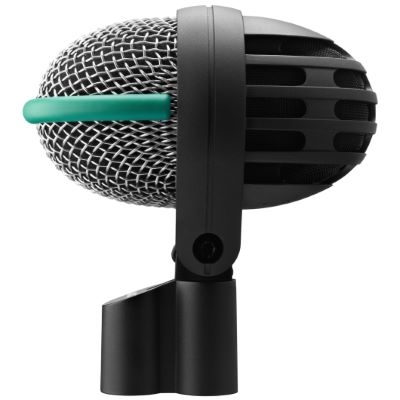
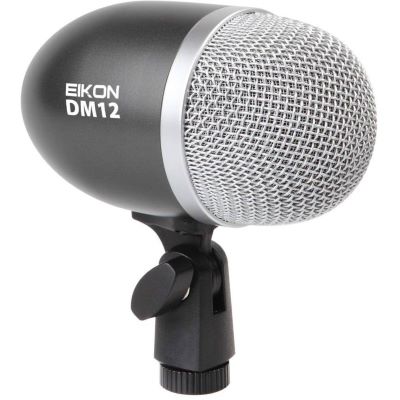
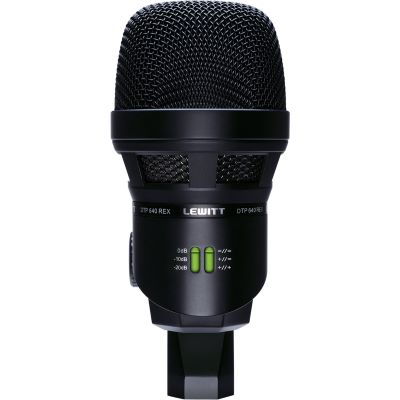
Kick Drum Microphones
Dedicated kick microphones are tuned for high sound-pressure levels, deep low frequencies and a defined beater attack. Positioning remains the final tone control.
Attack, Body & Controlled Bleed
Microphones for Snare, Toms & Percussion
Compact dynamic instrument microphones are especially popular around the drum kit because they handle high levels, fit into tight spaces and can provide useful rejection of neighbouring cymbals and drums.
Snare Classic
Shure
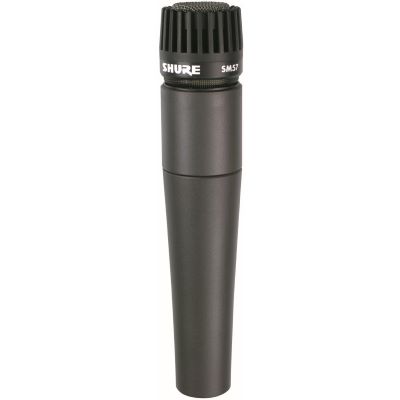
SM57 LC
View Product
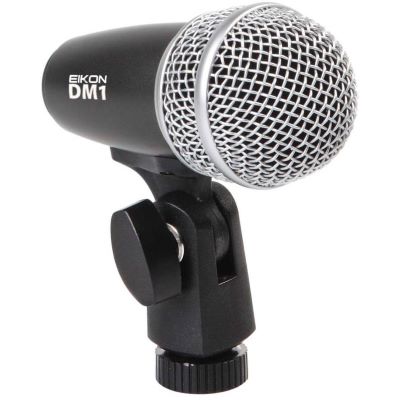
Eikon
DM1
View Product
Professional
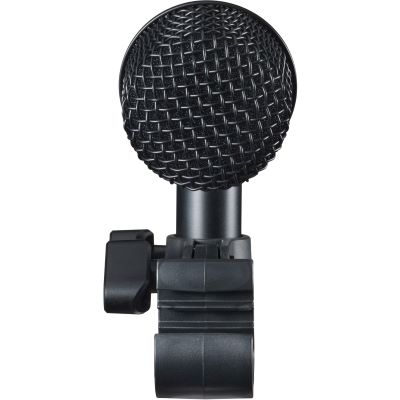
Shure
Nexadyne 6
View Product
Supercardioid
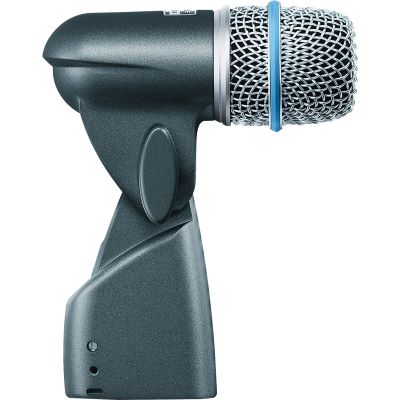
Shure
Beta 56 A
View Product
Clip Ready
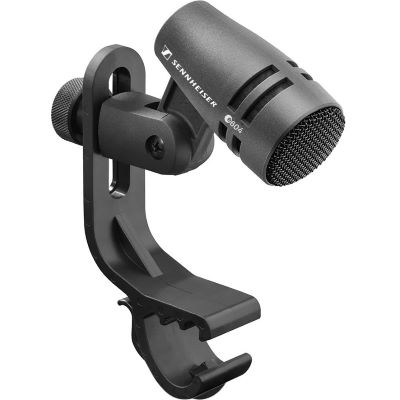
Sennheiser
E 604
View Product
3-Pack
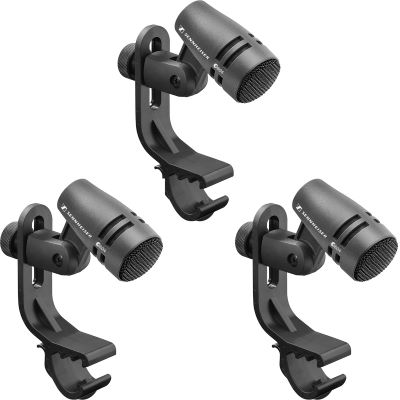
Sennheiser
E604 3Pack
View Product
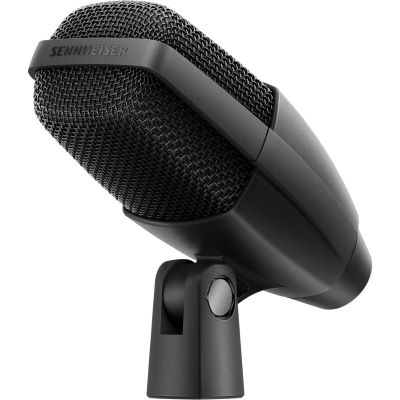
Sennheiser
MD 421 Kompakt
View Product
Drum Clamp
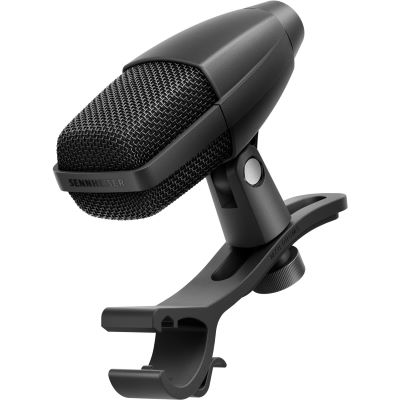
Sennheiser
MD 421 Kompakt with Drum Clamp
View Product

Lewitt
MTP 440 DM
View Product
Supercardioid
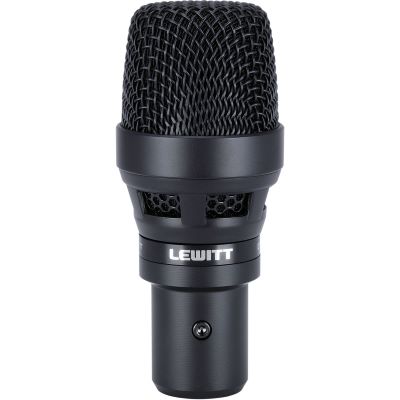
Lewitt
DTP 340 TT
View Product
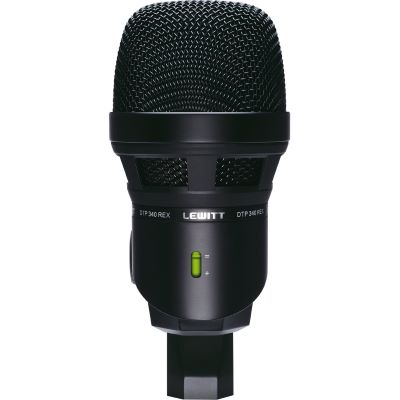
Lewitt
DTP 340 REX
View Product
Focused
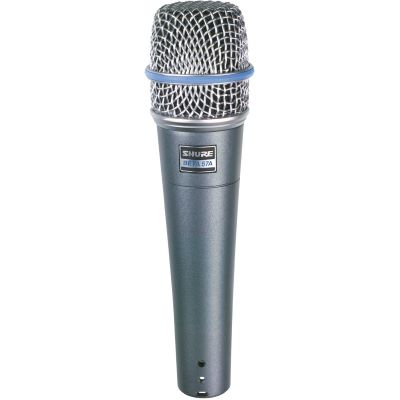
Shure
Beta 57 A
View Product
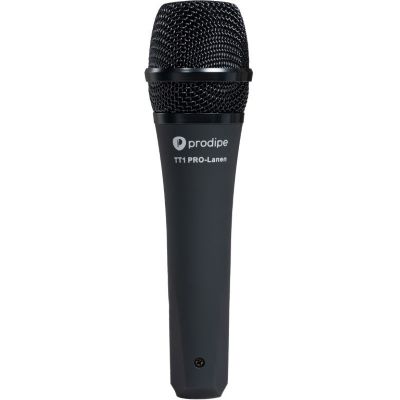
Prodipe
TT1 PRO Instruments
View Product
Cymbals & the Overall Picture
More Overhead Microphones
Condenser Microphones for Overheads & Hi-Hat
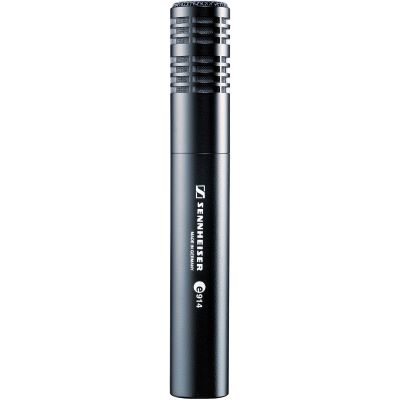
Overheads are not merely cymbal microphones. When positioned correctly, they capture the spatial relationship between cymbals, snare, toms and the room and therefore determine a large part of the natural drum sound.
The Complete Drum Recording System
What Do You Need in Addition to Drum Microphones?
A complete drum setup can quickly require four, eight or more simultaneous signal paths. Plan the interface, cables, stands and monitoring together.
Audio Interface
A complete drum kit can quickly require four, eight or more simultaneously usable microphone preamps.
Microphone Cables
Every microphone requires its own signal path. Eight microphones therefore require eight suitable XLR microphone cables.
Microphone Stands & Clamps
Overheads and kick microphones need stable positions. Rim clips save considerable floor space around snare and toms.
Studio Headphones
Closed headphones help you judge microphone positioning, levels and multitrack recordings without adding extra loudspeaker sound to the room.
Manufacturer Worlds
Brands for Drum & Percussion Microphones
Explore complete microphone sets, kick microphones, close microphones and overhead solutions from established manufacturers.








Frequently Asked Questions
Answers About Microphones for Drums
How Many Microphones Do You Need for a Drum Kit?
One or two microphones can already record a complete drum kit. For greater control, kick, snare and two overheads form an excellent four-channel starting point. Extensive productions commonly use seven, eight or more microphones.
Which Microphone Is Suitable for the Kick Drum?
Specialised dynamic kick microphones are especially common. They are designed for high sound-pressure levels, deep frequencies and a clearly defined beater attack.
Which Microphone Is Suitable for Snare Drum?
Compact dynamic cardioid or supercardioid microphones are the standard starting point. Models such as the Shure SM57, Sennheiser E 604 or comparable instrument microphones are classic choices.
Which Microphones Are Used for Drum Overheads?
Small-diaphragm condenser microphones are particularly popular because they capture fast transients and cymbals in detail. A matched pair simplifies stereo recording.
Do Overhead Microphones Need 48 V Phantom Power?
Many professional XLR condenser microphones require phantom power. Check the requirements of the specific microphone and whether your audio interface or mixer provides suitable 48 V switching.
Does the Hi-Hat Need Its Own Microphone?
Not necessarily. There is often already enough hi-hat in the overhead and snare channels. A dedicated microphone is useful when you need more independent control over the hi-hat in the mix.
What Should I Consider About Phase with Several Drum Microphones?
The same drum hit reaches different microphones at different times, which can cause partial cancellation. Compare microphone distances and listen to the complete drum recording regularly in mono.
Is a Complete Drum Microphone Set Worth Buying?
Yes, when you want to mic a complete kit quickly and conveniently. Individual microphones provide more freedom when you deliberately want to combine different tonal characters for kick, snare, toms and overheads.
How Many Audio Interface Inputs Do I Need for Drums?
You need at least as many simultaneously usable microphone inputs as microphones being recorded. A four-microphone setup requires four mic preamps; a complete eight-channel drum setup requires eight.
The Selection Summarised
Microphones for Drums: Selection & Guide
Specialised dynamic microphones with powerful low-frequency reproduction and clearly defined attack are a strong choice for the kick drum. Snare and toms are commonly recorded with compact dynamic instrument microphones, while small-diaphragm condenser microphones are frequently used as overheads for cymbals, hi-hat and the overall picture of the drum kit.
You do not need to begin with eight microphones. Kick, snare and two overheads already form a very capable setup. Additional close microphones provide more control over individual toms and cymbals, but also increase channel count, cabling and the importance of clean phase relationships.
Complete drum microphone sets provide a straightforward way to start because appropriate kick, shell and overhead microphones are already combined. If you later want more specific sounds, individual kick, snare, tom and overhead microphones can be combined to expand the recording system step by step.
More Buying Advice
From Drum Microphones to a Complete Recording Setup
Discover more Musikhaus Korn guides about drums, microphones, audio interfaces, home studios, monitoring and complete recording technology.