Vocals and Acoustic Guitar
A compact column PA with at least two suitable inputs can already handle the complete setup: guitar through its pickup or a DI box, and vocals through a stage microphone.

Vocals, acoustic guitar, piano, cajón, strings or wind instruments should sound larger through a PA while still retaining their natural character. That is the central challenge of acoustic reinforcement. Transparent mids, sufficient headroom, suitable microphones and a clean signal path are usually more important than maximum deep bass.
The main question is how many voices and instruments need reinforcement and whether the instruments already have pickups. The fewer separate components you need, the faster and more manageable the setup remains.
A compact column PA with at least two suitable inputs can already handle the complete setup: guitar through its pickup or a DI box, and vocals through a stage microphone.
A small mixer provides more control over levels, EQ and reverb. Two loudspeakers can additionally provide broader audience coverage.
Guitars, vocals, cajón, keyboard and double bass can fill a compact mixer surprisingly quickly. Allow spare inputs and monitor paths from the beginning.
A visually discreet column PA is particularly useful when live music, announcements, speeches and background music need to use the same sound system.
A useful starting point: for vocals plus acoustic guitar, a compact mixer or PA system with two good microphone/instrument inputs is often more useful than an oversized system designed primarily for maximum bass.
Microphone choice, pickup connection, gain staging and filtering all influence the result before the finished mix ever reaches the PA speakers.
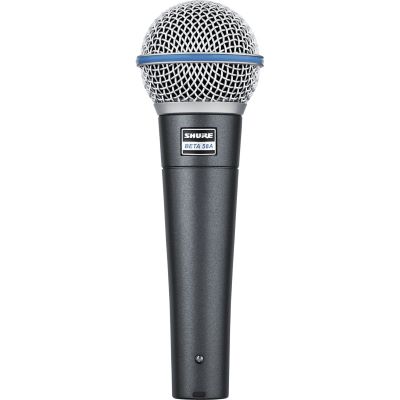
A suitable stage microphone captures the singer at a useful working distance and helps reduce unwanted room sound and spill from other instruments.
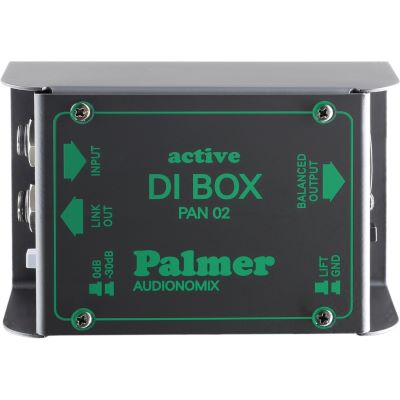
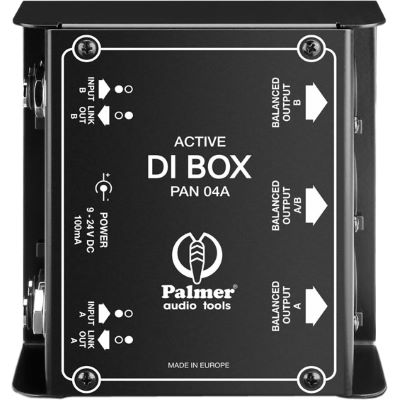
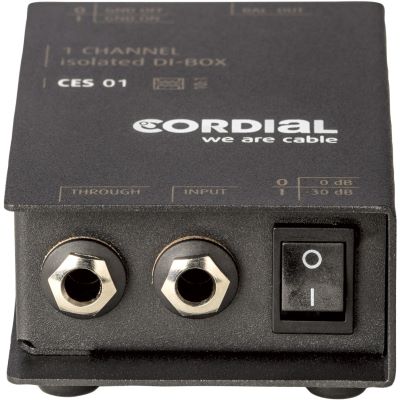
Pickup signals can run into a suitable Hi-Z instrument input or through a DI box to create a balanced signal for the mixer.
Gain, high-pass filtering, EQ and a controlled amount of reverb help vocals and instruments fit together without masking their natural character.
The front loudspeakers distribute the finished mix. Good positioning normally matters more than unnecessarily high playback volume.
A built-in pickup is particularly practical live and usually provides good feedback reserve. A microphone can capture more natural body and string detail, but reacts more strongly to the room and the position of the PA speakers.
If the mixer and stage setup provide enough control, both signals can also be combined.
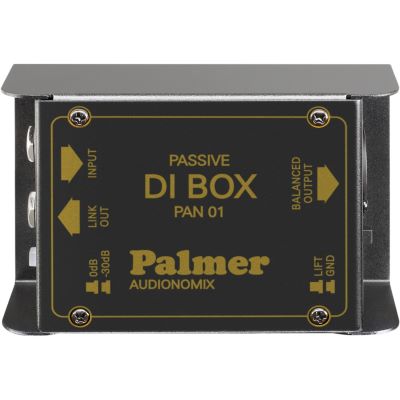
A DI box converts an unbalanced instrument signal into a balanced signal path suitable for a microphone input. This is particularly useful for longer stage cables.
A ground-lift switch can also help when a ground loop is causing audible hum.
The compact rule: use a pickup for maximum live practicality, a microphone for more acoustic detail, and combine both when the mixer and stage setup provide sufficient control.
Both concepts can work very well. The better choice depends mainly on transport, audience coverage and how far the system should be expandable.
| System | Strengths | Ideal For | Expansion |
|---|---|---|---|
| Column PA | Fast setup, discreet appearance, broad coverage | Solo, duo, wedding, café | Second system depending on model |
| 2 Active Tops | Free positioning and good scalability | Duo, trio, small band | Easy to add subwoofers and monitors |
| Portable Complete PA | Mixer and loudspeakers as a coordinated system | Mobile musicians, schools, clubs | Depends on the individual system |
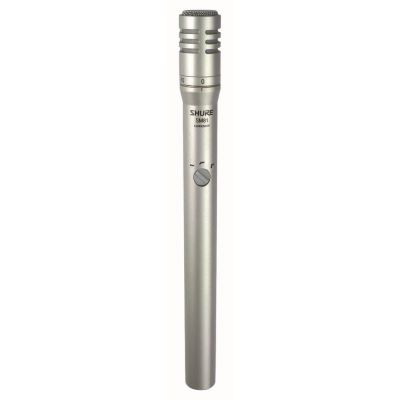
A pickup through a Hi-Z input or DI box is a robust live solution. For more acoustic detail, a suitable small-diaphragm microphone can be added or used instead.
Stereo outputs require two mixer channels or a suitable stereo DI solution. On very small stages, mono operation can sometimes be sufficient.
A microphone or integrated pickup can reinforce both attack and fundamental tone. A subwoofer only becomes important when more low-frequency output is actually required.
Stand microphones, clip systems and pickups offer different combinations of natural sound, freedom of movement and isolation from other sound sources.
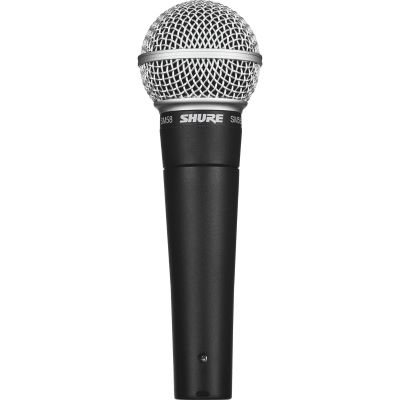
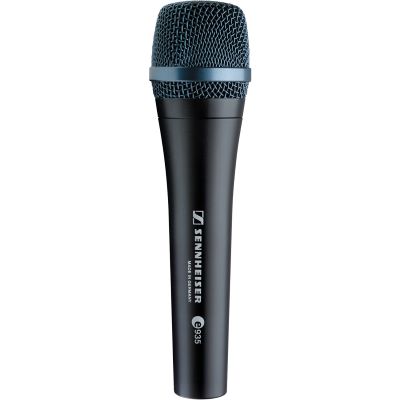
Dynamic vocal microphones are widely used on live stages. The relatively short working distance helps keep room sound and other instruments less prominent in the vocal channel.
For many singer-songwriters this is the most reliable and uncomplicated starting point.
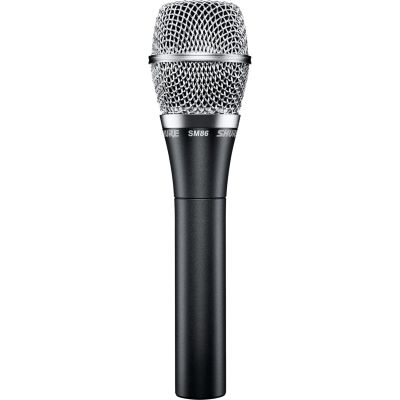
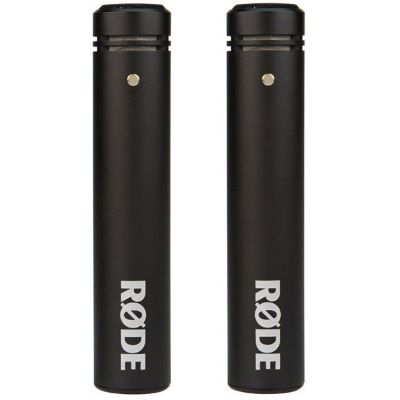
Condenser microphones can reproduce fine vocal and instrument details very accurately. Many professional XLR condenser microphones require 48-V phantom power.
Their detailed response also means that room acoustics, microphone position and loudspeaker placement deserve additional attention.
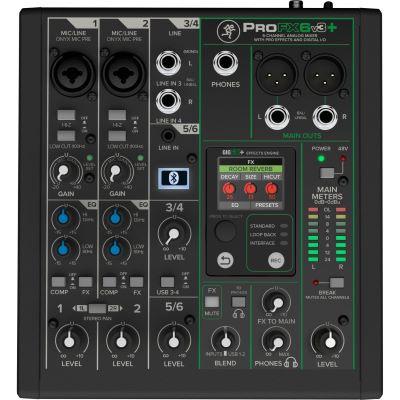
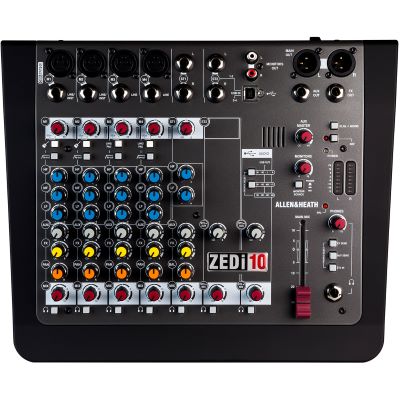
An integrated PA mixer is convenient for a very small setup. A separate compact mixer provides additional inputs, more precise level control and often useful functions such as reverb, high-pass filters or Hi-Z instrument inputs.
Good full-range tops or a capable column PA are sufficient for many singer-songwriter applications. A separate subwoofer mainly increases transport volume and setup effort in this case.
Once several instruments with relevant low-frequency content become part of the mix, a compact subwoofer can extend the foundation and relieve the main speakers.
If the same system is used for party or background music after the acoustic performance, a separate subwoofer becomes much more useful.
An acoustic guitar or vocal does not automatically sound more natural when additional deep bass is added. A balanced mix is more important. Unwanted low-frequency rumble can often be reduced more effectively with a high-pass filter.
A 12-inch sub can already be useful in compact acoustic setups. A 15-inch model provides additional reserve. An 18-inch system becomes particularly interesting when powerful dance music or larger events are also planned.
Expand only when required: a modular system lets you begin with two good tops and add a subwoofer later. Small acoustic gigs then remain light and transport-friendly.
Position the main speakers in front of the vocal and instrument microphone line wherever the venue allows it.
Mid and high frequencies should project beyond the first audience rows instead of being absorbed immediately by the nearest listeners.
A useful close microphone position improves the relationship between direct sound and unwanted room or stage sound.
Lower monitor and amplifier levels make it easier to create an open, natural front-of-house mix and improve feedback reserve.
The examples follow the product groups used on the current German source page. Product images use the current Musikhaus Korn article numbers. Prices and stock levels are intentionally not hard-coded.
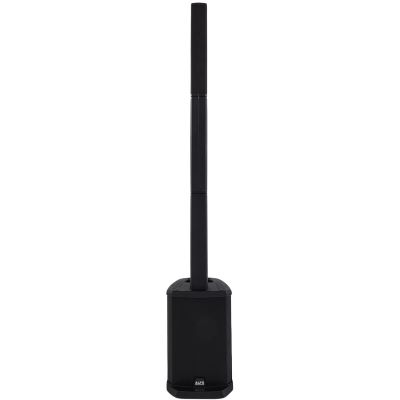
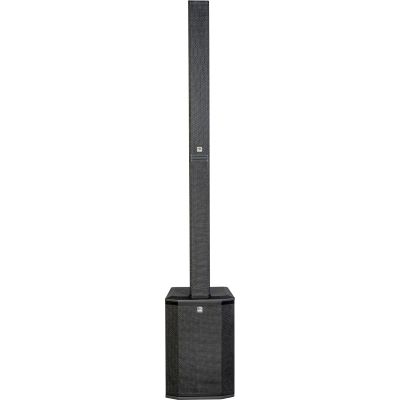
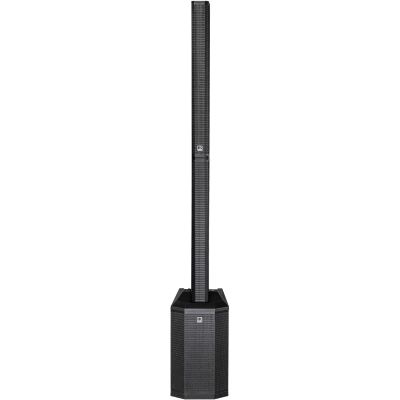
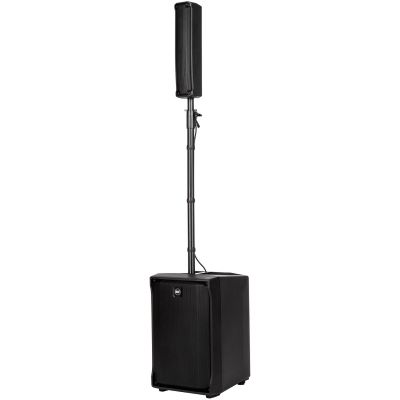
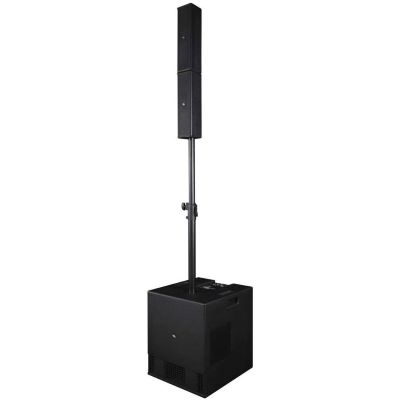
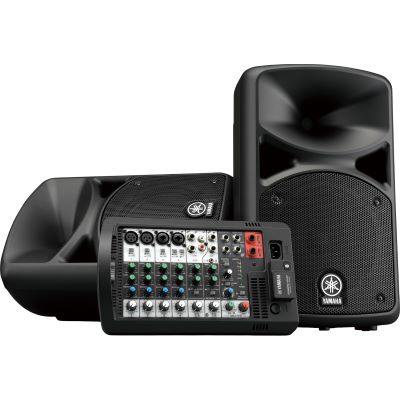
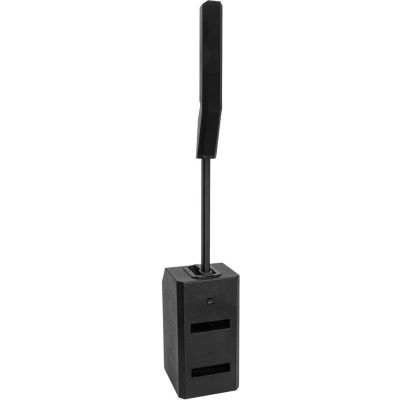
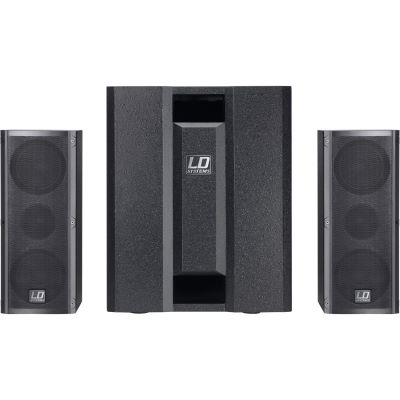
Microphone stands, XLR cables, instrument cables, speaker stands and transport solutions are part of a reliable live setup too.
Compare complete product ranges for compact PA systems, active speakers, mixers, microphones and DI boxes.














Acoustic guitar and vocals can quickly lose definition when unnecessary low-frequency energy remains in the mix.
More room sound reaches the channel and the available gain before feedback is reduced.
An unsuitable input impedance can unnecessarily affect the level and tonal character of the instrument.
A large reverb can sound attractive on its own but may hide articulation and vocal intelligibility in the complete mix.
This substantially increases the risk of acoustic feedback.
One guest microphone or additional instrument can make an undersized mixer impractical immediately.
A compact column PA or two small active tops are good starting points. At least one suitable microphone input and one suitable instrument path for the acoustic guitar are important.
Not necessarily. If the mixer has a suitable Hi-Z input, the guitar can be connected directly. For long cable runs or conventional microphone inputs, a DI box is very practical.
A pickup provides more freedom of movement and usually greater feedback reserve. A good microphone can reproduce more natural details of the instrument.
Dynamic microphones are straightforward and robust. On quieter, controlled stages, a suitable condenser handheld microphone can reproduce additional vocal detail.
Not necessarily if the PA system already provides enough suitable inputs. A separate mixer nevertheless offers more EQ, effects, connection options and spare capacity.
Often not for vocals and acoustic guitar. With cajón, piano, double bass or additional dance music, a subwoofer can extend the system usefully.
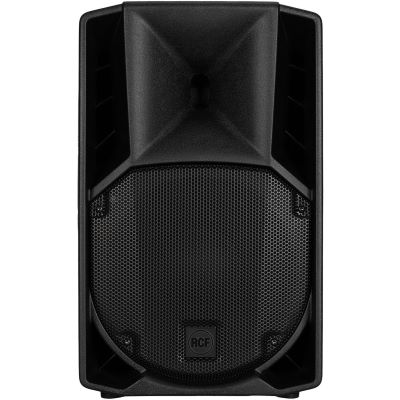
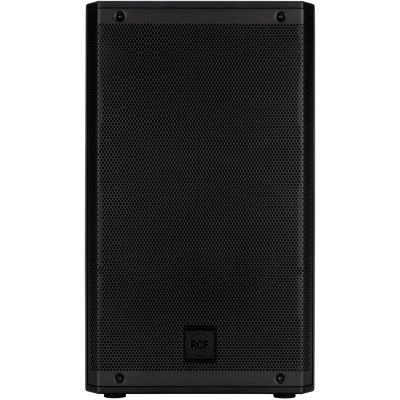
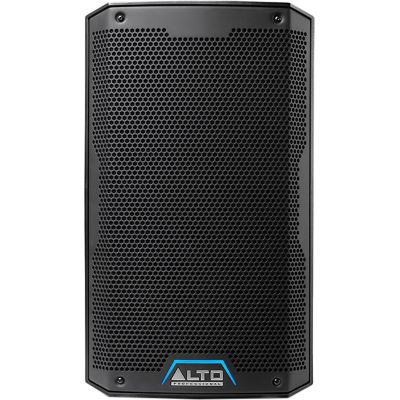
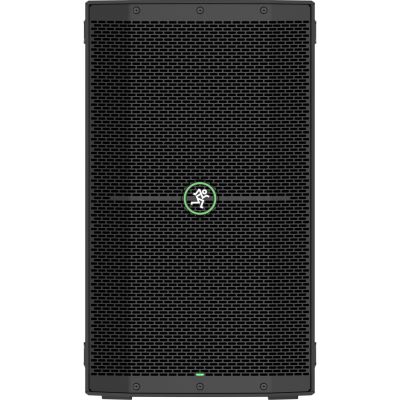
8 and 10-inch tops are especially compact. 12-inch speakers provide additional reserve. Actual suitability depends more on maximum output, dispersion and overall quality than on woofer diameter alone.
Position the PA ahead of the microphone line, use microphones close to their sources, reduce unnecessary stage volume and remove unwanted low frequencies with suitable high-pass filters.
Yes. The compact appearance, fast setup and, depending on the model, wide coverage make column systems particularly attractive for weddings and acoustic live music.
Yes, provided the system offers enough level, inputs and expansion options. A modular setup based on active tops is particularly easy to expand with subwoofers and monitoring.
When planning the system, combine the instruments, number of vocal microphones, typical event size and desired transport effort. This makes it easier to choose a PA that sounds natural without becoming unnecessarily large.
A PA for acoustic music should support the existing dynamics of voices and instruments rather than covering them up. Compact column systems and smaller active tops are particularly useful for singer-songwriters and duos because they keep transport and setup manageable while still providing sufficient coverage.
A compact mixer with suitable microphone and instrument inputs provides additional control over gain, EQ, high-pass filtering and reverb. Acoustic guitars can be connected particularly reliably through a pickup and DI box, while condenser microphones can capture more natural detail from acoustic instruments.
A subwoofer is not automatically part of an acoustic PA. Vocals and acoustic guitar can work extremely well without additional deep bass. Its benefit increases when cajón, piano, double bass or dance music becomes part of the application.
The result is a system that remains mobile and easy to understand while matching the actual ensemble rather than being unnecessarily oversized.
Find further decision guides for microphones, sound reinforcement, instruments, recording, DJ equipment and event technology in the central Musikhaus Korn guide world.