Classic Vinyl DJ
Precise pitch control, stable speed and a well-adjustable S-shaped tonearm are more important than a particularly long list of additional functions.

A DJ turntable needs to do more than simply play records cleanly. During cueing you hold the record in place, during beatmatching you correct its speed and during scratching you deliberately move it forwards and backwards. This makes direct drive, torque, a precise pitch fader, a stable tonearm and a low-vibration construction particularly important. This guide shows you which turntable suits mixing, club use, scratching, 7-inch vinyl and DVS.
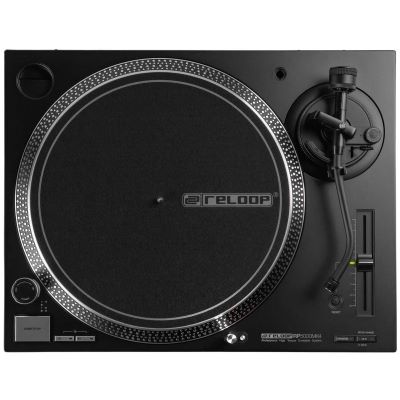
For a traditional two-deck vinyl setup, two identical turntables are particularly useful. Matching pitch travel, torque and start-up behaviour make manual beatmatching noticeably easier to learn.
For traditional DJing, start by looking for a turntable with direct drive. After that, the pitch fader, motor performance, tonearm, connections and your preferred playing style become the deciding factors.
Precise pitch control, stable speed and a well-adjustable S-shaped tonearm are more important than a particularly long list of additional functions.
Stable rotation, low-vibration construction, detachable cables and reliable mechanical controls become particularly important during regular professional use.
Higher torque, fast start-up, a suitable slipmat and a robust stylus support quick record movements, backspins and scratch techniques.
Timecode vinyl combines the physical feel of a real platter with a digital music library, Hot Cues and modern performance functions.
Practical rule: for a traditional two-deck vinyl setup, use two identical turntables wherever possible. Matching pitch travel, torque and start-up behaviour make beatmatching much easier.
With direct drive, the platter is driven directly by the motor. It therefore reaches its target speed quickly and reacts predictably to cueing, pitch corrections, backspins and scratch techniques.
A belt transfers motor power to the platter. This concept is widely used for conventional record playback, but the response is less direct when the DJ repeatedly stops and manipulates the record by hand.
Hi-Fi turntables can also use direct drive. DJs additionally need appropriate pitch control, suitable torque, manual cueing, robust controls and a tonearm that works reliably with DJ cartridge systems.
Playback or performance? If your main goal is simply listening to records, other priorities apply. If you want to match songs manually, scratch and repeatedly intervene in playback during a set, a DJ-oriented direct-drive turntable is the appropriate starting point.
Put simply, torque describes how strongly the motor accelerates the platter and how effectively it maintains rotation against manual intervention.
For traditional beatmatching, reliable start-up and stable rotation are the main priorities. Extremely high torque is not essential if the platter reacts predictably.
When the record is repeatedly stopped and moved backwards, stronger torque helps the platter return to the correct speed quickly after the record is released.
Models such as the Reloop RP-7000 MK2 and RP-8000 MK2 allow the starting torque to be adjusted, making the platter response easier to adapt to your preferred technique.
During beatmatching, you change the speed of the incoming record until both tracks run at almost exactly the same tempo. A precise pitch fader is therefore one of the most important controls on a DJ turntable.
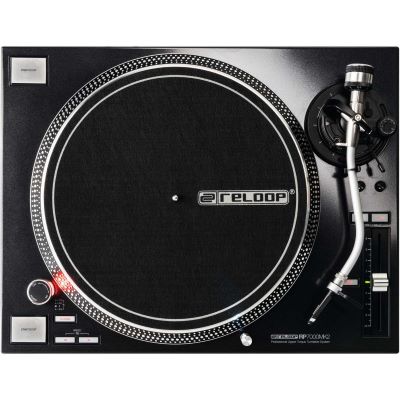
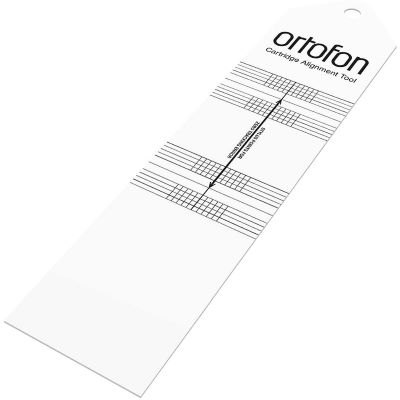
The S-shaped tonearm is very common on DJ turntables. Concorde systems can be mounted directly on compatible SME-type connections without installing a separate cartridge on a headshell first.
Some DJ turntables use a straight tonearm. Depending on its construction, this can be interesting for turntablism. Cartridge selection and alignment must match the specific turntable design.
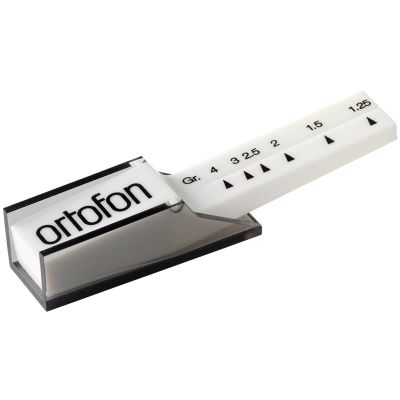
Counterweight, tracking force, tonearm height and anti-skating should be adjusted according to the instructions for both the turntable and cartridge.
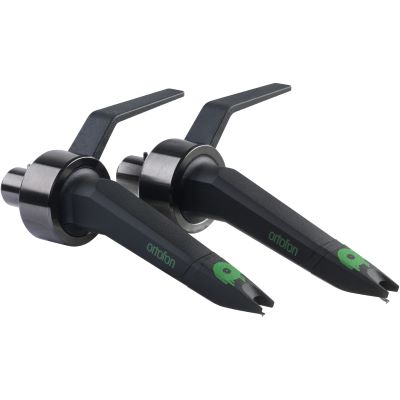
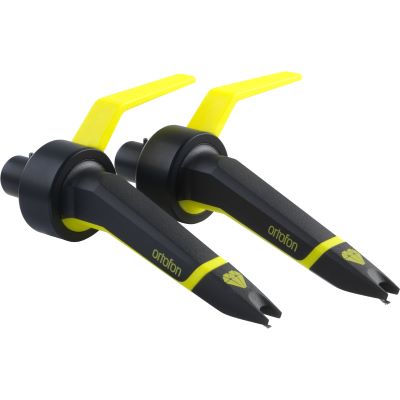
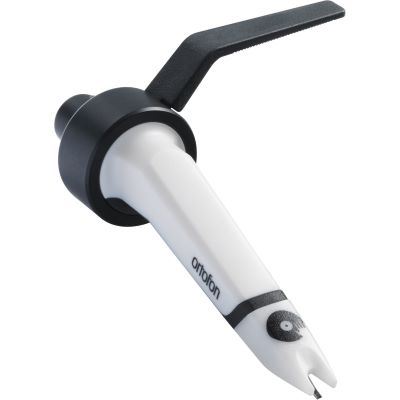
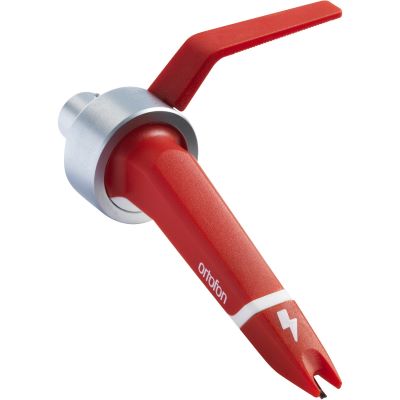
The cartridge influences output level, sound, tracking and durability. Musikhaus Korn therefore distinguishes between Concorde systems, headshell systems and matching replacement styli.
Systems such as Ortofon MIX and DJ are designed for typical mixing, cueing and backcueing and form a practical foundation for a classic two-turntable setup.
Club-oriented systems place more emphasis on high-quality reproduction and are particularly interesting for DJs who prioritise traditional vinyl mixing.
Dedicated Scratch and Digital cartridge systems are designed for intensive manual movement or reliable timecode and DVS operation.
With a Digital Vinyl System, the record carries a control signal. The DJ software analyses speed, direction and position and uses those movements to control a digital track.
A stable and predictable direct-drive turntable provides the mechanical foundation for reliable timecode control.
The control record needs to match the intended DJ software and DVS platform.
Many modern battle and hybrid mixers already integrate the required multichannel audio interface.
DVS support can depend on the software licence, connected hardware and exact platform configuration.
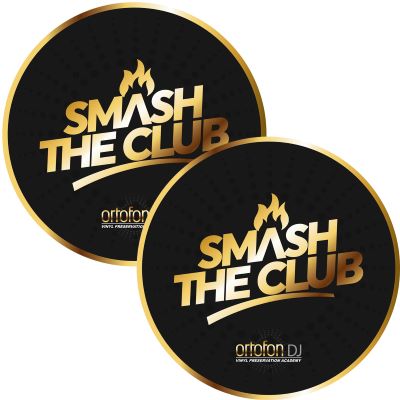
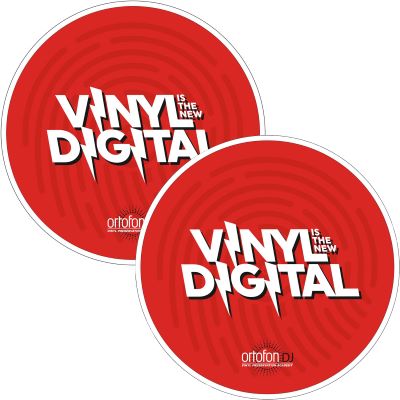
A DJ slipmat reduces friction between the record and platter. This allows the motor and platter to continue rotating while you hold the vinyl in place during cueing.
A smooth felt slipmat allows you to hold and release a record without stopping the platter itself.
Particularly low-friction slipmats make rapid forward and backward record movements easier.
Specially sized slipmats are available for compact 7-inch and 45 RPM performance setups.
| Class | Main Focus | Pitch | Especially Suitable For |
|---|---|---|---|
| Entry / Home | Price, classic direct drive | Standard + extensions | First vinyl sets |
| Club | Robustness and precision | Fine control | Mixing and regular gigs |
| Performance | Torque and additional functions | Wide ranges | Scratch and DVS |
| 7-Inch | Compact 45 RPM singles | DJ-oriented | 7-inch culture and portablism |
DJ-oriented turntables with direct motor response.
Turntables with a stronger focus on conventional record playback.
Concorde and headshell systems for different DJ applications.
Replacement styli for compatible DJ cartridge systems.
Reduced friction for controlled manual record movement.
Tonearms, covers, weights and additional components.
Two-channel mixers for classic two-turntable setups.
Protect professional turntables during transport.
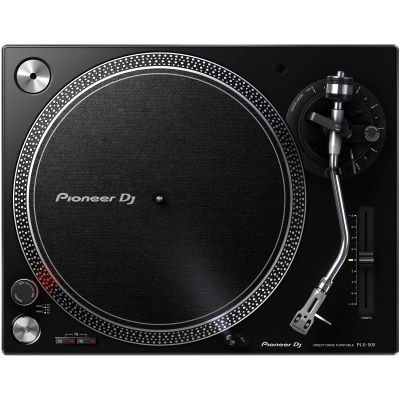
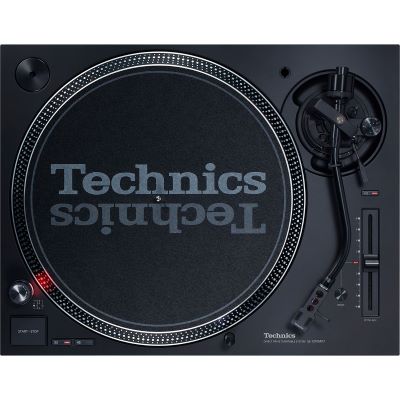
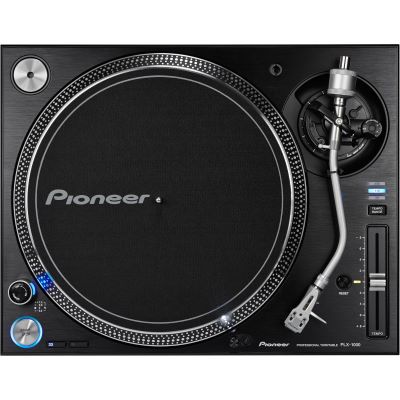

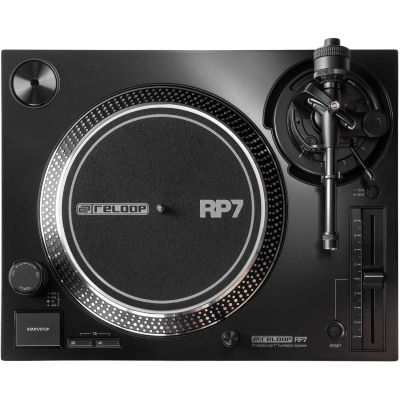






For mixing, precision and a predictable platter response are just as important as motor strength.
Set the cartridge according to the manufacturer's recommendation instead of trying to stop skipping by applying unnecessary pressure to the record.
Check the turntable's output mode and the input selected on the DJ mixer.
A DJ slipmat allows hand movements to remain more independent from the platter that continues rotating underneath.
Different pitch ranges and torque characteristics make learning manual beatmatching particularly difficult for beginners.
Turntables need a stable, level and low-vibration surface so the stylus can track reliably.
For active DJing, direct drive is generally the appropriate choice because start-up, cueing and manual corrections act directly on the platter.
For traditional vinyl mixing, yes. While one record is playing, the next track is prepared on the second turntable.
Higher torque provides a strong start and rapid return to the target speed. Scratch DJs benefit particularly from this, while conventional mixing does not necessarily require the highest available torque.
A smaller range enables fine tempo corrections. Extended ranges such as ±16% or ±50% become interesting for larger tempo changes and creative techniques.
Yes. The current SL-1210 MK7 uses a DJ-oriented direct drive, pitch control and the familiar classic operating layout.
Concorde systems can be mounted quickly on compatible SME-type tonearms. Headshell systems allow the cartridge to be mounted and aligned separately.
A suitable direct-drive turntable generally works well with timecode. You additionally need compatible control vinyl, DJ software and an appropriate audio interface or DVS mixer.
It reduces friction between the record and platter. This lets you stop the vinyl during cueing while the platter continues to rotate underneath.
It depends on the cartridge being used. Follow the manufacturer's recommended range and adjust the tonearm carefully.
Pay particular attention to a powerful direct drive, fast start-up, robust construction, a suitable slipmat and a cartridge designed for scratch use.
For most vinyl DJs, the selection starts with a stable direct-drive turntable. After that, pitch fader, motor behaviour and tonearm determine how precisely the deck feels during beatmatching and cueing. For scratching and performance, stronger torque and robust mechanical construction become even more important.
Never plan the turntable in isolation. Cartridge, slipmat, the Phono input on the mixer, headphones and a stable low-vibration surface are all part of the same system. DVS additionally requires compatible timecode, DJ software and a suitable audio interface.
If you build a two-deck setup, two identical turntables are particularly useful. This means pitch, motor and platter respond identically on both sides, allowing you to concentrate completely on music, timing and your hands.
From turntables, cartridges and DJ mixers to controllers, media players and DVS as well as studio equipment, musical instruments and event technology, the central Musikhaus Korn guide contains further comparisons and decision-making aids.