Musikhaus Keks
Welcome!
Our cookies offer you a fast, relaxed and full-featured shopping experience. Some are necessary to operate the website and its functions. Others help us to improve our services. If you agree to this, simply consent to the use of cookies for preferences, statistics and marketing by clicking on "OK". Alternatively, you can deactivate individual cookies under "Customise cookies" or all cookies, except those required for the function of our website, under "Reject all".
Musikhaus Korn Buying Guide

Tube, Solid-State or Modeling? Guitar Amp Comparison

Tube amps are known for a classic, dynamic playing feel, solid-state amplifiers for straightforward and reliable amplification and modeling amps for a wide variety of sounds in a single device. Which technology makes the most sense for you depends primarily on where you play, the sound you want, your required volume, preferred operation and the equipment you already own.

Home, studio & stage Tube, solid-state & digital Combos and amp heads included
The Decision in One Minute

Which Amplifier Type Is Most Likely to Suit You?

None of the three solutions is fundamentally better. The decisive question is whether you want a distinctive basic amp sound, a straightforward working amplifier or as many different sounds as possible in one device.

T
Tube

You Want to Play the Amp Itself

A tube amplifier is particularly suitable when picking dynamics, the guitar's volume control and the transition from clean to crunch are central parts of your sound.

  • distinctive basic amp sound
  • direct response to your picking
  • classic clean, crunch and rock sounds
S
Solid-State

You Want to Plug In and Play

A classic solid-state amplifier is interesting when reliability, low maintenance, controllable volume and a direct clean or overdrive sound are your priorities.

  • robust and practical
  • no amplifier tube replacement required
  • often compact and attractively priced
D
Digital Modeling

You Want Many Amps and Effects

Modeling is particularly useful for guitarists who work with several musical styles, practise quietly at home, save presets or want amplifier, cabinet and effect sounds combined in one system.

  • many different sound models
  • integrated effects and presets
  • often recording and headphone functions
Important: modeling and solid-state are not technically completely separate worlds. Many digital modeling amps use a solid-state power stage. The term “modeling” primarily describes the digital recreation of different amplifier, cabinet and effect characteristics.
Three Concepts Explained Clearly

What Happens Inside Tube, Solid-State and Modeling Amps?

Tube Amplifier

Tubes Shape the Sound

In traditional tube amps, tubes operate in the preamp and, in an all-tube amplifier, additionally in the power stage. When a stage is driven harder, compression, harmonics and distortion change. For many players, precisely this interaction with picking dynamics and the guitar volume control is an important part of the playing feel.

Solid-State Amplifier

Semiconductor Circuits Provide Amplification

Solid-state amplifiers do not require traditional amplifier tubes for amplification. They can provide very clear clean sounds and generally require little maintenance. Modern solid-state amps range from simple practice combos to powerful stage amplifiers.

Modeling Amplifier

Complete Signal Chains Are Modeled Digitally

Modeling systems can simulate different amplifier characteristics, speaker cabinets, microphone configurations and effects. Clean, crunch, high-gain and specialist sounds can therefore be stored as presets and are often available directly for headphones or recording.

Hybrid Amplifier

Hybrid Designs Sit Between the Categories

Some amplifiers combine several technologies, for example a tube or Nutube stage with solid-state circuitry. The actual construction of the individual amplifier is therefore more important than one isolated keyword on the specification sheet.

Tube Does Not Automatically Mean Loud

Very small tube amplifiers exist. Even so, relatively low tube power can already be substantial in an apartment. A master volume or power reduction can therefore be particularly useful.

Solid-State Does Not Mean Beginner Only

Professional solid-state concepts such as the Jazz Chorus series demonstrate that solid-state amplification can also be a deliberate tonal choice for stage and studio use.

Modeling Does Not Have to Be Complicated

Many current devices can be operated directly from the front panel just like a conventional amplifier. Apps and editors expand the possibilities but do not have to be used constantly.

The Most Important Differences

Tube, Solid-State and Modeling Compared Directly

Use the comparison as an initial orientation. The actual sound and operating concept still depend on the individual amplifier.

Feature Tube Solid-State Modeling
Sound concept Distinctive individual amp sound Direct semiconductor amplification Multiple digital sound models
Dynamics Strongly influenced by level and picking Depends on the model, often highly controlled Recreated digitally
Maintenance Amplifier tubes are wear parts Low Low
Sound variety Focus on the amp's own character Depends on channels and integrated effects Usually particularly extensive
Quiet practice Depends on the model Often straightforward Often particularly convenient
Presets Rare Available on some models Typical feature
Effects Often added externally Sometimes integrated Frequently extensive and integrated
Typical user Player with a clear favourite basic sound Pragmatic player or pedal user Sound designer and versatile all-rounder
Decide by Application

Which Amp Is Suitable for Home, Rehearsal, Studio or Stage?

Home

Modeling Is Particularly Convenient

Headphones, several sounds, integrated effects and controllable volume make modeling amps a practical solution. Small solid-state amps are also straightforward. If you specifically want tubes, look for low output power or power reduction.

Rehearsal Room

All Three Technologies Can Work

Drum volume, required clean headroom and speaker size are important here. A tube combo, powerful solid-state amp or stage-ready modeler can all be sensible choices.

Studio

Direct Recording or Microphone?

A tube amp in front of a microphone provides a traditional recording route. Modeling can instead be recorded directly with cabinet simulation. Many modern amplifiers combine both approaches.

Stage

Live Operation Has to Work Reliably

Preset changes, footswitch control, effects loops and output options can be more important than the amplifier technology itself. A good live amplifier must be easy to control in the band mix.

Understanding Wattage Correctly

Why 20 Watts of Tube Power Are Not Simply the Same as 20 Watts Solid-State

The watt rating describes electrical output power, but not perceived loudness on its own. Speaker efficiency, enclosure, number of speakers, compression and the desired amount of distortion all influence the practical result.

A tube amplifier may deliberately be driven into saturation. If you instead require a loud and clean sound, sufficient clean headroom is important. High-powered modeling and solid-state amplifiers can often be turned down very effectively.

Living Room

Control Is More Valuable Than Maximum Output

Headphones, master volume and power control are usually more useful at home than a very high maximum power rating.

Band Rehearsal

Test with a Real Drum Kit

Do not choose solely according to wattage. Test whether the amplifier provides the required level and clean headroom in the actual band situation.

Stage with PA

The Amp Does Not Have to Fill the Entire Venue

If the amplifier is miked or connected to the PA, it does not have to provide the sound level for the entire venue by itself.

Include Your Existing Equipment

Which Amplifier Works Well with Effect Pedals and Pedalboards?

Tube + Pedalboard

An Expressive Foundation

A good clean or lightly overdriven tube channel can form an expressive basis for boosters, overdrive, fuzz and modulation effects.

Solid-State Platform

A Stable Starting Point

Players who create their main sound almost entirely with pedals often benefit from a clear, predictable basic sound and sufficient clean headroom.

Modeling

Fewer Additional Pedals Required

Many digital amps already include overdrive, modulation, delay and reverb. External pedals can still be used and remain useful when they provide a specific sound or workflow you prefer.

Grouped by Technology

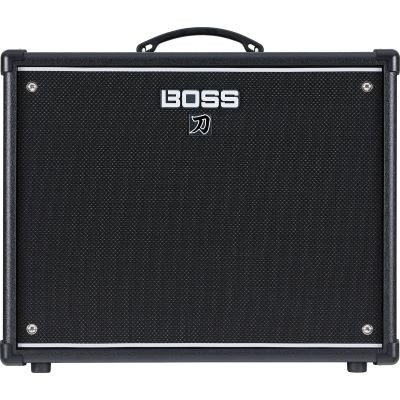
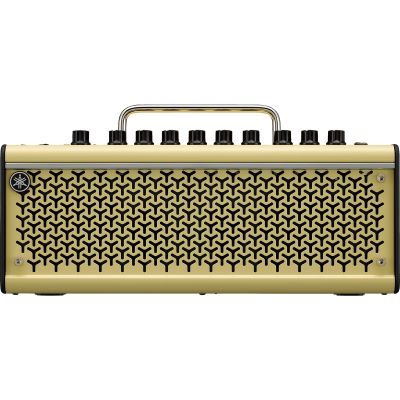
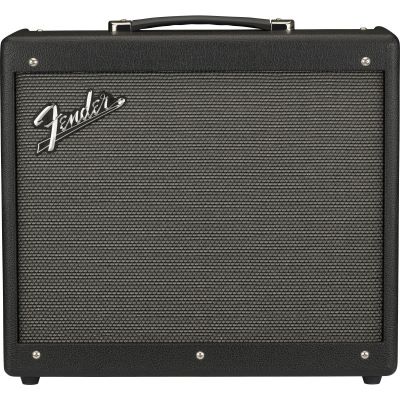
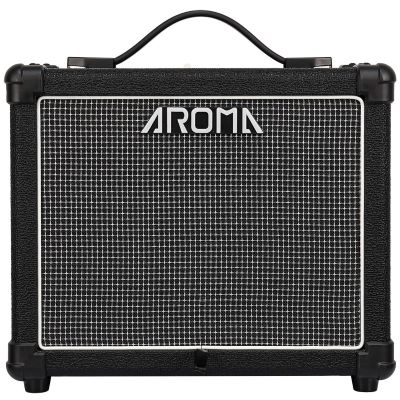
Compare 50 Suitable Amplifiers and Amp Solutions

The selection shows different approaches ranging from a small practice amplifier to a modular stage rig. For every individual model, also check output power, speakers, channels, connections and available foot-control options.

The Fourth Option

When Is a Hybrid Amplifier Interesting?

Hybrid amplifiers combine different amplification technologies. One example is the compact VOX MV50 concept using Nutube technology together with a solid-state power stage. Other constructions combine traditional preamp ideas with modern power stages.

A hybrid amplifier can be interesting if you want a particular tube-influenced character but would prefer to avoid the weight, dimensions or power architecture of a traditional all-tube system.

With hybrid designs in particular, judge the individual model rather than the general category name. The way the technologies are combined can differ considerably from one amplifier to another.

Combo or Amp Head Is a Separate Decision

Amplifier technology does not tell you whether the speaker is built into the same enclosure. Tube, solid-state, modeling and hybrid technology are available in different housing and system concepts.

Find Suitable Guitar Cabinets
Avoid Common Preconceptions

Five Common Myths in Guitar Amp Comparisons

Myth 1

“Only Tube Sounds Professional”

Professional musicians use all three concepts. The decisive factors are the required sound, application and personal workflow.

Myth 2

“Modeling Is Only for Practice”

Current modeling systems are also explicitly designed for studio, rehearsal and stage applications.

Myth 3

“More Watts Are Always Better”

Excessive output power can be impractical at home. The amplifier should work well within the volume range you actually use.

Myth 4

“Solid-State Always Sounds Sterile”

Solid-state amplifiers use very different tonal concepts, ranging from neutral clean platforms to characterful rock combos.

Myth 5

“More Sounds Are Automatically Better”

If you need only one particular basic sound, a simple amplifier may get you to the desired result more quickly than a system with hundreds of options.

Brand Worlds at Musikhaus Korn

Manufacturers for Tube, Solid-State and Modeling

Compare with the Same Guitar

The Best Test: Play Three Amps at the Same Volume

Play the same clean part, a crunch riff and your strongest distorted sound through several amplifiers. Then compare not only the tone, but also how quickly you can dial in the sound you want and how directly each amplifier responds to your picking.

Frequently Asked Questions About Amplifier Technology

Answers About Tube, Solid-State and Modeling

What Is Better for Beginners: Tube, Solid-State or Modeling?
Modeling is often particularly practical for beginners because several sounds and effects are available without additional equipment. A simple solid-state amp is also easy to understand. Tube amplification makes sense when you already know which sound you want and the available volume suits your home or practice environment.
Does a Tube Amplifier Always Sound Better?
No. “Better” depends on your tonal goal and playing style. Tube amplifiers have a particular dynamic behaviour, while solid-state and modeling amplifiers can offer other advantages such as clean headroom, flexibility and easier volume control.
Can a Modeling Amp Replace a Tube Amplifier?
For many applications, yes. Modeling can provide several amplifier and cabinet types in one device. Players who specifically want the behaviour of one particular physical tube amplifier may still prefer the traditional amplifier.
Which Amplifier Type Is Best for Home Use?
Modeling and compact solid-state amps are particularly convenient because of good volume control and headphone functions. Small tube amplifiers also work well when their power, master volume or power reduction suits the environment.
Which Amp Works Well with Lots of Pedals?
A stable clean platform with sufficient headroom is a useful starting point. This can be a tube or solid-state amplifier. Modeling amps can also accept external pedals, although many effects may already be built into the amplifier.
Does a Tube Amplifier Require Regular Maintenance?
Amplifier tubes are wear parts and may eventually require replacement. How often this is necessary depends on the amplifier design, use, transport and total operating time.
Is Modeling the Same as Solid-State?
No. Solid-state describes an amplification technology. Modeling describes digital sound modeling. A modeling amplifier may simultaneously use a solid-state power stage and can therefore also appear under solid-state or transistor amplification in shop filters.
Which Technology Is Suitable for Blues and Classic Rock?
Tube amplifiers are a classic choice for dynamic clean and crunch sounds. Modern modeling amps can provide corresponding sound characteristics very flexibly. The actual sound of the specific amplifier remains the deciding factor.
Which Amplifier Technology Works Well for Metal?
High-gain sounds are possible with all three concepts. A defined low-frequency response, sufficient gain, suitable speakers and, where required, a noise gate or booster are more important than amplifier technology alone.
What Should I Buy If I Play Many Different Musical Styles?
A modeling amp is the most obvious all-round solution. Alternatively, a versatile clean/crunch amplifier combined with a pedalboard can work equally well. The better option depends on whether you prefer presets or individual controls and pedals.
Plan Your Complete Guitar Setup

More Topics for Your Guitar Sound

Instrument Selection

Electric Guitar by Music Genre

Choose guitar shape and pickup concept to match the style and sound you want to play.

Amplification

All Guitar Amplifiers

Compare combos, amp heads, cabinets and additional amplification solutions in the complete product range.

Sound Shaping

Guitar Effects

Discover overdrive, distortion, modulation, delay, reverb and multi-effects for your guitar setup.

Main Guitar Guide

Guitars and Bass Equipment

Continue with instruments, accessories and further decisions relating to guitars and basses.

The Technology Must Suit Your Everyday Use

Tube Amplifier, Solid-State or Modeling? Guitar Amp Comparison

A tube amplifier is particularly interesting when a distinctive basic sound and the immediate response to picking and the guitar's volume control are at the centre of your playing. A solid-state amplifier provides a robust, low-maintenance and often very straightforward alternative. Modeling amps expand this concept with digital amplifier, cabinet and effect models and are therefore particularly suitable for guitarists who need many tonal colours with as little additional equipment as possible.

Do not make the decision solely according to technology. Play several amplifiers with the same guitar and at the volume you will really use later. Also check weight, speakers, headphone functions, effects loop, recording outputs and foot control. The right amplifier is the model that produces your preferred sound as directly and reliably as possible in your actual playing environment.

Choose More Instruments and Equipment with Confidence

From guitar and bass equipment to studio, DJ and event technology, the Musikhaus Korn buying guides take you step by step towards a setup that suits your needs.