Musikhaus Keks
Welcome!
Our cookies offer you a fast, relaxed and full-featured shopping experience. Some are necessary to operate the website and its functions. Others help us to improve our services. If you agree to this, simply consent to the use of cookies for preferences, statistics and marketing by clicking on "OK". Alternatively, you can deactivate individual cookies under "Customise cookies" or all cookies, except those required for the function of our website, under "Reject all".
Musikhaus Korn Buying Guide

Alto or Tenor Saxophone? Which Saxophone Suits You Better?

Alto and tenor saxophones work according to the same basic principle, but they feel and sound noticeably different. The alto is more compact, higher-pitched and a direct starting point for many beginners. The tenor sounds deeper, warmer and fuller and is one of the defining voices of jazz, blues, soul, funk and pop.

Eb & Bb Explained Compare Sound & Ergonomics For Beginners & Switching Players
Find Your Direction in 30 Seconds

When Does Alto Fit – and When Does Tenor Fit?

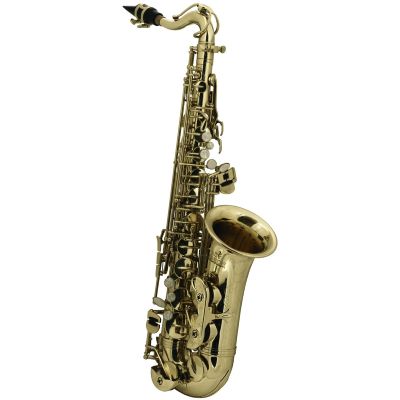
Alto Saxophone

Choose Alto if You Want It More Compact

The alto saxophone is smaller and easier to handle than a tenor saxophone. It is especially suitable for first saxophone lessons, school wind classes, wind orchestras, pop, classical music, jazz and saxophone ensembles.

  • You want the most straightforward possible start.
  • You prefer a clear and somewhat higher saxophone sound.
  • Size and weight should remain manageable.
  • The instrument is for a child or smaller player.
  • You want a particularly versatile saxophone.
Tenor Saxophone

Choose Tenor if the Deep Sound Inspires You

The tenor saxophone is larger and sounds deeper and fuller. If that particular sound is the reason you want to learn saxophone, the tenor can also be your first saxophone.

  • You love a warm, rich and powerful saxophone sound.
  • Jazz, soul, blues, rock or funk are central to your music.
  • You can handle the larger instrument comfortably.
  • Slightly more weight does not bother you.
  • The typical tenor sound motivates you more strongly.
The most important rule: for many beginners, the alto saxophone is the more practical choice. However, if you genuinely dream of the sound of a tenor saxophone and can control its larger size comfortably, there is no reason why you must learn alto first.
Same Family, Different Voice

What Technically Differentiates Alto and Tenor Saxophones?

Both use a single reed, similar keywork and largely the same fundamental fingering patterns. Their size, tuning, mouthpiece, reed and acoustic character are different.

Tuning

Alto in Eb

The alto saxophone is a transposing instrument in Eb. It sounds significantly higher than the tenor and frequently takes middle to higher melodic and sectional parts in saxophone ensembles.

Tuning

Tenor in Bb

The tenor saxophone is tuned in Bb and sounds lower. Its larger body and longer air path help create its fuller and more substantial basic character.

Shared Principle

The Fingering System Remains Familiar

If you can play alto, you do not need to relearn the complete fingering system when moving to tenor.

Music is written for each transposing instrument so the familiar fingerings continue to work.

What You Need to Readjust
  • Air support and airflow
  • Mouthpiece feel
  • Reed size and response
  • Embouchure
  • Balance and physical handling of the instrument
Direct Comparison

Alto and Tenor Saxophone at a Glance

Feature Alto Saxophone Tenor Saxophone
Tuning Eb Bb
Register / Character Higher, clear, flexible Lower, warm, full
Size More compact Significantly larger
Weight Usually lower Usually higher
Air Feel Direct and compact Longer air path and different resistance feel
Beginners First choice for many players Also possible from the beginning
Children Frequently more suitable Check size very carefully
Jazz Very widely used Especially characteristic
Classical Music Very widely used Also firmly established
Pop, Funk & Soul Flexible and present Powerful and full-bodied
Sound Matters in the Long Term

Which Saxophone Sound Do You Prefer?

Alto

Direct, Agile and Present

The alto saxophone sits higher in the tonal range and can sound very clear, brilliant and agile. At the same time, it can also be played softly and lyrically.

This versatility works well in classical music, jazz, pop, wind orchestras, big bands and contemporary music.

If you enjoy melodies, solos and agile lines and want a sound that remains clearly present, the alto is highly versatile.

Tenor

Warm, Full-Bodied and Distinctive

The tenor saxophone provides more low-frequency body and is often associated with a warm, smoky or powerful sound.

Jazz, soul, funk, blues and rock in particular have strongly shaped the familiar tenor-sax sound.

If wide ballads, powerful riffs and sonorous solos are what you imagine when you hear a saxophone, the tenor may be the more inspiring choice.

Decision rule: do not choose the instrument that merely appears easiest on paper. Choose the saxophone whose sound will still motivate you to practise months from now.
Your Hands Are Not the Only Factor

How Important Are Body Size and Weight?

A saxophone is supported largely by its strap. Nevertheless, size, length and weight distribution influence your complete playing posture.

The alto saxophone sits closer to the body and is therefore easier to control for many younger or smaller players.

The tenor sits lower and further to the side. Hands, thumbs and forearms must reach the keys comfortably without forcing the shoulders or wrists into a tense position.

  • The mouthpiece reaches the mouth while the head remains upright.
  • The shoulders stay relaxed.
  • The fingers reach the side keys without excessive stretching.
  • The right thumb does not carry the complete instrument.
  • The strap distributes the weight comfortably.
Roy Benson AS-201 Eb children's alto saxophone with adapted neck and key mechanism
The Roy Benson AS-201 uses an adapted neck and key layout for smaller players.
For children: alto is the better starting point in many cases. Specially adapted children's alto saxophones can help when hands are still small. Before buying, it is best to check together with the teacher that all important keys can be reached comfortably.
Your First Saxophone

Is Alto Really Easier than Tenor?

Alto

Practical Advantages

Its more compact size, lower weight and broad selection of student instruments make the alto saxophone particularly accessible for many beginners.

Tenor

Tenor Is Not a Professional-Only Instrument

Beginners can start directly on tenor. Good student tenor saxophones offer ergonomic keywork and are explicitly designed for learners.

Motivation

Motivation Beats Theory

A player who genuinely wants to play tenor will often practise more enthusiastically on a tenor than on an alto chosen only for practical reasons.

Stay Flexible Later

Can You Switch from Alto to Tenor Saxophone?

Yes. The fundamental fingering system within the saxophone family remains very similar. Switching is therefore considerably easier than learning a completely different instrument family.

Adjustment 1

Different Mouthpiece Feel

The larger tenor mouthpiece feels different in the embouchure and requires a new comfortable playing position.

Adjustment 2

Use the Correct Reeds

Alto and tenor reeds have different dimensions and are not interchangeable.

Adjustment 3

Adapt the Airflow

The larger tenor responds differently to air quantity and air speed.

Adjustment 4

Find a New Balance

Strap length, instrument position and hand position need to be adjusted to the larger body.

Compare Directly

Suitable Alto and Tenor Saxophones at Musikhaus Korn

The selection shows instruments for beginners, lessons and further development. The alto group focuses on compact student models, while the tenor selection includes instruments with practical ergonomics and complete basic equipment.

All Saxophones
10 Instruments

Alto Saxophones

Alto and Tenor Need Their Own Consumables

Reeds, Strap, Stand and Transport

Alto and tenor saxophones require different-sized mouthpieces and reeds. Cases and gig bags must also match the instrument. Certain stands, however, are designed to support both alto and tenor saxophones.

Alto Reed

Vandoren Classic Alto Sax 2

Reed specifically sized for alto saxophone.

Tenor Reed

Vandoren Classic Tenor Sax 2

Larger reed designed specifically for tenor saxophone mouthpieces.

Playing Comfort

Neotech Soft Sax Strap

Padded saxophone strap for more comfortable weight distribution while playing.

Alto & Tenor

KORN DEXTER I Saxophone Stand

One stand designed for both alto and tenor saxophones.

Alto Transport

KORN Gig Bag for Alto Saxophone

Padded transport solution specifically for an alto saxophone.

Do not mix them up: alto and tenor saxophones require different mouthpiece and reed sizes as well as appropriately sized cases or bags. Always buy consumables for the exact saxophone type.
Brand Worlds at Musikhaus Korn

Discover Manufacturers for Saxophones & Accessories

Frequently Asked Questions before Choosing

Answers about Alto and Tenor Saxophones

Is Alto or Tenor Saxophone Easier to Learn?
For many beginners, the alto saxophone is the easier starting point because of its more compact construction. However, tenor saxophone can also be learned directly when its size and sound suit you better.
Which Saxophone Is Better for Adults?
Adults can choose freely according to sound and musical style. For most adults, body size alone is not a reason to exclude the tenor saxophone.
Which Saxophone Is Better for Children?
An alto saxophone is usually more practical. Specially adapted children's alto saxophones are also available for smaller hands.
Is Alto or Tenor Saxophone Better for Jazz?
Both are firmly established in jazz. Alto sounds higher and more agile, while tenor sounds lower and more full-bodied. Your personal tonal preference is the deciding factor.
Does a Tenor Saxophone Need More Air?
The larger instrument gives a different feeling of airflow and resistance. With a suitable mouthpiece and reed, a tenor can still be controlled comfortably by a beginner.
Are the Fingerings the Same on Alto and Tenor Saxophone?
The fundamental fingering patterns are the same. Alto and tenor are transposing instruments in different keys, however, so the sounding pitch differs even when the same written fingering is used.
Can I Switch from Alto to Tenor Saxophone Later?
Yes. This is very common. The main things to readjust are the instrument size, embouchure feel, airflow, mouthpiece and reed.
Can I Use the Same Reeds for Alto and Tenor Saxophone?
No. Alto and tenor mouthpieces and reeds have different sizes. Always buy reeds intended specifically for the saxophone type you play.
Which Saxophone Sounds Lower?
The tenor saxophone sounds significantly lower than the alto saxophone. Players looking for a warm, sonorous and powerful sound therefore often prefer the tenor.
Which Saxophone Should I Buy if I Am Still Unsure?
Listen carefully to both instruments in direct comparison and, if possible, test their posture and mouthpiece feel. If no clear tonal favourite emerges, the alto saxophone is the more practical starting point for many beginners.
Two Good Routes – One Personal Decision

Alto or Tenor Saxophone? Comparison

The alto saxophone is more compact, higher-pitched and the easiest starting point for many saxophone beginners. It is easy to transport, extremely versatile musically and particularly suitable for children, teenagers, school wind classes and music schools.

The tenor saxophone is larger and sounds deeper, warmer and fuller. If jazz, soul, funk, blues or the characteristic tenor sound is the actual reason you want to start playing, you can also begin directly on tenor.

The fingering system remains familiar between both instruments, which means that switching later can easily become part of your musical development. Mouthpiece, reed, airflow, instrument balance and the different transposition are the main areas that need to be readjusted.

More Buying Advice & Practical Knowledge

Find the Right Instrument and Equipment

Further guides covering wind instruments, drums, keyboard instruments, studio equipment, DJ technology and event equipment can be found in the central Musikhaus Korn guide.