Remove Rosin Dust
Carefully wipe the top, strings, fingerboard and bow stick after playing with a clean, dry and soft cloth. Fresh rosin dust is easier to remove than residue that has already become firmly attached.

Rosin dust, skin oils, changing humidity and high string tension are part of everyday life with a bowed string instrument. A simple maintenance routine helps keep violins, violas, cellos and double basses clean, stable in tuning and ready to play. The important part is knowing what you can safely do yourself and when a bridge, peg, soundpost or bow belongs in professional hands.
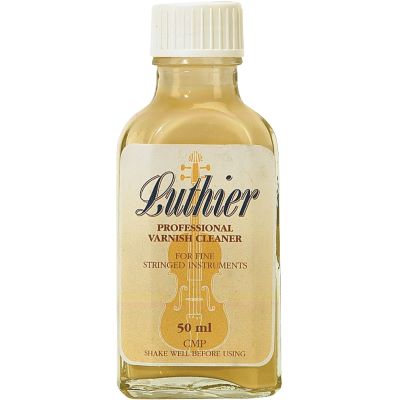
Carefully wipe the top, strings, fingerboard and bow stick after playing with a clean, dry and soft cloth. Fresh rosin dust is easier to remove than residue that has already become firmly attached.
Inspect the contact points at the bridge, nut and beneath the fingers for damaged winding or corrosion. Detecting damage early helps prevent unexpected string breakage.
After playing, loosen the screw at the frog until the bow hair is relaxed. The stick should retain its natural curve rather than remaining permanently under playing tension.
Afterwards, store the instrument and bow in a suitable case. Avoid direct sunlight, radiators and strong temperature or humidity changes.
The best care routine is regular and gentle: for a well-maintained acoustic violin, viola or cello, dry wiping is usually sufficient for everyday care. Cleaning products are not required every day and must always be suitable for the particular finish.
Always begin with the gentlest method: dry and without cleaning chemicals. A soft cloth removes dust, fingerprints and fresh rosin residue without adding further substances to the varnish.
If dirt has already become firmly attached, use only a cleaner that is explicitly intended for suitable string-instrument surfaces. Even then, first test the product on an inconspicuous area.
Historic, aged or unknown varnishes require particular caution. Vigorous rubbing, household cleaners, alcohol, furniture polish and aggressive solvents can alter the finish. Stubborn dirt is therefore better handled by a violin maker than through experiments at home.
Use one soft cloth for the body and varnish and a second cloth for the strings and fingerboard. This prevents rosin removed from the strings from simply being spread across the instrument surface.
A bow needs sufficient grip, but not a thick layer of resin. If it grips the string reliably and produces a stable tone without excessive pressure, there is no need to apply a large amount of rosin before every short practice session.
Skin oils can prevent rosin from adhering properly. When handling and storing the bow, touch the stick, frog and intended grip areas rather than the hair.
Bow hair is tensioned only for playing. Afterwards, release the tension again and remove rosin dust from the bow stick.
When does a bow need new hair? If numerous hairs are missing, the ribbon is heavily soiled or uneven, or it barely grips despite suitable rosin, professional rehairing should be considered.
Rosin collects particularly strongly on the strings between the fingerboard and bridge. Skin oils and perspiration are added during playing. Wiping the strings with a dry cloth removes this residue before it becomes more firmly attached.
Damaged windings, corrosion, unstable tuning and noticeably poorer response are signs that replacement may be necessary. On children's instruments, the new string set must also match the instrument size.
The bridge is not glued to the top. It is held in place by string tension. A clearly tilted or deformed bridge, or feet that no longer sit correctly, should be assessed professionally.
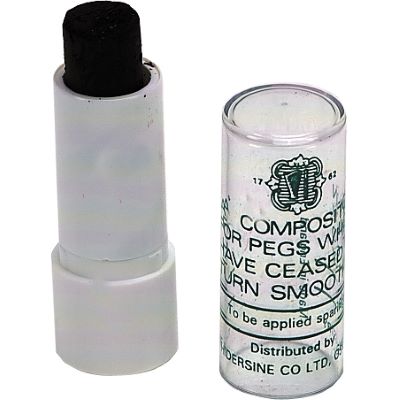
Traditional wooden pegs react to climate. Suitable peg compound can help when correctly fitted pegs become stiff. If a peg no longer fits mechanically or continues to slip, professional adjustment is required.
Fine tuners need adjustment range in both directions. If a screw is already fully tightened, tune approximately with the peg first and return the fine tuner to a middle working position.
Acoustic string instruments react to very dry and very humid air. Solid wooden tops, backs and ribs, fingerboards, pegs and bow hair can all change when the climate varies significantly.
A stable, moderate room humidity around approximately 50 percent is a useful practical orientation. A hygrometer helps make changes visible before extreme dryness or humidity remains unnoticed for a long period.
Do not store an instrument directly beside radiators, air-conditioning outlets or in a vehicle heated by the sun. After a strong temperature change, allowing the closed case some time to adjust gradually is sensible.
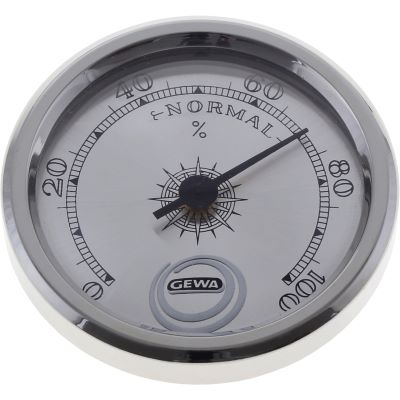
Remove rosin especially around the bridge and fingerboard, check fine tuners and pegs and release the bow tension after every playing session. Store the violin safely in its case away from knocks and sudden climate changes.
Basic care is the same as for a violin. Because viola scale lengths and string tensions vary, always check carefully that replacement strings and accessories match the specific viola.
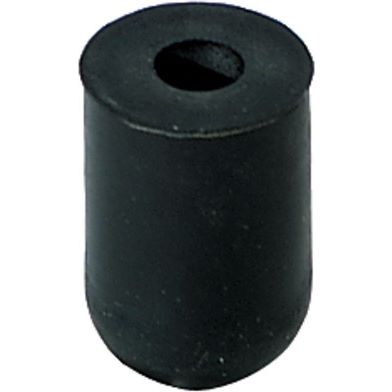
In addition to normal string-instrument care, check the endpin, rubber tip and floor protector. Do not support the large instrument on its bridge, pegs or other delicate edges when setting it down.
The endpin, bridge, large tuning mechanisms and heavy strings are exposed to substantial loads. The powerful double bass bow also uses rosin specifically designed for bass strings.
| When | Check | Action |
|---|---|---|
| After every playing session | Dust, strings and bow | Wipe dry and release the bow tension |
| Regularly | Bridge, fine tuners and pegs | Check position and operation |
| Monthly | Case and climate | Clean the interior and monitor humidity |
| When required | Strings and bow hair | Replace strings or have the bow professionally rehaired |
| If problems occur | Bridge, soundpost, pegs or cracks | Contact a workshop or violin maker |
The selection ranges from varnish care and humidity monitoring to rosin, peg care, strings and protection for bows, floors and instruments.

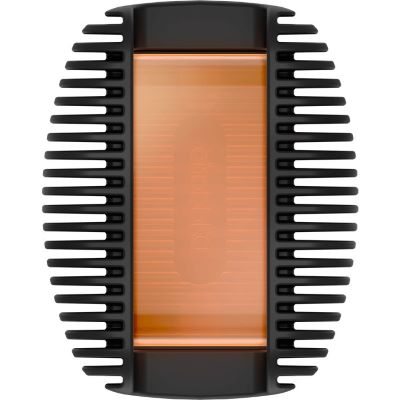


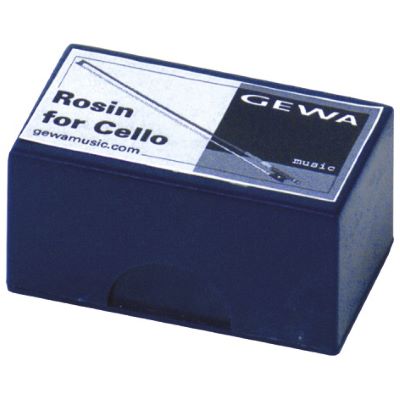
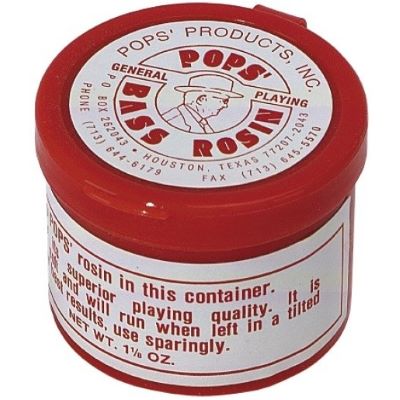
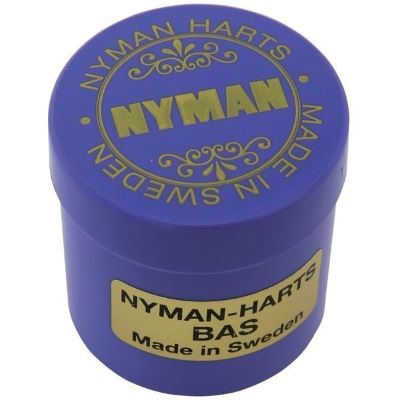
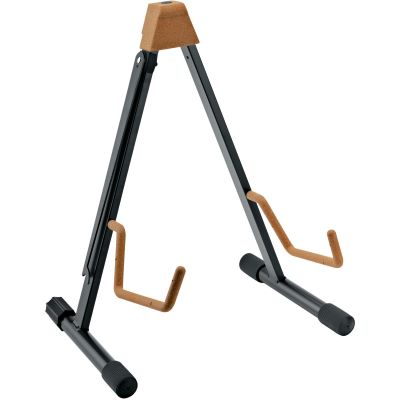


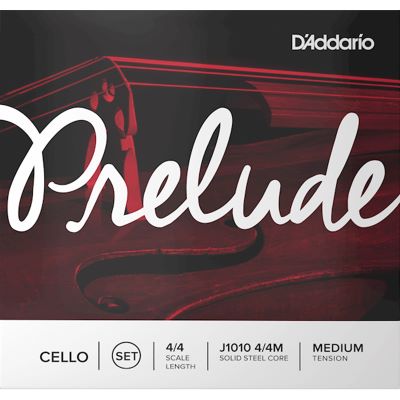

Explore manufacturers offering care products, rosin, cases, bows, stands, strings and replacement parts for bowed string instruments.





Care products, rosin, cases, bows, stands and replacement components for string instruments.
Strings and rosin for violin, viola and cello.
Violin, viola, cello and double bass strings for different instrument setups and playing requirements.
String instruments, bows and accessories for lessons and training.
Stands and holders for securely placing instruments during lessons, rehearsals and practice.
An open glue joint, a crack in the wood, a strongly warped bridge, a fallen soundpost or poorly fitting pegs are no longer normal cleaning tasks. The same applies to a damaged bow head, problems at the frog or a bow that requires professional rehairing.
If string height suddenly changes significantly, unusual noises appear or an instrument visibly changes after an impact, it should also be inspected. Problems identified early are often easier to address than damage that remains under load for a long period.
After every playing session, fresh rosin dust and fingerprints should be removed with a dry, soft cloth. Treatment with cleaning products is required much less frequently.
Wipe fresh dust off dry. If rosin has already become firmly attached, do not use aggressive products or vigorous rubbing. With sensitive or unknown varnish, professional cleaning is the safer solution.
Tighten the bow only for playing and release it afterwards. Remove rosin dust from the stick and avoid touching the bow hair with your fingers.
No. The important question is whether the bow already has sufficient grip. Too much rosin can create unnecessary deposits on the strings, bow and instrument.
Wipe them with a dry, soft cloth after playing. This reduces rosin, skin oils and perspiration before the residue becomes more firmly attached.
This depends on playing frequency, material and care. Damaged windings, corrosion, poor tuning stability or noticeably changed response are typical signs that replacement is due.
First consider the room climate. Special peg care may be useful for suitable wooden pegs. If they continue to slip or jam, the fit and mechanism should be checked professionally.
A stable, moderate environment around approximately 50 percent relative humidity is a useful orientation. Extreme dryness and persistently high humidity should be avoided.
This should be avoided. Direct heat can dry the wood strongly and exposes the instrument to much larger climate differences than stable storage in a case.
In addition to normal string-instrument care, regularly check the endpin, endpin rubber or floor protector and make sure the large instrument can be placed down safely.
Experienced players may monitor and correct small changes. If you are unfamiliar with the construction, or the bridge is clearly tilted or deformed, have it adjusted professionally.
Do not use aggressive household cleaners, avoid unnecessary contact with bow hair, never store the instrument beside a radiator or in direct sunlight and do not force mechanical parts into position.
Daily care of a string instrument is straightforward: remove rosin dust and fingerprints, wipe the strings, release bow tension and store both instrument and bow securely. These few steps help prevent deposits and unnecessary mechanical stress from building up.
Regular checks of the bridge, strings, pegs and fine tuners are equally important. With cellos and double basses, the endpin and floor protection should also be included. A hygrometer helps make significant changes in room humidity visible before they remain unnoticed for a long period.
Cleaning products, peg care and replacement parts should be used deliberately rather than automatically. Once cracks, open seams, a badly warped bridge, soundpost problems or bow damage occur, normal care ends and professional maintenance becomes the appropriate solution.
Find further guidance on string instruments, wind instruments, drums, keyboards, studio equipment and more in the central Musikhaus Korn guide.