Keep the Microphone Position Consistent
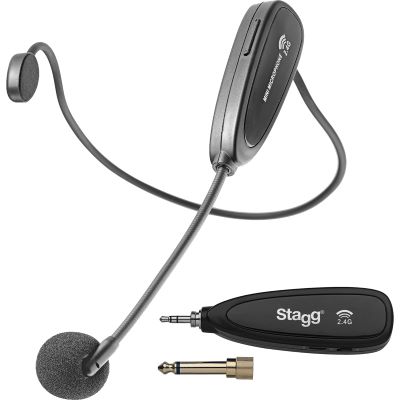
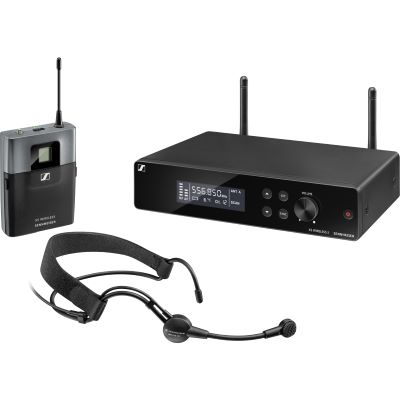
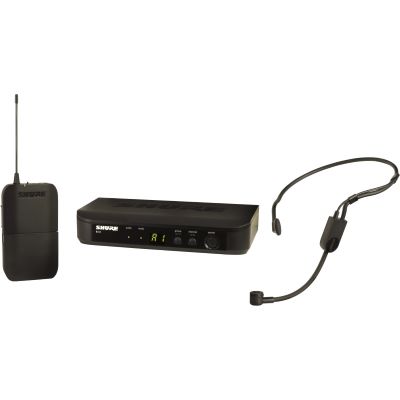
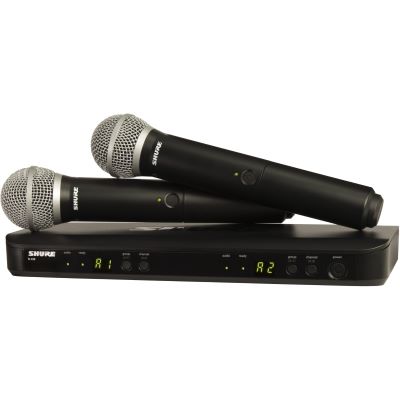
Headsets maintain a similar microphone position while performers move. Handheld transmitters work well for moderation or scenes in which a visible microphone is deliberately part of the staging.

Theater technology combines several disciplines. Spoken dialogue and vocals need to remain intelligible, music and playback cues require reliable signal paths, and every scene needs the right lighting.
This guide shows how to combine headsets, wireless microphones, mixers, PA, monitoring, profile spotlights, Fresnel lighting, DMX control, haze, stage platforms, cables and cases into a practical theater setup.
Theater technology should always start with the production. If actors only need to be illuminated, lighting can be more important than a large PA system. A musical, by contrast, requires wireless channels, more mixer inputs, monitor paths and reliable playback.
School theater and community productions also benefit from equipment that remains easy to understand for changing operators and technical teams.
Headsets maintain a similar microphone position while performers move. Handheld transmitters work well for moderation or scenes in which a visible microphone is deliberately part of the staging.
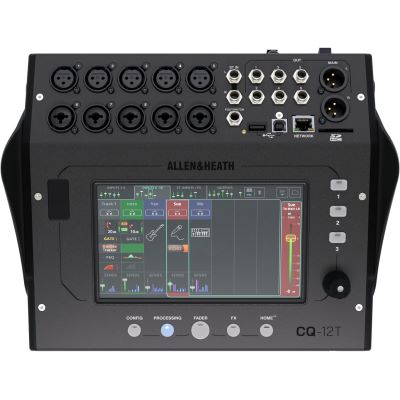
With several performers, a digital mixer quickly becomes useful. Scenes, mutes, EQ, compressors, effects and monitor paths can be managed and recalled consistently.
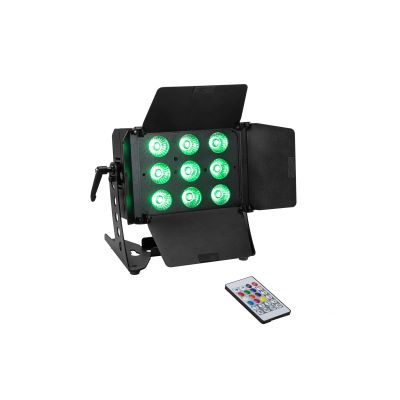
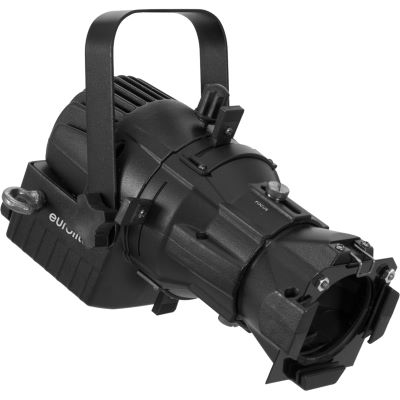
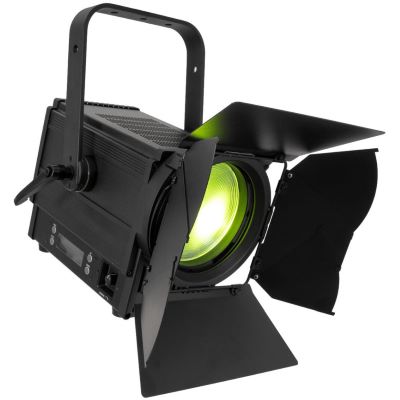
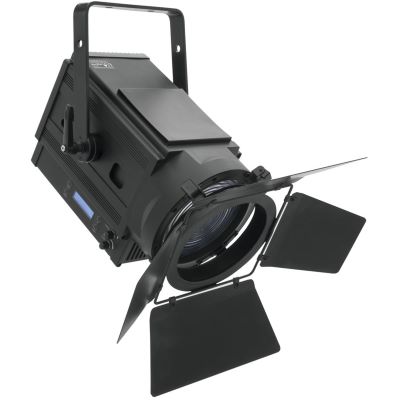
Fresnel spotlights create soft edges, while profile fixtures provide precise boundaries. Panels and coloured wash lighting cover larger areas and atmospheric scenes.
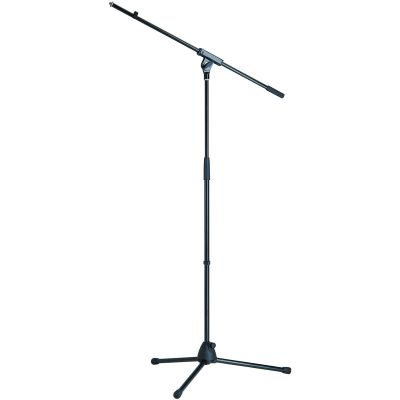
Platforms, stands, cable routes, cases and any effect technology should be considered as early as audio and lighting.
The most important theater tip: plan every scene as a combination of performer position, microphone, lighting zone, playback cue and stage change. This prevents sound and lighting from being improvised independently during the dress rehearsal.
| Production | Sound | Wireless | Lighting | Expansion |
|---|---|---|---|---|
| Small Drama | Playback + speech as required | A few headsets | Front light + profiles | Compact mixer |
| School Theater | Several speakers + music | 4–8 wireless channels possible | Simple DMX scenes | Cases + clear labelling |
| Musical | Vocals + band + playback | Several headsets | Extensive scenes | Digital mixer + monitoring |
| Cultural Venue | Flexible sound system | Handheld + headset | Fresnel, profile + colour | Followspot + haze |
Not every theater production requires loud front-of-house amplification. In many productions, the system mainly supports intelligibility. The microphone should remain close to the voice while the loudspeakers cover the audience in a controlled way.
Headsets and other body-worn microphones reduce the distance to the voice. Less room sound therefore needs to be amplified.
Sound effects, atmospheric audio and music should use a clearly defined playback path and be tested completely before the performance.
A musical band, soloists or other musicians may need dedicated monitor mixes. Excessive stage volume, however, makes dialogue mixing more difficult.
The capsule remains at a similar distance from the mouth while the performer moves. This makes headsets especially useful for musicals, children’s theater and school theater.
For moderation, presentations and selected scenes, a handheld microphone is often the quickest and most robust solution.
With many performers, the frequency range, receivers, transmitters and power supply must be planned together rather than channel by channel.
Theater lighting differs from pure effect lighting. People, rooms and individual stage areas need to become visible deliberately. Beam shape, beam angle, colour temperature and dimming capability are therefore central selection criteria.
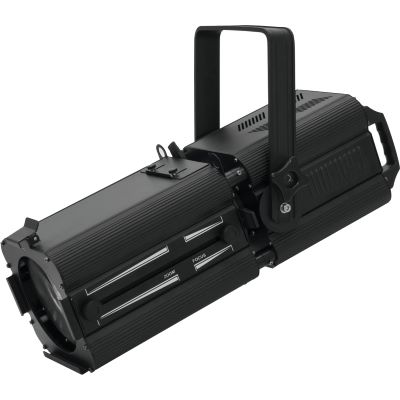
Soft light edges and controllable areas make Fresnel fixtures suitable for classic front, side and general stage lighting.
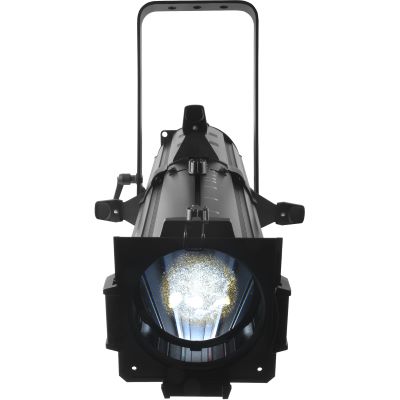
Shutters and focus controls create sharply defined lighting zones. They are ideal for doors, platforms, individual performers and precise stage areas.
Provides broad and even illumination for groups, backgrounds and scenes that require softer light.
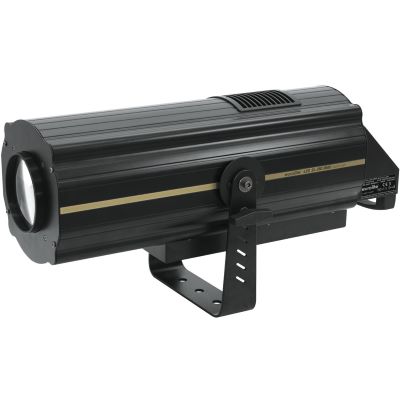
A followspot actively follows soloists or performers across the stage and is particularly useful for musicals, dance and gala productions.
Blackout, front light, night atmosphere and the final picture should be available as defined states rather than being rebuilt manually every time.
A light haze makes beams visible. Before use, the room, ventilation, alarm systems and venue requirements must be checked.
Lighting and audio cues should reference scene or page numbers in the running order so that stand-in operators can follow the production.
Modular stage platforms make different heights and performance areas possible. Legs, stairs, railings and joining parts must match the platform system used.
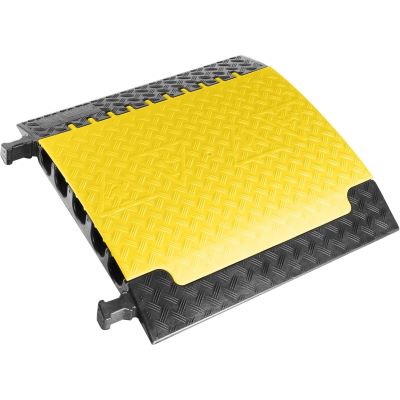
Audio, DMX and power should be routed clearly and mechanically protected. Audience routes and acting areas should not be crossed unnecessarily.
Wireless receivers, mixers and lighting controllers remain better organised when storage and transport are part of the technical concept from the beginning.
Safety: load-bearing stage structures, trusses, overhead mounting, electrical distribution and safety-relevant fixings should be planned and installed by appropriately qualified professionals.
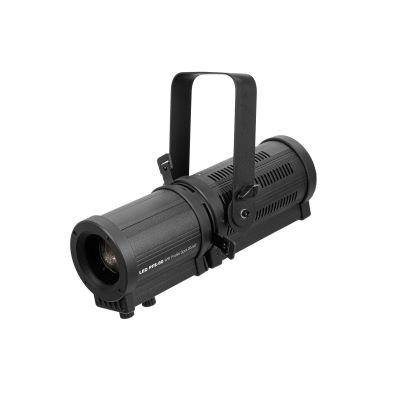
Fresnel fixtures, profile spotlights, panels and followspots.
Wireless speech pickup for moving performers.
Scenes, mutes, EQ, effects and monitoring.
Monitoring for musical bands, soloists and performers.
Reproduce lighting cues and scenes consistently.
Haze and fog for visible beams and atmospheric scenes.
Modular performance areas and different stage heights.
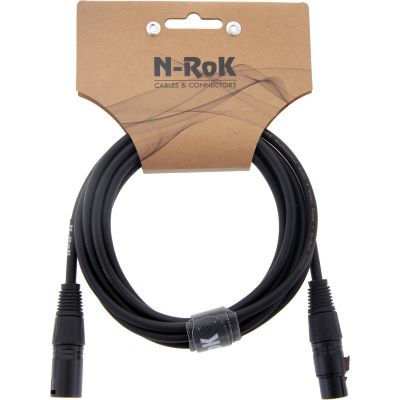
Protect signal routes and organise technical equipment.
The source selection covers sound, wireless systems, lighting, haze and infrastructure. Wireless systems, stage construction and lighting installation should always be considered as complete systems rather than isolated products.
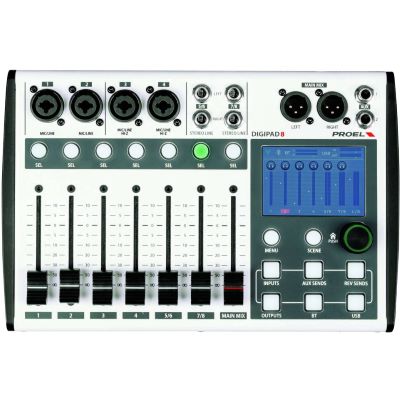
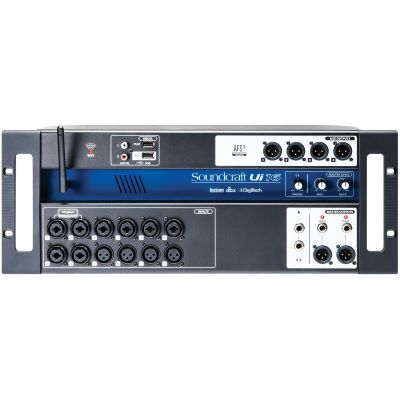

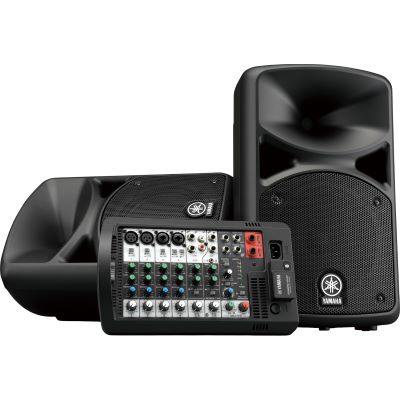
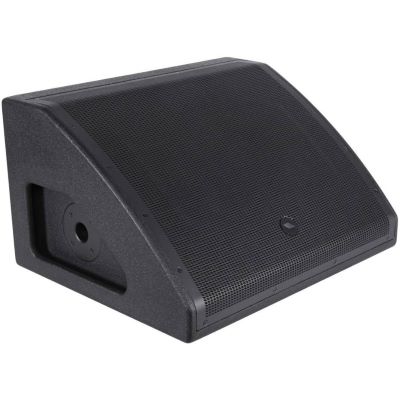

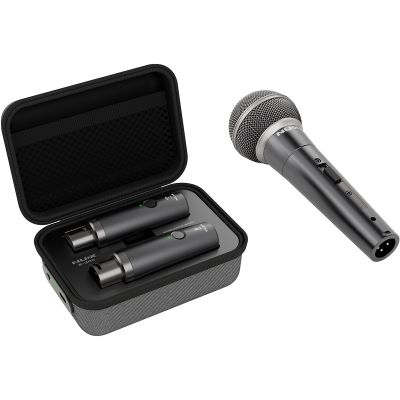
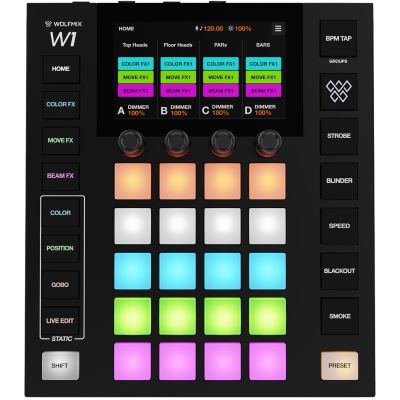
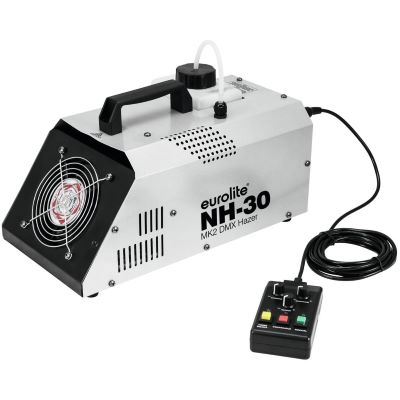
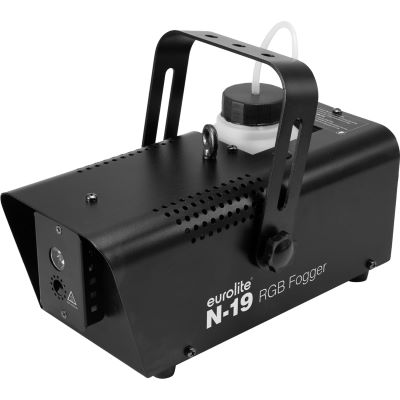
Headset receivers, handheld microphones, instruments and playback sources should receive fixed mixer channels. Scenes and mutes should be prepared so only the microphones required for the current scene are open.
Instead of documenting channel numbers alone, clear names such as “Act 1 – Living Room”, “Blackout” or “Finale” make the show logic easier to understand for substitute operators and student technical teams.
Guide status: 24 August 2026. Wireless frequencies, rigging, electrical distribution and overhead mounting must be checked for the actual venue. Safety-relevant installations should be implemented professionally.
A failed cable, empty battery or missing show file should not interrupt a performance. Prepare the technical reserve before the audience enters the room.


If a followspot, additional haze machine, larger lighting system or extra sound reinforcement is only required for one production, rental equipment can be more practical than maintaining a permanently oversized inventory.
Wireless headset systems are especially practical for moving performers. Handheld transmitters work well for moderation or deliberately visible microphones. With many performers, the complete wireless system needs to be planned together.
This depends on the cast and the scenes. Not every performer necessarily needs a transmitter permanently. Role changes and microphone handovers can reduce the required number, but the organisation must work reliably.
Scenes, mutes, EQ settings and effects can be stored and recalled consistently. This is particularly helpful for musicals and productions with many wireless channels.
Fresnel spotlights provide softer light edges and are suitable for wider areas. Profile spotlights produce more precise boundaries and can illuminate individual stage areas selectively.
A followspot is useful when individual people should remain highlighted while moving, for example in musicals, dance performances or gala productions.
Light haze makes beams visible and can create atmosphere. The room, ventilation, alarm systems and venue requirements must be checked before it is used.
The more performers who need microphones simultaneously, the more important reliable wireless technology, a clear channel plan and charged batteries become. A reduced system may be sufficient for small productions.
The important point is that scenes can be stored and recalled reliably. A compact DMX solution can be sufficient for small stages, while larger productions need more channels and more detailed control.
Labelled cables, fixed channel names, stored scenes and documented cue lists reduce mistakes. The show should remain understandable without depending on hidden knowledge held by one person.
If larger spotlights, additional wireless systems, followspots or effect equipment are only required for individual productions, rental equipment can sensibly supplement the permanent basic inventory.
Event technology for theater combines speech, music, lighting and stage equipment. Headsets and wireless microphones transmit performers, while a digital mixer manages scenes, playback and monitor paths. Active loudspeakers or an existing permanent installation distribute speech and music to the audience.
Fresnel fixtures, profile spotlights and area lighting form a flexible foundation for theater lighting. DMX control makes scenes reproducible, while haze and followspots provide targeted dramaturgical extensions.
Stage platforms, cable protection, stands and cases help keep the technical setup reliable between rehearsals, performances and changing productions.
Discover further guides covering schools and auditoriums, microphones, PA systems, lighting, bands, recording and complete event technology.