Two DJ Turntables
With two decks, you prepare the next record while the other is playing. A precise pitch fader is particularly important for traditional DJ mixing.

Vinyl DJing combines music with direct mechanical control. Instead of waveforms on a display, you work with the platter, pitch fader, tonearm, stylus and mixer. This guide explains why DJs usually choose direct-drive turntables, how beatmatching with vinyl works, which cartridge is suitable for mixing, scratching or DVS and how to build a classic or hybrid vinyl DJ setup.
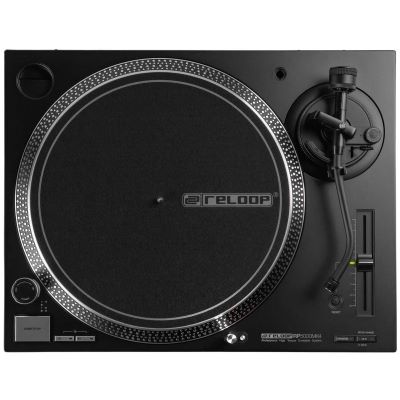
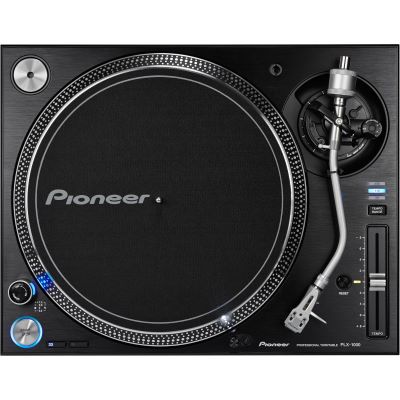
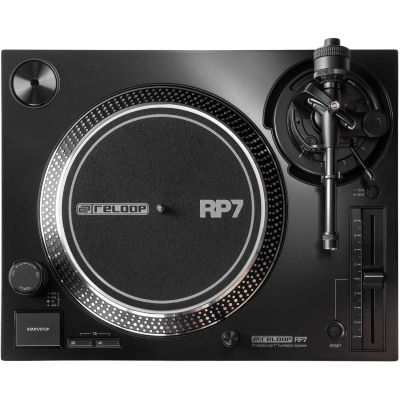
Two identical direct-drive turntables make learning easier because pitch range, torque and controls behave the same on both sides of the mixer.
A complete two-deck vinyl setup consists of two suitable turntables, a DJ mixer, two cartridges, headphones and your records. Add slipmats, cables and a stable setup that is as resistant to vibration as possible.
With two decks, you prepare the next record while the other is playing. A precise pitch fader is particularly important for traditional DJ mixing.
The mixer amplifies the phono signals, enables headphone cueing and connects both turntables through faders, EQ and crossfader.
The cartridge converts movement of the stylus into an electrical signal. Mixing, scratching and DVS place different demands on the cartridge system.
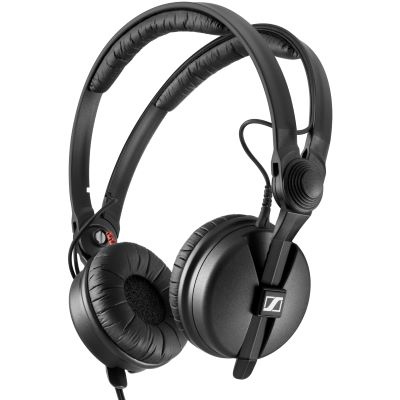
Slipmats allow you to hold and rotate a record independently of the platter. Headphones are used to find cue points and pre-match the beats.
For a classic introduction: two identical direct-drive turntables simplify learning because pitch range, torque and operation are the same on both sides.
With a direct-drive turntable, the platter is driven directly by the motor. This allows it to respond quickly to starting, stopping and manual corrections.
When cueing, you hold the record while the platter and motor continue to run. When you release the record, it should return to the correct speed as quickly as possible. A powerful direct-drive motor supports exactly this working method.
Higher torque produces a stronger start and faster return to target speed. For classic mixing, the highest possible value is not automatically better. Scratch and turntablism techniques, however, particularly benefit from direct motor response.
The pitch fader changes the speed of the record. A precise, sufficiently long pitch travel makes small tempo adjustments easier. Ranges such as ±8 percent are particularly practical for conventional beatmatching, while wider ranges provide additional creative options.
Direct drive or belt drive for DJs? For active mixing, cueing, backcueing and scratching, a direct-drive turntable is generally the appropriate choice. Belt-drive designs are more commonly associated with traditional Hi-Fi playback.
Vinyl forces you to judge tempo and phase by ear. For many DJs, this direct working method is exactly what makes mixing records so appealing.
Locate the first beat you want to use, hold the record there and move it gently backwards and forwards until you can identify the starting point reliably.
Release the record at the correct point in the musical phrase of the running track and initially listen only through the headphones.
If the new track consistently runs ahead, reduce its speed. If it consistently falls behind, increase the speed.
Short manual corrections on the record or edge of the platter bring the beats together again without constantly making large changes to the pitch fader.
Do not mix too early: if you can keep the new track stable for only a few seconds, extend the cueing phase first. Regular listening develops tempo-matching ability faster than frantic corrections.
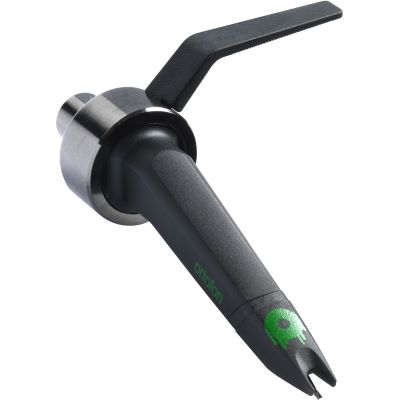
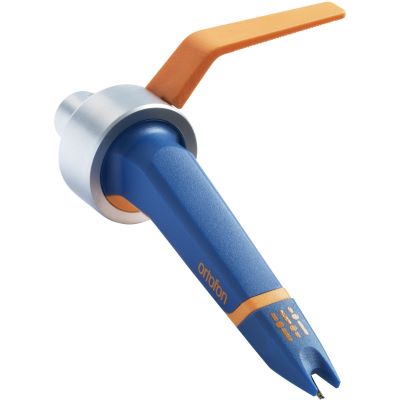
Reliable tracking, sufficient output level and a durable stylus are important for traditional mixing. Concorde systems can be mounted especially quickly on compatible SME-type tonearms.
Scratching repeatedly moves the record forwards and backwards. Cartridges intended for this application are therefore designed with a particular focus on tracking reliability and the demands of intensive DJ use.
Timecode vinyl transmits a control signal to the DJ software. Special cartridge systems are available with high output levels and a focus on reliable timecode tracking.
Set the tonearm correctly: tracking force and anti-skating should match the cartridge being used. Follow the manufacturer's specifications and avoid unnecessarily high tracking force.
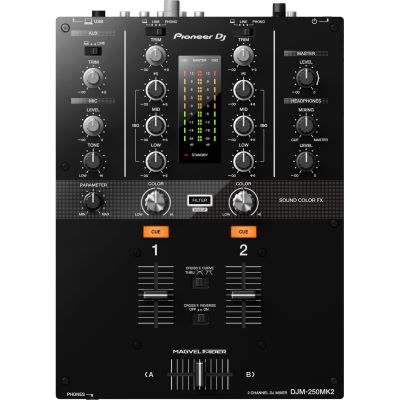
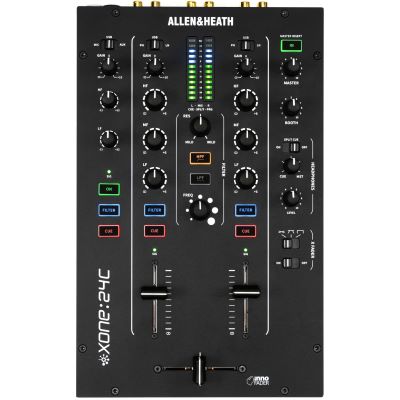
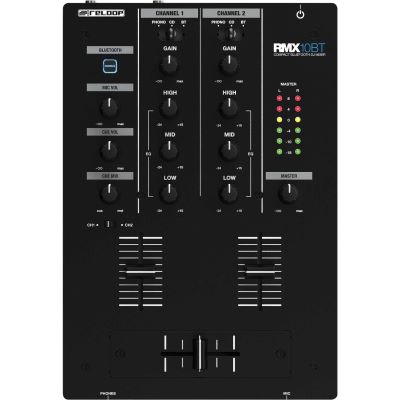
A two-channel DJ mixer is sufficient for a traditional two-turntable setup. The important points are two suitable phono inputs, clean headphone cueing, easily accessible EQ controls and a crossfader that suits your mixing style.
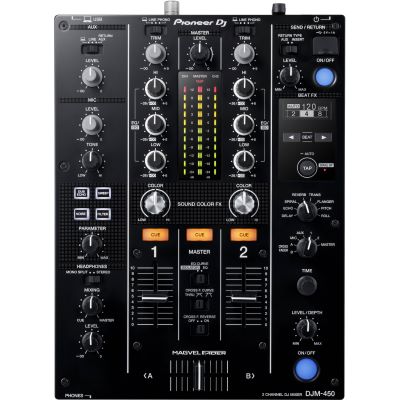
A Digital Vinyl System connects turntables to DJ software. Instead of music, the control vinyl contains a signal that allows the software to detect speed, direction and position.
Cueing, pitch adjustment and scratching still feel like working with a normal turntable while you gain access to a digital music library.
Some DJ mixers contain an integrated DVS-capable sound card. Other setups require an additional compatible audio interface.
With suitable routing, you can switch between timecode and normal records and combine digital and analogue tracks in the same setup.
| Setup | Music Source | Cartridge | Mixer Focus | Ideal For |
|---|---|---|---|---|
| Classic Vinyl | Physical records | DJ / MIX / Club | Phono, EQ, clean faders | House, Techno, Disco, Funk |
| Turntablism | Vinyl or timecode | Scratch | Fast crossfader | Scratch, Hip-Hop, Battle |
| DVS | Digital library | Digital / Scratch | USB audio interface | Hybrid and performance DJs |
Turntables for mixing, scratching and DVS applications.
Compact mixers designed to bring two turntables together.
Additional channels for combined vinyl, player and hybrid setups.
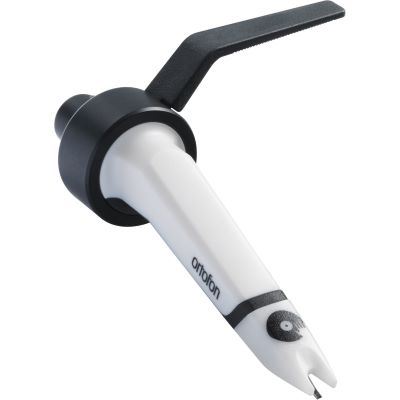
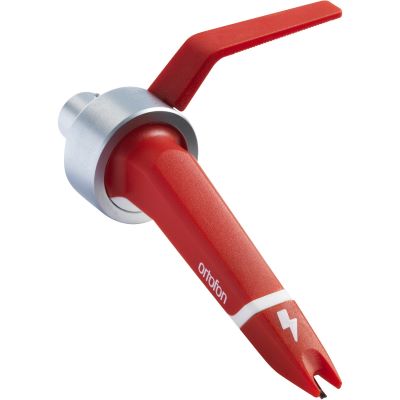
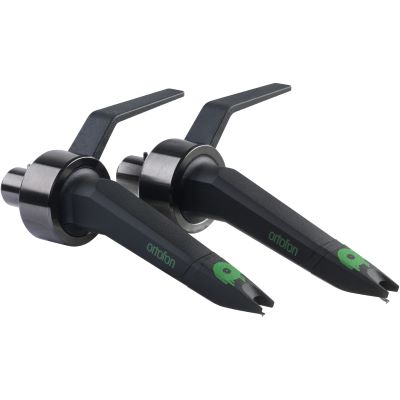
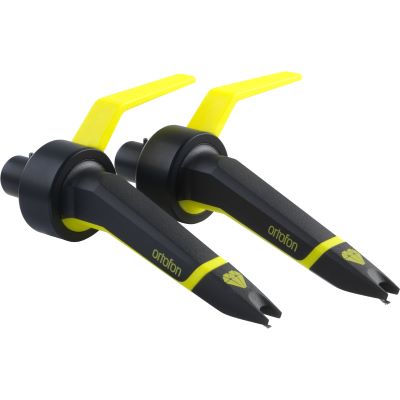
Concorde and headshell systems for different DJ applications.
Replacement needles for compatible existing DJ cartridges.
Controlled cueing, backcueing and manual record movement.
Pre-listening and manual beatmatching between two records.
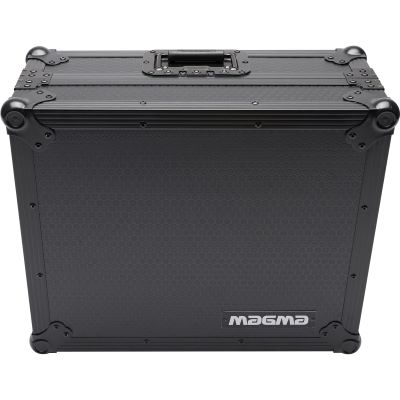
Protect turntables and mixers during transport.
Different models emphasise traditional mixing, high-torque performance, DVS integration or specialist formats.
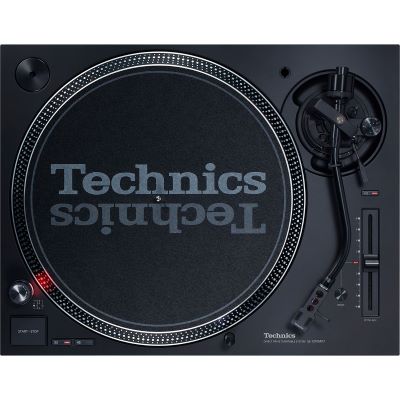
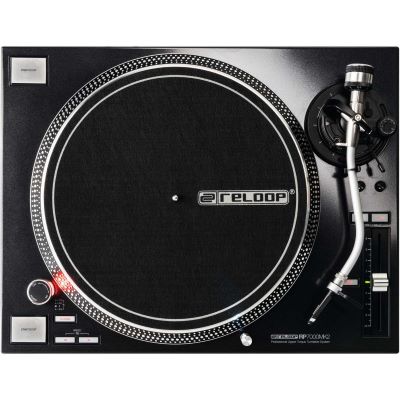

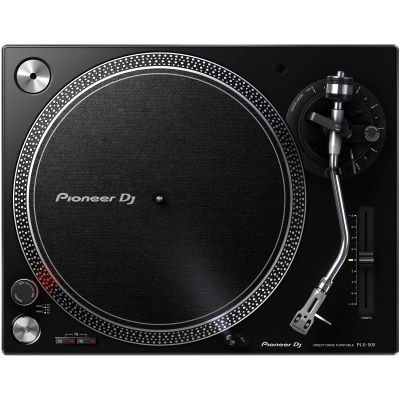
Dust travels directly between the stylus and groove. A suitable record brush and regular cleaning reduce unwanted noise and help protect the collection.
Dirty or worn styli can track less reliably. Use suitable cleaning products and replace the stylus according to use and the manufacturer's recommendations.
A stable, level surface makes correct tonearm adjustment easier. In bass-heavy rooms in particular, the turntable should be positioned so that it is affected as little as possible by floor and loudspeaker vibrations.






For active cueing and scratching, a suitable direct-drive turntable is generally the more practical foundation.
More pressure is not a universal solution for a jumping stylus. The cartridge and tonearm should be adjusted correctly.
A traditional phono signal requires the correct phono preamplifier or PHONO input.
A DJ slipmat allows the record to move independently of the platter continuing to rotate underneath it.
Sort your set before the gig and protect the records from pressure, moisture and unnecessary temperature fluctuations.
Vinyl beatmatching depends on listening. Train yourself to identify both the direction and speed of a tempo deviation.
For traditional mixing, yes. While one record is playing, you prepare the next track on the second turntable. For pure scratching or listening, one turntable can initially be sufficient.
The motor reacts directly to starting and manual intervention. This supports cueing, beatmatching, backcueing and scratch techniques.
A range around ±8 percent allows particularly fine corrections. Wider ranges are useful when very different tempos or creative pitch techniques are required.
Concorde systems can be fitted very quickly to compatible SME-type tonearms. Headshell systems provide additional adjustment possibilities. The intended application determines which solution is most suitable.
Use a DJ cartridge specifically designed for scratch and turntablism applications. Tracking reliability and robustness are especially important for this type of use.
Traditional cartridges produce a substantially lower signal level than line-level devices. A phono input contains the preamplification and equalisation required for that signal.
Yes. A hybrid setup can combine conventional records with DVS, media players or other digital sources as long as the mixer and routing are suitable.
Typically you need turntables, timecode vinyl, compatible DJ software and a suitable audio interface. The interface may already be integrated into the DJ mixer.
This depends strongly on the stylus type, tracking force, condition of the records and intensity of use. Check the sound and stylus regularly and follow the recommendations of the relevant manufacturer.
Many visual and automatic aids are absent. Traditional vinyl therefore requires more training of your hearing, timing and manual pitch control. For many DJs, exactly this is part of its appeal.
A good vinyl DJ setup begins with two stable direct-drive turntables and a mixer with suitable phono inputs. Add cartridges according to your style: all-round or MIX systems for traditional transitions, scratch cartridges for turntablism and digital cartridges for DVS.
From there, practice becomes the most important factor. Learn to set cue points manually, hear tempo deviations and adjust the pitch with as few corrections as possible. Once you can keep two records synchronised cleanly for an extended period, you have developed a foundation that remains useful when later moving to club media players or digital systems.
From DJ equipment and club setups to recording, event technology and musical instruments, the central Musikhaus Korn guide contains further comparisons, decision-making aids and complete project paths.