Musikhaus Keks
Welcome!
Our cookies offer you a fast, relaxed and full-featured shopping experience. Some are necessary to operate the website and its functions. Others help us to improve our services. If you agree to this, simply consent to the use of cookies for preferences, statistics and marketing by clicking on "OK". Alternatively, you can deactivate individual cookies under "Customise cookies" or all cookies, except those required for the function of our website, under "Reject all".
Musikhaus Korn DJ Guide

Standalone DJ System or Controller? Find the Right Workflow

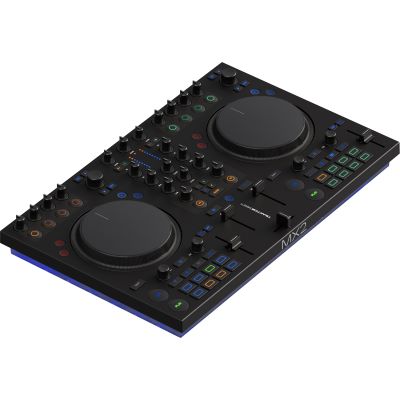
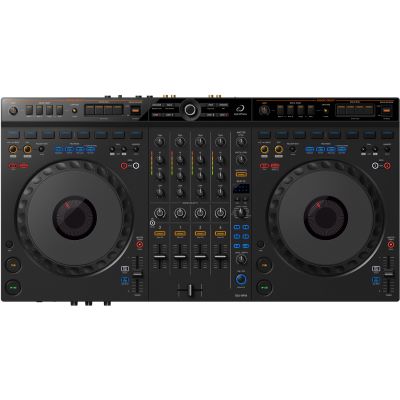
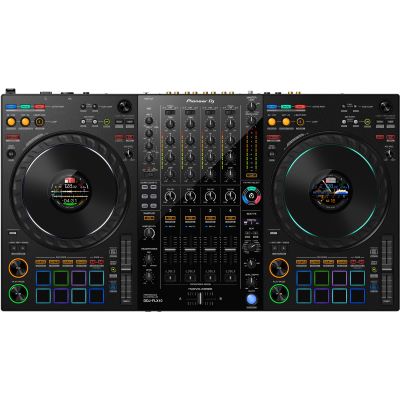
A classic DJ controller works closely with rekordbox, Serato, TRAKTOR, djay or another DJ software platform. A standalone DJ system, by contrast, has its own players, display, mixer and operating system and can play music without a running laptop. Which solution suits you better depends on your application: bedroom DJing, mobile events, club training and performance all place different demands on software, media, connections, mobility and operation.

Laptop and standalone workflows explained Compare USB, streaming & software For home, mobile, club & performance
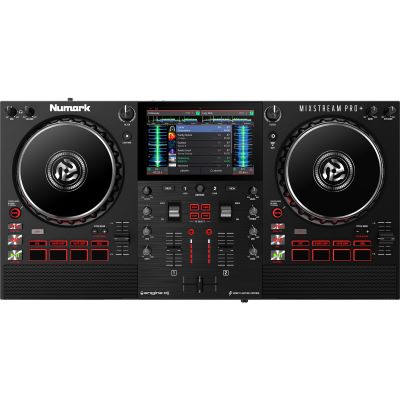
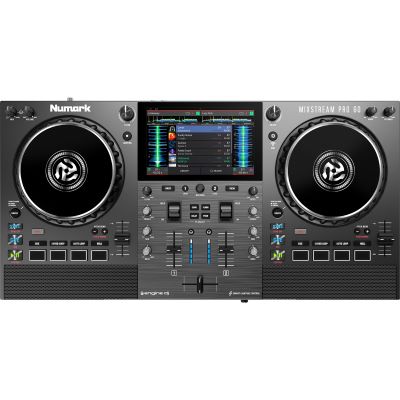
Numark Mixstream Pro Plus standalone DJ system with touchscreen and integrated speakers
2 basic system routes: software or standalone
0 laptops required for true standalone operation
4 typical applications: home, mobile, club, performance
1 key factor: your personal workflow
The Quick Decision

Which Is Better: Standalone DJ System or Controller?

A controller is particularly attractive if you want to work flexibly with DJ software, browse a large music library on your computer and gain access to new software features quickly. Standalone is attractive when you want the laptop to disappear during the performance and the DJ system to operate as independently as possible.

Flexible Software Use

A Controller Fits If the Computer Can Be Part of Your Setup

The computer handles the library, display and a large part of the signal processing. This often makes stems, samplers, streaming services and new software functions especially flexible to use.

  • Large display for library and waveforms.
  • Wide choice of different DJ programs.
  • Often a more affordable entry point.
  • Easy expansion through software.
DJ Independently

Standalone Fits If You Do Not Need a Laptop During the Set

Music is loaded directly from USB, SD, internal storage or, depending on the model, supported online sources. Display, decks, mixer and audio interface are all integrated into one unit.

  • Fewer main devices on the DJ table.
  • Direct operation with media and integrated display.
  • Often professional Master and Booth outputs.
  • Workflow closer to independent DJ players.

Simple rule of thumb: if you already have a suitable computer and want as many software possibilities as possible, start with a controller. If you want to insert a USB drive, switch on the system and DJ without an open computer, compare standalone systems.

Hardware Interface for DJ Software

How Does a Classic DJ Controller Work?

Jog wheels, faders and performance pads control the software. The computer handles music management, graphical display and many creative calculations.

One Instrument

Controller and DJ Software Work Together

A controller sends operating commands to the DJ software. At the same time, its integrated audio interface normally provides separate Master and headphone outputs. This lets you cue the next track while music is already playing through the loudspeakers.

Large Library

The Computer Provides Plenty of Space for Your Music

A laptop is particularly convenient for large collections: search fields, playlists, multiple decks, waveforms and additional information can all remain visible at the same time. This can be a major advantage for open-format and mobile DJs.

Software Updates

Functions Can Evolve Independently of the Hardware

Functions such as Track Separation, stems, samplers or new effect modes can sometimes be added through software updates. A controller may therefore gain new possibilities without replacing the complete hardware.

The software workflow is the obvious choice if you specifically want to use rekordbox, Serato, TRAKTOR or djay, work extensively with stems, browse large libraries or obtain many performance functions with a manageable hardware budget.

Independent DJ System

What Is the Difference Between Standalone and a Controller?

A true standalone DJ system can load and play audio files itself. It therefore has its own operating system, integrated display and complete mixer and deck section.

  • Load music directly from USB or SD.
  • Browse playlists on the integrated display.
  • Use Hot Cues, loops and effects without a computer.
  • Depending on the model, use Wi-Fi and supported streaming services.
  • Connect PA, Booth and microphones directly.

Standalone does not mean “a computer is never useful”. A computer can still be helpful for library maintenance, track analysis, playlist export, firmware updates or additional software functions. The decisive difference is that the system can play independently during the set.

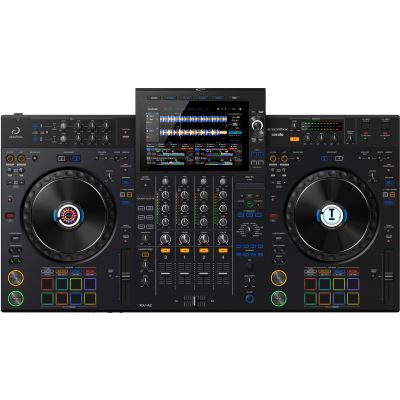
AlphaTheta XDJ-AZ four-deck standalone DJ system with large integrated touchscreen
A real standalone system combines playback, display, mixer and deck controls in one independent workstation.
Between Both Worlds

Why Hybrid Systems Make the Decision Less Final

Many current all-in-one systems can be used standalone and can also be connected to a computer. Conversely, some larger controllers have a mixer that works independently for external sources but still cannot play digital music files without connected DJ software.

Flexible Workflow

Standalone Today, Software Tomorrow

A suitable all-in-one system can be tested and prepared with software at home while being used only with USB media during a gig.

Important Distinction

A Standalone Mixer Is Not a Standalone Player

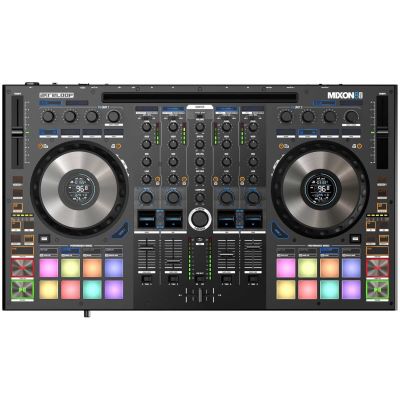
A controller such as the Reloop MIXON 8 Pro can mix external analogue sources without software. Its digital DJ decks still require a connected software device.

Several Operating Modes

More Modes Create More Possibilities

Hybrid concepts are especially attractive if you work at home, play mobile events and DJ with different performers without wanting separate hardware for every situation.

Your Music Matters Too

Choose Library, Streaming and Software Before the Hardware

If your complete music collection is already organised in a particular software platform, that workflow should influence your purchasing decision. The same applies to streaming services and prepared USB media.

rekordbox

Controller and Export Workflow

Interesting for controller users and DJs who also want to prepare their library for compatible players and all-in-one systems.

Serato

Performance, Scratch & Controller Setups

Particularly widespread in performance, scratch and controller setups. Hardware support should always be checked for the individual model.

Engine DJ

Independent Platform for Standalone Systems

An independent platform used by several Denon DJ and Numark systems, with direct media management and network-based functions.

USB Export

Prepare Media Before the Event

DJs who work without a laptop should check tracks, playlists and cue points before the event and prepare a second music medium as a backup.

The Rear Panel Can Matter More Than the Display

Which Inputs and Outputs Should You Compare?

A bedroom setup needs different connections from a wedding, club or hybrid performance setup with external players and turntables.

Master & Booth

Home and Professional Outputs

RCA is sufficient for many home setups. A balanced XLR Master and separate Booth output are considerably more flexible for professional events.

Microphones & External Sources

Plan Inputs According to Your Application

Mobile DJs should plan at least one sensibly controllable microphone path. LINE and PHONO inputs become important when external players or turntables are added.

USB, SD & Network

Media Connections Determine Standalone Flexibility

On standalone systems, media ports and network options determine how flexibly you can load tracks, play back-to-back sets or integrate a backup source.

All Differences at a Glance

Standalone DJ System vs. Software Controller

Feature Controller Standalone
Laptop During the Set Usually required Not required
Hardware Price Often lower Usually higher
Library Display Large computer screen Integrated display
Software Choice Often more flexible Depends on the system
USB Music Media Not the main workflow Central music source
Setup Effort Controller + computer One central unit
Stems Very flexible in software Model and firmware dependent
Club Preparation Depends on layout Very good with a club-oriented system
Mobility Small controllers can be very light No separate laptop required
Choose According to Your Application

Which Solution Fits Which Type of DJ?

DJ Beginner

Controller Is Economical with an Existing Laptop

If you already have a suitable laptop, a compact two-deck controller is an economical and straightforward starting point. Standalone becomes worthwhile when the independent workflow is a deliberate priority.

Bedroom DJ

Functionality on a Small Footprint

Controllers provide a lot of functionality in a relatively small space. A compact standalone system is attractive if the computer should not remain permanently on the DJ desk.

Mobile DJ

Connections and Backup Matter Most

XLR Master, Booth, microphones, fast setup and backup options matter here. Both concepts work professionally when their connections match the application.

Club & Performance DJ

Hardware Workflow or Software Performance

Club-oriented standalone systems train hardware operation. Powerful controllers, on the other hand, excel with stems, software effects and complex live remixes.

The Main Device Is Only Part of the Setup

Plan Headphones, Monitoring and Transport at the Same Time

Cueing

DJ Headphones

Cueing is equally important with a controller and standalone system. Closed-back headphones therefore belong to the basic equipment regardless of your chosen main system.

Home Monitoring

Active Monitors

Compact active monitors are sufficient at home. For events, however, a suitable PA system must be planned according to the room and application.

Transport

Choose a Suitable Case

Large all-in-one systems such as the XDJ-AZ or OPUS-QUAD require considerably more transport volume than compact controllers. Plan protection, weight and vehicle space before purchasing.

Brand Worlds at Musikhaus Korn

Brands for Software Controllers and Standalone Systems

Manufacturer pages let you compare product families, suitable accessories and additional devices from the same DJ ecosystem.

Avoid These Before Buying

Seven Common Mistakes When Comparing Both Systems

Mistake 1

Treating Every All-in-One Device as Standalone

The decisive question is whether the device can actually load and play audio files itself without a connected computer.

Mistake 2

Comparing Only the Purchase Price

With a controller, your existing computer, possible software licences and accessories are part of the total budget.

Mistake 3

Choosing the Software After Buying the Hardware

Compatibility and the workflow of your preferred DJ platform should already be clear before making the hardware decision.

Mistake 4

Assuming Standalone Is Automatically More Professional

Professional results are possible with both types of system. Your application and operating skills are more important.

Mistake 5

Planning Streaming as the Only Music Source

For important performances, keep a local and fully tested selection of music available.

Mistake 6

Underestimating Transport Size

Professional standalone systems can be significantly wider and heavier than a small controller and notebook.

Mistake 7

Ignoring Master and Microphone Connections

For mobile DJs, professional inputs and outputs can be more important than display size or additional effects.

Frequently Asked Questions Before Choosing

Answers About Controllers and Standalone DJ Systems

What Is the Most Important Difference Between a Controller and Standalone?

A classic controller requires connected DJ software to play its digital decks. A standalone system can load, manage and play music itself.

Is a Standalone DJ System Suitable for Beginners?

Yes. Operation can even be very straightforward. However, if you already have a suitable laptop, a simple controller can provide a much more affordable introduction to DJing.

Can I Still Use DJ Software with a Standalone System?

With many current models, yes. The exact software support depends on the individual device and should be checked on the relevant product page.

Is a Standalone Mixer the Same as a Standalone DJ System?

No. A controller can have an independently operating mixer for external devices without being able to play digital music files itself. True standalone DJ operation additionally requires integrated player or playback functions.

Which Solution Is Better for Stems?

Software controllers often provide especially flexible and rapidly evolving stem functions. Modern standalone systems are increasingly adding these capabilities as well. The deciding factor is the specific model.

Which Is Better for Mobile DJs?

Both concepts work. Standalone reduces the number of main devices, while a controller provides a large library view and flexible software. Master, Booth and microphone connections should be weighted more heavily than the system type alone.

Which Solution Is Better Preparation for Club DJing?

A club-oriented all-in-one system can reproduce browsing, USB media and hardware operation in a way that is very similar to a professional booth. Beatmatching, phrasing and mixer operation can also be learned completely on a controller.

Do I Still Need a Computer at Home for Standalone DJing?

Not necessarily for every system, but a computer remains very practical for library management, playlist preparation, backups and updates.

Can a Standalone System Use Streaming Services Directly?

Some Wi-Fi-enabled systems can integrate supported services directly. Availability, subscription conditions and functions can differ and should be checked before use.

When Should I Buy a Controller Instead of Standalone?

A controller is particularly attractive if you already own a suitable computer, have chosen your preferred DJ software, work extensively with stems and software functions or want as much functionality as possible for your hardware budget.

When Is the Higher Price of a Standalone System Worth It?

When independent operation, fewer devices during setup, professional connections and working directly from the integrated display and hardware provide a real advantage for your regular application.

Two Routes, One Goal: DJ Reliably and Efficiently

Standalone DJ System or Controller? Comparison

A software controller is the flexible route when a laptop and DJ software are already part of your workflow. You get a large library display, rapid access to new software functions and can choose anything from a compact beginner device to a professional four-channel performance controller.

A standalone DJ system instead combines players, display, mixer and audio interface in one central unit. This is attractive for DJs who want to load music from USB, SD or supported network sources and deliberately work without an open laptop during the performance.

The right decision therefore does not depend on which concept is supposedly more modern or professional. Choose according to your software, music library, application, required connections, transport requirements and your longer-term goal as a bedroom, mobile, club or performance DJ.

More Buying Advice and Practical Knowledge

Discover More Musikhaus Korn Guides

From DJ controllers and standalone systems to club, vinyl and performance DJing as well as studio equipment, musical instruments and event technology, the central Musikhaus Korn guide contains further comparisons, decision-making aids and complete project paths.