⌂
Sound Good at Low Volume
Compact combos and modeling amplifiers with a headphone output, power reduction or a well-controlled master volume are particularly practical at home.

Combo or head with cabinet? Tube, solid-state or modeling? Start by considering where you will use the amplifier, the sound you want and the volume you actually need. After that, power, speakers, connections and effects become important. This guide takes you from a compact practice amp to a complete guitar rig for rehearsals and the stage.
Power alone is not a useful starting point. An amplifier for a rented apartment needs different qualities from a rig that must remain audible beside an acoustic drum kit.
Compact combos and modeling amplifiers with a headphone output, power reduction or a well-controlled master volume are particularly practical at home.
Modeling, USB audio and integrated effects can reduce the amount of additional equipment required and make practising with different sounds easier.
Drum volume, the required clean headroom and speaker configuration all matter. A larger combo or a head with cabinet can provide additional reserves.
A microphone or suitable line output can route the amp through the PA. A stage amplifier therefore does not automatically need to be the largest possible model.
Amplifier and speaker are housed in the same enclosure. A combo is quick to set up and therefore particularly practical at home, during lessons, at rehearsals and on smaller stages.
The amplifier and speaker cabinet are separate. Different cabinets can therefore be combined and individual components can be replaced or expanded more easily.
Modern solutions can provide amplifier and cabinet sounds directly on a pedalboard. Depending on the device, the signal can be sent to a power amplifier, active speaker, audio interface or PA.
There is no single technically superior solution. Tube, solid-state and digital amplifiers follow different concepts. What matters is the sound they produce at the volume you really use and how much flexibility you need in everyday life.
Tubes in the preamp and power amp influence dynamics and distortion behaviour. Even small tube amplifiers can become surprisingly loud, so a master volume or power reduction can be valuable for home use.
Solid-state amplifiers operate without traditional power tubes. Modeling amplifiers additionally create digital recreations of different amplifiers, cabinets and effects, often providing many sounds in one device.
Hybrid designs may combine a tube stage with solid-state technology. Do not decide solely by the technology label: compare the actual amplifier with your own guitar whenever possible.
| Concept | Strength | Consider |
|---|---|---|
| Tube | Dynamics and classic overdrive behaviour | Volume, weight and tube wear |
| Solid-State | Robust, controllable and straightforward | The tonal concept of the individual model |
| Modeling | Many amps, effects and presets | Operating concept and required functions |
| Hybrid | Combination of different circuit concepts | Construction differs from model to model |
Watt ratings from different amplifier technologies cannot simply be compared directly. Speaker efficiency, the number of speakers, enclosure design, required clean headroom and room size all influence the result.
Small tube amplifiers or compact solid-state and modeling combos are usually more than sufficient. Features designed for very low volume are often more useful than additional maximum output.
The amplifier must work at the actual volume of the band. Clean tones generally require more headroom than deliberately compressed or overdriven guitar sounds.
If the amplifier is miked or connected to the PA via a suitable output, stage volume is no longer the only criterion. Monitoring and playing feel also become important.
A single 12-inch speaker keeps size and weight manageable and is sufficient for many rehearsal, studio and stage situations.
Two speakers create a larger enclosure and a different spatial impression while remaining easier to transport than a traditional large cabinet.
Four 12-inch speakers create the classic stack format. The trade-off is significantly greater space, weight and transport effort.
Particularly useful in apartments and for late-night practice. Check whether the headphone output includes a suitable speaker or cabinet simulation.
Delay, reverb and modulation effects can be placed after the preamp. This can be particularly useful when distortion is generated by the amplifier itself.
Suitable outputs make recording or connecting the amp to additional audio equipment easier. The exact functionality varies considerably between models.
Channel, effect or preset changes become much easier on stage when the amplifier supports an appropriate foot controller.
Tube amplifiers and appropriately voiced modeling sounds are classic starting points for responsive clean-to-crunch tones.
A clean and defined basic sound lets pedals and the dynamics of the guitar remain clearly audible.
A flexible combo with useful clean and crunch channels covers many rehearsal and band situations.
Gain structure, tight low frequencies and a suitable cabinet matter more than the watt rating alone.
From a compact modeling combo to a tube head with a separate cabinet, these examples deliberately cover different amplifier concepts.
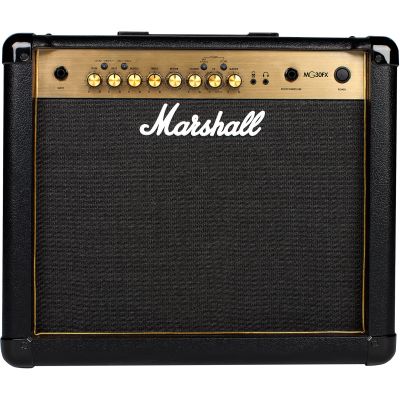
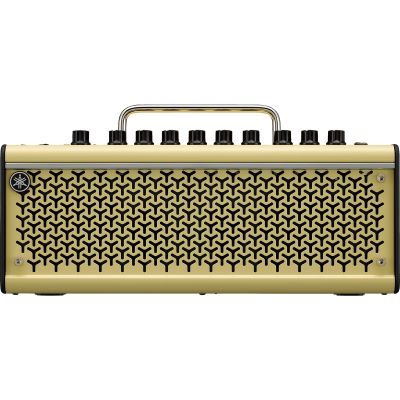
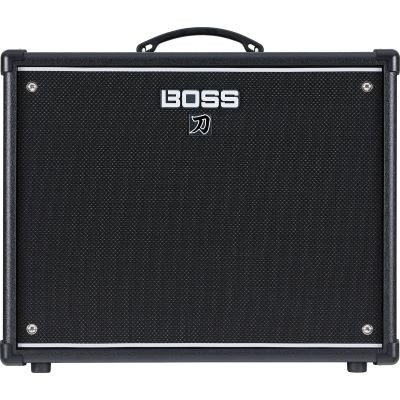
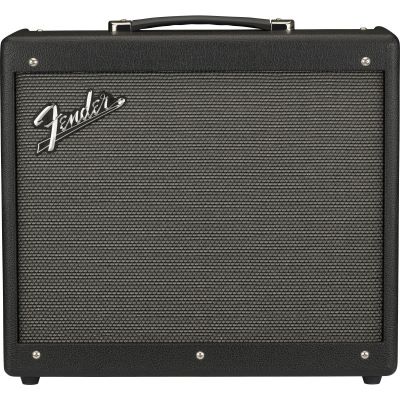
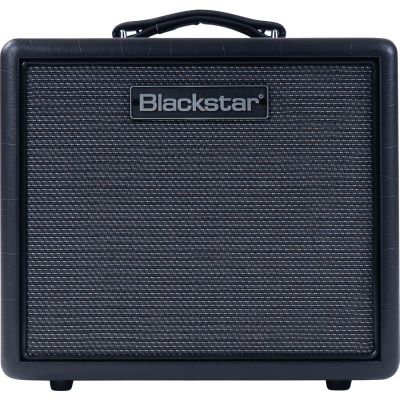
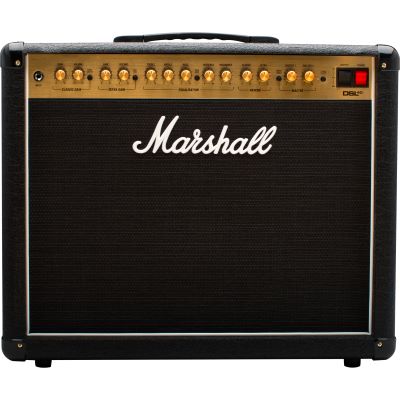
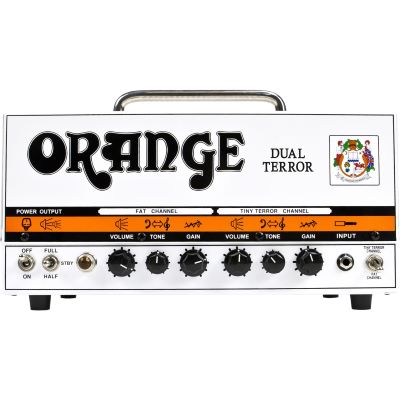
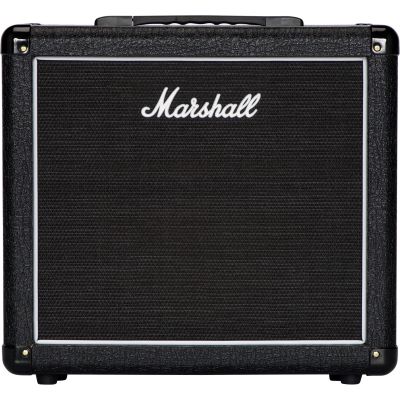
Start with the group that matches your intended use, then compare sound, controls, connections and transport requirements.
Connect the electric guitar to the amplifier or pedalboard with a suitable instrument cable.
Drive pedals are often placed before the amplifier. Time-based effects can also be routed through the effects loop depending on the setup.
With a separate head, check impedance and power handling and use a proper speaker cable.
Begin with gain, channel volume and master volume turned down, then raise them gradually to suit the environment.
Power alone says too little about sound, clean headroom and perceived loudness.
A loud amplifier provides little benefit if the sound you want only appears above the volume you are able to use at home.
With amplifier heads, connection type, impedance and power handling must be compatible with the cabinet.
Headphones, FX loop, USB, line output and footswitch support are difficult or impossible to add later if the amplifier does not provide them.
A beautiful solo sound does not automatically cut through or sit correctly in a complete band mix.








Play clean, crunch and your strongest distorted sound at a volume close to the level you will actually use. This makes dynamics, basic tonal character and operation much easier to judge than technical data alone.
Compare guitar types, sound, playing feel and the essential equipment required for your complete setup.
Compare ST-, T-, LP-, SG-, Heavy-style and many other electric guitar designs.
Add overdrive, distortion, delay, reverb and further sound-shaping tools to your amplifier setup.
Choose amplification designed for acoustic steel-string guitars and other electro-acoustic instruments.
The right guitar amplifier begins with its actual use. For home practice, controllable low-volume sound, headphones and compact dimensions are particularly useful. In a rehearsal room, clean headroom, speaker configuration and the ability to remain audible in the band become more important. On stage, transport, foot control and the connection to a PA or recording system are additional considerations.
Combo amplifiers combine amplifier and speaker in one unit. A separate head and cabinet provide a modular system that can be changed or expanded component by component. Tube amplifiers, solid-state amps, hybrid systems and modeling solutions have different strengths, but no single technology is automatically the best choice for every guitarist.
Compare the sound you actually want at the volume you will realistically use. Also check the speaker, headphone output, effects loop, USB or line connections and footswitch compatibility before buying. If you choose a separate amplifier head and passive cabinet, impedance and power handling must be compatible and the connection must use a suitable speaker cable.
From guitar and bass equipment to recording, DJ and event technology, the Musikhaus Korn guides take you step by step towards a setup that suits your needs.