Classical Guitar
Nylon strings, a wider neck and a warm sound for classical music, lessons, fingerstyle and quiet song accompaniment.
Discover Classical Guitars →
The right guitar is the one whose sound motivates you to play and whose size feels comfortable. Compare classical, acoustic and electric guitars by musical style, volume, playing feel and required accessories to find an instrument that suits your everyday life and musical goals.
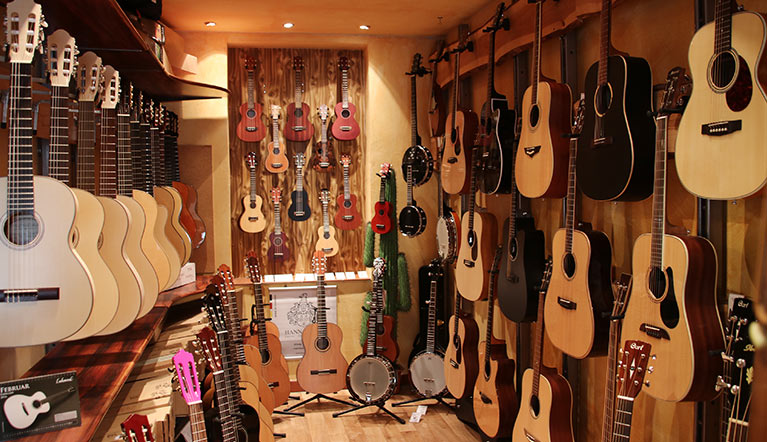
First decide which music you want to play. Woods, technical details and brands become important only after you have selected the basic guitar type.
Nylon strings, a wider neck and a warm sound for classical music, lessons, fingerstyle and quiet song accompaniment.
Discover Classical Guitars →Steel strings and a clear, powerful sound for pop, folk, country, singer-songwriters and acoustic bands.
Compare Acoustic Guitars →Shapeable sounds for rock, blues, funk, punk, jazz and metal, with the option of quiet practice through a suitable headphone output.
View Electric Guitars →Answer these questions in order. Many body shapes and equipment variations will then be ruled out automatically.
Name three favourite songs. Classical music usually points towards a classical guitar, acoustic pop towards a steel-string acoustic guitar and distorted riffs towards an electric guitar.
Acoustic guitars are clearly audible without any technology. An electric guitar remains quiet when unplugged and can be practised through suitable headphones.
Body, scale length, neck width and weight must suit your arms, hands and seated posture—not merely your age.
Acoustic guitars require little additional technology. An electric-guitar setup must include an amplifier, cable and, where required, headphones.
Sit upright and rest your forearm loosely on the body. Your shoulder and wrist should remain relaxed, and the first frets should be reachable without excessive stretching.
Fret a simple chord and then play several single notes. Buzzing strings, sharp fret ends or very high string action make the start unnecessarily difficult.
The best instrument for your shortlist is the one you do not immediately want to put down after the test.
Every construction type can be a good first or next instrument. What matters is whether its characteristics suit your goal.
A classical guitar has a comparatively wide neck and sounds soft, rounded and natural. The greater distance between the strings supports classical finger technique, although it may initially feel unfamiliar to small hands. Several sizes make it easier to find a suitable instrument for children, teenagers and smaller adults.
Acoustic steel-string guitars deliver a brilliant, projecting sound. Dreadnought models are powerful, while auditorium, orchestra and parlor body shapes can be more compact. Steel strings initially feel firmer, but are particularly suitable for strumming, picking and modern acoustic music.
An electric guitar’s sound is created together with an amplifier and effects. Many models have a manageable neck and comparatively thin strings. Single-coils often sound clear and direct, while humbuckers sound fuller and more powerful. HSS and HSH configurations combine several sound directions.
Silent and travel guitars save space or reduce acoustic volume. Semi-acoustic electric guitars offer more resonance, while baritone, seven-string and eight-string models extend the tonal range. Twelve-string acoustic guitars create a broad, chorus-like sound. Anyone mainly interested in low grooves and the rhythmic foundation of a band should also compare bass guitars . More compact alternatives are available among ukuleles and other string instruments .
The table compares the most important characteristics of the three central guitar types.
| Feature | Classical Guitar | Acoustic Guitar | Electric Guitar |
|---|---|---|---|
| Strings | Nylon, softer feel | Steel, firm and brilliant | Steel, often in lighter gauges |
| Neck | Wide, generous string spacing | Usually medium width | Slim to substantial, depending on model |
| Basic Sound | Warm, soft and rounded | Clear, open and assertive | Shapeable through an amplifier and effects |
| Typical Music | Classical, flamenco and fingerstyle | Pop, folk, country and acoustic rock | Rock, blues, funk, jazz and metal |
| Volume | Clearly audible acoustically | Powerful acoustic volume | Quiet when unplugged |
| Additional Equipment | Not required | Not required | Amplifier and cable required |
| Particularly Suitable For | Lessons and classical technique | Singers and acoustic accompaniment | Band sounds and flexible sound shaping |
A well-fitting, properly adjusted guitar is more valuable than extensive equipment you do not need.
A shorter scale length reduces the distance between the frets. A compact body helps many children and smaller adults maintain a relaxed posture.
The strings should be frettable without excessive force. Clean fret ends, reliable tuning machines and a stable neck prevent avoidable frustration.
On electric guitars, the pickup configuration shapes the instrument’s character. An acoustic guitar requires an integrated pickup or another suitable solution for stage or PA use.
Compare left-handed models deliberately. For an electric guitar, plan not only the instrument but the complete system comprising an amplifier, cable, bag and accessories.
Age recommendations provide only a general orientation. Body height, arm length, hand size and body shape are more reliable criteria.

The selection includes classical, compact, electric and stage-ready solutions. Technical details are available on the respective English product pages.
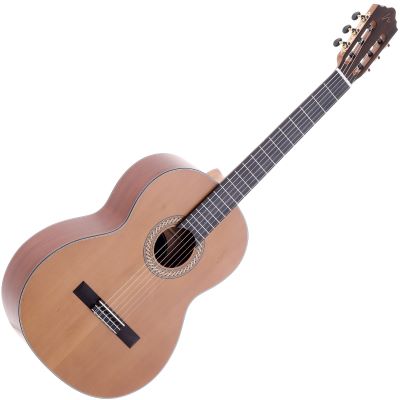
A traditional full-size classical guitar with a solid cedar top.
View Product →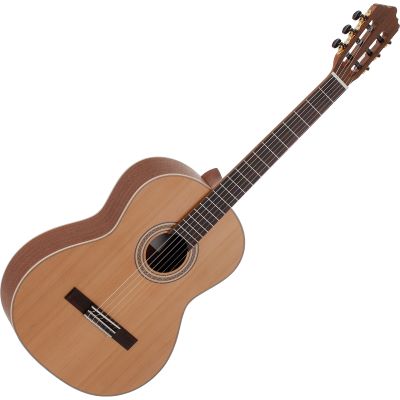
A classical playing feel with a warm response.
View Product →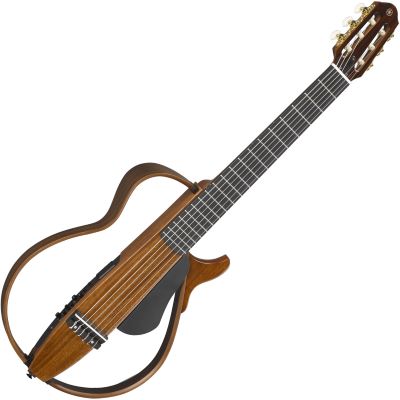
Reduced acoustic volume combined with amplified playing.
View Product →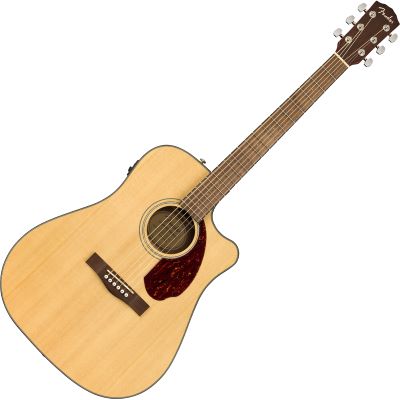
A dreadnought body with a cutaway and integrated pickup.
View Product →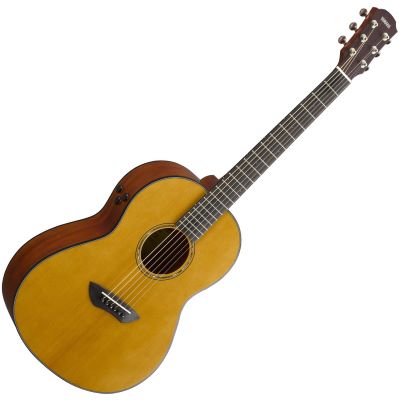
A compact body for the home, travel and stage.
View Product →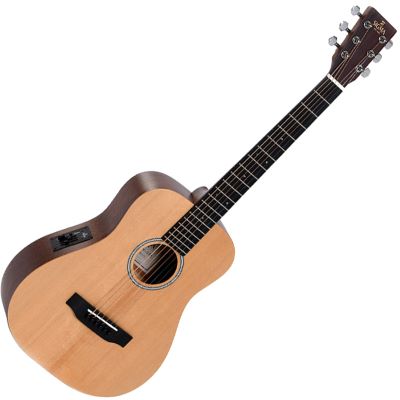
A transport-friendly format with a pickup and gig bag.
View Product →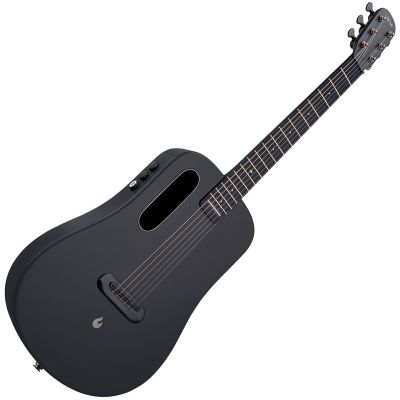
Compact carbon construction including an Airflow Bag.
View Product →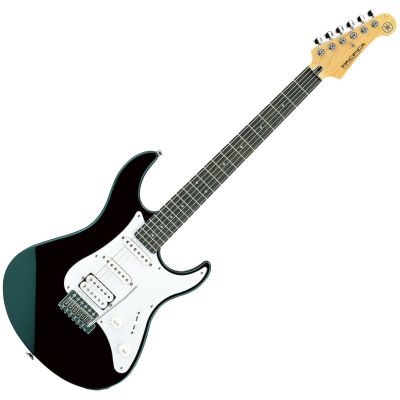
A flexible pickup combination for clean, crunch and rock sounds.
View Product →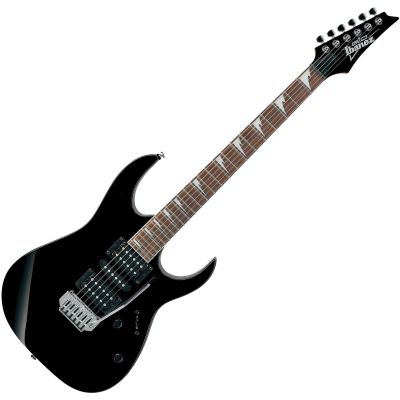
A rock-oriented shape with a versatile pickup configuration.
View Product →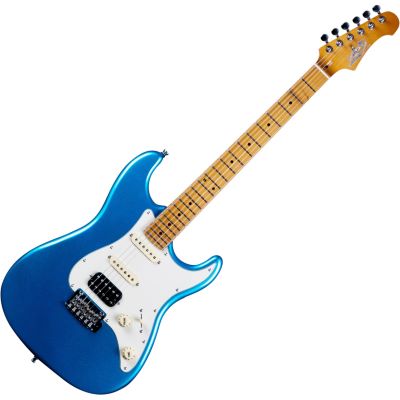
Classic ergonomics for versatile electric-guitar sounds.
View Product →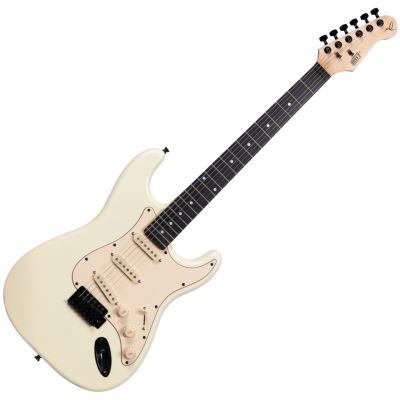
A more compact electric guitar for smaller players.
View Product →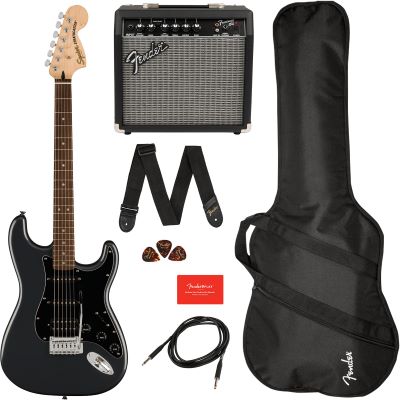
Guitar, amplifier, gig bag, cable, strap and picks in one coordinated package.
View Product →Use these model lists only after deciding on the construction type, size and intended use. This makes differences between the instruments easier to compare.
Sets are useful when you do not yet own an amplifier or the basic accessories. Nevertheless, check whether the guitar size, pickup configuration and amplifier connections suit your goal.
Accessories must match the guitar type. Nylon, acoustic and electric-guitar strings are not interchangeable.
A clip-on tuner, several picks and a matching replacement string set form a practical foundation.
A bag or case must match the guitar’s construction. A stable stand keeps the instrument accessible and protects it from falling over.
An electric guitar requires at least a suitable amplifier and an instrument cable. Effects can be added later.
An acoustic guitar with a pickup can be reproduced through an acoustic amplifier or a suitable PA system.
Colour and shape can be motivating, but they do not replace a suitable size and comfortable playability.
A rock fan does not have to learn classical guitar first when an electric guitar provides stronger motivation.
An uncomfortable shoulder position makes practice sessions and clean movement more difficult.
High string action and poorly finished frets can make even a good model difficult to play.
Without an amplifier and cable, the actual sound of an electric guitar cannot be assessed properly.
A good basic setup is more useful than numerous effects whose function is not yet clear.
The internal manufacturer pages bring together instruments, amplifiers, effects and accessories from each brand.
The Musikhaus Korn team can help you with the guitar type, size, accessories and amplification. Expert advice, guitar inspection, repair options and in-house service workshops continue to support you after your selection.
The easiest guitar is usually the one that suits the desired music and the player’s body size. Nylon strings feel softer, while electric guitars often provide a manageable neck and thinner strings.
No. Anyone who wants to play rock, blues, funk or metal can begin directly on an electric guitar. Learning materials and lessons should match the chosen instrument.
An electric guitar remains quiet when unplugged and can be played through a suitable amplifier or headphone amplifier. Acoustic guitars are clearly audible in the room without any technology.
Many adults play a full-size 4/4 guitar. Smaller players may feel more comfortable with 7/8, parlor, travel or short-scale models. Reach and a relaxed posture are decisive.
Nylon often feels softer, although the broad classical-guitar neck requires more reach. Steel strings are firmer but provide the characteristic acoustic and electric-guitar sound.
The letters describe single-coil and humbucker pickups. SSS configurations often sound clear and direct, while HH configurations sound powerful and full. HSS and HSH combine different sound characteristics.
Often, but not automatically. Try both playing positions without making a decision in advance. The preferred dominant strumming or fretting hand can feel different from person to person.
A set is useful when you need the instrument, bag, tuner and, for electric guitars, an amplifier and cable. The guitar’s quality and fit nevertheless remain decisive.
Begin with your musical direction and then decide on volume, body size and playing feel. Afterwards, compare specific models within the same construction type. This makes differences in neck, scale length, string action and equipment much easier to recognise.
A suitable guitar does not need the greatest possible number of features. It should feel comfortable, remain reliably in tune and deliver the sound you enjoy hearing. That is the instrument that will not merely be purchased, but played regularly.