
ST-Style Electric Guitars


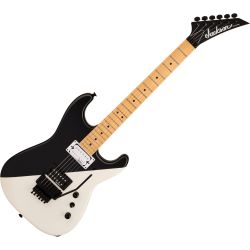


Are you looking for an ST-style electric guitar that feels comfortable, sounds versatile and inspires you every time you pick it up?
Then an ST-style electric guitar is one of the most flexible choices you can make, because it combines a comfortable body shape, clear tone and practical controls in one familiar design. Whether you play blues, rock, pop, funk, indie, metal or your first chords at home, this guitar type gives you a strong musical foundation.
Why are ST-style electric guitars so popular?
ST-style electric guitars are popular because they offer easy handling, strong sound variety and a body shape that works well for long practice sessions, rehearsals and live gigs. Their double-cutaway body, bolt-on neck and pickup switching make them useful for many players instead of just one music style.
What makes an ST-style guitar different from other electric guitars?
An ST-style guitar usually has a contoured body, easy upper-fret access, a bolt-on neck and several pickup positions for a wide range of sounds. Compared with heavier single-cut guitars, it often feels more ergonomic, brighter in tone and very direct under the fingers.
ST-style electric guitars at a glance
Which sound can you expect from an ST-style electric guitar?
The basic sound is often clear, transparent and lively, with enough punch for rhythm playing and enough sparkle for expressive lead lines. Depending on the pickup configuration, the same body style can sound vintage, modern, warm, bright, aggressive or clean and polished.
Is an ST-style guitar good for beginners?
Yes, an ST-style electric guitar is an excellent beginner guitar because it is comfortable to hold, easy to control and available in many price ranges. Beginners can explore different tones without needing several instruments right away.
Is an ST-style guitar also suitable for advanced players?
Yes, advanced players often choose ST-style guitars because they react very clearly to picking dynamics, amplifier settings and effects pedals. A well-set-up ST-style model can be a reliable main guitar for studio work, rehearsals and stage performance.
What is the difference between SSS, HSS, HH and HSH?
SSS means three single coils, HSS combines one bridge humbucker with two single coils, HH uses two humbuckers, and HSH adds a single coil between two humbuckers. These pickup layouts decide how bright, powerful, quiet, flexible or modern your guitar will sound.
Pickup configurations compared
Which ST-style guitar is best for blues?
For blues, an SSS ST-style electric guitar is a strong choice because the neck pickup gives warm, expressive tones while the in-between positions sound clear and vocal. If you want thicker solos, an HSS model can add extra sustain and drive at the bridge.
Which ST-style guitar is best for rock?
For rock, an HSS ST-style guitar is often the most practical option because the bridge humbucker delivers more power for riffs and solos. At the same time, the single coils keep clean parts bright and detailed.
Which ST-style guitar is best for metal?
For metal, choose an ST-inspired guitar with humbuckers, stable tuning hardware, a fast neck and strong sustain. HH or HSH models with 24 frets, a flatter fingerboard and reliable bridge system are especially useful for heavy rhythm playing and technical leads.
Which ST-style guitar is best for funk and pop?
For funk and pop, an SSS pickup setup gives you the crisp attack, bright clarity and percussive response that these styles often need. The second and fourth pickup positions are especially popular for tight rhythm guitar and sparkling clean chords.
What is a single coil?
A single coil is a pickup type known for bright, open and detailed sound. It is ideal when you want clear clean tones, expressive blues lines, funky rhythm parts or classic ST-style sparkle.
What is a humbucker?
A humbucker usually sounds warmer, fuller and stronger than a single coil. It is a good choice for players who want more output, smoother lead tones, powerful riffs and less unwanted noise with distortion.
What does the 5-way switch do?
The 5-way switch lets you select individual pickups or pickup combinations for different tones. This is one of the reasons why ST-style electric guitars can move so easily from warm neck sounds to sharp bridge tones and glassy in-between settings.
Why is the bolt-on neck important?
A bolt-on neck supports a direct playing feel with clear attack and strong note definition. It is also a practical construction style because it makes adjustment, repair and replacement easier than with many set-neck designs.
Which body woods are common for ST-style guitars?
Common body woods include alder, ash, poplar, basswood and sometimes mahogany or nyatoh in modern interpretations. The wood can influence weight, resonance and feel, while pickups, strings, setup and amplifier settings shape a large part of the final sound.
Which neck and fingerboard materials are common?
Maple necks are very common on ST-style guitars because they are stable, comfortable and visually classic. Fingerboards may be maple, rosewood, laurel, pau ferro or other tonewoods, each offering a different feel under the fingers.
Important guitar terms explained
Sound and electronics
Pickup output
Pickup output describes how strong the signal from the pickup is. Lower output often feels more open and dynamic, while higher output can push an amplifier harder for rock and metal sounds.
Coil split
A coil split lets a humbucker imitate a single-coil-style sound by using only part of the pickup. This can make an HSS, HH or HSH guitar even more flexible for clean and crunch tones.
Passive pickups
Passive pickups do not need a battery and are known for natural dynamics. They respond strongly to picking strength, guitar volume settings and amplifier character.
Active pickups
Active pickups use a battery-powered circuit for a stronger and more controlled signal. They are often chosen for modern metal, tight distortion and consistent high-gain sounds.
Playability and construction
Scale length
Scale length is the vibrating string length between nut and bridge. A typical ST-style scale gives a bright response, firm string tension and defined attack.
Fretboard radius
Fretboard radius describes how curved or flat the fingerboard is. A rounder radius can feel comfortable for chords, while a flatter radius can help with bends and faster lead playing.
Neck profile
Neck profile describes the shape of the back of the neck. Modern C, D or slim profiles can feel fast and comfortable, while thicker vintage-style necks may feel more substantial in the hand.
Nut width
Nut width affects the string spacing near the headstock. A comfortable nut width helps your fretting hand play chords cleanly and move between strings with less effort.
Should you choose a tremolo or hardtail bridge?
A tremolo bridge is ideal if you want vibrato effects, pitch dips, surf-style shimmer or expressive lead playing. A hardtail bridge is a good choice if you prefer tuning stability, direct response and simpler maintenance.
What is a Floyd Rose-style bridge useful for?
A locking tremolo system is useful for dramatic vibrato effects, dive bombs and aggressive lead techniques. It requires more setup care, so it is best for players who really want extreme tremolo performance.
How many frets do you need?
Many classic ST-style guitars have 21 or 22 frets, which is enough for most blues, pop, rock and rhythm playing. Modern versions with 24 frets are useful for lead players who want extended range and higher solo notes.
Which ST-style guitar fits your playing level?
Which ST-style electric guitar should you buy for home practice?
For home practice, choose a guitar that feels comfortable, stays in tune and offers sounds that motivate you to play every day. A simple SSS or HSS model is usually enough, especially when paired with a good practice amplifier or headphone-friendly modelling setup.
Which ST-style guitar should you buy for recording?
For recording, focus on low noise, stable tuning, clean intonation and pickup sounds that sit well in a mix. SSS guitars are great for bright clean layers, while HSS guitars give you extra bridge power for rhythm tracks and solos.
Which ST-style guitar should you buy for live gigs?
For live use, choose a reliable model with stable hardware, comfortable weight and a pickup setup that covers your full setlist. HSS guitars are especially practical because they combine clean single-coil sounds with stronger humbucker drive.
How important is the guitar setup?
A good setup can make an ST-style guitar much easier to play and much more reliable. String height, neck relief, intonation, pickup height and tremolo balance all influence comfort, tuning and tone.
Do ST-style guitars work well with pedals?
Yes, ST-style guitars work very well with overdrive, distortion, delay, reverb, compressor, chorus, phaser and wah pedals. Clear single coils keep effects detailed, while humbuckers add strength and sustain when using heavier gain sounds.
Which amplifier works well with an ST-style electric guitar?
For clean and blues sounds, a warm combo amp or modelling amp with good clean headroom is a strong choice. For rock and metal, choose an amplifier or processor with convincing crunch, lead and high-gain sounds.
What accessories do you need with an ST-style guitar?
Useful accessories include a tuner, cable, strap, picks, spare strings, guitar stand, cleaning cloth and gig bag or case. Beginners may also need an amplifier, headphones, a metronome and learning material to get started comfortably.
Buying checklist for ST-style electric guitars
Can one ST-style guitar cover many genres?
Yes, this is one of the biggest strengths of the ST-style electric guitar. With the right pickup layout and amplifier settings, one instrument can cover pop, blues, funk, indie, classic rock, hard rock, worship, punk and even modern metal.
How do you compare different ST-style models?
Compare pickup configuration, neck profile, fret count, bridge type, body material, fingerboard material, color, hardware and included accessories. Then choose the guitar that best matches your hands, your sound goal and your budget instead of focusing only on appearance.
Which price range makes sense?
Entry-level ST-style guitars are great for beginners and casual players, while mid-range models often offer better pickups, fretwork and hardware. Premium models can be worth it when you want refined playability, professional reliability and more detailed tone.
Why buy an ST-style electric guitar from Musikhaus KORN?
At Musikhaus KORN, you can compare ST-style electric guitars by design, pickup setup, brand, price, availability and practical specifications. This helps you find the right guitar faster, whether you want a classic SSS model, a versatile HSS guitar or a modern humbucker-equipped instrument.
What is the easiest way to find your ideal ST-style guitar?
Start with the music you want to play, then choose the pickup configuration, neck feel and bridge type that support that sound. Once those basics are clear, details like finish, fretboard material, hardware and accessories become much easier to decide.
Find your ST-style electric guitar and shape your own sound
An ST-style electric guitar is a smart choice when you want comfort, flexibility, classic looks and a sound that can grow with your playing. Explore the available models, compare the key features and choose the guitar that makes you want to play one more riff, one more chord and one more song.