88
Choose a Digital Piano
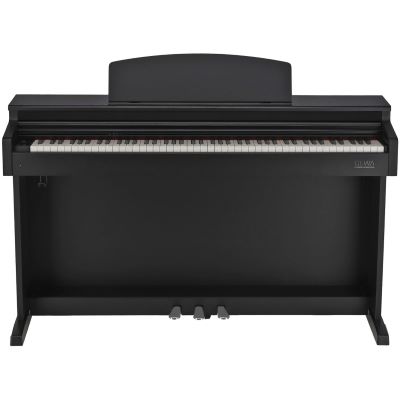
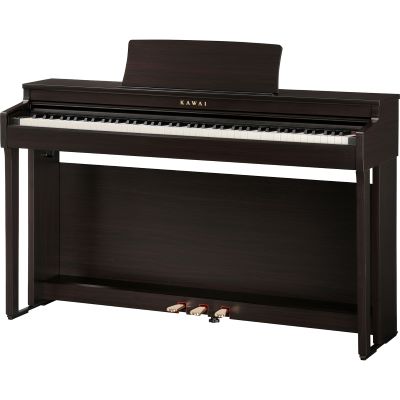
88 keys and a weighted hammer-action keyboard support classical piano technique, dynamic playing and the long-term study of piano repertoire.

Do you want to learn piano seriously over the long term, or would you rather experiment with lots of sounds, rhythms and automatic accompaniment? Digital pianos and keyboards both have keys and built-in sounds, but they are designed for different goals. Keyboard action, number of keys, learning objective, available space and the type of music you want to play are the deciding factors.
First ask yourself what you want to be able to play on the instrument in one or two years. If you want to learn serious piano technique, two-handed piano literature and pedal technique, a digital piano has clear advantages. If you want to accompany songs flexibly, explore many sounds or play with rhythms, a keyboard is often the more direct starting point.
88 keys and a weighted hammer-action keyboard support classical piano technique, dynamic playing and the long-term study of piano repertoire.
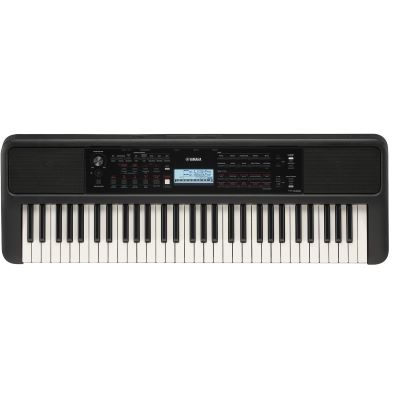
A compact keyboard, numerous instrument sounds, rhythms, automatic accompaniment and learning functions provide a versatile entry into making music.
A keyboard can motivate with rhythms and learning programs. If classical piano lessons begin, a weighted piano-style keyboard is generally the more suitable long-term foundation.
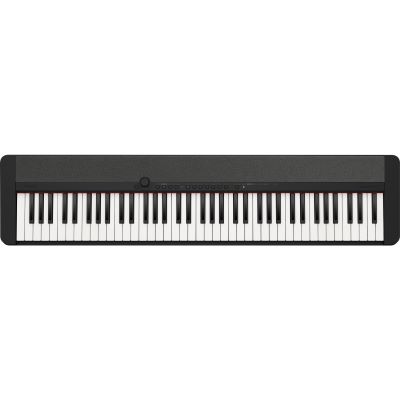
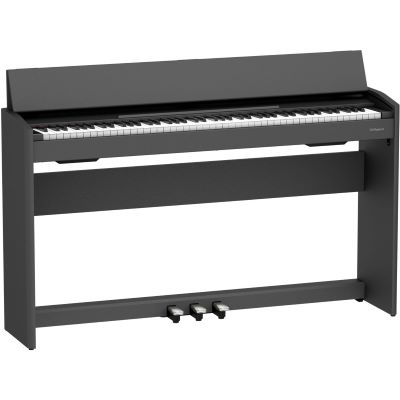
A keyboard is particularly compact. If you still want 88 weighted keys, a slim digital piano or a portable stage piano on a separate stand can be a good solution.
The most important difference is not the cabinet but the keyboard. A digital piano normally has a complete 88-key piano keyboard. Weighted hammer actions simulate the resistance of an acoustic piano and support differentiated control from very quiet to powerful playing.
Home keyboards frequently have 61 keys. They are lighter and more compact and provide many immediately playable sounds. Piano, electric piano, organ, strings, wind instruments and synthesizer sounds can all come from one instrument.
Many keyboards generate complete accompaniments with drums, bass and additional instruments to match the chords you play. You can therefore accompany complete songs with relatively simple chord progressions. A traditional digital piano instead places greater emphasis on your own two-handed performance.
Digital pianos may include additional sounds, Bluetooth and recording features. Some keyboards have 76 keys and high-quality piano sounds. The main distinction is therefore still the priority: piano-style keyboard action or functional versatility.
The table shows the most important differences between the two instrument concepts.
| Feature | Keyboard | Digital Piano |
|---|---|---|
| Main Goal | Versatile music-making | Authentic piano playing |
| Keys | Frequently 61, sometimes 49 or 76 | Typically 88 |
| Action | Light or touch-sensitive | Weighted hammer action |
| Sounds | Frequently a very large selection | Piano focus plus additional sounds |
| Automatic Accompaniment | Frequently available | Depends on model |
| Speakers | Typically integrated | Typically integrated |
| Pedals | Sustain usually optional | Frequently three pedals integrated |
| Transport | Usually very easy | Furniture models are significantly heavier |
| Ideal For | Pop, hobby, learning, accompaniment | Piano lessons and pianist-oriented playing |
Touch-sensitive keys detect how strongly you play. Volume and tonal character can therefore respond more musically. Touch sensitivity is an important quality feature on a keyboard as well.
A mechanical resistance is additionally simulated. If you want to play an acoustic piano later, this more familiar playing feel is particularly useful.
The more elaborate action makes digital pianos heavier. This extra construction effort is useful for pianists, while a lighter keyboard remains more practical for frequent transport.
If lessons follow a classical piano method, a digital piano with 88 weighted keys is particularly useful. The student practises from the beginning on a keyboard designed for pianist-oriented technique.
Keyboards can provide quick musical successes through rhythms, many instrument sounds, learning programs and, on some models, illuminated keys. This can be particularly motivating for an informal introduction to music.
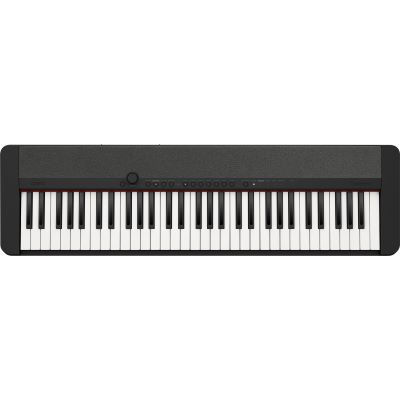
A touch-sensitive keyboard with 61 or 76 keys is a versatile starting point. If serious piano playing develops later, you can then move deliberately to a digital piano.
A keyboard can be removed from its stand after playing and stored in a bag. A traditional furniture-style digital piano is instead planned as a permanent playing position and also requires a suitable bench.
These six examples show how differently the two instrument groups can be designed, from a compact 61-key keyboard to a full furniture-style digital piano.
First choose one of the two instrument types. Afterwards, models within the same group can be compared meaningfully by keyboard, functions, connections and construction.
A stable stand is part of the basic equipment for a keyboard or portable piano. Height and legroom must suit your sitting position.
The correct sitting height is particularly important when learning piano. Your forearms and hands should be able to approach the keyboard in a relaxed position.
The damper pedal becomes part of piano technique early on. With a keyboard, check whether a suitable sustain pedal is already included or has to be purchased separately.
Headphones allow quiet practice. Mobile keyboards additionally benefit from a suitable bag and, where appropriate, a protective cover.
An inexpensive keyboard can be perfect for a playful introduction, but it does not automatically replace a weighted piano keyboard for classical lessons.
The number alone says nothing about the keyboard mechanism. For pianist-oriented playing, the weighting and action are at least as important.
A thousand sounds are no advantage if you mainly need one convincing piano sound. Choose according to the functions you will actually use regularly.
A furniture-style digital piano needs a permanent location. If the instrument is going to be transported regularly, a keyboard or portable piano is often more practical.





Play the same simple melody and a few chords first on a keyboard and then on a digital piano. Pay attention to key resistance, dynamics and sitting position. You will quickly notice whether you prefer the direct, light feel of a keyboard or the more piano-oriented playing feel of a digital piano.
Compare key range, touch sensitivity, sounds, accompaniment functions and keyboard accessories in more detail.
Compare 88-key models by action, pedals, speaker system and cabinet design.
The mobile alternative for pianists who need 88 weighted keys for rehearsals, lessons, the studio or the stage.
Alongside pianos and keyboards, discover synthesizers, workstations and MIDI keyboards as alternative keyboard-instrument concepts.
Keyboards and digital pianos are two different routes into the world of keyboard instruments. A keyboard is particularly suitable when many sounds, rhythms, learning functions, automatic accompaniment and compact dimensions are important. Home keyboards frequently have 61 keys, while larger 76-key models provide additional range.
If you want to learn piano technique over the long term, choose a digital piano with 88 weighted keys and hammer action. This type of instrument is more closely based on the playing feel, dynamics and pedal technique of an acoustic piano. For limited space, slim digital pianos and portable stage pianos provide alternatives, so you do not have to choose between a piano-style keyboard and an apartment-friendly setup.
From musical instruments and home-studio equipment to DJ and event technology, find additional buying guidance in the central Musikhaus Korn shopping guide.