⌂
Choose a Digital Piano
If the piano will remain permanently at home, an integrated furniture stand, three pedals, internal speakers and a tidy permanent playing position are particularly convenient.

Both instrument types can provide 88 weighted keys and high-quality piano sounds. The crucial difference is therefore often not the piano sound itself but the complete concept. Stage pianos are designed for transport, rehearsals, studio work and live performance, while traditional digital pianos create a permanent, always-ready piano position with speakers, furniture stand and pedals.
First consider where the instrument will mainly stand and be played during the next few years. A piano that remains permanently in the living room requires different qualities from an instrument that is carried to rehearsals every week and connected on stage.
If the piano will remain permanently at home, an integrated furniture stand, three pedals, internal speakers and a tidy permanent playing position are particularly convenient.
Musicians who move the instrument regularly benefit from a more compact cabinet, a separate stand, a suitable bag or case and easily accessible audio connections.
Splits, layers, several sound groups, effects and direct controls are often more important on stage than a furniture-style base or especially powerful internal speakers.
Both stage and digital pianos can work for piano technique when their 88-key hammer action suits the learning goal and the complete setup provides a stable pedal and seating position.
A traditional home digital piano is more than the keyboard itself. Furniture stand, music rest, speaker system and usually three permanently positioned pedals form one unit. The instrument is therefore always ready to play and is especially convenient for daily practice, lessons and family use.
The actual piano is housed in a transportable cabinet. Stand, pedal, bag, monitor and PA are selected according to the application. For musicians moving between home, music school, rehearsal room and stage, this modularity is a major advantage.
Professional stage pianos frequently provide fast access to piano, electric piano, organ and additional sounds. Split zones, layers, effects and controllers are designed so that settings can be changed between or even during songs.
Compact pianos with 88 weighted keys and integrated speakers can work extremely well at home while still remaining transportable. The product name alone should therefore not decide the purchase — consider the complete equipment concept.
Once these questions are answered, the fundamental choice normally becomes much easier.
| Feature | Stage Piano | Digital Piano |
|---|---|---|
| Main Application | Stage, rehearsal, studio, mobile use | Home, lessons, permanent piano position |
| Keys | Frequently 88, sometimes 73 or 76 | Typically 88 |
| Hammer Action | Model-dependent, frequently fully weighted | Usually strong piano focus |
| Speakers | Model-dependent | Normally integrated |
| Pedals | Separate or optional | Frequently three permanently mounted pedals |
| Operation | Frequently direct live access | Often more strongly optimised for piano and practice |
| Connections | Live and studio integration important | Headphones, USB and home use important |
| Transport | Deliberately designed for it | Unusual with furniture-style models |
| Additional Costs | Stand, bag, pedals and possibly monitoring | Frequently only bench and headphones |
No. High-quality stage pianos can use sophisticated hammer-action keyboards. The cabinet style alone says nothing about the quality of the touch. At the same time, some 73- and 76-key instruments are deliberately lighter and optimised for organ, electric-piano and synthesizer playing as well as lower transport weight.
The best starting point for musicians who use acoustic piano and grand-piano sounds extensively or who are taking traditional piano lessons.
Interesting for live musicians looking for less weight and smaller transport dimensions. For many band parts, this range is more than adequate.
If your set moves between piano, organ, synthesizer, pads and electric piano, also test operation, split zones and real-time controllers alongside the keyboard action.
That depends on the model. Many traditional professional stage pianos have no internal speaker system and are played through headphones, studio monitors, a keyboard amplifier or a PA. Portable stage and digital pianos may instead include their own speakers and work at home without additional amplification.
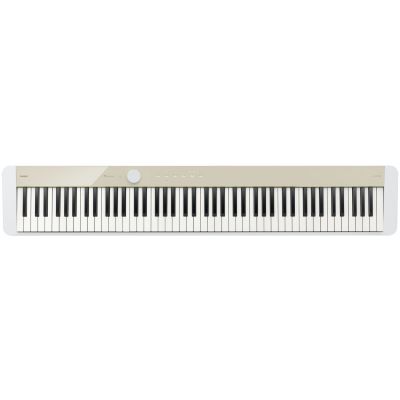
A digital piano with a permanent stand and three pedals provides an always-ready practice position. This is particularly convenient for long-term daily practice.
A portable 88-key piano can be dismantled when needed. A model-specific furniture stand can turn it into a stable permanent home setup later.
Weight, direct controls, audio outputs, split zones and fast sound changes are central requirements for live musicians.
A stage piano is attractive when several sounds and controllers are required. For pure piano performances and MIDI recording, a good digital piano can work equally well when the necessary connections are available.
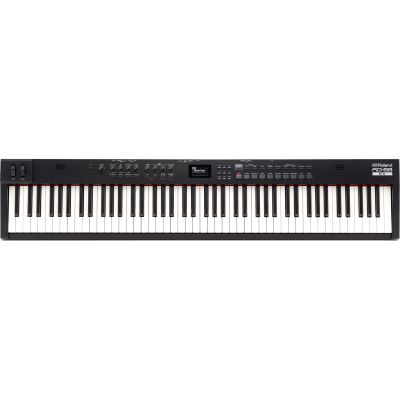
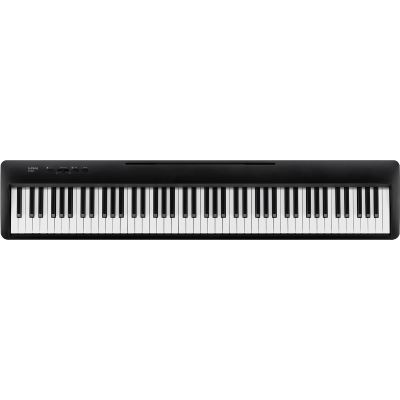
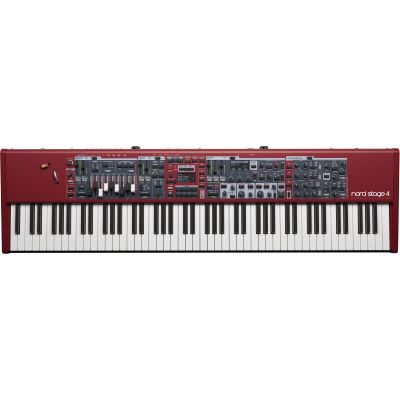
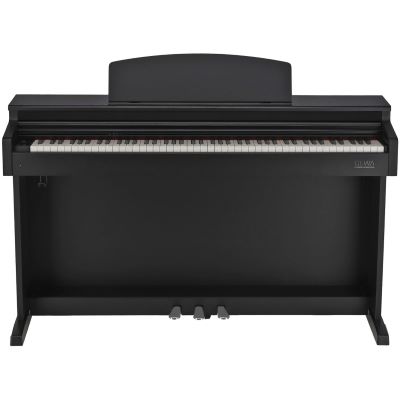
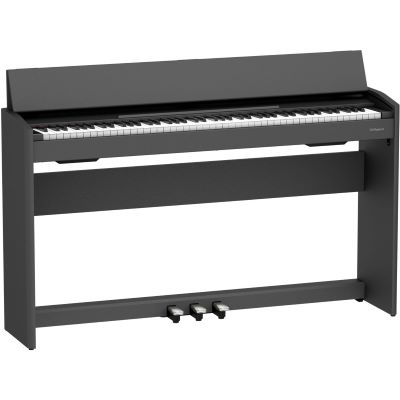
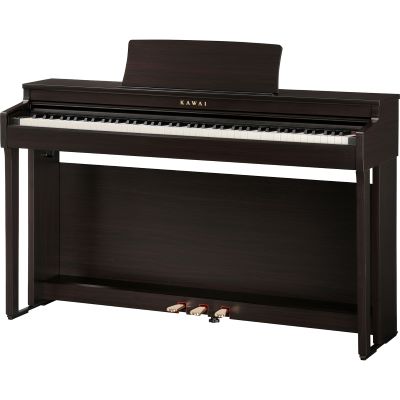
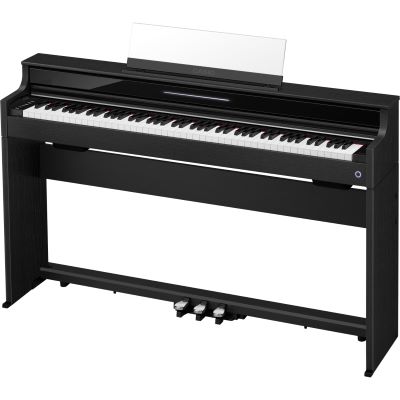
The two groups are deliberately kept separate. First compare the instrument concept and then, within the appropriate category, compare keyboard action, sounds, connections and accessories.
At home, a model-specific furniture stand is especially stable. For stage and rehearsal use, folding tables, Z-stands and robust X- or double-X stands are more flexible.
Pianists should check whether half-damper operation and a suitable three-pedal unit are supported, especially when the portable instrument is also intended for traditional piano practice.
Frequent transport calls for a precisely fitting bag or case. Instrument depth, length and total weight should all be considered.
If the stage piano has no internal speakers, you need headphones or monitoring at home and a suitable route to a keyboard amplifier or PA for rehearsals and live performances.
Professional live functions are not automatically an advantage at home. Players mainly practising piano may benefit more from a permanent and ergonomic digital-piano position.
This is model-dependent with stage pianos. Before buying, check whether headphones, monitors, a keyboard amplifier or a PA need to be included in the setup.
The piano is not the only item that moves. Bag, stand, pedals and accessories also have to be carried. Every kilogram can matter on regular tours.
Two fully weighted actions can feel very different. Comparing them directly with the same piano passages remains highly valuable.






Play the same quiet piano passage, several powerful chords and a fast run on both instruments. Afterwards, check which additional components your real setup needs: stand, pedals, bag, speakers or bench. This way you compare not only two instruments but two complete working environments.
If rhythms, automatic accompaniment and a large selection of sounds are more important than traditional hammer action, compare your options with home and entertainer keyboards.
Compare stationary 88-key instruments according to keyboard action, speakers, pedals and features.
Discover portable and professional instruments for home, studio, lessons, rehearsals and stage use.
Add stands, pedals, benches, bags and further accessories to complete your piano setup.
A stage piano is the right direction when the instrument needs to be transported, operated quickly on stage or integrated flexibly with studio equipment and a PA. 88 weighted keys are available here as well, while more compact 73- and 76-key designs can reduce weight and transport dimensions. Internal speakers are not guaranteed and should be checked separately for every model.
A digital piano is particularly convenient when piano playing at home is the main priority. Furniture stand, speakers, music rest and three pedals create a permanent piano position that is always ready. If your needs lie between the two concepts, portable digital and stage pianos provide numerous models that work with internal speakers at home and can still be taken to lessons, the studio or rehearsals.
From musical instruments and home-studio equipment to DJ and event technology, find more step-by-step buying guidance in the central Musikhaus Korn guide.