88
Full Piano Keyboard
For long-term piano learning, 88 keys are the most sensible starting point. You will not have to replace the instrument later simply because more advanced repertoire requires a wider range.

88 keys, hammer action, pedals, headphones, Bluetooth and different piano sounds: the technical specifications of a first digital piano can quickly seem complicated. For a good start, however, only a few points are really decisive. This guide explains which keyboard suits your learning goal, whether a home or portable piano makes more sense and which features you actually need for regular practice.
If you want to learn to play piano, your first digital piano should above all provide a good keyboard, a complete note range and a comfortable practice situation. Hundreds of sounds are less important than an instrument you enjoy playing every day.
For long-term piano learning, 88 keys are the most sensible starting point. You will not have to replace the instrument later simply because more advanced repertoire requires a wider range.
Hammer action provides resistance and supports controlled dynamic playing. Having 88 keys alone does not tell you how the instrument will feel under your fingers.
A convincing main piano sound is more important for a beginner than the largest possible sound library. Good dynamic response makes regular practice more rewarding.
A home digital piano creates a permanent practice position. A portable piano makes more sense when space is limited or the instrument needs to be moved regularly.
For beginners who really want to learn piano, keyboard feel is one of the most important criteria. Play both very softly and firmly and check whether you can control volume and expression without having to use unnecessary force.
A home digital piano has its own speaker system. Wattage alone does not determine quality. Listen to whether the bass, middle register and treble remain balanced even at moderate practice volume.
In an apartment or family home, an easily accessible headphone connection is particularly valuable. Two headphone outputs are practical for lessons or listening together. Mechanical key noise can still be heard in the room while playing with headphones.
A built-in metronome helps with timing. A simple recording function lets you listen critically to your own playing afterwards. USB, MIDI or Bluetooth can connect learning apps, computers and mobile devices, but they do not replace a good keyboard.
Such functions may be interesting, but they should not become more important than keyboard feel, piano sound, sitting position and regular practice.
For classical piano lessons, this is the most useful starting point. Many actions are graded so that lower keys feel slightly heavier and higher keys slightly lighter.
Some particularly inexpensive or highly portable digital pianos use a lighter mechanism. This can work for a casual introduction. If the goal is to develop piano technique, compare it directly with a weighted keyboard.
Features such as escapement simulation and wooden keys become more interesting as the price level increases, but they are not essential for first learning success. A good plastic hammer-action keyboard can be an excellent learning instrument.
The instrument remains permanently ready to play. Pedals, music rest and sitting position stay in the same place. This makes it easier to establish a regular practice routine and creates the appearance of a modern piano.
A compact piano can be dismantled and transported. You will need a stable keyboard stand, a suitable seat and at least one sustain pedal.
Slim models combine a permanently installed 88-key keyboard with reduced cabinet depth. They are an interesting solution for small apartments when you still want a permanent piano position.
| Feature | Priority | Why? |
|---|---|---|
| 88 Keys | High | Complete piano range |
| Touch Sensitivity | High | Musical control of dynamics |
| Hammer Action | High for piano lessons | Pianistic playing feel |
| Sustain Pedal | High | Part of piano technique from an early stage |
| Headphones | High at home | Flexible practice times |
| Metronome | Useful | Timing and even practice |
| USB / MIDI | Useful | Apps, computer and recording |
| Bluetooth | Convenient | Model-dependent audio or MIDI connectivity |
| Many Sounds | Optional | Not decisive for learning piano |
The seat should allow the forearms and hands to reach the keyboard in a relaxed position. For smaller children, a footrest can be useful until the feet reach the floor securely. The pedals should also remain easy to reach.
Returning players and absolute beginners alike benefit from an instrument that is always ready to play. Headphones also make it easier to fit short practice sessions into the morning or evening.
Ask the teacher which type of keyboard is expected. A Twin or Duo mode can be practical because teacher and student can play the same pitch range next to each other.
Better a short, focused practice session every day on an instrument that is always ready than one long practice session only at the weekend.
Practical rule for establishing a stable piano-learning routine
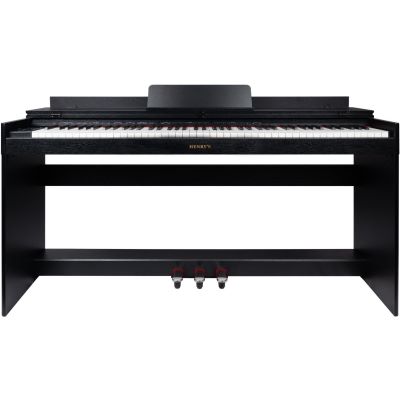
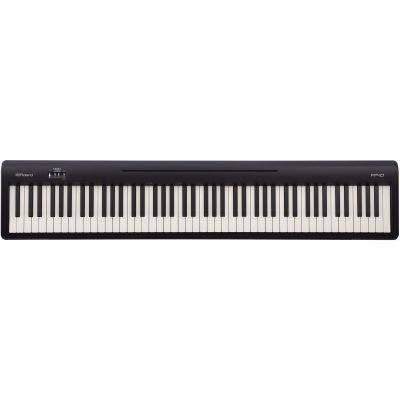
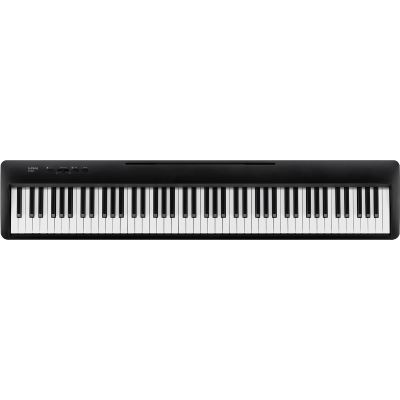
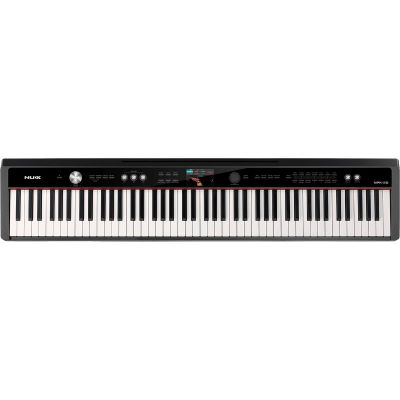
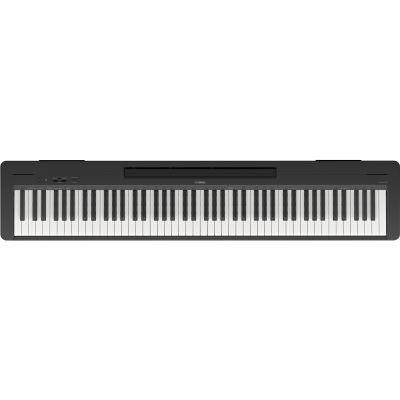
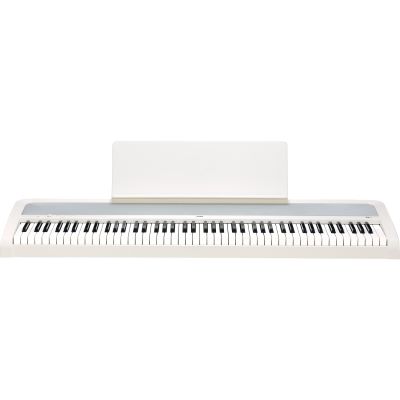
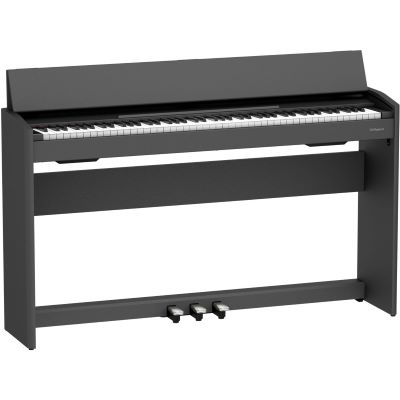
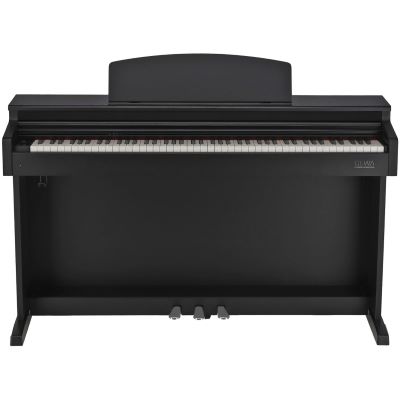
Use the construction type as your first filter. A portable piano generally needs a stand and seating, while a home digital piano already provides a permanent structural basis for the setup.
Seat height influences the position of wrists, forearms and shoulders. A stable height-adjustable bench is particularly useful when several family members play the same piano.
Comfortable headphones allow focused practice and should remain comfortable during longer sessions. Check the piano's connector format before buying.
The stand should not wobble during stronger playing. A manufacturer-specific furniture stand often creates a more stable home setup than a lightweight X-stand.
A sustain pedal should be compatible with the instrument. For progressing piano technique, a fixed three-pedal unit becomes particularly interesting.
You use the keyboard and its playing feel every day. An instrument whose keys respond uncomfortably can make the beginning of your learning process harder.
A piano can have 88 keys and still use a lighter keyboard mechanism. Always check the actual keyboard action rather than the number of keys alone.
A good instrument positioned at the wrong height encourages poor posture. Consider piano, bench and pedal position as one complete system.
For beginners, a good piano sound, keyboard, metronome and headphones are often more valuable than hundreds of rarely used sounds.





Play the same scale, several chords and a very quiet passage on both instruments. Pay attention to key resistance, volume control and sitting position. These differences are usually more important in everyday practice than a long list of additional sounds.
Discover keyboards with lighter actions, automatic accompaniment and many sounds as an alternative to a digital piano.
Compare home, slim and other digital pianos by keyboard, speakers and features.
Discover 88-key pianos for small apartments, lessons, rehearsal rooms and mobile use.
Add stands, benches, pedals, bags and further accessories that match the chosen instrument.
A digital piano for beginners should above all be an instrument on which good habits can develop. For long-term piano playing, 88 keys, touch sensitivity and a suitable hammer-action keyboard are particularly valuable. A convincing piano sound, metronome, sustain pedal and headphone connection provide sensible basic equipment, while additional sounds and accompaniment functions can initially remain secondary.
Next, decide between a permanent home piano and a portable instrument. A furniture-style model creates a permanent practice position with pedals and stable ergonomics. A portable or stage piano saves space and can be moved, but requires a stand, bench and possibly additional pedals. This creates a beginner setup that does not only work on the first day but can accompany you through many stages of learning.
From musical instruments and home-studio equipment to DJ and event technology, find further buying guides in the central Musikhaus Korn guide.