Backline + Vocal PA
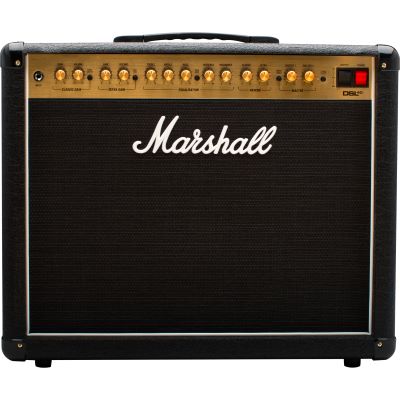
Guitar and bass amplifiers provide their own sound in the room and the acoustic drum kit remains unamplified. A smaller PA mainly handles vocals, keyboards and playback.

Rehearsal room, club gig, festival or your own recording setup: a band needs more than instruments. Vocals have to remain audible beside drums and amplifiers, every musician has to hear the right signals and every source must reach the mixer reliably. This guide combines PA, microphones, backline, monitoring, DI technology and recording into one complete band setup.
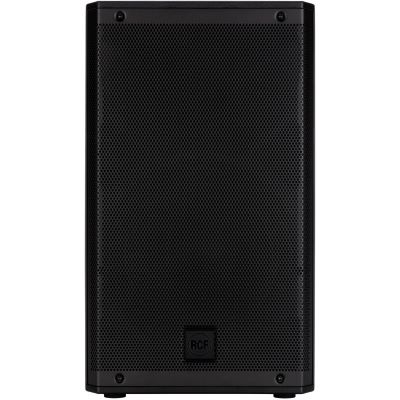
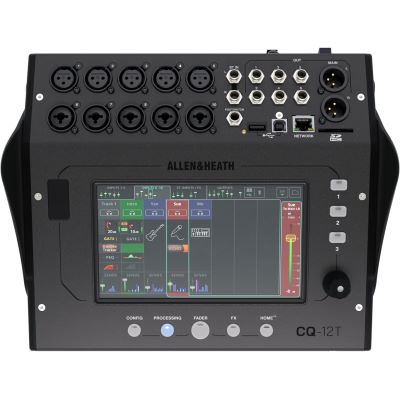
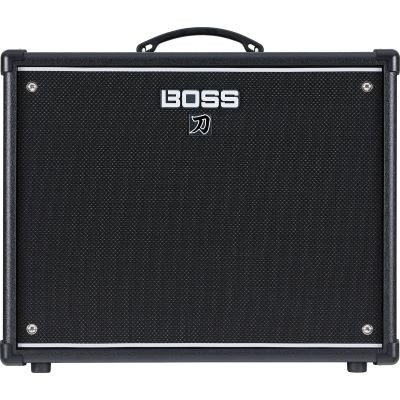
Inputs, DI boxes, mixer channels, monitor sends, PA outputs and recording paths should be planned together before individual products are selected.
A typical band combines vocals, guitar, bass, drums and, depending on the lineup, keyboards or electronic instruments. The right technical system depends on whether the band is rehearsing, playing a venue with an existing PA or bringing its own complete live system.
In a traditional rehearsal room, guitar and bass amplifiers can create their sound directly in the room while an acoustic drum kit remains unamplified. A smaller PA system then mainly handles vocals, keyboards and playback sources.
On stage, the signal path often changes. Vocals go into the mixer, guitar amplifiers and drums may be miked and keyboards or modelers are frequently connected directly through line signals or DI boxes.
The mixer then sends the main mix to the audience PA and independent monitor mixes to the musicians.
Modern bands can simplify the setup further. Guitar modelers and electronic drums already provide finished audio signals, digital mixers can store complete scenes and in-ear monitoring can reduce stage volume considerably.
Guitar and bass amplifiers provide their own sound in the room and the acoustic drum kit remains unamplified. A smaller PA mainly handles vocals, keyboards and playback.
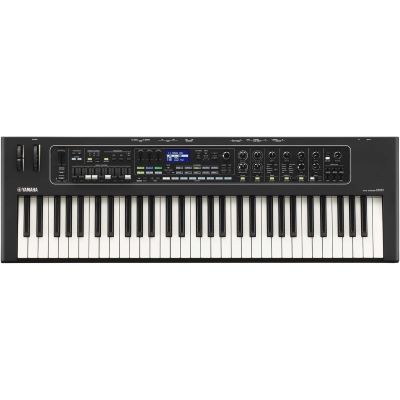
Modelers, electronic drums, keyboards and microphones meet in one central mixer. Stage monitors or in-ear systems provide controllable volume and reproducible rehearsals.
Digital mixer, vocal microphones, DI boxes and in-ear systems can be transported as a prepared band rack while the venue's own PA handles audience sound reinforcement.
Two powerful active loudspeakers, optional subwoofers, a digital mixer and monitoring form a complete mobile event system.
A mixer with multitrack USB or an audio interface with at least eight microphone preamps can connect rehearsals and production within one setup.
Guitars, bass and electronic drums go directly into the mixer. Stage volume drops and each musician receives a controlled personal monitor mix.
Vocals, drum microphones, keyboards, guitar amplifiers, bass amplifiers and modelers create the individual signals.
DI boxes convert suitable instrument or line-level sources to balanced signals for longer stage cable runs.
Gain, EQ, dynamics, effects and the volume of all sources are controlled from one central point.
The main mix goes to the audience while individual aux mixes are sent to floor monitors or in-ear systems.
Three vocal microphones plus a four-microphone drum setup already occupy seven inputs. A stereo keyboard would increase the requirement to nine before guitars or additional sources are added.
Four musicians may require four different monitor mixes. Available aux outputs can therefore be at least as important as the nominal total channel count.
Suitable digital mixers can record rehearsals or concerts directly or transfer several individual channels through USB to a DAW.
Band practice: always plan several spare inputs and outputs. An additional vocal microphone, stereo keyboard or extra monitor mix should not immediately require replacing the entire mixer.
An active loudspeaker in monitor position is straightforward and can be heard by several musicians at the same time.
The disadvantage is increased sound level on stage. More sound from the monitor can reduce feedback headroom at vocal microphones and make the main mix more difficult to control.
Every musician hears a personal mix directly through earphones. This can make the stage significantly quieter.
Suitable earpieces, sensible listening levels and enough independently routable monitor sends on the mixer are essential.
Hearing protection matters: whether you use floor monitors or in-ear systems, keep stage and listening levels as controlled as practical. In-ear systems should not be used as a reason to monitor at unnecessarily high levels.
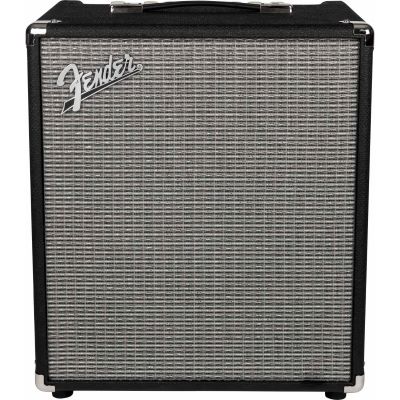
Choose between a combo, amp head or modeler according to sound, transport, rehearsal volume and connection to the PA.
Sufficient headroom is useful in rehearsal and a balanced line or DI output simplifies the connection to the stage mixer.
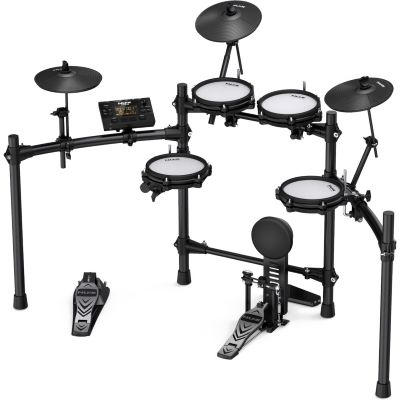
Acoustic drums can be miked for live sound and recording. Electronic drums provide line-level outputs that can be connected directly to the mixer.
Stereo line outputs can be connected directly over suitable cable lengths or routed through a two-channel DI solution for longer stage runs.
A complete band can require many inputs very quickly. Kick, snare and two overhead microphones already occupy four channels before vocals, guitar, bass or keyboard are added.
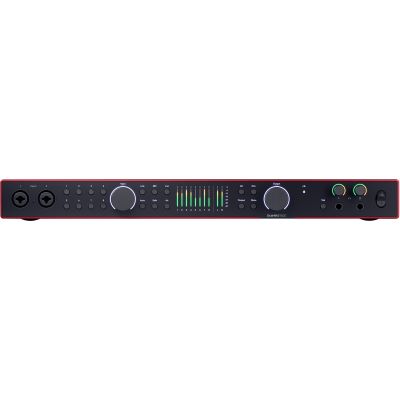
An eight-channel or expandable audio interface is a useful starting point for conventional multitrack recording.
If the same hardware also needs to work during rehearsals and live performances, a digital mixer with multitrack USB or an integrated recorder can be the more practical central solution.
For a true multitrack recording, every required source must reach the computer or recorder on an individual track rather than only as the final stereo mix.
| Area | Traditional Rehearsal Room | Modern Rehearsal Room | Live Stage |
|---|---|---|---|
| Guitars | Combo / stack | Amp or modeler | Amp microphone or DI/modeler |
| Bass | Bass combo | Combo + DI | DI + optional amplifier |
| Drums | Acoustic | Acoustic or e-drums | Several microphones / e-drums |
| Vocals | Small PA | Digital mixer | FOH PA |
| Monitoring | Vocal monitor | In-ear / monitors | Individual mixes |
| Recording | Stereo recording | Multitrack possible | USB / recorder |
The selection covers active PA speakers, mixers, microphones, monitoring, signal technology, recording equipment and instrument backline. A band does not need every product at the same time – the chosen signal path determines what is useful.
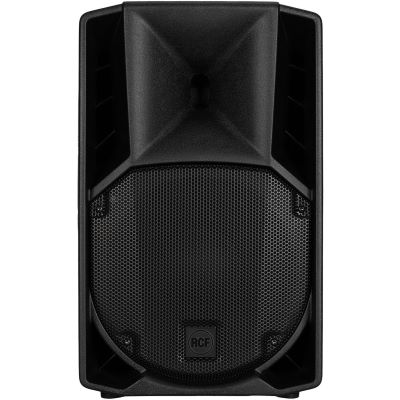
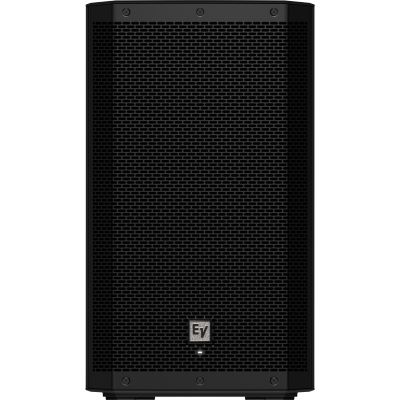
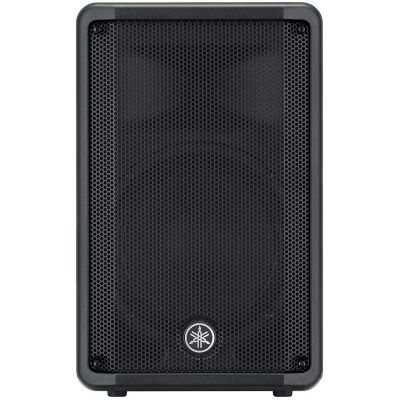
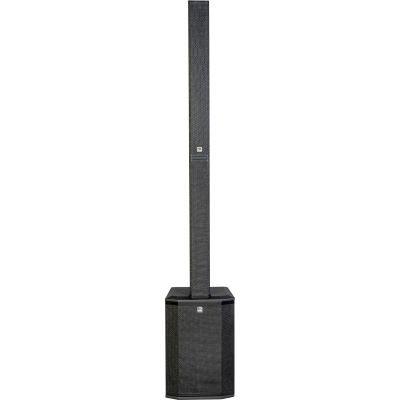
Full-range systems for vocals, complete PA setups and stage monitoring.

Central control for FOH, individual monitoring, recording and rehearsals.
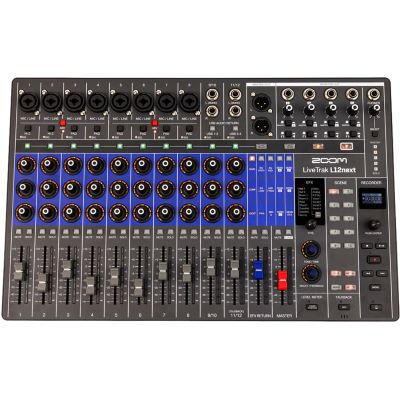
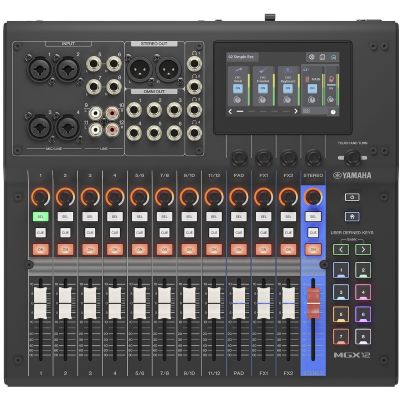
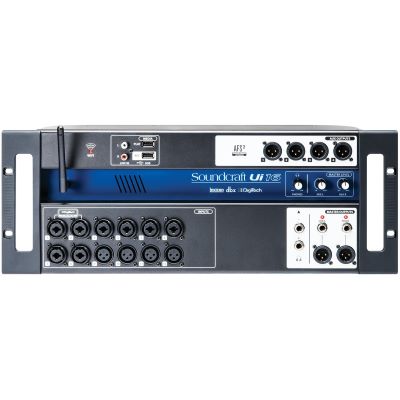
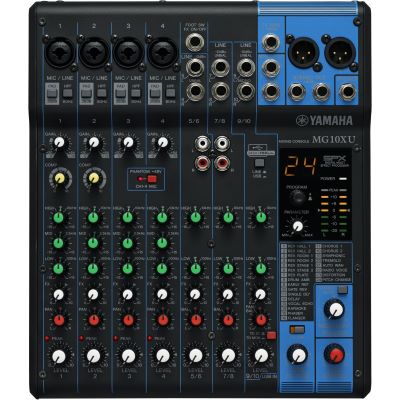
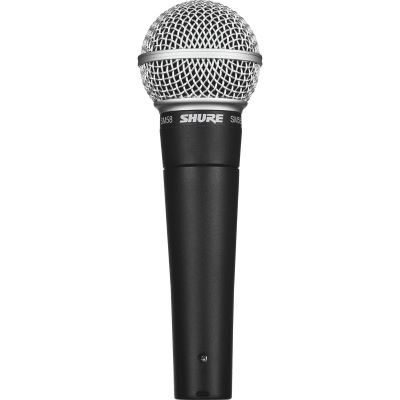
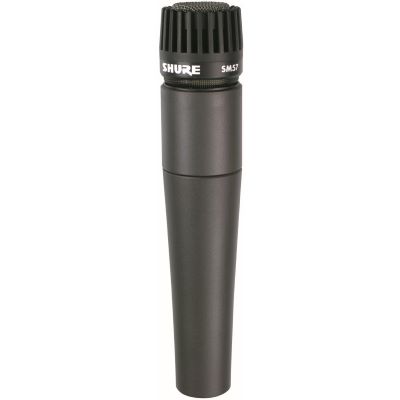
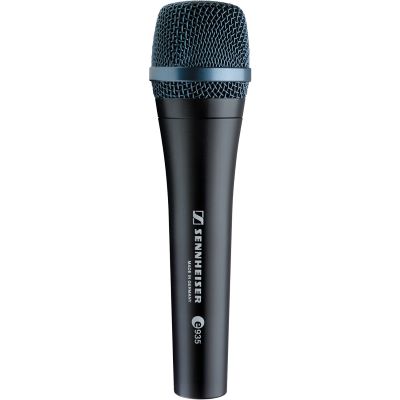
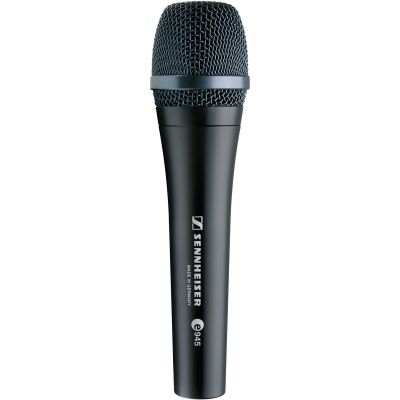
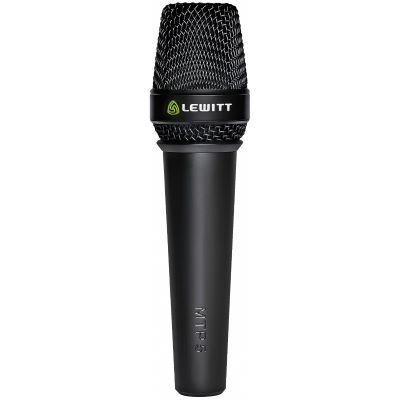

Personal monitoring for quieter stages and independently controllable musician mixes.
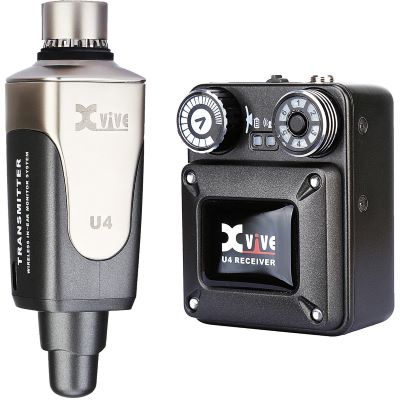
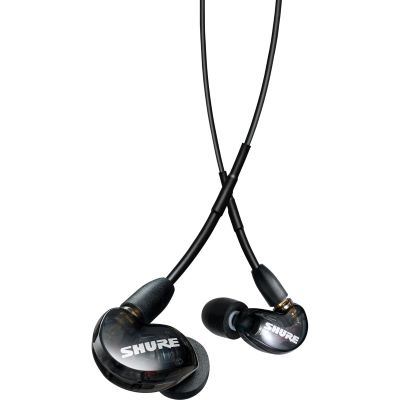
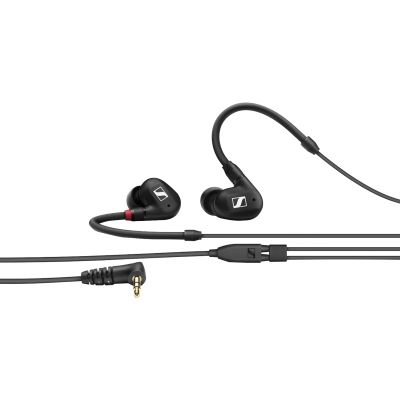
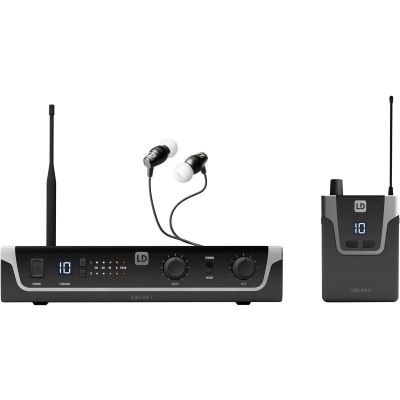
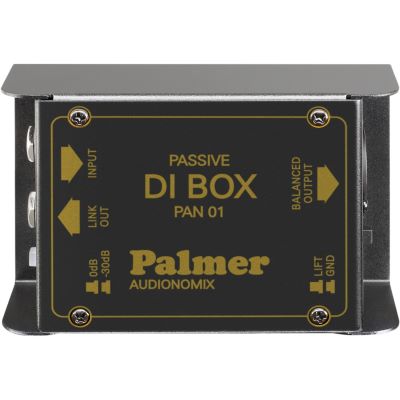
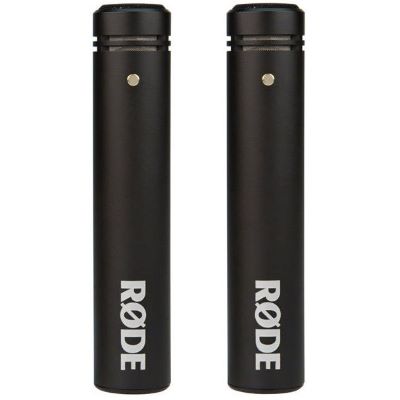
Manufacturer pages provide direct access to compatible PA, mixing, microphone, monitoring, recording and backline products when your band setup is expanded later.








Monitor sends, physical outputs and recording I/O are at least as important as the total number of mixer inputs.
Higher stage volume makes vocals, monitoring and a controlled front-of-house mix more difficult.
Keyboards, acoustic instruments and other suitable line signals often benefit from balanced signal transmission over longer stage distances.
A band performs better when every musician can clearly hear their own part and the orientation signals they need.
Every microphone and DI path requires a complete connection, and a sensible reserve is valuable when a cable fails.
A prepared digital mixer or in-ear rig can simplify both rehearsal and live performance considerably.
At minimum, the band needs its instruments, appropriate amplification and a solution for vocals. A traditional setup often consists of guitar and bass amplifiers, an acoustic drum kit plus a mixer and active speakers for vocals and keyboards.
Count every source that will be used at the same time. Three vocal microphones, four drum microphones, a stereo keyboard and two guitars already occupy eleven channels. Additional spare channels make later expansion much easier.
A small analogue mixer may be sufficient for a simple band setup. Digital mixers become especially useful when several monitor mixes, stored scenes, effects and multitrack recording are required.
In the rehearsal room, the band at least needs an appropriate solution for vocals and other directly connected sources. Clubs and festivals often provide the audience PA. Mobile bands that provide sound for complete events need a more comprehensive own PA system.
Yes, particularly when stage volume should be reduced and every musician needs an individual mix. The mixer must provide enough independently routable monitor paths for the required number of mixes.
A stereo recorder is enough for a simple rehearsal recording. If every instrument should remain editable afterwards, use a multichannel audio interface or a digital mixer with multitrack recording functionality.
A DI box can convert a suitable unbalanced signal into a balanced signal for longer cable runs to the mixer. A stereo keyboard normally requires two mixer channels or an appropriate stereo DI solution.
A dynamic instrument microphone is commonly positioned in front of the loudspeaker. Moving the microphone only a few centimetres can significantly change the balance of treble, midrange and overall tonal character.
This depends on the room and musical style. A reduced setup can use kick, snare and overheads. Individual miking of the complete kit can quickly require seven, eight or more microphone inputs.
Label cables and mixer channels, use a fixed input list and save digital mixer scenes. Mixers, wireless systems and in-ear equipment can also be transported in suitable cases as a prepared band rack.
Compare combos, amp heads, modelers, FRFR solutions and direct signal paths to the PA.
Go from a single microphone to a complete multitrack drum-microphone setup.
Plan eight or more inputs, headphone mixes and future ADAT expansion for full-band multitrack recording.
Start with a complete input list and decide which signals actually need to reach the mixer during rehearsals and live performances. Then choose the required channel count, PA system and monitoring.
Guitar and bass amplifiers, drum microphones, DI boxes and recording equipment complete this core system. This creates a band setup that is not simply loud, but clearly organised, transportable and reproducible on stage.