
Musikhaus Korn Microphone Guide
Vocal Microphone: Which One Fits Your Voice?
A good vocal microphone does not simply have to be as expensive or sensitive as possible. Your voice, the location and your microphone technique are what matter. A rugged dynamic handheld microphone can be ideal for a loud stage, while a large-diaphragm condenser is often chosen for detailed studio vocals. Condenser handheld microphones, wireless systems and USB solutions also have an important place in modern vocal setups.
Live & Studio Explained Separately
Cardioid vs Supercardioid
Wired, Wireless & USB Included
Vocal Microphone Categories
Vocal Microphone Quick Facts
The Fastest Way to Decide
Where Will You Mainly Sing?
The environment narrows down your options more effectively than musical style or the gender of the voice. A microphone for a rock stage has to solve different problems from a microphone used by a single singer in a home studio.
Dynamic Handheld Microphone
Rugged, straightforward and designed for short speaking and singing distances. A good starting point for bands, clubs, rehearsal rooms and mobile PA systems.
Condenser Handheld Microphone
Dedicated stage condensers combine high detail resolution with pickup patterns designed for live conditions and rugged handheld construction.
Large-Diaphragm Studio Microphone
A classic starting point for lead vocals, rap, backing vocals and voice-over. Room acoustics and microphone position become an audible part of the result.
Wireless Vocal Microphone
When a cable would restrict the performance, a suitable vocal capsule can be combined with a compatible wireless microphone system.
For your first shortlist:
band, stage and rehearsal room → consider a dynamic handheld microphone.
Controlled room and recording → compare large-diaphragm condensers.
For highly detailed live vocals → include dedicated condenser vocal
microphones. For extensive movement on stage → look for the same
capsule concept in a compatible wireless system.
Do Not Buy by Brand Alone
Six Factors Determine the Right Vocal Microphone
A microphone changes the voice before the signal reaches the mixing console or DAW. It therefore makes sense to consider its sound and behaviour as part of the entire vocal system.
Voice Character
Some microphones emphasise presence and intelligibility, while others sound softer or fuller. A bright voice does not automatically need a brightly voiced microphone.
Polar Pattern
Cardioid, supercardioid and hypercardioid microphones respond differently to side-stage noise and monitor loudspeakers. Monitor placement must match the microphone's polar pattern.
Microphone Technique
A singer who keeps the microphone directly in front of the mouth requires different behaviour from someone who intentionally works at distances of 20 or 30 centimetres.
Gain & Output Level
Lower-output dynamic microphones can require more clean amplification from a mixing console or audio interface than more sensitive condenser microphones.
Room & Stage
Drums, guitar amplifiers, monitors and room reflections also reach the microphone. Good positioning can therefore be more important than replacing the microphone.
Handheld or Stand-Mounted
Handling noise, weight and grille construction matter for handheld use. In the studio, a shockmount, pop filter and repeatable positioning become more important.
Why Can the Same Microphone Sound Completely Different on Two Voices?
Voices differ in fundamental tone, formants, sibilance, dynamics and microphone distance. At the same time, every microphone has its own frequency response.
The combination determines whether a voice already sounds balanced without extensive EQ.
Should a Vocal Microphone Be as Neutral as Possible?
Not necessarily. For live vocals, a deliberate presence boost can help a voice remain intelligible in a dense band mix.
In the studio, a more neutral microphone can be useful if tonal shaping is intended to happen later in the production.
Rule for choosing:
the best vocal microphone is the model that fits your voice,
your microphone technique and the environment in which you
actually use it.
Important for Stage Monitors
Cardioid or Supercardioid for Vocals?
Both are established vocal pickup patterns, but they require different microphone and monitor positioning.
Cardioid
A cardioid microphone mainly picks up sound from the front and reduces sound from the rear. It is relatively forgiving when the singer moves slightly sideways in front of the microphone axis.
A stage monitor can often be positioned sensibly behind the microphone.
Supercardioid
A supercardioid microphone provides stronger rejection from the sides, but it also has a smaller rear sensitivity lobe.
Monitor positioning therefore needs to match the polar pattern. Consistent microphone technique becomes particularly valuable.
From the Club to the Vocal Booth
Which Microphone Class Fits Your Vocals?
| Application | Good Starting Point | Important | Typical Advantage |
|---|---|---|---|
| Rehearsal Room | Dynamic handheld microphone | Ruggedness, feedback control | Straightforward handling |
| Loud Rock Stage | Dynamic, cardioid / supercardioid | Isolation, monitor position | Focused vocal channel |
| Acoustic / Jazz Stage | Dynamic or condenser | Detail, freedom of movement | Natural vocal nuances |
| Studio Vocals | Large-diaphragm condenser | Room, pop filter, 48 V | High detail resolution |
| Rap / Broadcast | Dynamic studio microphone | Gain, close-miking | Controlled direct sound |
| Streaming / Demo | USB microphone | Monitoring, computer connection | Little additional hardware |
| Large Stage | Wireless microphone | Frequency planning, capsule choice | Freedom of movement |
Stage, Band & Rehearsal Room
All Dynamic Vocal Microphones
Dynamic Vocal Microphones for Live Vocals
This microphone class is the traditional starting point for singers looking for a rugged, practical and stage-ready solution.
Cardioid
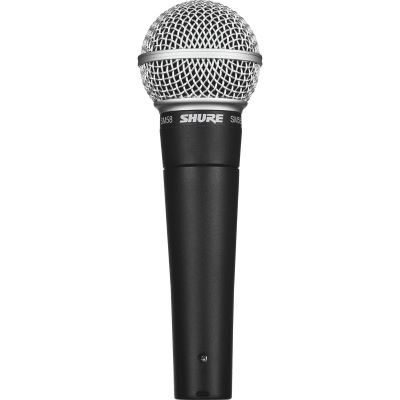
Shure
SM58 LC
View Product
Supercardioid
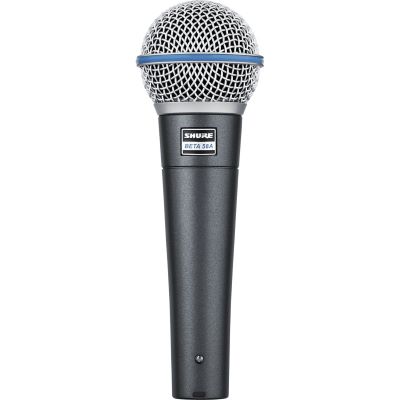
Shure
Beta 58 A
View Product
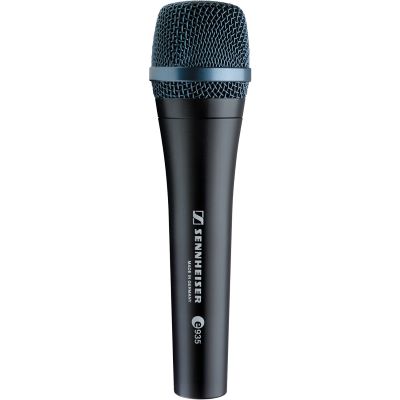
Sennheiser
E 935
View Product
Supercardioid
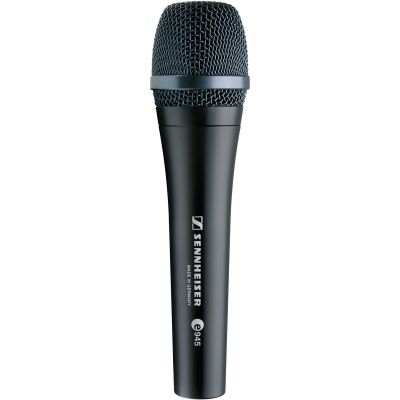
Sennheiser
E 945
View Product
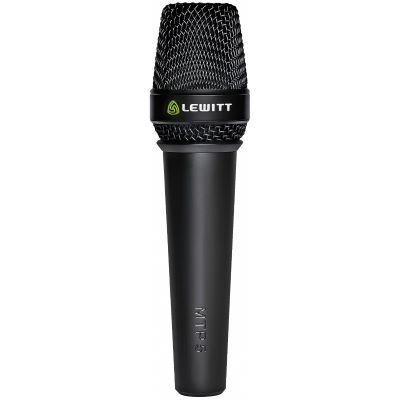
Lewitt
MTP-5S
View Product
Supercardioid
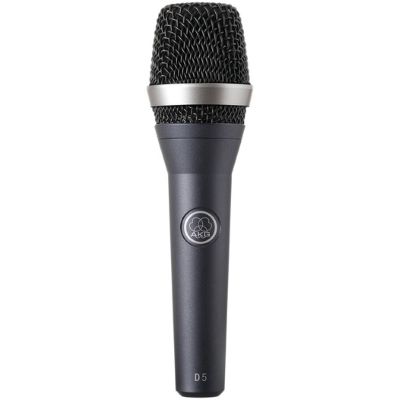
AKG
D5 Vocal
View Product
Professional
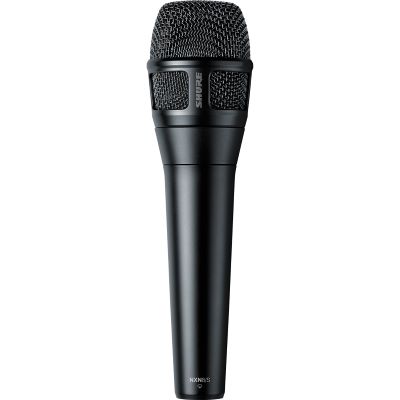
Shure
Nexadyne 8/S
View Product

Audio Technica
AE 6100
View Product
More Detail on Stage
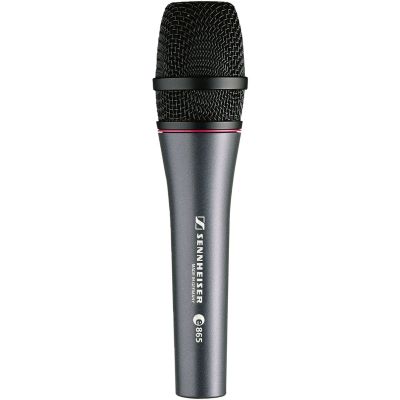
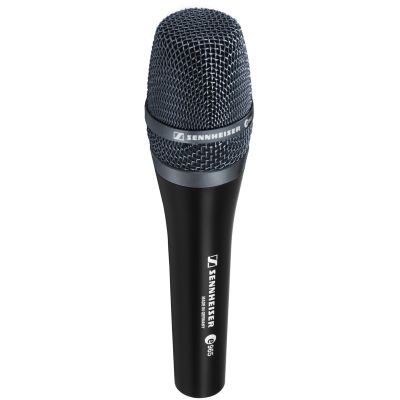
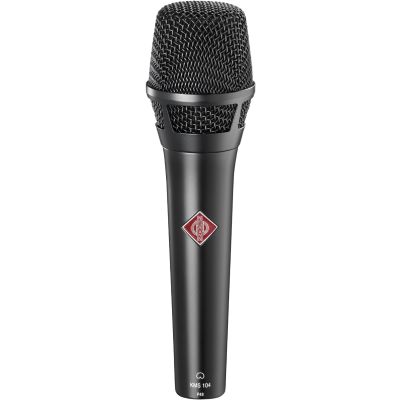
Condenser Vocal Microphones
Condenser Handheld Microphones for Demanding Live Vocals
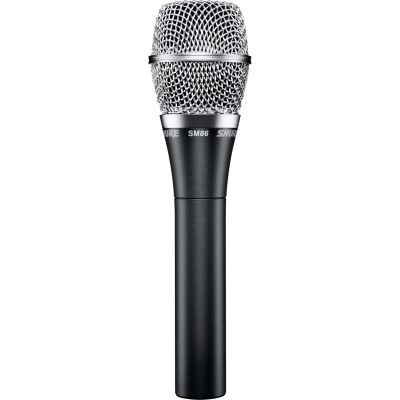
Stage condenser microphones are specifically designed for handheld use, monitor volume and high sound-pressure levels. Pay attention to the required phantom power and use consistent microphone technique.
Record Vocals Instead of Amplifying Them
Studio Microphones
Studio Microphones for Vocals & Vocal Production
In the studio, microphone selection can focus more strongly on tonal character, detail and room response. A pop filter, stable positioning and a suitable audio interface become particularly important.
Home Studio
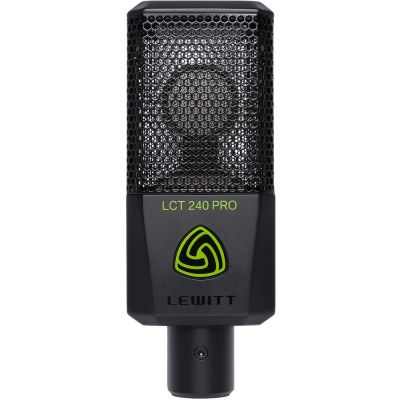
Lewitt
LCT 240 PRO BK
View Product
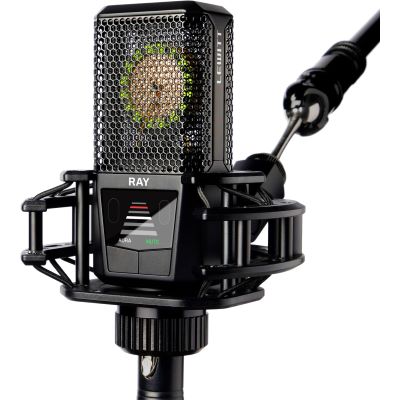
Lewitt
RAY XLR
View Product
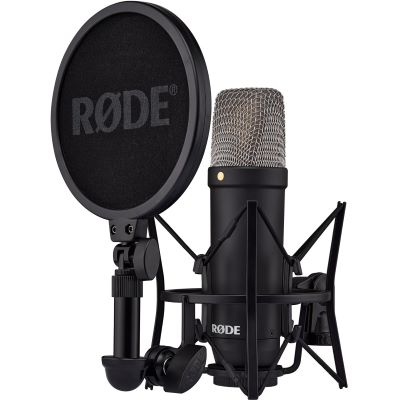
Rode
NT1 Signature Black
View Product
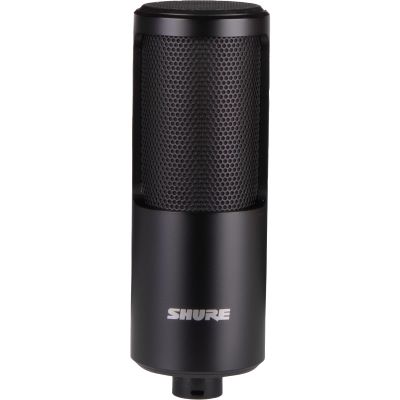
Shure
SM4
View Product

Sennheiser
MK 4
View Product
Dynamic Studio
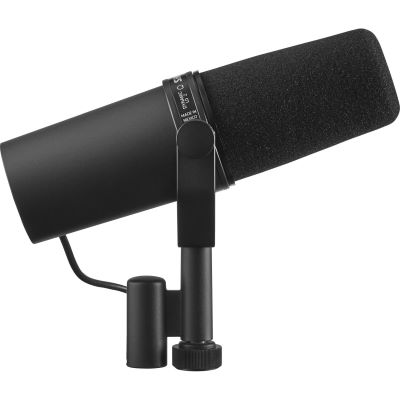
Shure
SM7B
View Product
Studio tip:
before changing microphones, first test the working distance.
Moving closer increases the proportion of direct vocal sound and,
with directional microphones, often also increases the bass through
proximity effect. Greater distance usually introduces more room
sound and changes the tonal balance of the voice.
Fast Connection to the Computer
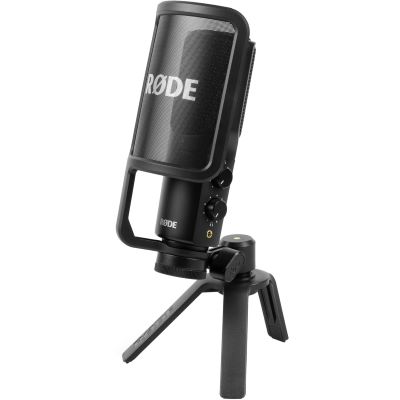
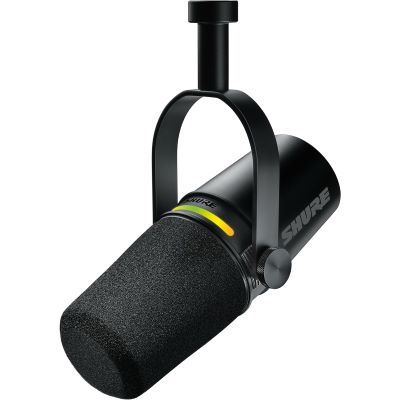
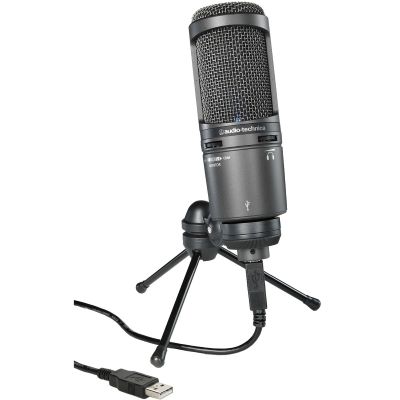
All USB Microphones
USB Microphones for Vocals, Demos & Content
USB microphones integrate a microphone preamp and digital conversion directly into the microphone. This is practical when no additional microphones or instruments need to be connected at the same time.
Wireless Performance
Compare Wireless Systems
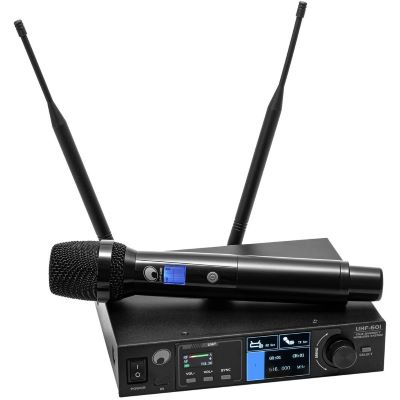
Wireless Microphones for Singers
With wireless systems, the microphone capsule is only one part of the decision. Frequency range, receiver, the number of simultaneously operated systems and the local RF environment must also be considered.


The Complete Vocal Setup
Which Accessories Do You Need for a Vocal Microphone?
Cable, stand, pop protection and the correct microphone preamp complete the signal path for stage and studio vocals.
Microphone Cable
Wired XLR microphones require a reliable balanced microphone cable in a suitable length.
Microphone Stand
In the studio, for keyboard players, acoustic guitarists or static vocal positions, a stable stand keeps the working distance consistent.
Pop Filter
A pop filter reduces strong air blasts from P and B sounds without changing the vocal performance itself.
Audio Interface
XLR studio microphones require a microphone preamp. Depending on the model, condenser microphones also require phantom power.
Get More from Your Voice
Avoid Common Vocal-Microphone Mistakes
Holding the Microphone by the Grille
Wrapping your hand around the microphone grille can change its directional behaviour. Hold a handheld microphone by the grip area intended by the manufacturer.
Too Much Distance on Stage
Greater distance usually means less direct vocal signal and proportionally more stage noise. The channel then needs more gain, which can also reduce feedback margin.
Incorrect Monitor Position
Cardioid and supercardioid microphones have different areas of maximum rejection. Position the stage monitor according to the actual polar pattern.
Buying Only by Frequency Response
Technical graphs are useful for creating a shortlist, but they cannot replace a practical comparison using your own voice and microphone technique.
Manufacturer Worlds
Vocal Microphone Brands at Musikhaus Korn
Compare wired vocal microphones, studio models and suitable wireless solutions directly in the respective manufacturer world.








Frequently Asked Questions
Answers About Vocal Microphones
The most important questions about live and studio vocals, SM58 versus Beta 58A, polar patterns, loud voices, phantom power, working distance and wireless systems.
Which Microphone Is Best for Vocals?
There is no universally best vocal microphone. For live vocals, a dynamic handheld microphone is often the best starting point. For studio vocals, it is worth comparing several large-diaphragm condenser microphones as well as dynamic studio microphones.
Is the Shure SM58 or Beta 58A Better for Me?
The SM58 uses a cardioid pickup pattern and is comparatively forgiving of microphone position. The Beta 58A uses a tighter supercardioid pattern. Which version works better depends on your voice, monitor position and stage setup.
Cardioid or Supercardioid for Live Vocals?
Cardioid is often straightforward and tolerates somewhat more sideways movement. Supercardioid can reduce side-stage sound more strongly, but it requires suitable monitor placement and more consistent microphone technique.
Dynamic or Condenser for a Powerful Voice?
Both are possible. A dynamic microphone is particularly common for powerful live vocals. A suitable condenser microphone can reproduce fine overtones and dynamic nuances in greater detail.
Which Microphone Fits a Bright Voice?
A bright voice does not automatically require a dark-sounding microphone. Compare models with different presence and high-frequency voicings and listen carefully to whether sibilants sound natural or overemphasised.
Which Microphone Is Suitable for Rock and Metal Vocals?
Dynamic stage microphones with good isolation are a sensible starting point. The voice needs to remain clear against guitars, drums and monitors, and the microphone should suit the actual stage volume.
Do I Need 48 V Phantom Power for Studio Vocals?
Many XLR condenser microphones require 48 V phantom power from an audio interface, mixing console or microphone preamp. Passive dynamic microphones normally do not require this supply.
How Far Should I Be from the Microphone When Singing?
Live vocals are frequently performed very close to the microphone. Greater distances are possible in the studio. As distance increases, room sound usually becomes stronger relative to the voice. Test distance and angle before the actual recording.
Do I Need a Wireless Microphone for Vocals?
Only when freedom of movement justifies the additional complexity. For static singers, rehearsal rooms and small stages, a high-quality wired microphone is often the simpler solution.
Can I Use a Live Vocal Microphone in the Studio?
Yes. Dynamic stage microphones can work extremely well in the studio and provide a direct, controlled vocal sound. The term “live microphone” does not mean that a microphone is unsuitable for recording.
The Selection Summarised
Vocal Microphone: Which One Fits Your Voice?
For live vocals, a dynamic handheld microphone with a cardioid or supercardioid pickup pattern is the practical starting point for many singers. It is rugged, works well at close distances and is suitable for rehearsal rooms and loud stages. Singers looking for additional detail can also compare dedicated condenser vocal microphones.
In the studio, priorities change. Large-diaphragm condenser microphones are particularly common for vocals because they capture fine detail and dynamic nuances. Dynamic studio microphones remain an interesting alternative for close vocals, rap, rock or less heavily treated rooms.
Do not decide only according to price or famous product names. Polar pattern, vocal character, microphone distance, stage, room and existing recording equipment form one complete system. Whenever possible, compare different microphones with the same voice and at similar signal levels so that the differences can be judged meaningfully.
More Buying Advice
From the Vocal Microphone to a Complete Vocal Setup
Discover more Musikhaus Korn guides about microphones, audio interfaces, recording, PA systems, monitoring, instruments and complete studio technology.