Handheld Wireless Microphone
The microphone capsule and transmitter are combined in one housing. Ideal for singers, presenters, solo entertainers and situations where the microphone needs to be passed quickly from one person to another.

Vocals on stage, presentations, lectures, fitness, interviews or wireless instruments: the right wireless system is determined first by the application. After that, the transmitter format, microphone capsule, frequency range, number of wireless links and the RF environment at the venue become the key factors.

Wireless technology first replaces the cable. The sound source and the way you move during a performance determine which type of transmitter and microphone is the most practical choice.
The microphone capsule and transmitter are combined in one housing. Ideal for singers, presenters, solo entertainers and situations where the microphone needs to be passed quickly from one person to another.
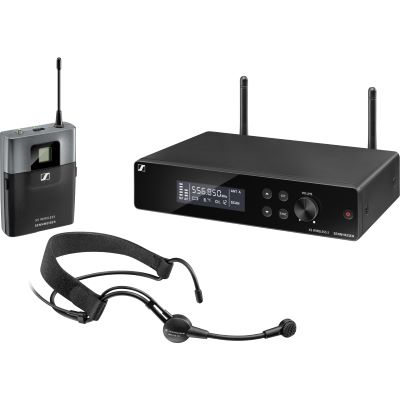
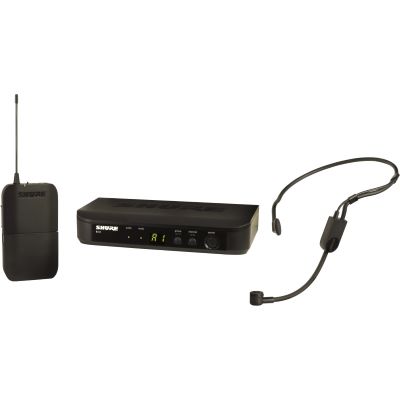
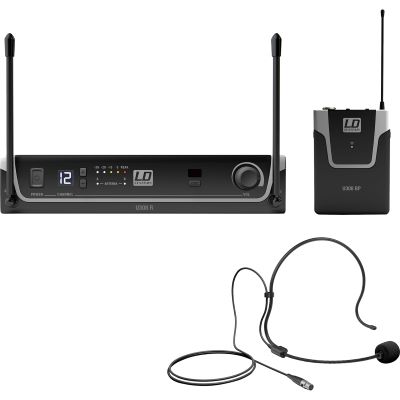
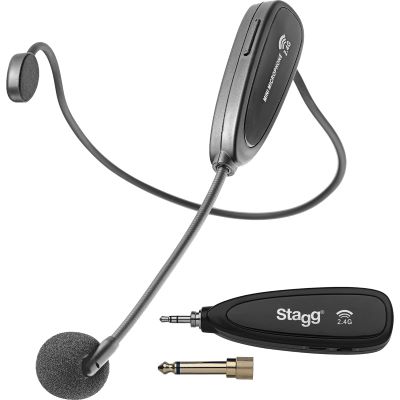
The microphone remains close to the mouth while both hands stay free. Headsets are especially useful for presentations, fitness, theatre, dance and performers who move actively on stage.
Small microphones worn on clothing are a discreet solution for speech, interviews, video production and mobile content creation.
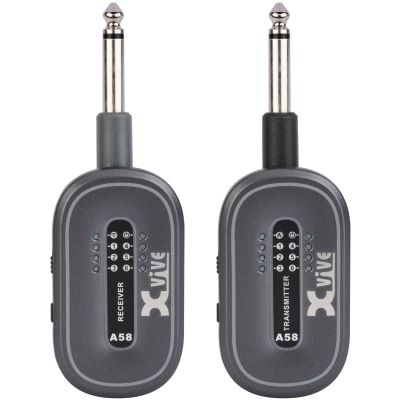
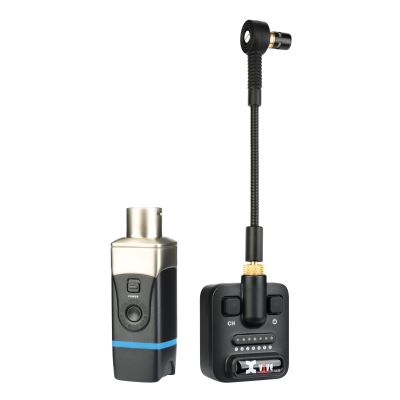
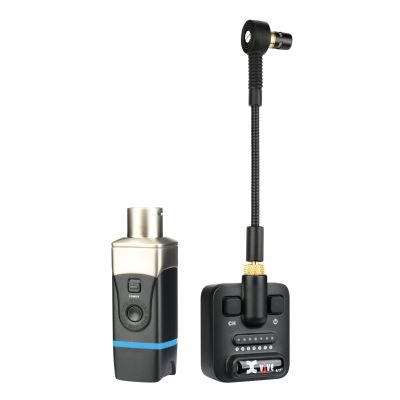
Replace the instrument cable or connect a compatible clip microphone wirelessly. Connector type, latency, input level and instrument type all need to match the chosen system.
The quickest route to a decision: choose a handheld transmitter for classic vocals and presenting, a headset for a constant mouth distance and maximum freedom of movement, a lavalier for discreet speech transmission, and an instrument system for guitar, bass or specialised clip microphones.
A wireless microphone system fundamentally consists of a transmitter and receiver. In a handheld system, the transmitter is already built into the microphone. Headsets, lavalier microphones and many instrument systems instead use a bodypack transmitter.
Particularly straightforward and robust. The user holds the complete wireless microphone. The microphone capsule influences sound, polar pattern and suitability for speech or vocals.
The transmitter is worn on a belt or clothing. A headset, lavalier, instrument cable or compatible clip microphone is connected to it. Connector type and electrical wiring must match the transmitter.
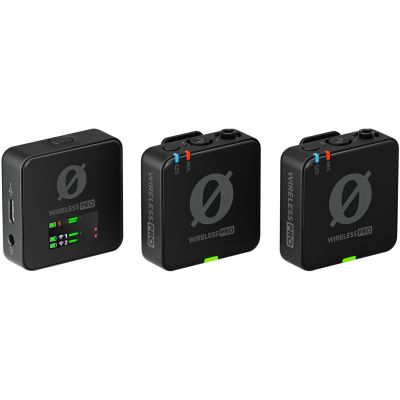
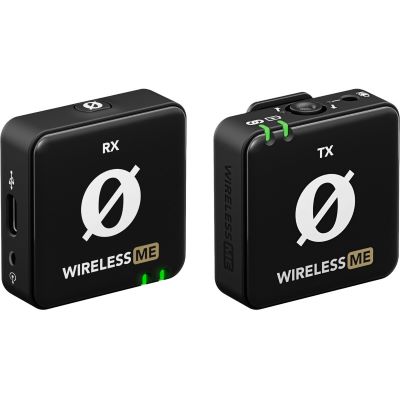
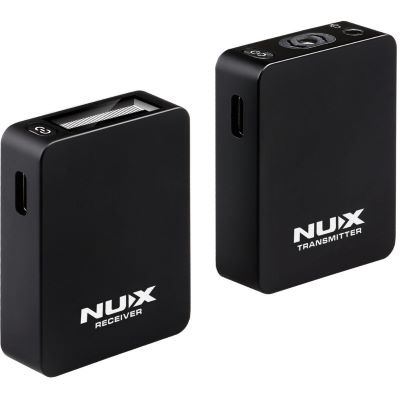
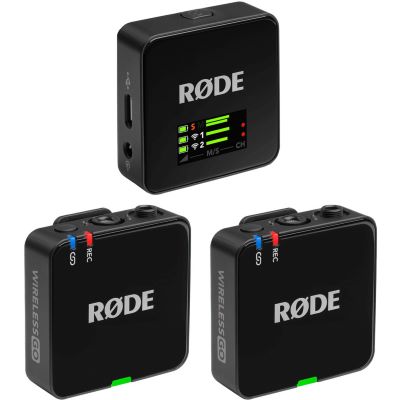
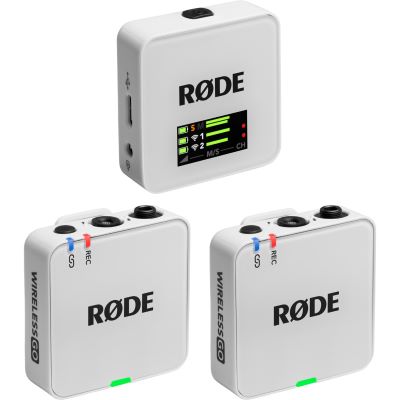
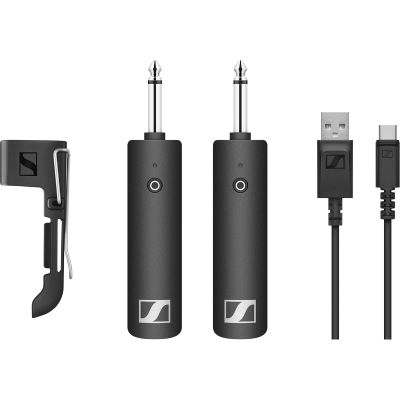
Small digital transmitters can connect directly to a microphone, camera or instrument. They are particularly mobile and often pair quickly, although they may offer fewer options for complex multi-channel productions.
There is no single frequency that is best for every situation. Musikhaus Korn carries wireless solutions in UHF ranges as well as 1.8/1.9 GHz, 2.4 GHz and 5.8 GHz. The venue, number of wireless channels and local RF activity are decisive.
| Frequency Range | Typical Advantage | Good For | What to Consider |
|---|---|---|---|
| UHF | Large selection of professional systems | Stage, events and multiple wireless links | Check the correct frequency variant and local RF occupancy |
| 1.8 / 1.9 GHz | Alternative to classic UHF bands | Professional audio applications | Observe system-specific and country-specific frequency ranges |
| 2.4 GHz | Compact digital plug-and-play systems | Creators, instruments and smaller setups | The band is also used by Wi-Fi and many other devices |
| 5.8 GHz | Alternative in heavily occupied 2.4 GHz environments | Instrument and compact digital systems | Pay particular attention to range and clear line of sight |
Germany has several generally assigned frequency ranges for wireless microphones and related audio applications. The Federal Network Agency updated the conditions in 2026. For a particular system, the frequency range, permitted transmission power and intended application are decisive. Professional productions with many wireless links should plan the current RF situation before the event.
A receiver only operates within its intended frequency band. Additional transmitters must also match the existing system both technically and in frequency range. Two externally identical systems with different band designations are therefore not automatically compatible.
Practical rule for wireless frequencies: choosing a single system is usually straightforward. As soon as several wireless microphones and additional in-ear systems operate at the same time, frequency coordination becomes a permanent part of system planning.
Both technologies can provide reliable wireless operation. The better choice depends on the actual system, frequency environment and required features rather than the label alone.
Analogue wireless links have been established on stages for decades. Good systems offer reliable diversity receivers, adjustable channels and fast synchronisation. Clean frequency planning remains important when several links are operated simultaneously.
Digital wireless systems can offer a wide dynamic range, automatic frequency management and convenient additional functions. With instrument systems, low latency should also be considered.
Do not buy solely because a system is “digital”. A reliable analogue system in a suitable frequency range may be more appropriate for a particular application than an unsuitable digital system. Range, channel count, operation and the RF environment are equally important.
The possible number of channels depends on the wireless system, available bandwidth, channel spacing and other radio services at the venue. Manufacturer specifications therefore always refer to defined operating conditions.
For a solo performer, presenter or individual lecture, a straightforward single-channel system with automatic frequency selection is often sufficient.
Dual systems are practical for duets, interviews or two presenters because two receiver channels can be combined in one unit.
Coordinated frequencies, antenna positioning and a structured setup become more important. Systems from the same product series can make planning easier.
With many wireless microphones, headsets and in-ear systems, complete frequency coordination should be carried out. Reserve frequencies should also form part of the plan.
| Type | Best For | Main Strength | Pay Attention To |
|---|---|---|---|
| Handheld | Vocals, presenting, audience interaction | Simple and robust | Capsule and polar pattern |
| Headset | Fitness, theatre, presentations | Constant mouth distance | Fit and transmitter connector |
| Lavalier | Lectures, interviews, video | Discreet mounting | Avoid clothing noise |
| Guitar Wireless | Guitar and bass | Cable-free stage movement | Latency and input level |
| Wireless Clip System | Wind and acoustic instruments | Consistent microphone position | Secure mounting on the instrument |
| Dual System | Duets and two speakers | Two channels in one receiver | Coordinate both frequencies |
This selection highlights current solutions for vocals, speech, headsets, content production and instruments. Technical variants and suitable frequency bands can be found on the individual product pages.
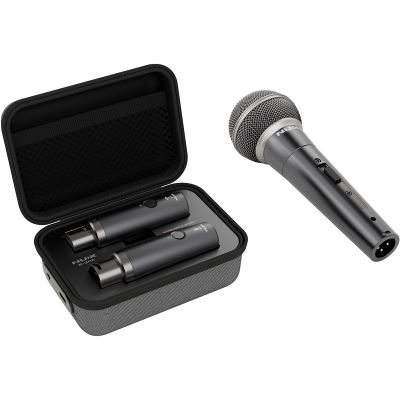
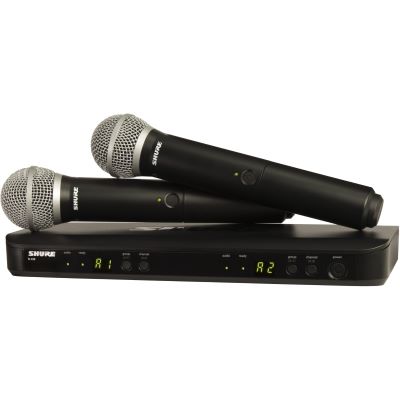
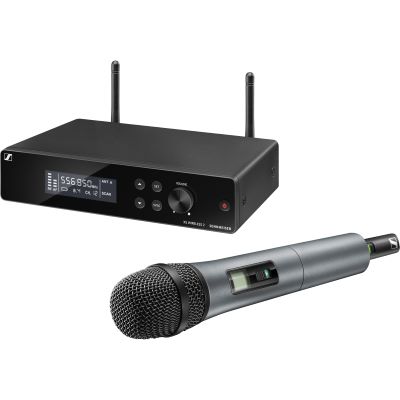
From straightforward single-channel systems to more professional digital vocal wireless solutions.
View All Handheld Systems
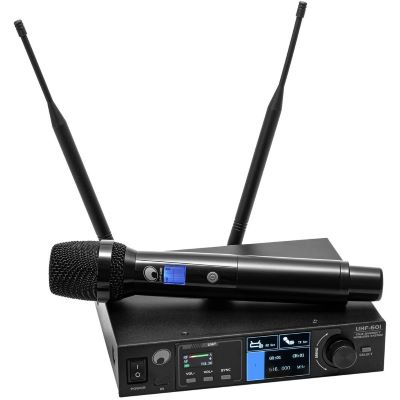
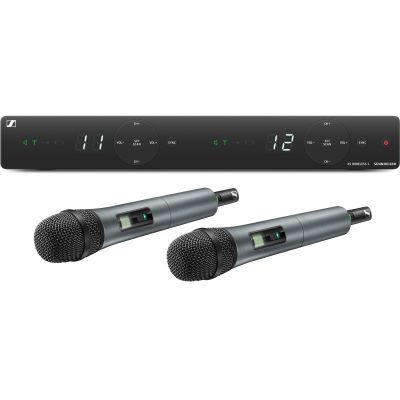
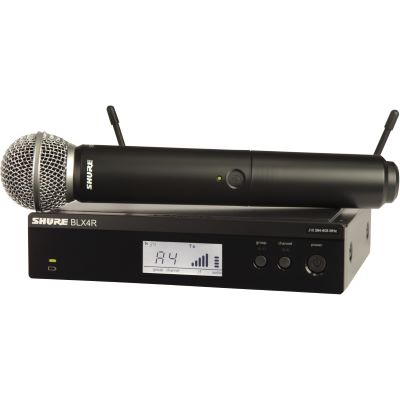
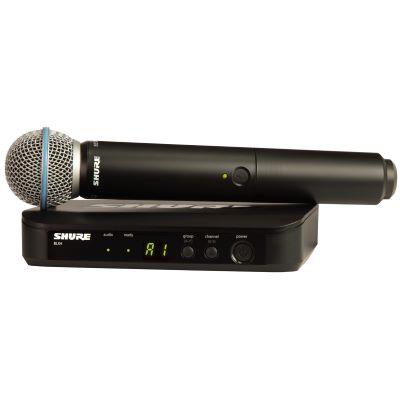
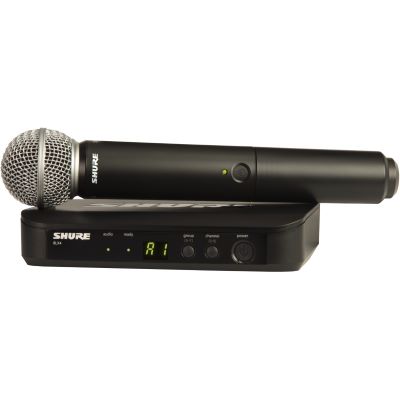

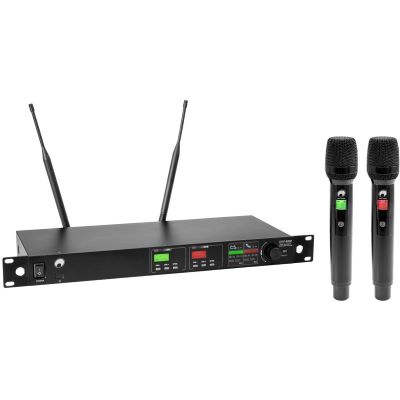
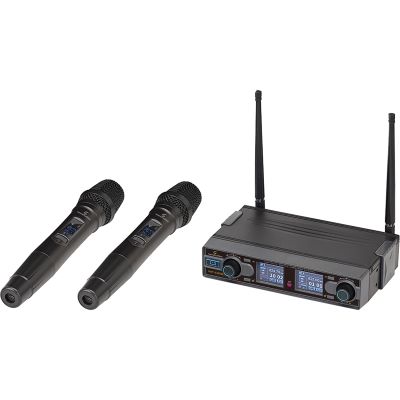
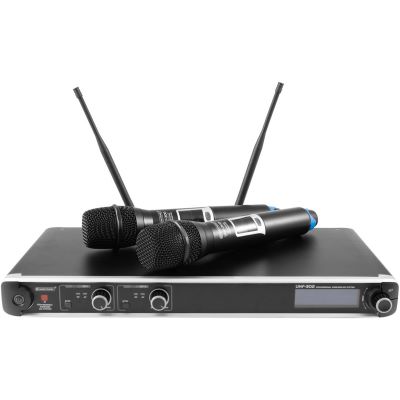

For presentations, stage performances, fitness and applications involving intensive movement.
View All Headset SystemsCompact digital systems for cameras, smartphones, streaming and mobile speech recording.
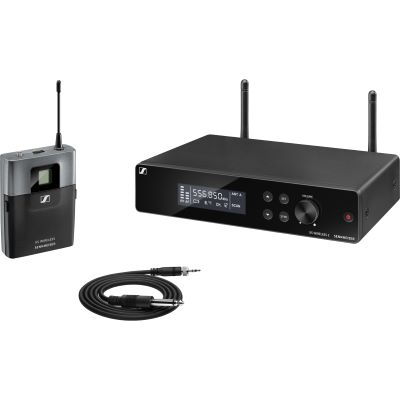
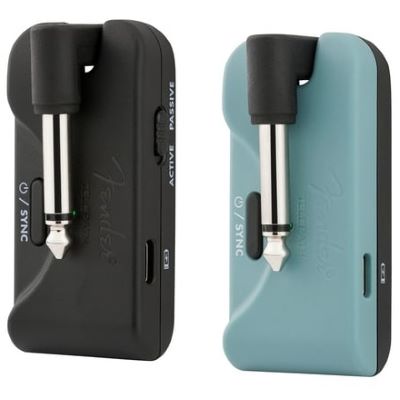
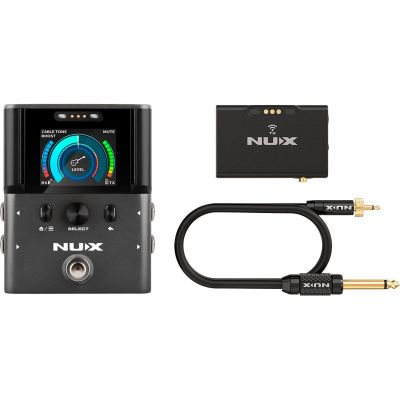
View All Lavalier SystemsGuitar wireless, pedalboard systems and specialised solutions for acoustic guitars and wind instruments.
View All Instrument Wireless Systems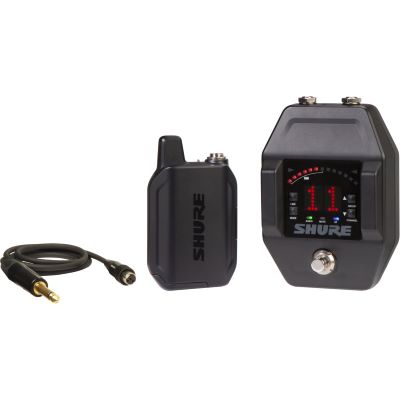


Replacement or additional transmitters must match both the receiver series and frequency band. The same brand alone does not guarantee compatibility.
Channel count, rack format, antenna technology and available audio outputs determine how a professional wireless setup is constructed.
For regular events, predictable charging cycles and a defined backup power solution are more important than the highest theoretical battery runtime.
Tours, training sessions and conferences use specialised wireless systems with operating concepts that differ from classic stage microphone systems.
Transmitter and receiver must match technically and operate in compatible frequency ranges.
When several wireless links are used, their frequencies need to be coordinated with one another.
Antennas require sensible positioning and should not be unnecessarily shielded.
Fully charge transmitters before an event and keep a clearly defined backup power solution available.
Practical range depends strongly on line of sight, the room and the surrounding RF environment.
Mechanically similar connectors can use different electrical wiring and are not automatically compatible.
Wireless systems are particularly easy to expand when you remain within compatible manufacturer and product families. This makes it easier to add transmitters, receivers, microphone capsules and accessories later.











Choose a microphone capsule that suits the voice, stage environment and style of music.
Compare headsets, lavalier microphones and further microphone solutions for lectures and presenting.
Plan microphones for complete recording and live-event applications.
Compare clip microphones, stand-mounted solutions and wireless options for saxophone, trumpet and other wind instruments.
A handheld transmitter with a dynamic or condenser capsule that suits the singer is the classic solution. For an uncomplicated introduction, systems with a dynamic cardioid capsule are particularly common.
There is no universally best frequency. UHF is especially common for classic stage and multi-channel systems. 2.4 and 5.8 GHz systems are often compact and digital. The venue, channel count and local RF occupancy are decisive.
Not fundamentally. UHF offers many professional system solutions and flexible frequency planning. 2.4 GHz enables straightforward digital systems but shares its spectrum with many other devices.
Yes. Both wireless links need to operate on compatible, interference-free frequencies. A dual receiver can manage two wireless channels particularly compactly.
This depends on the wireless system and frequency range. Frequencies should be coordinated in larger setups. Manufacturers specify the possible number of compatible channels for their systems under defined conditions.
A headset maintains a very constant microphone distance and is excellent for active speakers. A lavalier is less conspicuous, but sits farther from the mouth and reacts more strongly to clothing and room acoustics.
No. Connector, pin assignment and supply voltage must match. Therefore choose a headset or lavalier microphone that is explicitly compatible with the transmitter series being used.
Possible causes include an unsuitable frequency choice, shielded antennas, excessive distance, other RF sources or weak transmitter batteries. In multi-channel setups, incorrect frequency coordination can also be responsible.
Both can be easy to use. Automatic frequency selection, understandable controls and a frequency range that suits the application are more important. Digital plug-and-play systems can be particularly convenient for smaller setups.
A complete set normally contains the transmitter, receiver and essential basic components. Depending on the setup, rack accessories, spare rechargeable batteries, chargers, antenna accessories or compatible headset microphones may also be useful.
A handheld transmitter is the classic choice for vocals and presenting. Headsets offer a constant mouth distance and free hands, lavalier systems remain discreet, and instrument wireless removes interfering cables from the stage. After that, choose the frequency band, channel count, analogue or digital transmission and possible expansion options. When several wireless links are used, the entire system should be planned together.
Microphones, PA systems, mixers, instruments, studio equipment, DJ technology, lighting and event technology: the central Musikhaus Korn guide leads to further buying advice, comparisons and complete setup solutions.