
Musikhaus Korn Microphone Guide
Large or Small Diaphragm? Choose the Right Studio Microphone
Large diaphragm for vocals and small diaphragm for instruments? This rule of thumb is useful as a starting point, but it is not a fixed rule. Large-diaphragm condenser microphones are often chosen for their characteristic, full-bodied sound and low self-noise. Small-diaphragm models often excel at fast transient response, consistent polar behaviour and precise instrument recording. The source, room, microphone position and the sound you want to achieve remain decisive.
Compare Vocals & Instruments
Understand Transients & Self-Noise
Plan Stereo Recording Properly
Related Microphone Topics
Large- and Small-Diaphragm Microphone Quick Facts
The Fastest Way to Narrow Down the Choice
What Do You Mainly Want to Record?
Both microphone types are versatile. For a first purchase, however, their typical areas of application provide a useful starting point.
Try a Large Diaphragm First
For lead vocals, rap, voice-over and many podcast recordings, a large-diaphragm condenser microphone is a proven starting point. Different models can have clearly audible individual sound characteristics.
Small Diaphragm for Precise Detail
Pick attack, finger noise and fast changes in the sound can be reproduced very precisely with small-diaphragm microphones. A large diaphragm can instead be chosen deliberately to add more tonal colour.
Small Diaphragm for Overheads
Small-diaphragm microphones are particularly common for cymbals, hi-hat and stereo overheads. Large-diaphragm microphones can additionally be used as room microphones, front microphones or deliberately characterful overheads.
Use a Matched Microphone Pair
For XY, ORTF and AB recording, two microphones that match each other as closely as possible are important. Small-diaphragm stereo pairs are especially practical and easy to position.
Quick decision:
mainly vocals and speech? Start with large diaphragm.
Acoustic instruments, percussion, overheads or stereo recording?
Start with small diaphragm. If you want only one versatile microphone,
give greater weight to the polar pattern and the sound of the specific
model rather than diaphragm size alone.
More Than Just Size
What Changes with a Large or Small Microphone Diaphragm?
The diaphragm converts air movement into an electrical signal. Its size influences microphone behaviour, but does not determine the finished sound on its own.
Transients
A smaller diaphragm has less moving mass and can reproduce fast impulses very precisely by design. This is particularly interesting for pick attacks, percussion, piano and cymbals.
Self-Noise
Large-diaphragm microphones can achieve comparatively high output levels because of their larger effective surface area. Very low-noise designs are therefore particularly common in this class, which can be useful for quiet sources.
Polar Behaviour
Small-diaphragm microphones can maintain their polar pattern more consistently across a wider frequency range. This can be advantageous for natural instrument and room reproduction.
Is a Large Diaphragm Automatically Warmer?
No. Many well-known large-diaphragm microphones are deliberately voiced and are therefore perceived as full, present or characterful. Other large-diaphragm microphones are very neutral.
Small-diaphragm microphones can also be voiced to sound soft, warm or brilliant. The frequency response of the specific model is more important than a general rule about sound.
Is a Small Diaphragm Always More Accurate?
Small capsules have constructional advantages for transient response and consistent polar behaviour. This makes them popular tools for instruments and stereo recording.
A technically neutral reproduction is not automatically the most musical result for every production.
Practical principle:
do not choose large or small diaphragm according to one technical
figure. Decide according to the source, desired sound, polar pattern,
room, positioning and your existing recording equipment.
Direct Comparison
Large and Small Diaphragm at a Glance
| Feature | Large Diaphragm | Small Diaphragm |
|---|---|---|
| Typical Capsule Size | Approx. 1 inch as a general orientation | Approx. 1/2 inch as a general orientation |
| Common Applications | Vocals, speech, all-round studio work | Instruments, overheads, stereo |
| Transients | Fast, depending on the model | Often particularly precise |
| Self-Noise | Very low values are frequently possible | Usually somewhat higher, often unproblematic |
| Off-Axis Behaviour | More dependent on the individual model | Often more consistent |
| Sound Character | Often deliberately characterful | Frequently neutral and direct |
| Stereo Pair | Possible and tonally interesting | Very common and compact |
| Phantom Power | Often 48 V with XLR condenser microphones | Often 48 V with XLR condenser microphones |
The Source Makes the Decision
Which Diaphragm for Vocals, Guitar, Piano and Drums?
Both types can work on many sources. The following examples show common starting points rather than fixed rules.
Vocals & Voice-Over
Large diaphragm is the classic starting point. Different models can emphasise presence, warmth or high frequencies in different ways.
For a particularly natural voice recording, a small-diaphragm microphone can also be an interesting alternative.
Acoustic Guitar
A small diaphragm often provides a clear, fast attack and detailed string information. A large diaphragm can reproduce the same part with more body or deliberate tonal colour.
Both approaches are common studio techniques.
Piano & Grand Piano
A pair of small-diaphragm microphones is suitable for precise stereo imaging. Large-diaphragm microphones can instead be selected to add more colour or a greater sense of space.
Position and distance have a major influence on the result.
Drum Overheads
Small-diaphragm microphones are very popular because of their fast transient response and compact design.
A matched pair makes repeatable XY or ORTF microphone positioning easier.
Guitar Amplifiers
In addition to dynamic microphones, both condenser sizes can work very well. Sufficient maximum SPL and a position that creates the desired balance of attack, mids and treble are important.
Ensemble & Room
Polar pattern and off-axis behaviour become especially important here. Small-diaphragm microphones are therefore popular as main and spot microphones.
Large-diaphragm microphones can be used for deliberately characterful room signals.
A Common Misconception
Does a Small Diaphragm Pick Up Less Room?
Not necessarily. The amount of room sound in a recording depends primarily on polar pattern, distance, orientation and room acoustics.
A small-diaphragm microphone positioned two metres from a guitar can capture considerably more room than a large-diaphragm microphone positioned only 20 centimetres away.
Conversely, a small-diaphragm microphone with consistent polar behaviour can reproduce room information particularly naturally.
In an untreated home studio, positioning should therefore come first. Move the microphone closer to the source, point the least sensitive side of a cardioid microphone towards unwanted noise and test several positions before changing diaphragm size because of the room alone.
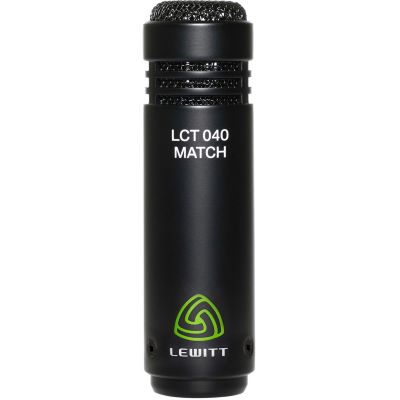
Two Microphones, One Spatial Image
Why Small-Diaphragm Stereo Pairs Are So Popular
For acoustic guitar, piano, drum overheads, choir and ensembles, two microphones can reproduce width and spatial position much more realistically.
XY
Two directional capsules are positioned almost at the same point, one above the other. This creates a compact stereo image with good mono compatibility.
ORTF
Spacing and angle additionally create time-of-arrival differences. The result can sound wider and more spatial and works well for instruments and ensembles.
AB
Two microphones placed apart from one another create pronounced spatial width. Distance, room acoustics and possible phase relationships should be checked carefully.
Important:
two large-diaphragm microphones can also produce excellent stereo
recordings. Small-diaphragm microphones are simply especially
practical because their slim construction allows accurate capsule
positioning and many manufacturers offer matched pairs.
Vocals, Speech & All-Round Studio Work
All Large-Diaphragm Microphones
Suitable Large-Diaphragm Studio Microphones
From straightforward cardioid microphones to switchable multi-pattern models, these recommendations show different approaches for home studios and production.
Large Diaphragm
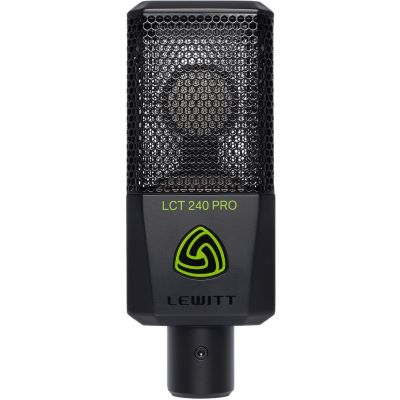
Lewitt
LCT 240 PRO BK
View Product
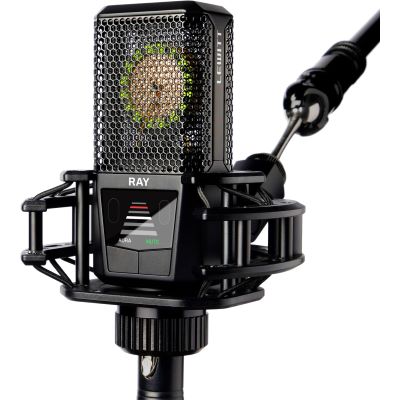
Lewitt
RAY XLR
View Product
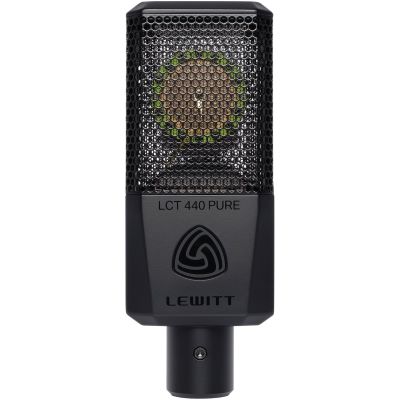
Lewitt
LCT 440 PURE
View Product
Multi-Pattern
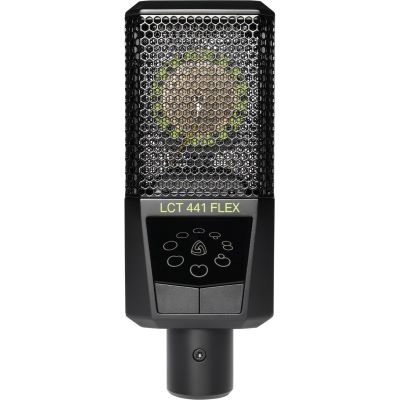
Lewitt
LCT 441 FLEX
View Product
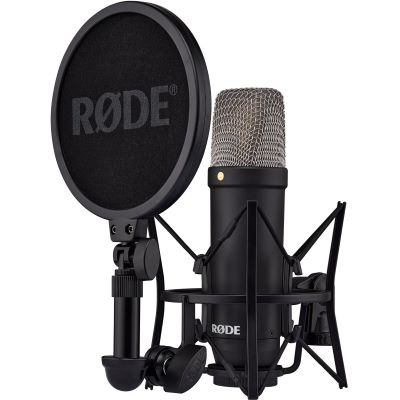
Rode
NT1 Signature Black
View Product
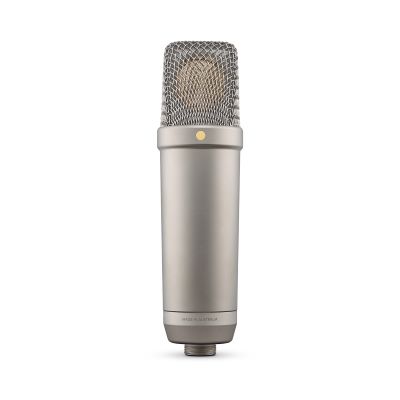
Rode
NT1 5th Generation
View Product
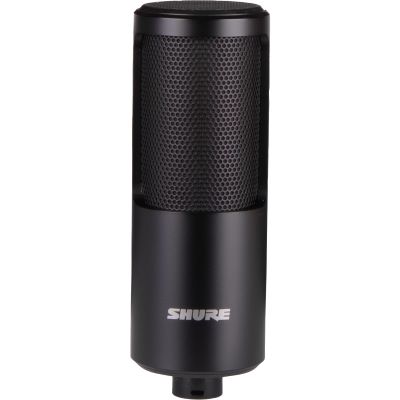
Shure
SM4
View Product
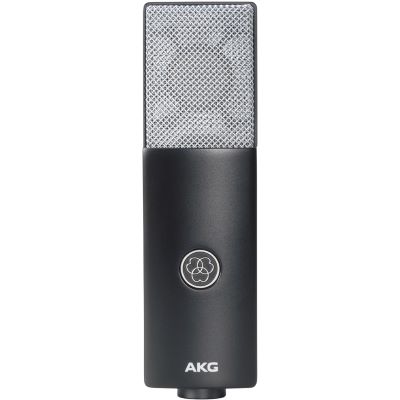
AKG
C104
View Product
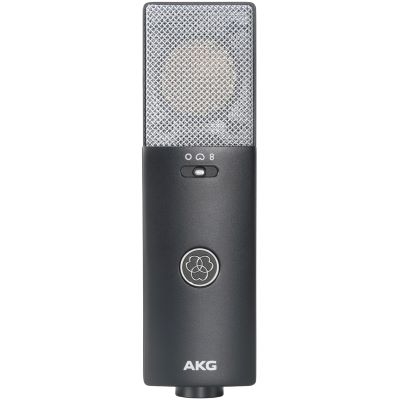
AKG
C114
View Product
USB
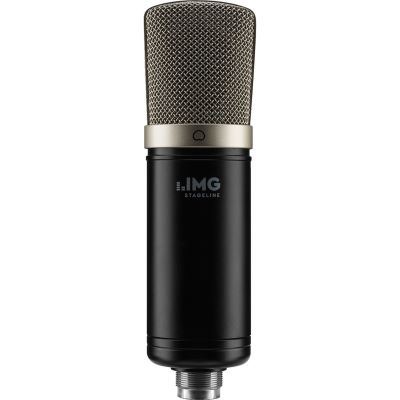
IMG Stage Line
ECMS-50USB
View Product
Instruments, Transients & Stereo
All Small-Diaphragm Microphones
Suitable Small-Diaphragm Studio Microphones
Individual microphones are suitable for focused instrument miking, while matched pairs provide a straightforward way into stereo recording.
Lewitt
LCT 040 MATCH
View Product
Stereo Pair
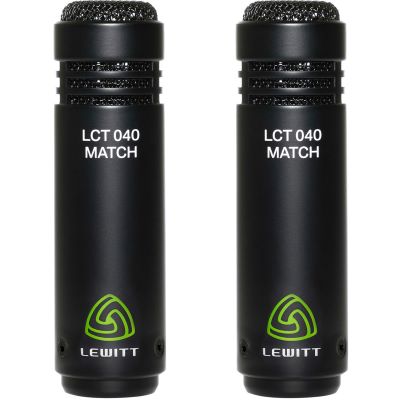
Lewitt
LCT 040 MATCH Stereo Pair
View Product
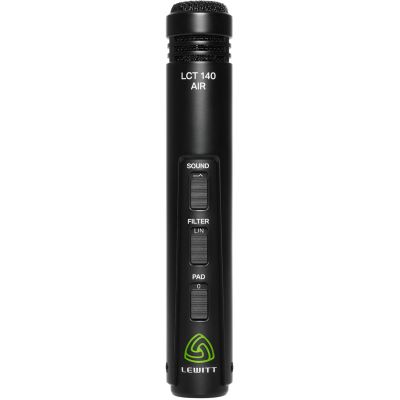
Lewitt
LCT 140 AIR
View Product
Stereo Pair
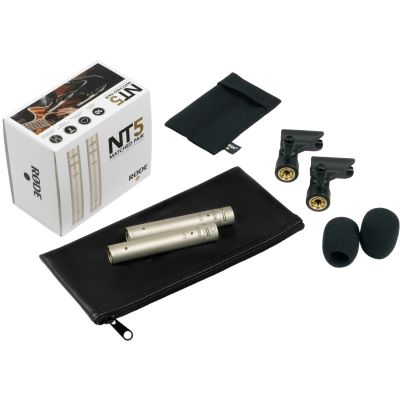
Rode
NT5 MP Stereo Set
View Product
Matched Pair
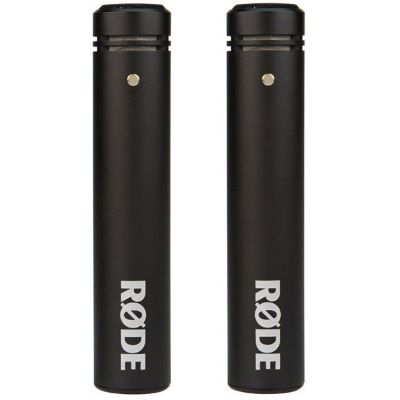
Rode
M5 MP
View Product
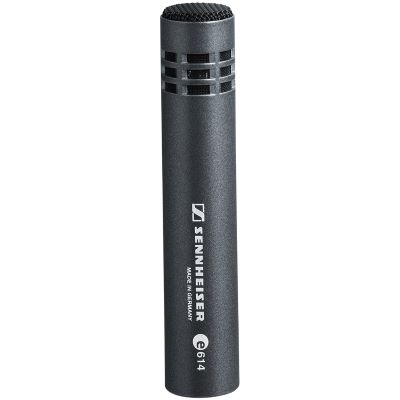
Sennheiser
E 614
View Product
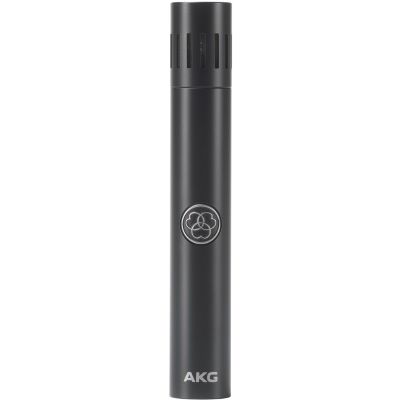
AKG
C151
View Product
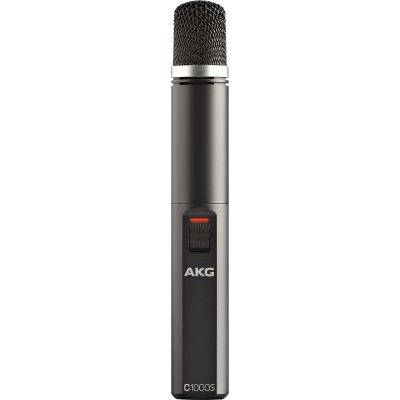
AKG
C1000S
View Product
Stereo Pair
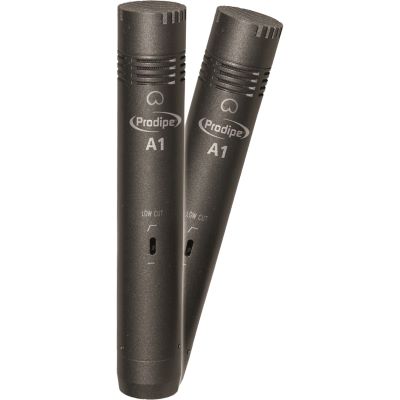
Prodipe
Duo A1
View Product
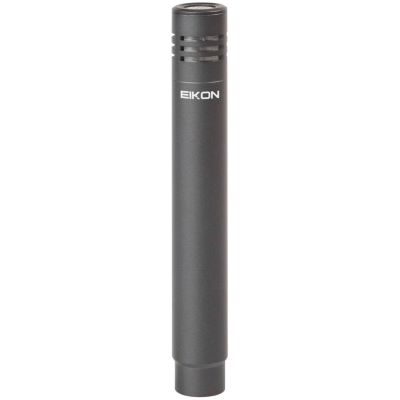
Eikon
CM602
View Product
The Microphone as Part of the Signal Chain
What Additional Equipment Do You Need?
A studio microphone needs the appropriate signal path, stable positioning and, depending on the application, additional mechanical or acoustic accessories.
Audio Interface
XLR condenser microphones require a suitable microphone input and usually phantom power.
Microphone Stand
A stable and accurately adjustable position is especially important for stereo recordings.
Pop Filter & Shockmount
For vocal recordings, a pop filter and elastic suspension can help reduce plosives and mechanical disturbances.
Microphone Cable
A reliable XLR cable is part of the basic setup for traditional studio microphones.
Manufacturer Worlds
Compare Microphone Brands at Musikhaus Korn
Explore large- and small-diaphragm microphones directly in the manufacturer worlds of established microphone brands.






Frequently Asked Questions
Answers About Large- and Small-Diaphragm Microphones
Is a Large-Diaphragm Microphone Fundamentally Better for Vocals?
No, but large-diaphragm condenser microphones are very common for studio vocals. Their different voicings make it relatively easy to find a model that suits a particular voice. A small-diaphragm microphone can be useful when especially natural and direct reproduction is desired.
Why Are Small-Diaphragm Microphones Often Used for Acoustic Guitar?
Their fast transient response is well suited to string attacks and fine playing noises. They are also compact and can be positioned very precisely. A large-diaphragm microphone can, however, produce equally excellent results with a different tonal character.
Which Microphone Type Is Better for Drum Overheads?
Small-diaphragm condenser microphones are a classic starting point because they reproduce fast cymbal transients precisely and are easy to position as stereo pairs. Large-diaphragm models are also used when a deliberately different character is desired.
Does a Large-Diaphragm Microphone Have More Bass?
Not automatically. Frequency response, capsule design, electronics, polar pattern and proximity effect all influence the amount of bass. Diaphragm size alone does not allow a reliable prediction of the bass response of a specific model.
Which Microphone Has Less Self-Noise?
Very low self-noise values are especially common among modern large-diaphragm condenser microphones. You should still compare the specified value of the individual product. With loud sound sources, microphone self-noise is usually less critical.
Do Both Microphone Types Need 48 V Phantom Power?
Diaphragm size does not determine this. Many XLR condenser microphones in both classes require phantom power. Check the manufacturer's specification for the microphone and the capabilities of your audio interface.
Which Is Better for Stereo Recording?
Small-diaphragm stereo pairs are particularly common because they are compact, easy to position precisely and often matched by the manufacturer. Large-diaphragm pairs can also work extremely well and can provide a deliberately different tonal character.
Which Diaphragm Size Is Better in a Bad-Sounding Room?
Neither automatically. Polar pattern and microphone distance are more important. A directional microphone positioned close to the source increases the ratio of direct sound to room sound. Test position and orientation first.
Can I Start an Entire Home Studio with One Large-Diaphragm Microphone?
Yes. A good cardioid large-diaphragm microphone is very versatile and can record vocals, speech, acoustic guitar, guitar amps, percussion and many other sources. A small-diaphragm microphone is a useful later addition for instruments and stereo techniques.
What Should I Buy for Recording Vocals and Acoustic Guitar?
If you plan to buy only one microphone, a versatile large-diaphragm model is a good starting point. If vocals and guitar need to be recorded separately at the same time, combining a large diaphragm for the voice and a small diaphragm for the guitar can be particularly flexible.
The Decision Summarised
Large or Small Diaphragm? Microphone Guide
Large-diaphragm condenser microphones are a particularly versatile starting point for vocals, speech and a first home studio. Many models have an individual sound character and very low self-noise. Small-diaphragm microphones show their strengths with fast transients, acoustic instruments, percussion, overheads and precise stereo recordings.
Diaphragm size is nevertheless not a fixed assignment. An acoustic guitar can sound excellent with a large-diaphragm microphone, just as a voice can work well with a small diaphragm. Polar pattern, frequency response, microphone distance, room acoustics and the desired sound are at least as important to the finished result.
If you initially want one microphone for vocals and different instruments, a versatile large-diaphragm model is often a sensible starting point. If you mainly record instruments, drums or ensembles, small-diaphragm models and matched stereo pairs deserve particular consideration.
More Buying Advice
From the Microphone to a Complete Recording Setup
The Musikhaus Korn guide contains more advice about studio microphones, audio interfaces, guitar and drum recording, studio monitors, headphones and complete studio technology.