Musikhaus Keks
Welcome!
Our cookies offer you a fast, relaxed and full-featured shopping experience. Some are necessary to operate the website and its functions. Others help us to improve our services. If you agree to this, simply consent to the use of cookies for preferences, statistics and marketing by clicking on "OK". Alternatively, you can deactivate individual cookies under "Customise cookies" or all cookies, except those required for the function of our website, under "Reject all".


Musikhaus Korn Guide

Handheld, Headset or Lavalier? Microphone Comparison

A handheld microphone gives the user maximum control, a headset keeps the distance to the mouth particularly constant, and a lavalier can almost disappear on clothing. Which solution is actually better depends on vocals, speech, movement, stage volume, appearance on camera and the person using the microphone.

Vocals & presenting Lectures & fitness Interviews & video
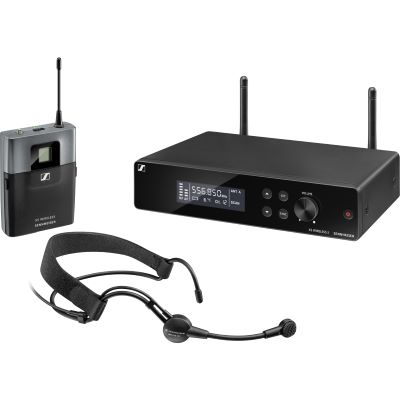
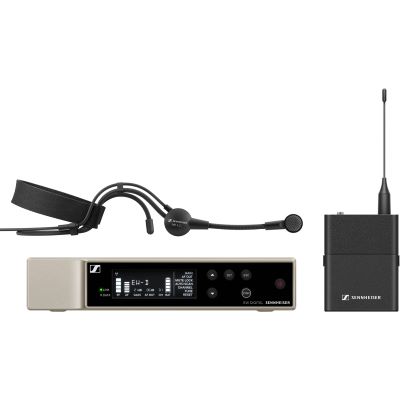
Sennheiser XSW 2-ME3 E-Band wireless headset microphone system with receiver, bodypack and headmic
Handheld for control · Headset for consistency · Lavalier for discretion
Handheld Maximum control by the user
Headset Most consistent distance to the voice
Lavalier Particularly discreet microphone placement
1 Goal Clear speech without distraction
A preliminary choice in a few seconds

Which Microphone Type Suits Your Application?

The most important difference is not initially the sound, but where the microphone capsule is positioned and who controls that position. This has a direct effect on level consistency, freedom of movement and handling.

Vocals & Presenting

Choose a Handheld

Ideal when the user should deliberately work with the microphone. Distance and angle can be changed at any time. Singers, presenters, comedians and interviewers gain particularly direct control.

  • Direct control over distance and dynamics
  • Easy to pass to another person
  • Robust for stage and event use
Lectures & Performance

Choose a Headset

Ideal when both hands need to remain free and the speaker moves a lot. The capsule follows the head and therefore remains at almost the same distance from the mouth.

  • Very consistent speech level
  • Excellent freedom of movement
  • Well suited to loud PA environments
Interview & Video

Choose a Lavalier

Ideal when the microphone should attract as little attention as possible. A small clip-on microphone is attached to a shirt, lapel or costume and also leaves both hands free.

  • Discreet appearance
  • Well suited to camera and interview work
  • Comfortable during long presentations

Quick decision: for vocals and spontaneous presenting, a handheld is often the most direct solution. For fitness, theatre, training and presentations with plenty of movement, a headset benefits from its fixed position near the mouth. For interviews, film and discreet presentations, a lavalier is particularly elegant.

Three different ways of working

Handheld, Headset and Lavalier Microphones Explained

Direct control

Handheld: The Microphone Follows the Hand

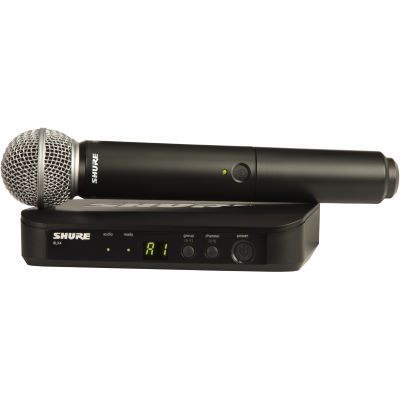
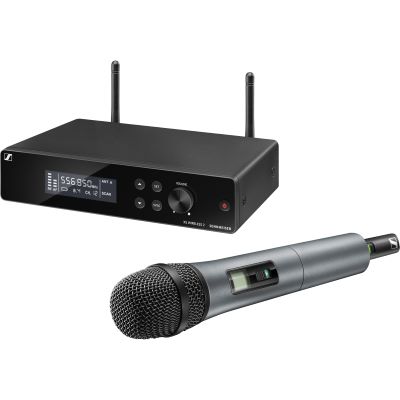
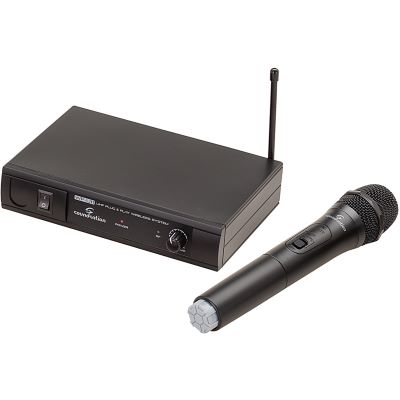
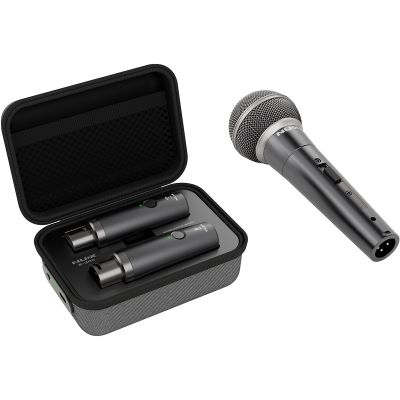
A handheld microphone can be wired or designed as a wireless handheld transmitter. The user decides how close the capsule is to the mouth. Experienced singers and speakers can deliberately shape volume and tone: quieter passages closer to the microphone, very loud passages slightly farther away.

The disadvantage is exactly this freedom. If an inexperienced speaker becomes nervous, holds the microphone at chest height or constantly moves it, both level and sound can fluctuate. One hand also remains occupied throughout use.

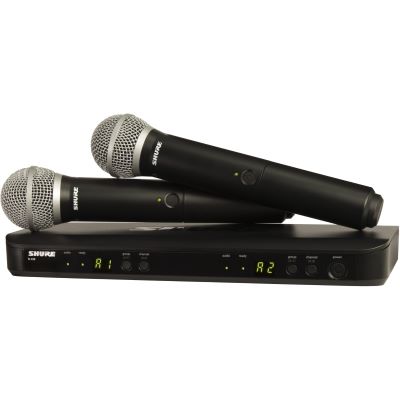
Shure BLX24 PG58 T11 handheld wireless microphone system with receiver and handheld transmitter
Handheld: the user directly controls distance and angle
Constant distance

Headset: The Capsule Moves with the Head

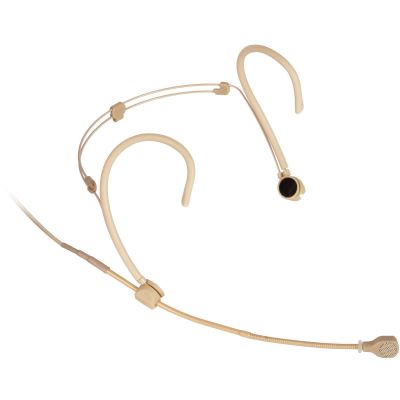
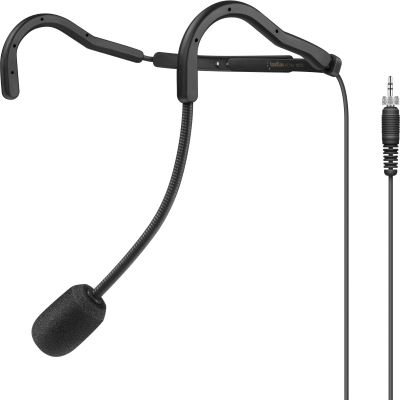
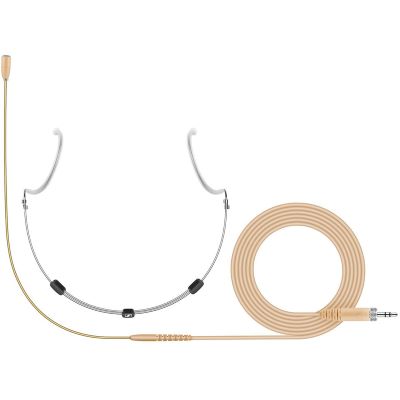
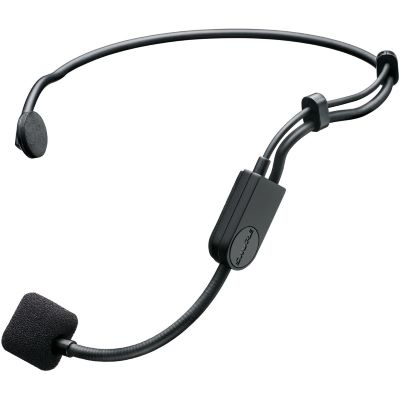
A headset is worn on the head or ear. A thin microphone boom positions the capsule to the side of the mouth. Because the microphone moves together with the head, its distance from the voice remains very constant.

This produces consistent levels and can provide a high level of gain before feedback on loud stages. Headsets are therefore particularly popular for fitness, theatre, musicals, lectures and presentations involving plenty of movement.

Sennheiser XSW 2-ME3 E-Band wireless headset system with bodypack and headset microphone
Headset: the capsule maintains an almost constant mouth distance
Discreet appearance

Lavalier: Small, Discreet and Hands-Free

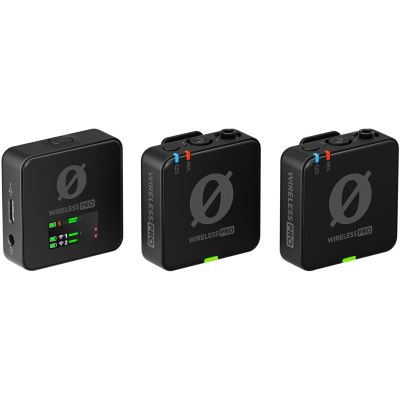
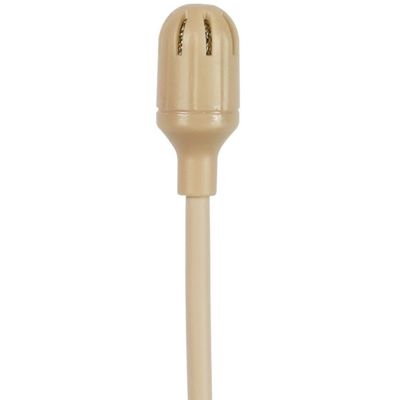
Lavalier or clip-on microphones are attached to clothing. This keeps their position relatively constant and means the speaker does not need to hold anything. Their discreet appearance is a major advantage for interviews, television, video, lectures and panel discussions.

Because the capsule is farther away from the mouth than with a headset, more room and stage sound reaches the microphone in relation to the voice. Clothing, jewellery and hair must also be kept from rubbing against the capsule.

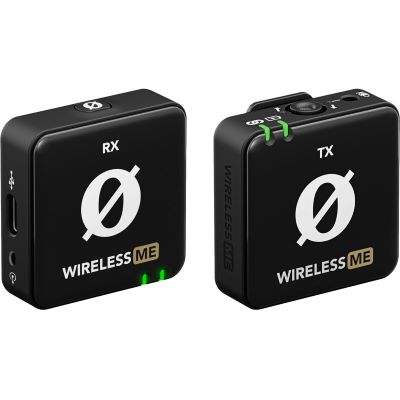
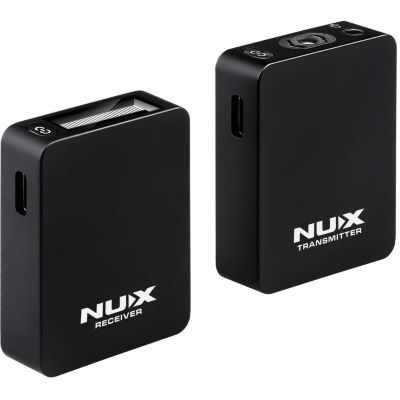
Rode Wireless Pro wireless lavalier microphone system with two transmitters and receiver
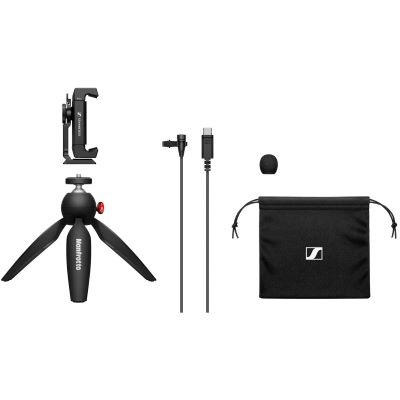
Lavalier: discreet hands-free microphone placement for speech and video
All differences at a glance

Compare Handheld, Headset and Lavalier Microphones Directly

The best microphone type is the one that matches the person, movement, room and application rather than the one with the most impressive specification sheet.

Comparison of handheld, headset and lavalier microphones
Criterion Handheld Headset Lavalier
Hands free No Yes Yes
Distance to mouth Depends on the user Very consistent Relatively consistent
Gain before feedback High with good technique Often particularly high More dependent on the room
Visually discreet Low High Very high
Passing to another person Very easy Impractical Requires repositioning
Consciously control dynamics Very good Limited Limited
Fitness & movement Limited Ideal Good
Film & interview Visible interview look Possible Particularly popular
Vocals Classic choice Very good for performers More of a specialist application
Learning curve Microphone technique required Very easy once adjusted Correct mounting is important
Choose according to the situation

Which Design Is Suitable for Which Application?

Live Music

Vocals on Stage

For classic live vocals, a handheld is usually the first choice. Anyone who dances, plays an instrument or performs a choreographed show at the same time can gain considerably more freedom of movement from a headset.

Business & Education

Lecture and Presentation

Both headset and lavalier leave both hands free. The headset has advantages at high PA levels and with plenty of movement, while the lavalier provides a more discreet look in calmer presentation situations.

Presenting

Audience Questions

A handheld can easily be passed from one person to another. This flexibility remains a major advantage for spontaneous questions and interview situations.

Sport

Fitness and Training

A securely fitting headset is usually the most practical choice. Sweat resistance and a secure fit are more important here than making the microphone almost invisible.

Stage Arts

Theatre and Musicals

Headset and lavalier solutions both leave the hands free. The choice between close-to-mouth and concealed microphone placement depends on costume, desired visibility and PA level.

Video

Interview and Video

Lavalier is ideal when the microphone should barely be visible in the picture. A handheld, however, can intentionally form part of the visual style of a journalistic interview.

Church & Community

Sermons and Services

Headsets offer highly consistent levels and good gain before feedback. Lavalier microphones remain particularly discreet. Existing loudspeaker positioning also affects the decision.

Schools & Clubs

Many Changing Users

Handheld systems are particularly straightforward when different people are constantly speaking. Individually adjusted headsets are more time-consuming when users change frequently.

Distance is a decisive factor

Which Microphone Type Offers the Best Gain Before Feedback?

Feedback is not determined by the microphone type alone. Loudspeaker position, polar pattern, room acoustics, level and microphone distance all interact. Nevertheless, positioning the microphone close to the voice provides a fundamental advantage.

Handheld

Close Position with Active Control

When a handheld microphone is held only a few centimetres in front of the mouth, the direct voice signal is strong. This allows a high useful level before unwanted room or loudspeaker sound becomes dominant.

Headset

Constantly Close to the Voice

The capsule remains permanently close to the voice. This often makes it possible to achieve a strong useful signal with relatively little amplification, one reason why headsets are so popular with large and loud PA systems.

Lavalier

Greater Distance to the Mouth

The distance between the chest area and mouth is considerably greater. More gain is therefore required for the same speech level, which can allow more room and loudspeaker sound to enter the microphone.

Why Does a Headset Often Sound More Consistent?

If a speaker wearing a lavalier turns sideways, the orientation between mouth and capsule changes. With a headset, the capsule moves together with the head. Distance and angle therefore remain much more stable.

Does That Make Lavalier Fundamentally Worse?

No. In a controlled room, at moderate volume and with correct placement, a high-quality lavalier can reproduce speech very naturally. Its particular strength is the combination of freedom of movement and discreet appearance.

Practical rule: the louder the PA system and the more difficult the room, the more important a small and constant distance between voice and microphone becomes.

Plan wireless versions correctly

What Is the Difference Between a Handheld Transmitter and a Bodypack?

Everything in one housing

Handheld Transmitter with Integrated Wireless Technology

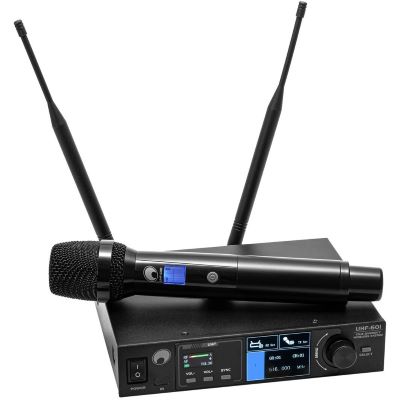
In a wireless handheld, the microphone capsule, transmitter, controls and power supply are all located in the handle. This makes the setup particularly straightforward and an excellent choice for frequently changing users.

Microphone separate from transmitter

Bodypack for Headset and Lavalier Microphones

Headset and lavalier microphones are often connected to a bodypack transmitter. Connector type, pin assignment and supply voltage differ between manufacturers and system families. The microphone must therefore be explicitly compatible with the transmitter being used.

Check compatibility: a connector that fits mechanically is not enough for headset and lavalier microphones. Pin assignment, power supply and transmitter family must also match.

Three designs directly from the shop

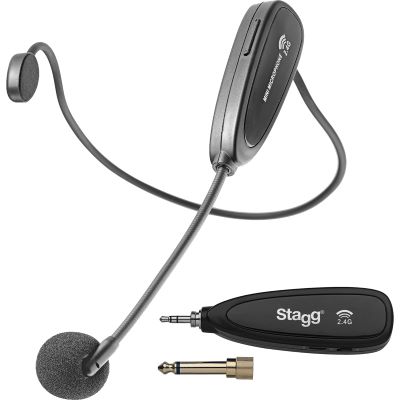
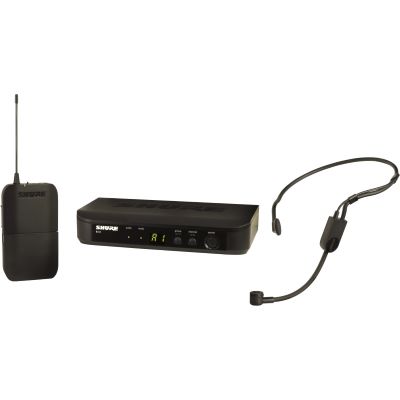
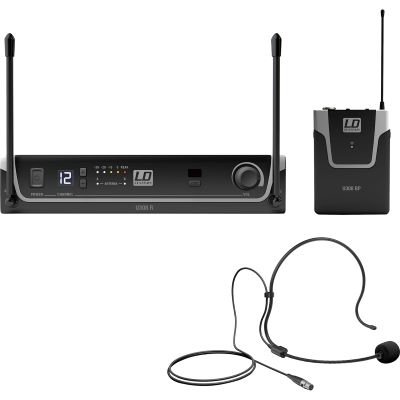
30 Suitable Handheld, Headset and Lavalier Solutions

This selection covers different price and application classes. For wireless products, also choose the appropriate frequency range for the planned system.

Consider the complete system

Suitable Product Categories for Your Microphone Setup

Wireless System

Transmitters

Choose bodypacks and handheld transmitters that match the existing system family.

Wireless System

Receivers

Single, dual and professional multi-channel receivers for events.

Wireless Expansion

Wireless Accessories

Rechargeable batteries, chargers, antennas, rack mounting and further wireless accessories.

Mounting & Protection

Microphone Accessories

Windscreens, holders and further accessories for wired and wireless microphone applications.

Compatible system families

Brands for Handheld, Headset and Lavalier Microphones

Particularly with bodypack transmitters, it is useful to plan within a compatible product family. Matching headsets, lavalier microphones, transmitters and receivers can then be combined more easily.

Small details with a big effect

Common Mistakes with Handheld, Headset and Lavalier Microphones

Handheld

Holding It Too Far from the Mouth

Holding the microphone at chest height reduces the direct voice and makes more amplification necessary.

Handheld

Cupping the Microphone Grille

Covering the microphone grille with the hand can change the intended polar pattern and reduce gain before feedback.

Headset

Placing the Capsule Directly in Front of the Mouth

Positioning it slightly to the side reduces unwanted breath and air noise while maintaining a small distance.

Headset

Not Testing the Fit

A headset should remain secure even during rapid head movements and movement on stage.

Lavalier

Mounting It Too Low

As the distance increases, the voice becomes quieter and the amount of room and ambient sound becomes greater.

Lavalier

Ignoring Clothing and Jewellery

Fabric, necklaces or hair can rub against the microphone capsule and create clearly audible unwanted noise.

Your next decision

Related Microphone Guides

Vocals

Microphone for Vocals

Select live vocal microphones according to voice, stage environment and polar pattern.

Speech

Microphone for Speech

Explore podcasting, lectures, interviews and presentation microphones in more detail.

Complete Setup

Which Microphones Do You Need?

Combine different types of microphones within a complete setup.

Wireless

Discover Wireless Microphones

Compare handheld transmitters, bodypacks, headsets and lavaliers as complete wireless systems.

Frequently asked questions

Questions About Handheld, Headset and Lavalier Microphones

Which is better: handheld, headset or lavalier?

For vocals and direct presenting, a handheld is often ideal. A headset is particularly suitable for plenty of movement and high PA levels. Lavalier is the most discreet solution for interviews, lectures and video.

Which microphone is best for a lecture?

In a large or loud room, a headset often has advantages because of its short distance from the mouth. For quieter lectures and a particularly discreet appearance, a lavalier is very attractive.

Why is a headset less susceptible to level fluctuations?

The microphone capsule moves together with the head. As a result, the distance and angle to the mouth change very little even when the speaker turns their head.

Why is a lavalier often used for interviews?

It is small, leaves both hands free and is barely noticeable in the picture. Its position on the clothing also remains relatively constant during the conversation.

Is a lavalier more susceptible to feedback than a headset?

A lavalier is often farther away from the mouth. More gain is therefore required for the same speech level, which can reduce the available gain before feedback. The complete PA system, however, remains equally important.

Can you sing professionally with a headset?

Yes. Headsets are used professionally for musicals, dance shows and active performers. The capsule and its maximum sound pressure level should be suitable for vocals.

Which microphone is suitable for fitness instructors?

A securely fitting headset is usually the most practical solution. Sweat resistance, a robust cable connection and a securely mounted bodypack are important selection criteria.

Can I hide a lavalier microphone under clothing?

This is possible for film and theatre, but requires careful mounting. Friction between fabric and microphone can otherwise create clearly audible noise.

Which microphone type is easy for inexperienced speakers?

A correctly adjusted headset is particularly straightforward because the speaker does not need to control the microphone position. A lavalier also provides plenty of comfort. With a handheld, the correct distance must be maintained actively.

Can I convert the same wireless system from handheld to headset?

This depends on the system family. Some product series provide compatible handheld transmitters and bodypack transmitters for the same receiver type. Normally, however, only one transmitter can be active on each receiver channel at a time.

The decision summarised

Handheld for Control, Headset for Consistency, Lavalier for Discretion

If you want to deliberately control the microphone or frequently work with changing speakers, a handheld offers particularly high flexibility. For presentations involving movement, fitness, musicals and loud PA systems, a headset provides major advantages through its consistent distance from the mouth. If the microphone should attract as little visual attention as possible, a lavalier is often the preferred solution for interviews, video and calmer presentations.

Even more guidance

Discover More Musikhaus Korn Guides

Microphones, recording equipment, PA systems, mixers, musical instruments, DJ equipment, lighting and event technology: the central Musikhaus Korn guide leads to further comparisons, buying advice and complete setup solutions.