Recording Studio
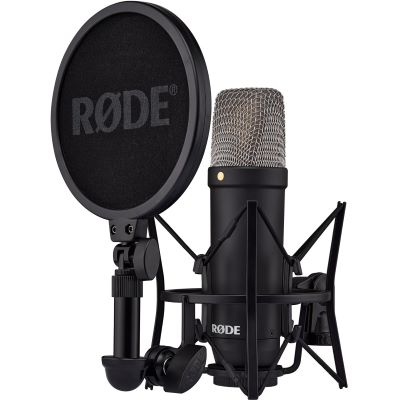
A higher-grade large-diaphragm microphone, two-channel interface, closed headphones and a compact desktop monitoring system.

With a budget of €1,000, a simple recording workstation can already become a versatile home studio. In addition to an audio interface, microphone and headphones, you can include useful studio monitoring, MIDI hardware and a properly organised workspace. The key is still not the longest possible shopping list: vocals, guitars and beat production require different priorities.
In this budget range, recording and mixing can already be combined sensibly. Nevertheless, your main area of work should determine which components receive the largest part of the available budget.
A higher-grade large-diaphragm microphone, two-channel interface, closed headphones and a compact desktop monitoring system.
Four inputs and outputs, an instrument microphone, two nearfield monitors and the complete cabling for direct and microphone recording.
A 49-key MIDI keyboard, more flexible interface, higher-grade headphones and compact loudspeaker monitoring.
Moving from €500 to €1,000 should not simply make every individual device more expensive. New workflows and better control often create more practical value.
A versatile main microphone can cover vocals, speech, acoustic guitar and many additional sources for a long time.
Headphones remain important, but suitable nearfield monitoring provides an additional reference for stereo imaging and level balance.
Four usable inputs and outputs or MIDI connections create more flexibility for a growing studio.
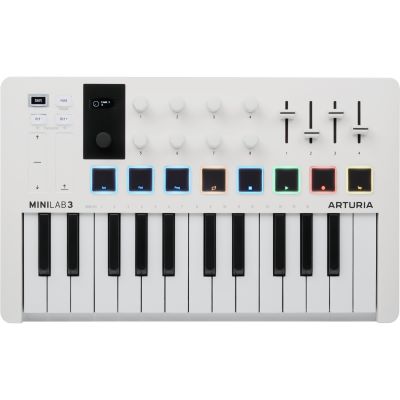
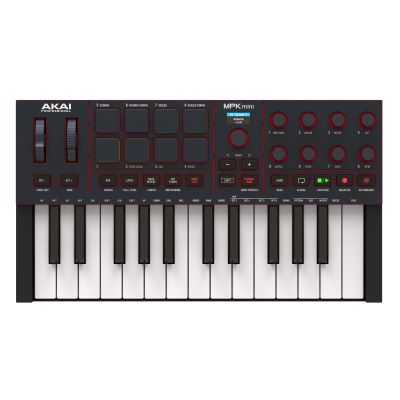
37 or 49 keys plus controls, pads and faders can make the production workflow considerably more direct.
Buy new possibilities – not just higher model numbers.
| Feature | Vocal & Songwriter | Guitar & Instruments | Producing & MIDI |
|---|---|---|---|
| Interface | 2 inputs | 4 in / 4 out | 4 in / 4 out + MIDI |
| Microphone | Higher-grade large diaphragm | Dynamic instrument microphone | Add later |
| Monitors | Compact desktop system | 2 × 5-inch nearfield monitors | Compact desktop system |
| Headphones | Closed-back | Closed-back | Higher-grade monitoring |
| MIDI | Optional | Optional | 49 keys |
| Total Price | €943.70 | €972.50 | €981.80 |
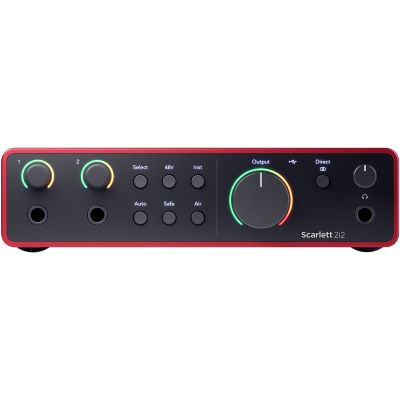
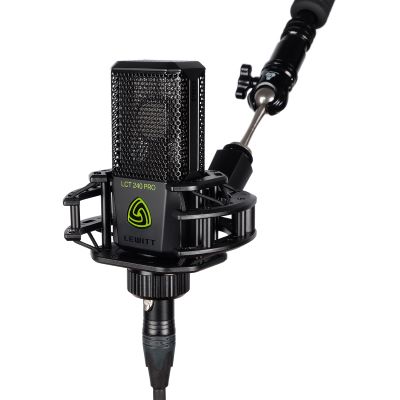
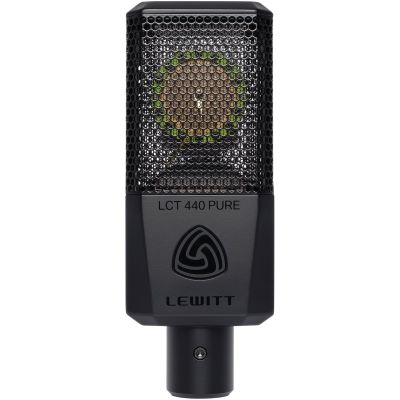
This setup invests heavily in the most important recording tool. The Lewitt LCT 440 PURE is designed as a versatile main microphone for vocals, speech and numerous instruments, while the Scarlett 2i2 provides two microphone or instrument channels.
| Component | Product | Price* |
|---|---|---|
| Audio Interface | Focusrite Scarlett 2i2 4th Gen | €199.00 |
| Main Microphone | Lewitt LCT 440 PURE | €269.00 |
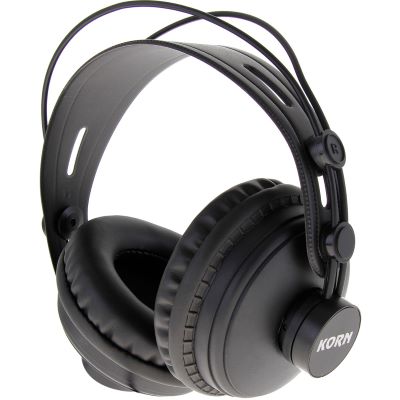
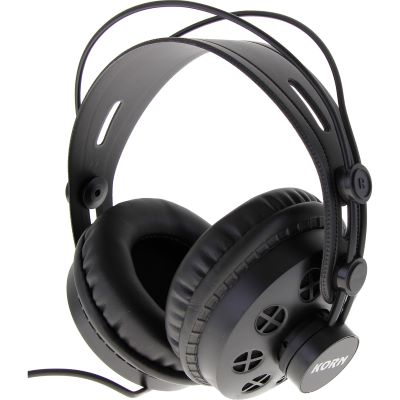
| Headphones | KORN DK-770 | €59.00 |
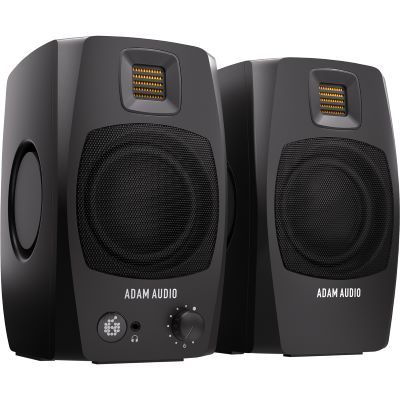
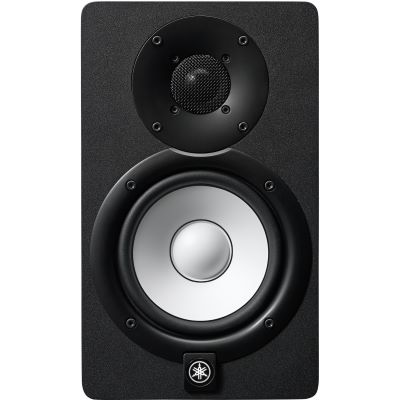
| Monitor System | ADAM Audio D3V Black | €299.00 |
| Microphone Stand | K&M 27105 | €33.00 |
| XLR Cable | N-RoK Premium XLR 3 m | €13.90 |
| 2 Monitor Cables | 2 × N-RoK Premium TRS 1.5 m | €21.80 |
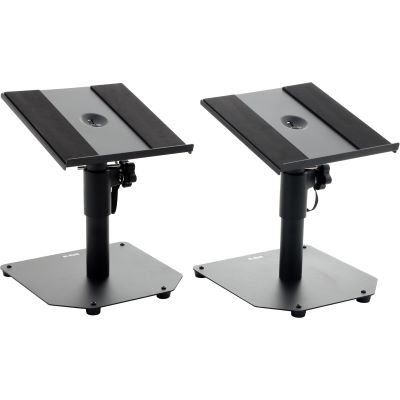
| Desktop Stands | N-RoK TSMS1 Pair | €49.00 |
| Total | Recording + Monitoring | €943.70 |
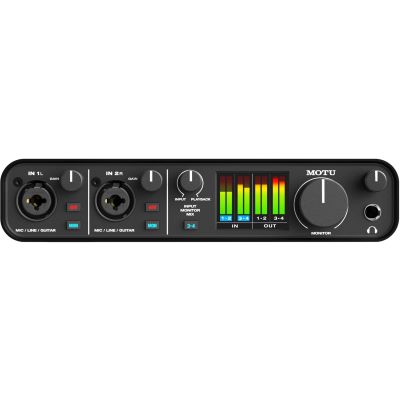
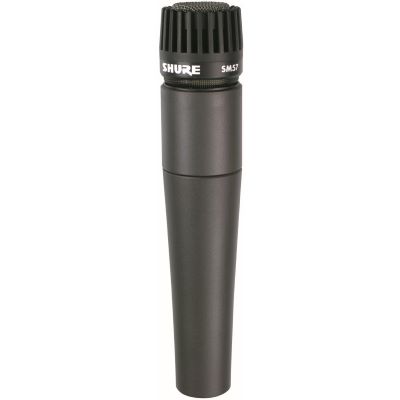
The MOTU M4 provides additional line paths and is therefore also useful for synthesizers or other external hardware. Guitars can be recorded directly, while the Shure SM57 additionally makes it possible to record a real amplifier.
| Component | Product | Price* |
|---|---|---|
| Audio Interface | MOTU M4 | €299.00 |
| Instrument Microphone | Shure SM57 LC | €129.00 |
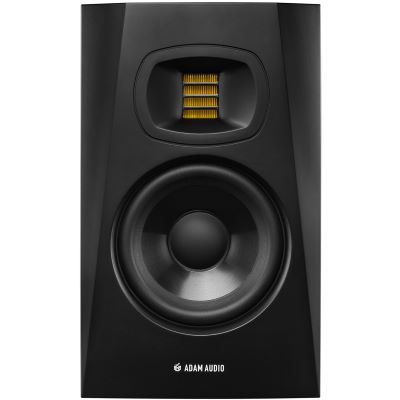
| 2 Studio Monitors | 2 × ADAM Audio T5V | €378.00 |
| Headphones | KORN DK-770 | €59.00 |
| Microphone Stand | K&M 27105 | €33.00 |
| XLR Cable | N-RoK Premium XLR 3 m | €13.90 |
| Instrument Cable | N-RoK Premium Mono 3 m | €15.90 |
| 2 Monitor Cables | 2 × N-RoK Premium TRS 1.5 m | €21.80 |
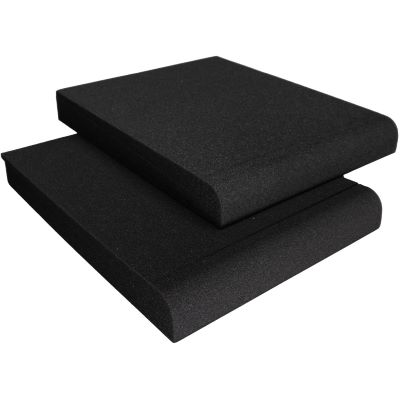
| Monitor Pads | N-RoK Isolation Pads | €22.90 |
| Total | Direct Recording + Amp Miking | €972.50 |
If you mainly produce beats, synthesizers and virtual instruments, a microphone can initially be omitted. The budget can therefore cover a larger MIDI keyboard, more flexible connections and higher-grade headphones.
| Component | Product | Price* |
|---|---|---|
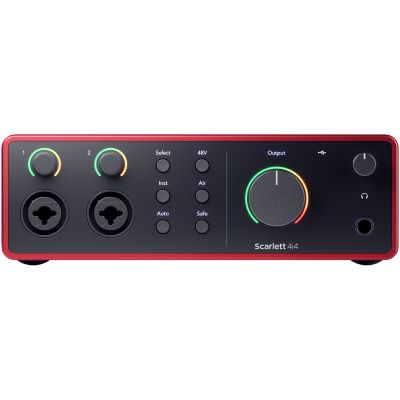
| Audio Interface | Focusrite Scarlett 4i4 4th Gen | €269.00 |
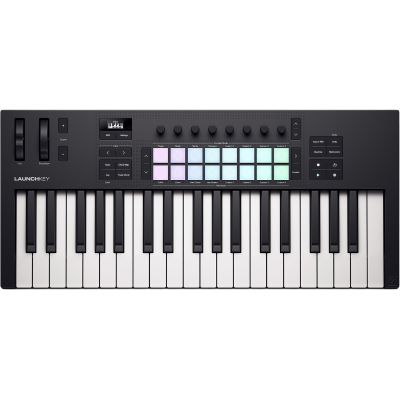
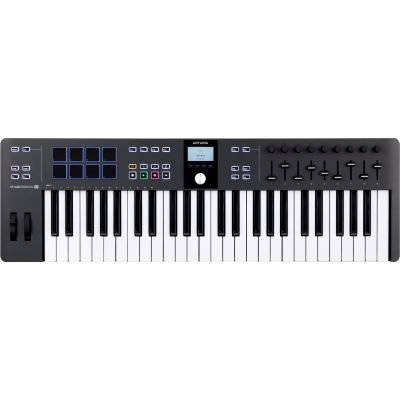
| MIDI Keyboard | Arturia KeyLab Essential 49 MK3 Black | €194.00 |
| Monitor System | ADAM Audio D3V Black | €299.00 |
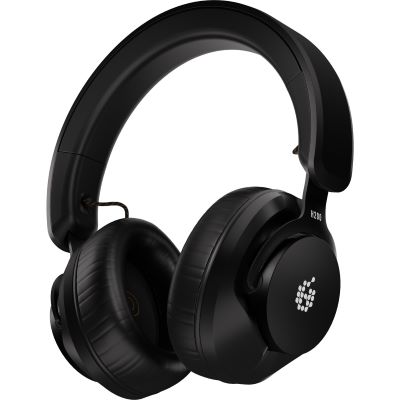
| Headphones | ADAM Audio H200 | €149.00 |
| 2 Monitor Cables | 2 × N-RoK Premium TRS 1.5 m | €21.80 |
| Desktop Stands | N-RoK TSMS1 Pair | €49.00 |
| Total | Producing + MIDI + Monitoring | €981.80 |
Good monitors only help if they are positioned sensibly. Their position and listening distance should therefore be considered part of the budget concept, just like cables and stands.
Arrange the left monitor, right monitor and listening position as symmetrically as possible.
Direct the acoustic axis of the monitors towards ear height and the listening position.
Pads or stands reduce direct mechanical coupling to the desk and make monitor alignment easier.
Use acoustic treatment specifically where reflections or resonances are causing a real problem.
The selection reflects different priorities. Interfaces, microphones, monitoring and MIDI hardware can be combined according to equipment you already own and the way you want the studio to grow.
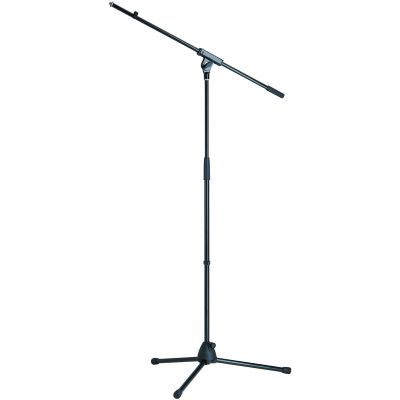
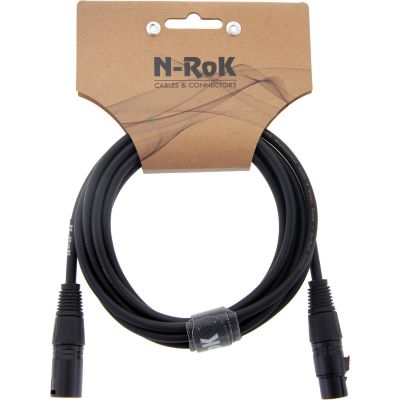
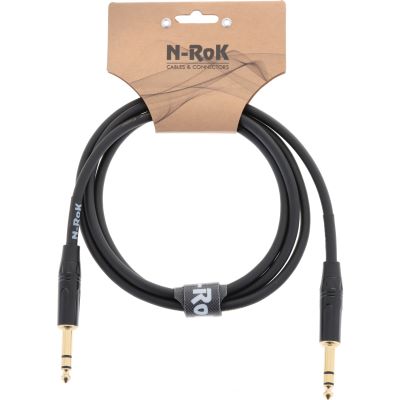
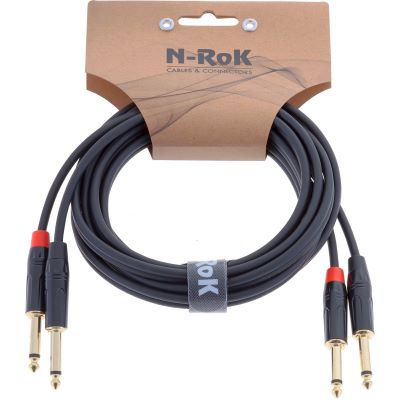
Explore further interfaces, microphones, monitors, headphones and MIDI hardware directly in selected manufacturer worlds at Musikhaus Korn.











More budget should create additional functionality, not exclusively more expensive versions of the same equipment.
Two individual active monitors require suitable audio cables and sensible placement.
Monitor size and listening distance should suit the room. Larger does not automatically mean more accurate.
If hardware synthesizers are already planned, additional line inputs and MIDI should be considered from the beginning.
Yes, provided that a suitable computer is already available. An interface, microphone or MIDI controller, headphones, monitors and the necessary accessories can be combined sensibly within this budget range.
Above all, monitoring and flexibility. Studio monitors, more interface connections or larger MIDI hardware no longer have to compete as directly with the fundamental recording chain.
No. A reserve for cables, adapters or the first later expansion is useful when the core setup already works completely.
Two microphone preamps are sufficient for many solo recordings. Additional line inputs become interesting when stereo synthesizers, grooveboxes or other hardware should remain connected.
Compact desktop and 5-inch systems are often a sensible starting point. Listening distance, proximity to walls and room acoustics matter more than choosing the largest possible driver.
Yes, especially for microphone recording and quiet work. Closed-back headphones complement the loudspeaker monitoring and allow recording without loud playback in the room.
A versatile large-diaphragm condenser microphone is useful for vocals and acoustic instruments. If you mainly record guitar amplifiers, a dynamic instrument microphone can be added or chosen instead.
For producers who play chords, bass lines and melodies, 49 keys provide a versatile middle ground between a compact desktop controller and a large piano-style keyboard.
That depends on the actual bottleneck. More interface inputs, a second microphone, additional MIDI hardware, targeted room optimisation or a second headphone reference are typical next steps.
Understand the complete recording signal path before choosing additional equipment.
Compare approximately €300, €500, €1,000 and larger project-studio budgets.
Choose the required microphone, instrument, line and MIDI connections according to your recording project.
Compare recording isolation, nearfield monitoring and different mixing references.
Connect sources, interface, computer, DAW, monitoring, MIDI hardware and accessories as one system.
Complete the setup with correct connections, repeatable positioning and targeted room optimisation.
A home studio under €1,000 can already combine recording, production and mixing in a complete setup. For vocals, a larger share of the budget can be invested in a versatile main microphone. Guitarists benefit from additional interface connections and good nearfield monitoring. Producers can initially leave out the microphone and instead invest in a MIDI controller, headphones and monitor loudspeakers.
The complete signal path remains decisive. Inputs, outputs, microphone, headphones, monitor cables, stands and the actual physical workspace should be checked together before buying. This creates a home studio that works immediately rather than a random collection of devices and can later be expanded deliberately.
From recording and musical instruments to DJ and event equipment: the central Musikhaus Korn guide connects decision support, suitable product categories and complete equipment solutions.