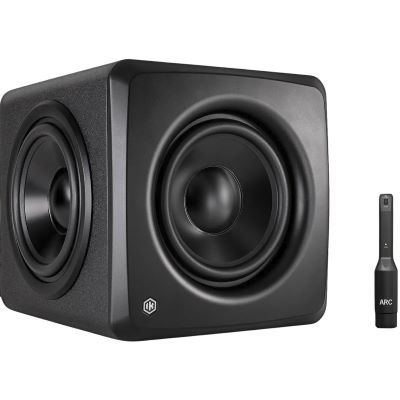
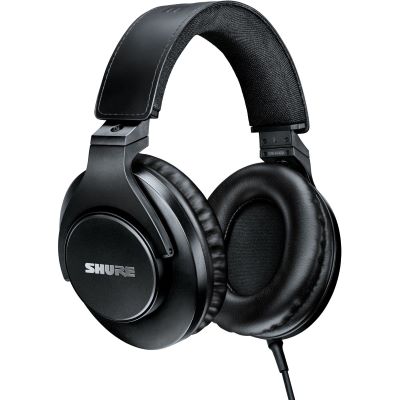
Closed-Back Headphones
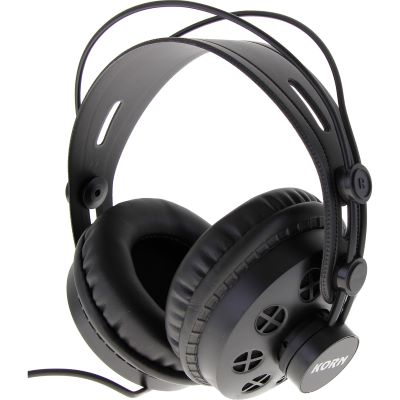
They reduce playback spill into the microphone and provide stronger isolation from outside noise. This makes them the classic monitoring solution during tracking.

Closed-back headphones for recording, open-back headphones for mixing or studio monitors as your main reference? The right solution depends on whether you are recording, producing or mixing, how far you sit from your speakers and how well your room acoustics work. This guide shows which monitoring setup suits your home studio and when headphones and monitors complement each other best.
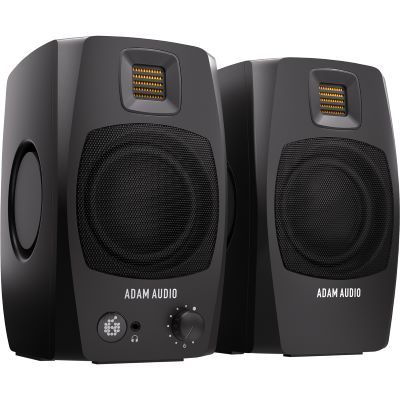
Headphones and monitors show the same production from different perspectives. For a versatile studio, combining both monitoring paths is therefore particularly valuable.
They reduce playback spill into the microphone and provide stronger isolation from outside noise. This makes them the classic monitoring solution during tracking.
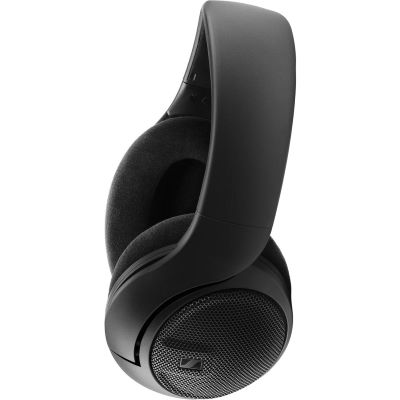
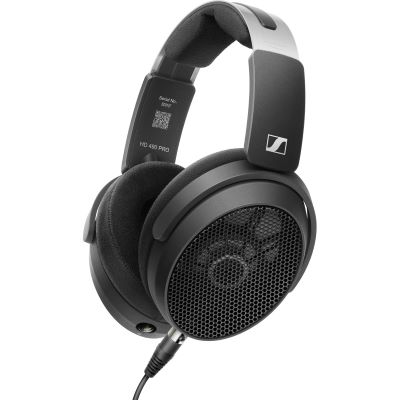
In a quiet environment, open designs often provide a spacious, less enclosed listening experience and are very useful as a critical mixing reference.
Studio monitors let you judge level, panorama and spatial relationships without having the sound generated directly at your ears.
Check important mix decisions using two different references. Problems that appear only on one monitoring system become easier to identify.
Short recommendation: if you record with microphones, a closed-back studio headphone belongs in the basic setup. For regular mixing, add a suitable monitor pair to judge stereo imaging, level and balance. An open-back headphone can then become a strong second mixing reference.
The construction affects how much sound escapes, how strongly outside noise is isolated and how open the stereo image feels.
Closed ear cups provide stronger isolation. This is especially important when a singer or instrumentalist listens to playback while a sensitive microphone is recording at the same time.
Mobile production also benefits from the stronger separation from environmental noise.
Open headphones allow sound to escape and also let environmental sound in. That makes them less suitable for recording directly beside an open microphone.
For editing, mixing and long sessions in a quiet room, however, their open and spacious presentation can be particularly comfortable.
Semi-open designs lie between the two concepts. They provide somewhat more openness than fully closed headphones but isolate less effectively.
This makes them interesting for production, general monitoring and mix control in quieter environments.
Impedance alone does not determine whether a headphone will play loudly enough. Sensitivity and the power of the headphone amplifier in the audio interface are also important.
Evaluate the complete combination instead of deciding from the Ohm specification alone.
Mixing sessions can last for several hours. Weight, clamping force, ear pads and heat build-up therefore have a direct effect on how comfortably and consistently you can work.
One headphone does not have to do everything: a closed model for recording and an open model for critical checking can be more useful than trying to cover every studio task with one design.
Studio monitors are intended to provide a reliable working reference. When mixing, the aim is to identify problems rather than hide them behind exaggerated bass or spectacular high frequencies.
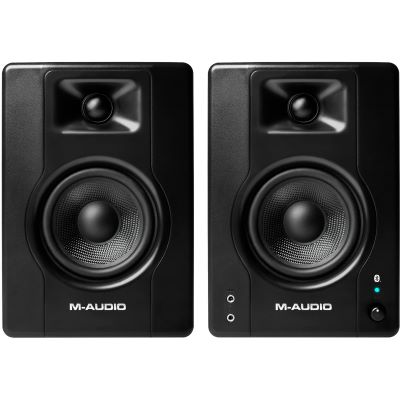
With active studio monitors, the amplifiers are already integrated. The audio interface can therefore be connected directly to the speakers, making this concept particularly straightforward for home studios.
Nearfield monitors are operated comparatively close to the listening position. This increases the proportion of direct sound reaching the listener and can make the room less dominant when placement is sensible.
Larger woofers can provide more low-frequency extension and sound-pressure reserve, but they do not eliminate the need for acoustic planning. Listening distance, room and placement must always be considered together.
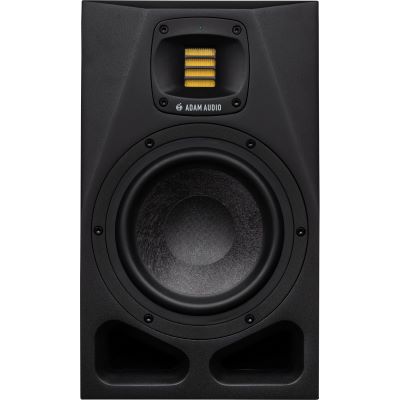
Woofer diameter is only one part of the decision. Listening distance, desired maximum level, low-frequency requirements, placement and room acoustics are even more important.
| Situation | Typical Orientation | Strength | Watch Out For |
|---|---|---|---|
| Desktop / Very Short Distance | Compact 3–5-inch systems | Low space requirement | Isolation and positioning at the correct height |
| Typical Home Studio | Approximately 5–7 inches | Good balance of cabinet size and bass extension | Wall distance and room modes |
| Greater Listening Distance | 7–8 inches or more powerful systems | Greater level and low-frequency reserve | The room must control the additional bass energy |
| Critical Low Bass | Monitor pair + subwoofer | Extended frequency range | Crossover, level and placement must be integrated carefully |
There is no rigid inch rule: an 8-inch monitor is not automatically too large and a 5-inch model is not automatically correct for every small room. Actual listening distance and room acoustics matter too.
Good monitors can work reliably only when the left and right sides operate under reasonably comparable conditions. Placement alone can significantly change bass response, phantom centre and stereo imaging.
| Task | Closed-Back | Open-Back | Studio Monitors |
|---|---|---|---|
| Vocal Recording | Very good | Less suitable | Not while recording with an open microphone |
| Mobile Production | Very good | Needs a quiet environment | Impractical |
| Editing | Good | Very good | Very good |
| Mixing | Good additional reference | Very good | Main reference when the room is suitable |
| Stereo Imaging | Directly at the ears | Broader headphone presentation | Natural loudspeaker reference in the room |
| Night / Apartment | Ideal | Good, but sound escapes | Depends on listening level |
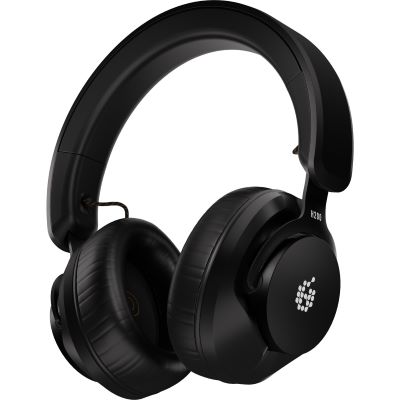
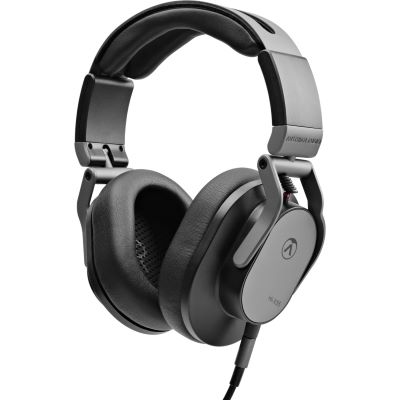
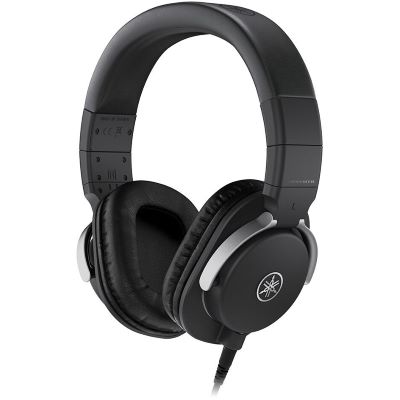
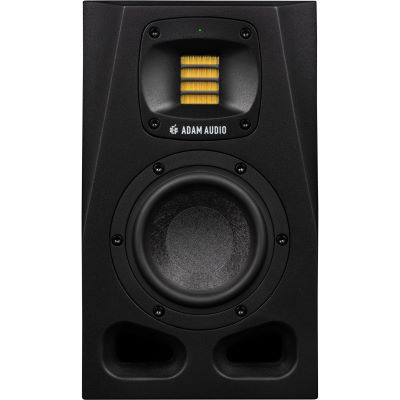
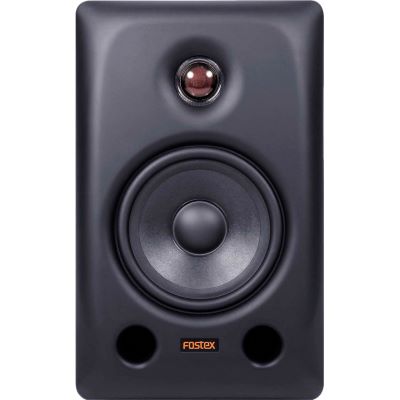
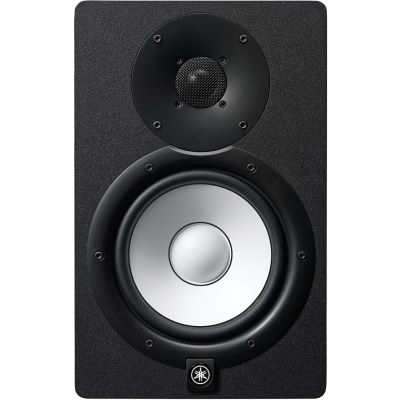
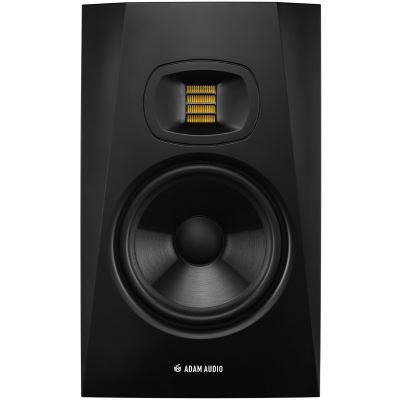
The selection covers closed, open and semi-open studio headphones, compact nearfield systems, larger monitors and subwoofers for extending controlled low-frequency monitoring.
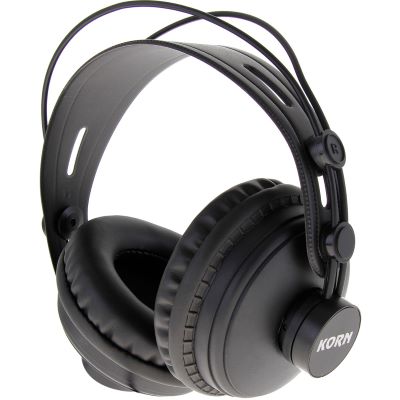
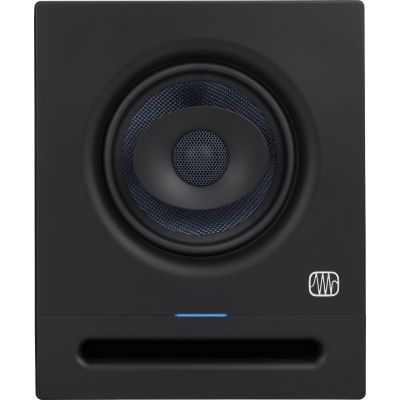
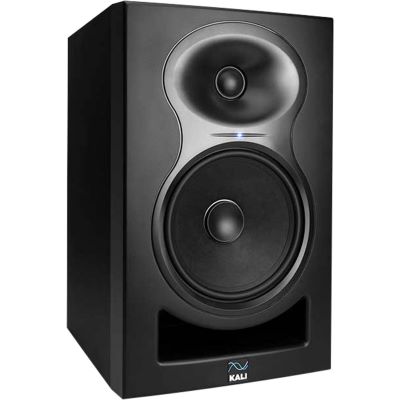
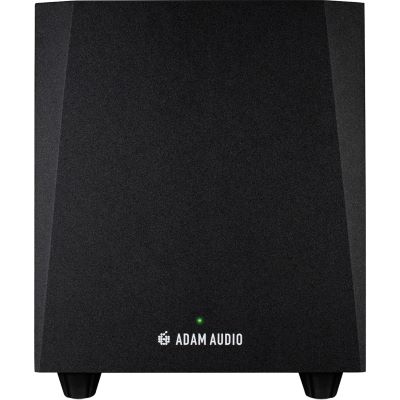
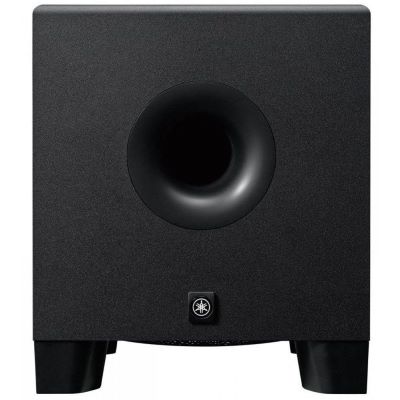
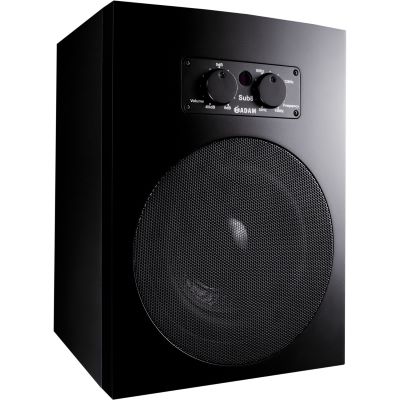
A subwoofer extends the audible low-frequency range, but it does not replace sensible speaker positioning or room acoustics. Deep frequencies excite room modes particularly strongly.
Integrate the subwoofer carefully: crossover frequency, level, phase or polarity and physical position all need to work with the main monitor pair and the listening position. A subwoofer that is set too loud can lead to mixes containing too little bass elsewhere.
Closed, open and semi-open designs for recording, production and mixing.
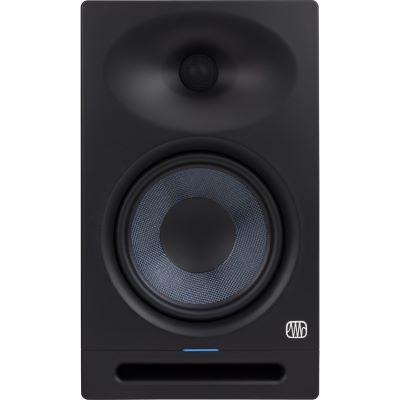
Nearfield and larger monitoring loudspeakers with integrated amplification.
Position the speakers at a suitable height and reduce unwanted mechanical coupling to studio furniture.
Control listening level and switch comfortably between several monitor paths and signal sources.
Treat reflections, placement and room response as part of the entire monitoring system.
Extend the low-frequency range of a suitable monitor pair when the room and application require it.
Amplifiers, distribution systems, stands and other accessories for studio monitoring.
Headphone and line outputs form the connection between DAW, headphones and monitor speakers.
Compare monitoring products from manufacturers represented across the current headphone, monitor and subwoofer selection.






Listening distance, room and placement matter too. Larger does not automatically mean more precise or more appropriate.
Playback can escape through the ear cups and may be captured by sensitive microphones during recording.
Asymmetrical placement, desk reflections and incorrect height can affect stereo imaging more strongly than expected.
Excessive monitoring bass often leads to mixes that contain too little low end on other playback systems.
They reveal different aspects of the production. Monitors are especially useful for stereo imaging, level relationships and assessing the mix through loudspeakers in the room. Good headphones show details very directly and avoid acoustic problems caused by the room. Using both is therefore particularly useful.
Closed-back studio headphones are the classic choice because they keep more of the playback inside the ear cups and reduce spill into the recording microphone.
Their open construction can provide an airy, spacious listening experience. They offer very little isolation, however, so they are better suited to quiet working environments than to microphone recording.
Compact monitors are very suitable for many short nearfield listening distances. Woofer diameter alone is not decisive, however. The room, required bass extension and speaker placement must also be considered.
Not automatically. Larger monitors generally produce more low-frequency energy and level reserve. In a problematic small room this can make room resonances more obvious, so placement and acoustics require particularly careful planning.
Not necessarily. A good monitor pair is sufficient for many productions. A subwoofer becomes useful when very deep frequencies need to be judged reliably and the room allows controlled integration.
An approximately equilateral triangle is a proven starting point: the distance between the two monitors is roughly the same as the distance from each monitor to the listening position.
The speaker's acoustic axis should be aimed sensibly towards the listening position. Monitor stands or desktop stands help set the height and angle reproducibly.
Yes. In apartments or while travelling, a good studio headphone can be the main monitoring system. Before release, however, it is useful to check the mix on additional playback systems as well.
With one interface and one monitor pair it is not essential. Several speaker pairs, additional headphone paths or frequent switching make a dedicated monitor controller much more convenient.
Both belong together. Better monitors can reveal only part of their potential when strong reflections, poor positioning or major bass problems dominate what reaches the listening position.
The right monitoring solution starts with the task. Closed-back studio headphones are particularly practical for vocal, speech and instrument recording because they provide stronger isolation and let less playback escape towards the microphone.
Open-back studio headphones are particularly useful for critical checking, editing and mixing in a quiet environment. Semi-open designs provide a versatile middle ground.
Studio monitors add the loudspeaker perspective in the room. Compact nearfield systems suit short listening distances, while larger monitors can offer greater bass and level reserves. Woofer size should never be considered in isolation: listening distance, symmetry, wall proximity, stands and room acoustics strongly influence how reliably the speakers work.
A subwoofer is the next expansion step when deep bass becomes important. It should not simply be turned up loudly, but integrated carefully in level, crossover frequency and position with the main monitor pair.
For many home studios, a practical order is therefore: first a good closed-back recording headphone, then a suitable monitor pair, followed – where useful – by an open-back reference headphone or a carefully integrated studio subwoofer.
Microphone, audio interface, headphones, studio monitors, room acoustics and accessories should be planned together. Find further decision support for your complete recording setup in the Musikhaus Korn guide.