Speech or Solo Vocals
One microphone for voice-over, vocals, streaming or a solo podcast initially needs only one microphone input. A little spare capacity makes the setup more flexible.

One vocal microphone, a guitar, a stereo keyboard, a podcast with several people or a fully miked drum kit: the number of signals you actually want to record at the same time determines how many inputs your audio interface needs. Count simultaneous recording channels first – then choose the interface.
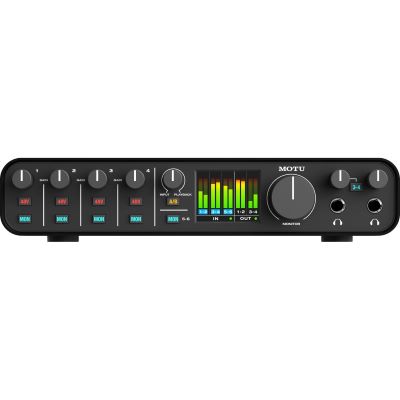
Count every audio source that needs to be recorded simultaneously onto its own track. A mono microphone requires one input. A genuine stereo source normally requires two.
One microphone for voice-over, vocals, streaming or a solo podcast initially needs only one microphone input. A little spare capacity makes the setup more flexible.
Voice and guitar at the same time, two podcast guests, a stereo synthesizer or a stereo microphone pair occupy two independent input channels.
Two voices plus two instruments, four speakers or a stereo keyboard together with vocals and guitar can quickly require four channels.
Once drums, overheads, vocals, guitars, bass and keyboards need to be recorded simultaneously on separate tracks, eight or more inputs become useful.
Rule of thumb: plan for the largest realistic recording session, not only today's minimum setup. If you currently need two signals but expect stereo hardware, guests or additional microphones, four or more inputs may be the more economical long-term choice.
The important question is not how many instruments you own, but which sources need to appear separately and simultaneously in your recording software.
Write down the microphones, guitars, basses, keyboards, synthesizers, drum machines and other analogue sources used in your largest planned setup.
A vocal microphone is normally mono. A keyboard or synthesizer may provide separate left and right outputs and therefore occupy two inputs.
If a guitar is recorded only after the vocal take has finished, the same interface input can be reused. Simultaneous musicians require separate channels.
Additional podcast guests, stereo hardware or a later fully miked drum kit can quickly exceed the limits of a small interface. Add a realistic reserve.
These are practical planning examples. The actual number depends on how many microphones and instruments you want to record separately.
| Application | Typical Sources | Simultaneous Signals | Sensible Interface Class |
|---|---|---|---|
| Voice-Over | 1 microphone | 1 | 1–2 inputs |
| Singer-Songwriter | Vocals + guitar | 2 | 2 inputs |
| Interview | 2 microphones | 2 | 2 inputs |
| Podcast Roundtable | 4 speakers | 4 | 4 microphone inputs |
| Stereo Synth + Vocals | Left / right + microphone | 3 | At least 4 inputs |
| Acoustic Guitar in Stereo | 2 microphones | 2 | 2 microphone preamps |
| Small Drum Kit | Kick, snare, 2 overheads | 4 | 4+ microphone inputs |
| Detailed Drum Recording | Kick, snare, toms, hi-hat, overheads | 8 or more | 8+ inputs / ADAT |
| Live Band | Drums, bass, guitars, keys, vocals | 8–16+ | Multichannel interface |
A stereo keyboard, synthesizer, drum machine or external effect often provides a left and a right audio channel. If you want to preserve the true stereo image, that single source therefore occupies two inputs.
If the instrument provides a dedicated mono output and the stereo image is not important for your production, one input may be enough. This saves channels but can change the spatial character and effects of the sound.
Check which physical connectors can actually be used at the same time. A manufacturer's total I/O figure does not automatically tell you how many microphone preamps are built into the interface.
Two unused channels in a growing home studio can be more valuable than an interface that is already completely occupied on its first day.
An interface with an optical ADAT input can later be expanded using a compatible multichannel microphone preamp. This is particularly useful when two to four preamps are enough today but drums or complete ensembles may be recorded in the future.
At standard 44.1 or 48 kHz sample rates, one conventional ADAT connection can carry up to eight channels. At higher sample rates, the available channel count falls.
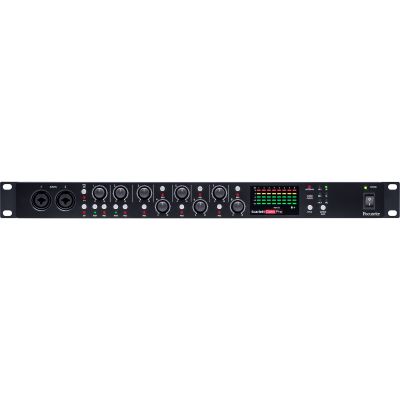
The selection is divided by typical recording size. In addition to the basic input count, check how many microphone, line and instrument inputs are available simultaneously and whether digital expansion is possible.

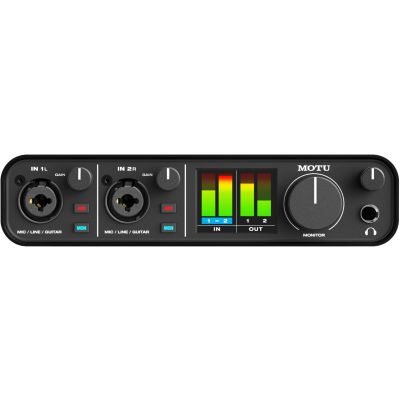
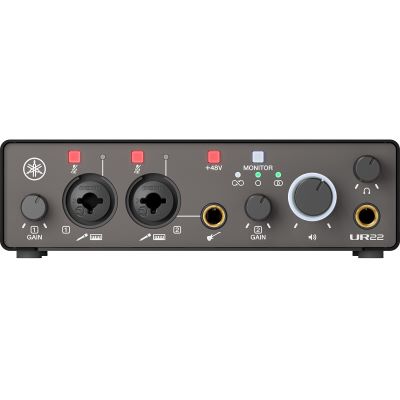
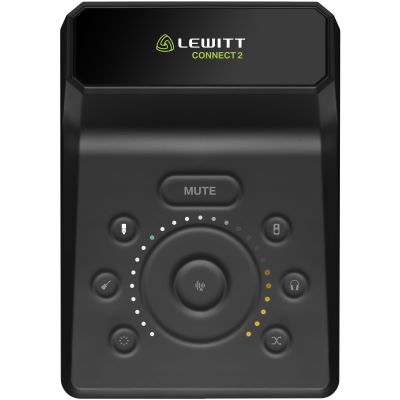
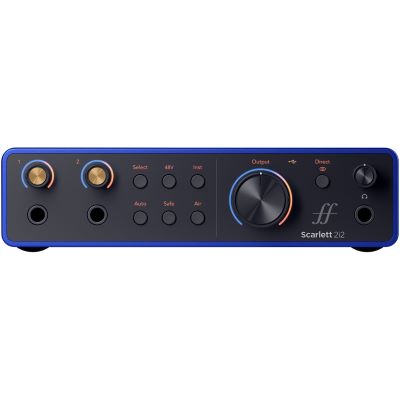
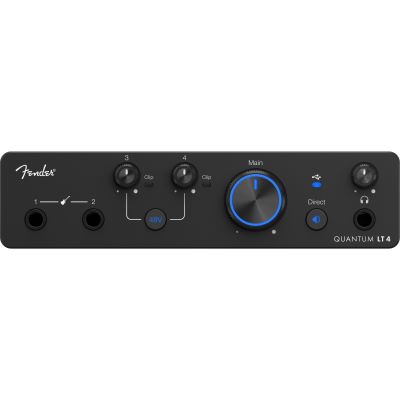
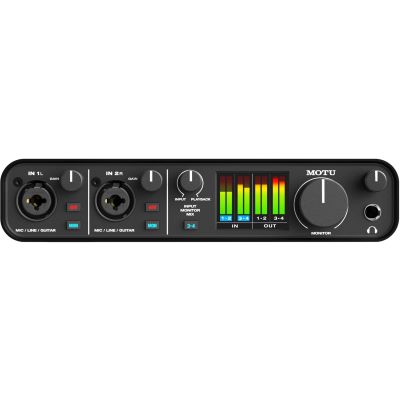
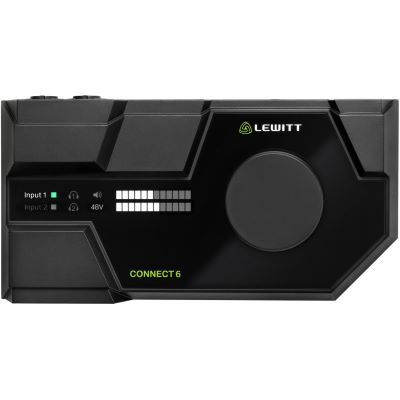
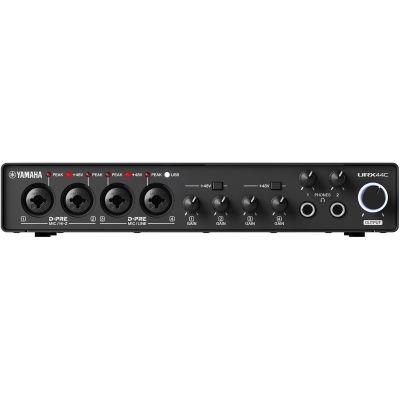
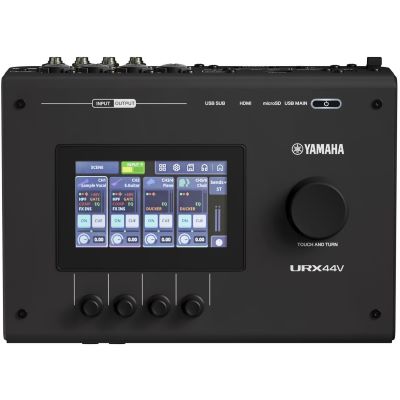
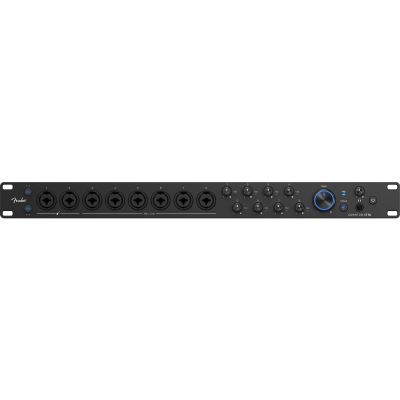
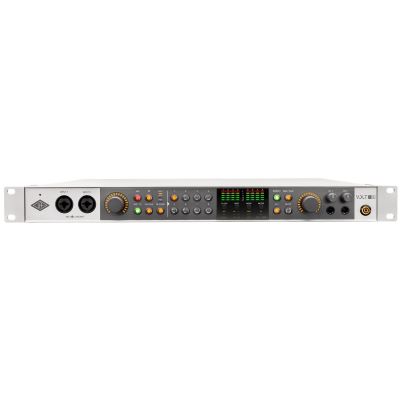
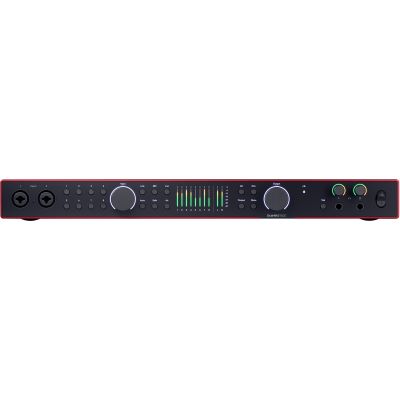
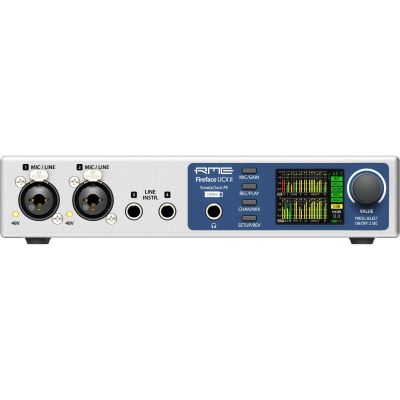
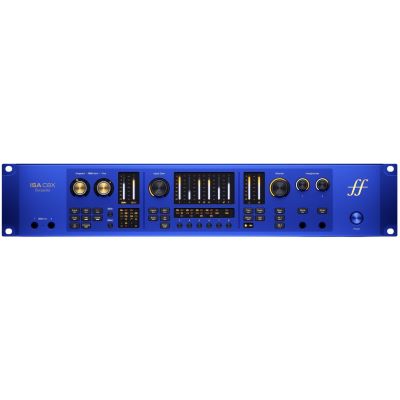
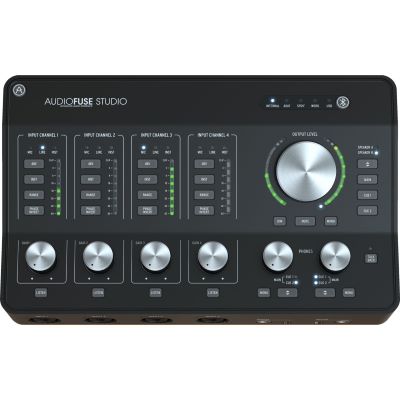
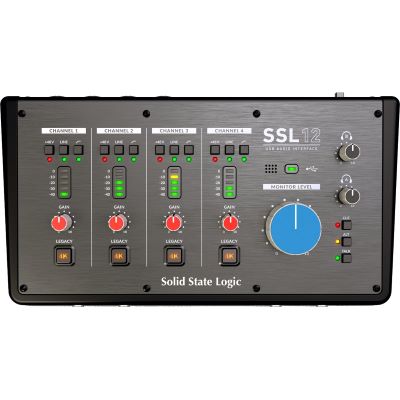
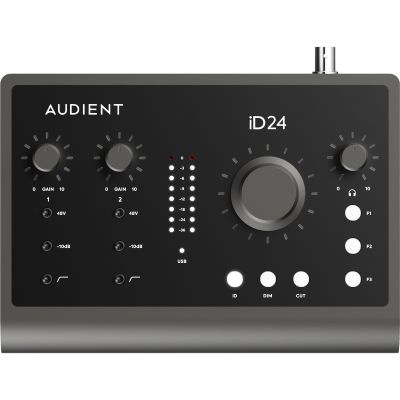
The correct number of inputs alone does not create a complete recording setup. Microphones, preamps, monitoring and mechanical accessories also need to match the planned number of musicians and signals.
Transfer analogue and digital signals to the computer and record them onto separate tracks.
Every microphone used at the same time needs a suitable input and, where required, its own microphone preamp.
Connect additional microphones and expand suitable interfaces digitally or through additional analogue inputs.
Monitor recording signals without loudspeakers spilling back into open microphones.
More microphones usually also mean more stands, clamps and careful mechanical positioning.
From compact desktop solutions to multichannel systems for drums, bands and larger productions.
Plan direct guitar recording, amplifier miking and combined guitar signal paths.
Combine interfaces, microphones, monitoring and additional studio equipment.
Interfaces differ in preamps, routing, expansion options, monitoring functions and connection concepts.









Line, instrument and digital inputs can be just as important. What matters is the configuration that can actually be used simultaneously.
One synthesizer can occupy two channels. Two stereo synthesizers therefore already require four analogue inputs.
One additional guest or a second microphone can push a completely occupied interface to its limit immediately.
Monitor, headphone and line outputs do not increase the number of audio sources that can be recorded simultaneously.
Two inputs are enough for vocals, individual instruments, singer-songwriter setups and many small productions. If several musicians, stereo hardware or a drum kit are planned, choose a larger interface.
For a true stereo recording, the left and right outputs are recorded separately and therefore occupy two inputs. A mono recording may use one channel if the instrument provides an appropriate mono output.
Normally plan one suitable microphone input per person speaking at the same time. A two-person podcast needs two; a four-person roundtable needs four.
A reduced setup can work with four microphones. Detailed recordings with kick, snare, several toms, hi-hat and stereo overheads quickly require eight or more microphone channels.
Eight channels can be sufficient for compact live sessions. If drums, several vocalists, guitars, bass and stereo keyboards are all recorded separately, the requirement can easily exceed eight channels.
ADAT allows compatible interfaces to be digitally expanded with additional channels. A smaller studio can therefore later add, for example, an eight-channel microphone preamp.
No. Loopback normally routes computer audio internally back into recording or streaming software. It does not replace an additional analogue microphone input for another person.
If future expansion is realistic, spare capacity is worthwhile. Anyone recording vocals and guitar today but expecting stereo keyboards, guests or several microphones later benefits from extra inputs or an interface with ADAT expansion.
The correct number of audio-interface inputs comes from the largest recording situation you realistically expect to use. One microphone requires one channel, vocals plus guitar require two, and a stereo instrument also occupies two channels. Several vocalists, hardware synthesizers, drums or an entire band can quickly increase the requirement.
Do not judge an interface only by the largest number printed in its specifications. Check how many microphone preamps, line inputs and instrument inputs are available, which of them can be used at the same time and whether digital expansion through ADAT is possible.
This creates a recording system that fits today's projects without forcing you to replace the interface immediately when your studio grows.
From instruments and home recording to studio, DJ and event equipment, the central Musikhaus Korn guide provides further decision-making help and routes to the equipment that fits your setup.