Classical Guitar
Choose it for classical music, lessons, flamenco, fingerstyle and a soft nylon-string sound.
Discover Classical Guitars →

Nylon strings, steel strings or an electrically amplified sound: the right guitar type does not depend on which instrument is supposedly the easiest. Your favourite music, preferred playing feel, permitted volume and the equipment required for a complete setup are what really matter.
Different body shapes and sizes are easiest to assess by comparing them directly.
Begin with the songs you want to play. Only after that should you consider woods, pickups, scale lengths and other technical details.
Choose it for classical music, lessons, flamenco, fingerstyle and a soft nylon-string sound.
Discover Classical Guitars →Choose it for pop, folk, country, singer-songwriter music, chord accompaniment and powerful strumming.
Discover Acoustic Guitars →Choose it for rock, blues, funk, punk, jazz, metal, solos and a highly adaptable sound.
Discover Electric Guitars →Answer the questions in the order shown. This turns a large product range into a manageable comparison.
Write down three songs or artists whose sound you want to learn. The musical direction is the most reliable first guide.
Classical guitars usually have a wider neck. Acoustic and electric guitars often feel narrower, but differ significantly in body size and string tension.
Acoustic guitars produce their sound without technology. An electric guitar remains quiet when unplugged and can be played through suitable equipment with headphones.
Classical and acoustic guitars are immediately playable. An electric guitar requires at least an amplifier or headphone system and an instrument cable.
Every construction type can be both a suitable beginner instrument and a professional tool. The main differences concern playing feel, sound production and typical use.
A classical guitar produces a soft, rounded and immediate acoustic sound. Its three high strings are made of nylon, while the lower strings have a wound core. Many players find nylon strings more comfortable at first. At the same time, the comparatively wide neck requires a greater reach from the fretting hand.
The wider string spacing supports classical techniques, fingerstyle and accurate individual-string articulation. Graduated sizes from 1/2 to 4/4 are available for children and smaller adults. Steel strings must not simply be fitted to a classical guitar because its construction is not designed for the additional tension.
An acoustic steel-string guitar sounds clear, brilliant and assertive. It shapes many pop, folk, country and singer-songwriter recordings. Strong strumming produces a broad sound, while picking delivers precise notes with a rich overtone content.
Dreadnought guitars frequently have a large and powerful body. Auditorium, orchestra, parlor and travel shapes may be more compact and comfortable for smaller players. A cutaway makes the higher frets easier to reach. An integrated pickup is useful when the guitar will regularly be played through an amplifier or PA system.
Magnetic pickups detect the string vibration of an electric guitar. The final sound is created together with the amplifier, loudspeaker and optional effects. The range extends from clear clean sounds and blues crunch to heavily distorted rock and metal tones.
Electric guitars frequently have thinner steel strings, a manageable body and a narrower neck. Single-coils often sound open and direct, while humbuckers usually sound fuller and more powerful. Configurations such as HSS or HSH cover several sound directions. Quiet practice requires an amplifier, multi-effects unit or headphone amplifier with a suitable headphone output.
The table provides an initial classification. Neck shape, size, weight and equipment may additionally vary within each guitar category.
| Feature | Classical Guitar | Acoustic Steel-String Guitar | Electric Guitar |
|---|---|---|---|
| Strings | Nylon with wound bass strings | Steel | Steel, often in thinner sets |
| Neck Feel | Usually wide and relatively flat | Frequently medium width | Slim to substantial, depending on model |
| Basic Sound | Warm, soft and rounded | Clear, brilliant and acoustically powerful | Shaped through electronics and amplification |
| Typical Music | Classical, flamenco and fingerstyle | Pop, folk, country and song accompaniment | Rock, blues, funk, jazz, punk and metal |
| Room Volume | Clearly audible acoustically | Usually particularly present acoustically | Comparatively quiet when unplugged |
| Additional Equipment | Not required | Not required | Amplifier or another output system required |
| Quiet Practice | Possible only to a limited extent | Possible only to a limited extent | Very practical through a suitable headphone output |
| Stage Use | With a microphone or suitable pickup solution | Especially practical with an integrated pickup | Through an amplifier, modelling system or PA |
| Typical Starting Point | Lessons, classical music and nylon-string tone | Chords, vocals and acoustic songs | Riffs, band music and flexible sounds |
Two guitars from the same product category can feel very different. After choosing the basic construction type, always check the fit of the specific instrument.
The strumming arm should rest loosely on the instrument. An oversized body raises the shoulder and can prevent a relaxed posture, particularly for children and smaller adults.
A shorter scale length reduces the distance between frets. Neck width, fingerboard radius and profile also determine how securely chords and individual notes can be fretted.
Strings that sit too high require unnecessary force. Clean fret ends, reliable tuning machines and a proper basic setup make the learning process easier.
Do not plan only for the price of the instrument. An electric guitar requires an amplifier and cable; a bag, tuner, stand and replacement strings may be useful for every guitar type.
Sit upright, relax both shoulders and fret notes within the first five frets. The fretting arm should not remain fully extended and the wrist should not bend sharply.
Play a simple chord and several individual notes, then repeat the test after tuning. Listen for buzzing and notice excessive fretting effort or tuning machines that move unevenly.
Do the sound and playing feel motivate you to continue for several more minutes? This spontaneous reaction is often more meaningful than a long specification sheet.
Classical guitars are available in several graduated sizes. Compact acoustic guitars and short-scale electric guitars may also be suitable. Body height and arm length are more important than a rigid age recommendation.
An electric guitar is quiet when unplugged. A suitable practice amplifier or headphone amplifier allows controlled monitoring. An acoustic steel-string guitar remains clearly audible even without amplification.
A clear steel-string sound remains present beneath vocals. For a softer and more intimate character, a classical guitar may provide more suitable accompaniment.
Volume, distortion and effects can be adapted to playing with bass and drums. A suitable amplifier is part of the complete instrument system.
Classical guitars provide generous space for the picking hand. Modern fingerstyle players also frequently use acoustic steel-string guitars when they want a brilliant and percussive sound.
Try both positions without deciding in advance. When the left hand performs the strumming, a genuine left-handed model is usually more suitable than an instrument with merely reversed strings. Left-handed classical guitars provide suitable construction details.
The models include traditional full-size instruments, compact solutions, stage-ready acoustic guitars and versatile electric guitars. Equipment and technical data are available on the respective English product pages.
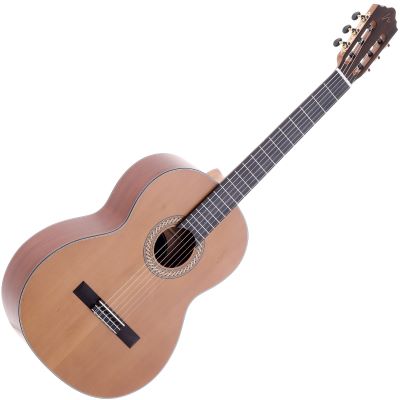
Traditional full-size model for lessons, finger technique and a warm nylon-string sound.
View Product →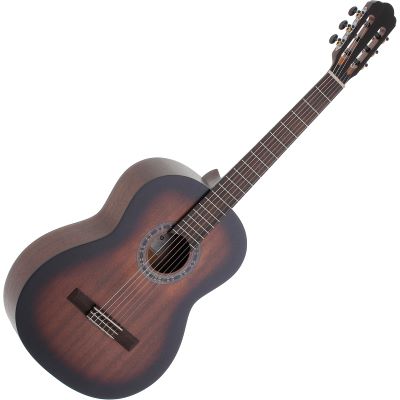
A classical-guitar format for learners and players of classical music.
View Product →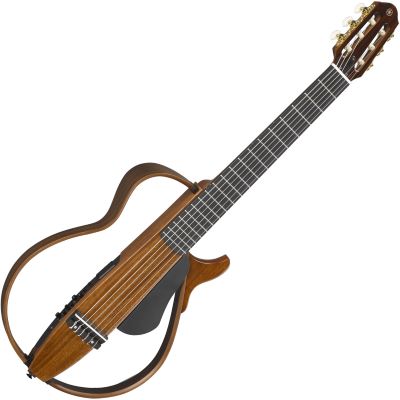
Reduced acoustic volume combined with a classical neck concept.
View Product →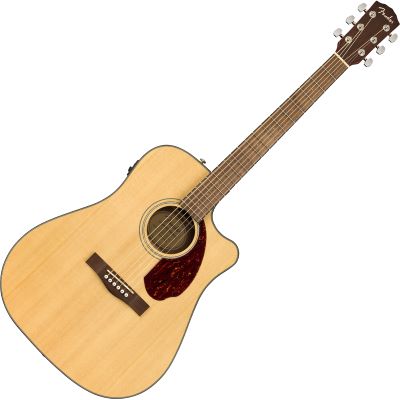
Steel-string acoustic guitar with a cutaway and an integrated pickup system.
View Product →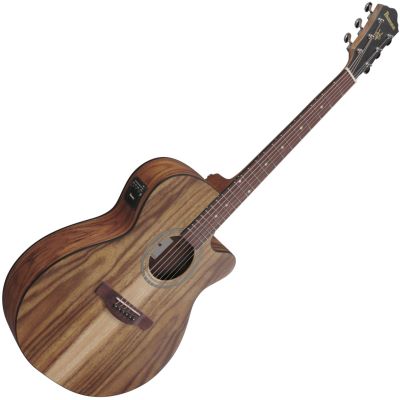
Acoustic guitar for chords, songs and amplified playing.
View Product →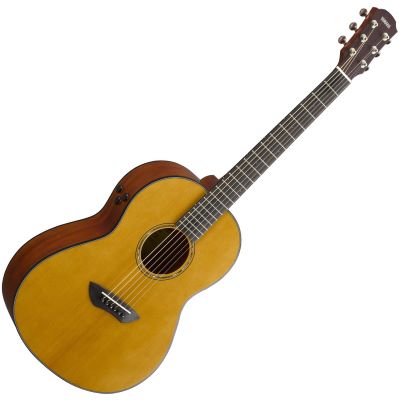
A compact body for the home, travel and singer-songwriter use.
View Product →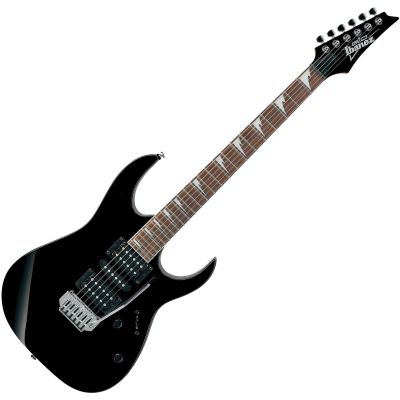
Rock-oriented electric guitar for rhythm playing, riffs and solos.
View Product →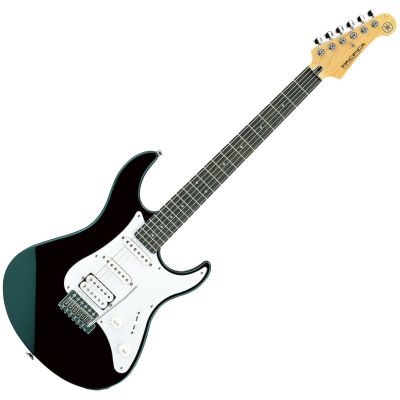
A flexible pickup combination for clear, blues-oriented and rock sounds.
View Product →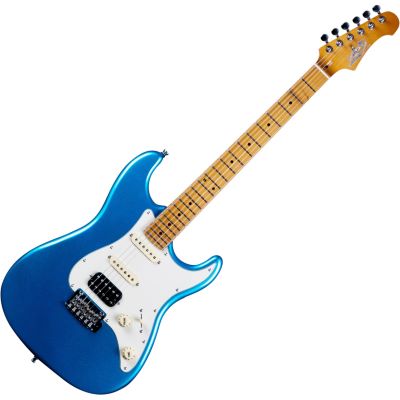
Traditional ergonomics for a wide range of electric-guitar sounds.
View Product →Compare specific products only within the guitar type that suits your desired sound. This keeps body construction, strings, electronics and necessary accessories meaningfully comparable.
After deciding on a guitar type, continue by selecting the size, body shape, number of strings or complete package that suits your goal.
Models without a pickup focus on purely acoustic playing. An electro-acoustic version may be useful for stage, rehearsal-room or direct-recording applications.
Strings, bags and further accessories must match the construction type. Nylon, acoustic and electric-guitar strings are not interchangeable.
A clip-on tuner works with all three guitar types. Replacement strings must be specifically intended for the respective instrument.
A bag or case must match the body shape. A stable stand keeps the instrument accessible and protects it from avoidable falls.
At least a suitable amplifier and an instrument cable are required. Effects can later add selected tonal colours to the setup.
A strap and pick influence posture and attack. A capo makes it easier to transpose familiar chord shapes and must suit the curvature of the fingerboard.
The instrument should match the desired music. A rock fan can begin directly on an electric guitar.
They often feel softer, but the broad neck of a classical guitar may be more demanding for small hands.
Sound is only one part of the decision. A compact body may be more comfortable and therefore support better playing technique.
Passive electric guitars require an amplifier, headphone amplifier or another suitable device between the guitar and the headphones.
Colour and shape may provide motivation. Size, string action and fretting comfort remain decisive for regular practice.
A well-fitting basic instrument is more valuable than numerous switches, effects or extras whose purpose is not yet required.
The internal manufacturer pages combine suitable instruments, amplifiers, strings and further accessories from each brand.
The Musikhaus Korn team can help you choose the guitar type, suitable size and complete basic equipment. Setup, maintenance and repairs can also play an important role during long-term use.
This depends on the musical goal, hand size and preferred playing feel. Nylon strings frequently feel softer, while electric guitars often have a narrower neck and thinner strings. Learning is usually easiest on the instrument whose sound genuinely provides motivation.
Yes. An electric guitar is a direct and sensible starting point for rock, blues, punk, funk or metal. An amplifier or comparable output system and an instrument cable are also required.
A shorter scale length and compact body can help. Compare 3/4 or 7/8 classical guitars, smaller acoustic body shapes and mini or short-scale electric guitars. Neck width should always be tested in practice.
An unplugged electric guitar is considerably quieter than an acoustic guitar. For a complete sound, it is played through a suitable amplifier, headphone amplifier or effects unit with a headphone output.
Many beginners initially find nylon strings softer. At the same time, a classical-guitar neck is usually wider. An electric guitar with suitable string action may therefore be more comfortable for some hands.
This is normally not a sensible conversion. The construction, bridge, nut and tuning machines are designed for steel strings. Choose a suitable classical or crossover guitar when a nylon-string sound is required.
No. It remains an acoustic steel-string guitar and produces its basic sound through the resonant body. The integrated pickup additionally sends the signal to an amplifier, mixing desk or recording device.
Acoustic steel-string guitars are widely used for clear, rhythmic pop and folk accompaniment. A classical guitar sounds softer and more intimate. An electric guitar may be the better accompaniment for rock or band arrangements.
S stands for single-coil and H for humbucker. SSS frequently provides clear and direct sounds, while HH usually sounds fuller and more powerful. HSS and HSH combine different pickup types and provide a broader tonal range.
Classical guitars in 1/2, 3/4 or 7/8 sizes are often selected because several sizes are available. Children can also begin on a compact electric or acoustic guitar when the musical goal, scale length and body size are suitable.
Choose a classical guitar for nylon strings, traditional lessons and a warm fingerstyle tone; an acoustic steel-string guitar for brilliant acoustic song accompaniment; and an electric guitar for rock, blues, metal and flexible amplified sounds. Then check the size, neck, string action and required accessories on a specific model.
The best guitar is not the construction type with the supposedly easiest reputation. It is the instrument that feels comfortable, delivers the sound you want and motivates you to play regularly.