Define the Audience Area
First identify where the listeners will actually be. The speakers should cover this area rather than unnecessarily directing sound towards side walls or back onto the stage.

Even excellent loudspeakers can only deliver their full potential when height, distance, angle and position are matched to the audience area. Main speakers should normally be positioned in front of the microphone line, raised above the first rows and aimed directly at the listening area. This guide explains a practical setup for speech, DJs, bands, stages and larger events.
A good basic setup solves many problems before EQ, limiters or feedback suppression are even required.
First identify where the listeners will actually be. The speakers should cover this area rather than unnecessarily directing sound towards side walls or back onto the stage.
Position the main speakers to the left and right in front of the microphone line wherever possible. This reduces the amount of PA sound that can return to open microphones.
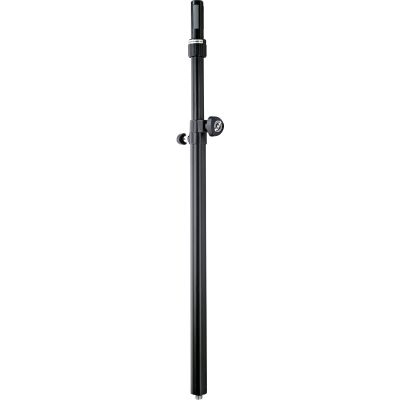
Position the tops high enough for the mid and high frequencies to reach beyond the first rows. The speaker stand or distance pole must safely support the speaker and match its mounting system.
Do not automatically point both cabinets straight ahead. Aim their main acoustic axes so that the actual listening area is covered as evenly as possible.
After setting the levels, walk through the centre, sides and rear rows. If the PA is extremely loud at the front but too quiet at the back, the problem is often related to positioning rather than amplifier power alone.
Practical rule: good positioning can often achieve more than additional amplifier power. Bring the loudspeaker acoustically closer to its audience instead of trying to compensate for poor coverage with more volume.
Mid and high frequencies are more directional than low frequencies. If a top speaker is placed directly on the floor, people in the first rows can more easily block these frequencies for listeners further back. Raising the speaker improves distribution towards the rear of the audience.
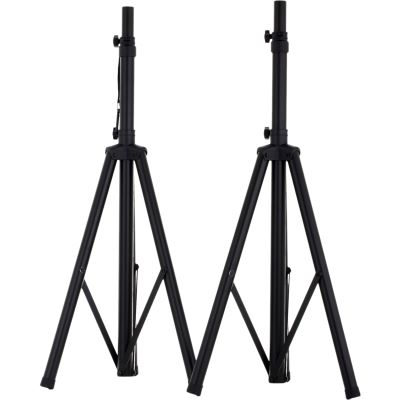
There is no universal number of degrees. The decisive factor is the vertical dispersion angle of the specific speaker. If the cabinet is positioned high, a slight downward tilt towards the audience can be useful.
Speakers with selectable stand angles or a Dual-Tilt flange make this adjustment easier.
The acoustic axis is determined by the horn, waveguide and overall construction. A speaker with, for example, 100° horizontal coverage serves a different audience area from a more directional model. The data sheet should therefore be part of the positioning plan.
Flying speakers requires different rules: loudspeakers may only be flown using the attachment points specified by the manufacturer and suitable approved hardware. Suspended installation should be carried out by appropriately qualified personnel and must never be replaced by improvised fixing methods.
A fixed distance in metres is less important than stage width, loudspeaker dispersion and the actual audience area.
Very large spacing can mean that listeners close to one side hear almost only the nearest speaker. The objective is even audience coverage rather than the largest possible stereo triangle.
Both speakers can overlap in the centre of the audience. Excessive overlap, however, can increase reflections and frequency-dependent interference.
For speech and many live events, consistent intelligibility is more important than an extreme stereo image. Important signals should also work for listeners positioned off-centre.
The following positions are practical starting points and should be adapted to the actual venue, speaker dispersion and audience.
| Application | Main Speakers | Subwoofer | Pay Particular Attention To |
|---|---|---|---|
| Presentation | Left/right, raised and in front of microphones | Usually not required | Speech intelligibility and feedback |
| Wedding | Wide, discreet coverage | Add for dance music | Combine speeches and dance-floor coverage |
| DJ | Aim left/right towards the dance floor | Central or distributed according to the system concept | Bass distribution and sound level |
| Band | In front of the stage and microphone line | In front of or along the stage edge | Separate front PA from monitoring |
| Long Hall | Main PA at the front | According to the bass concept | Consider delay or fill loudspeakers |
| Outdoor | Aim specifically at the audience area | Place securely on load-bearing ground | Wind, distance and weather protection |
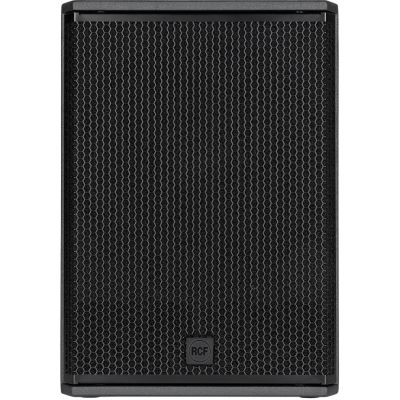
Subwoofers are normally positioned on a solid, level surface and do not need to be raised to ear height like top speakers. Their position has a major influence on how evenly low frequencies are distributed throughout the room.
The less sound from the main PA reaches the sensitive front of an open microphone again, the more gain can normally be achieved before feedback occurs.
A microphone used close to the mouth requires less gain than one placed far away. Microphone technique is therefore just as important as loudspeaker placement.
Cardioid, supercardioid and other microphone types have different areas of reduced sensitivity. Stage monitors should be positioned to take advantage of these characteristics.
EQ is not the first solution: if microphone and loudspeaker positions are unfavourable, aggressively filtering individual frequencies cannot reliably replace correct positioning. Correct position, distance and microphone technique first.
More volume at the front is not always the best response when the rear of the room is too quiet.
The main loudspeakers continue to provide the fundamental coverage. Aim them so that as much of the audience area as possible is reached directly.
Side areas or acoustically difficult sections can be covered with additional loudspeakers instead of increasing the level of the entire front PA.
In very long rooms, loudspeakers positioned further back can be useful. Their timing must be aligned with the main PA so that signals do not arrive as clearly audible repetitions.
For complex systems: multiple coverage zones, delay lines and flown systems require specific planning of timing, level, dispersion and mechanical safety.
A stage monitor should provide the relevant musician with a clear personal mix. Position the wedge so that its main coverage area reaches the listening position while as little problematic sound as possible enters the microphone.
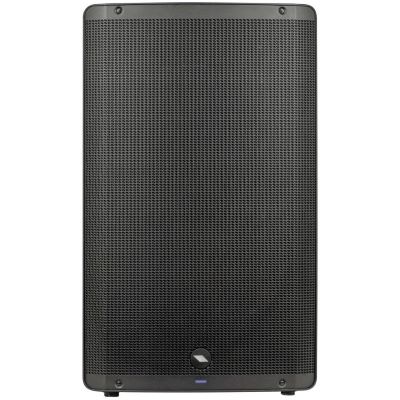
Mobile full-range speakers with integrated amplification.
Speakers for external power amplifiers and installations.
Position top speakers freely and adjust their height.
Mount top speakers safely above compatible subwoofers.
Low-frequency foundation for 2.1 and 2.2 PA systems.
Focused monitoring for musicians on stage.
Route XLR, power and speaker connections cleanly.
Adapters, brackets and other accessories for speaker systems.
With stands and distance poles, always check the permitted load, tube diameter, thread and mounting interface of the speaker being used.
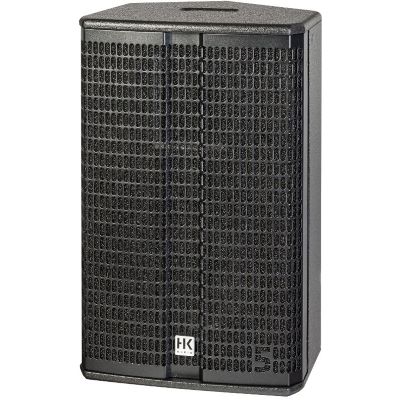
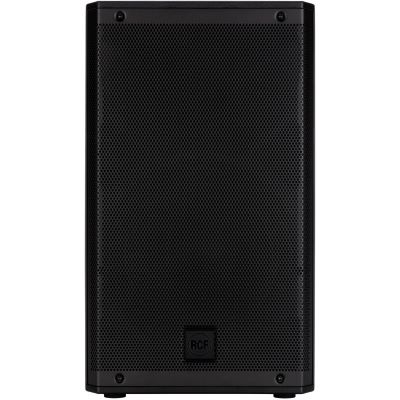
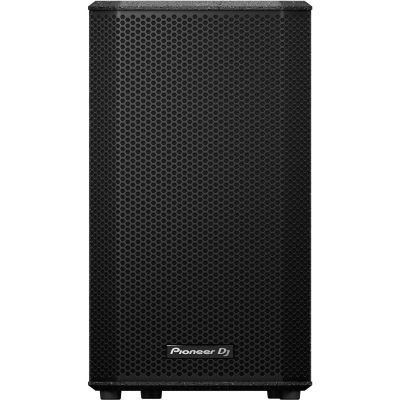

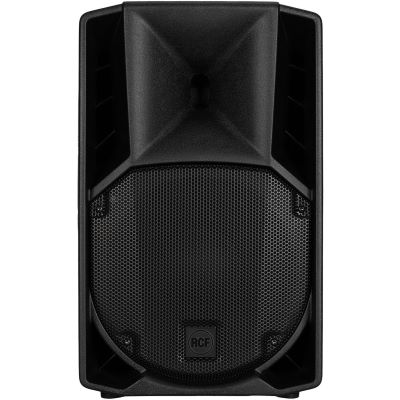
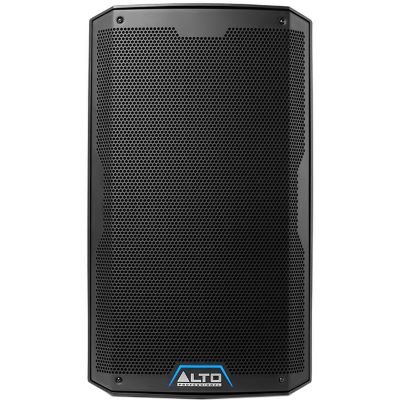
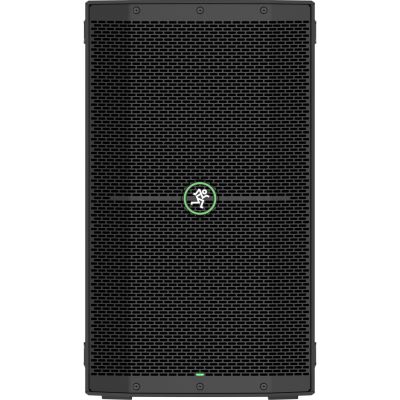
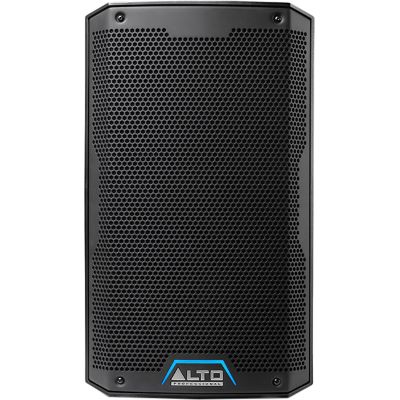
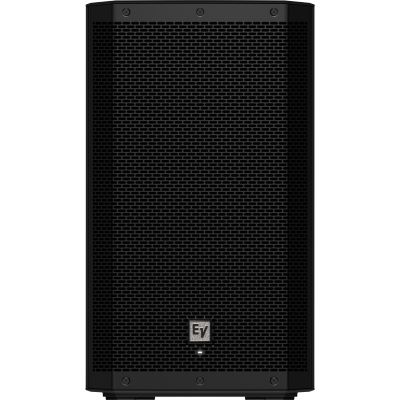
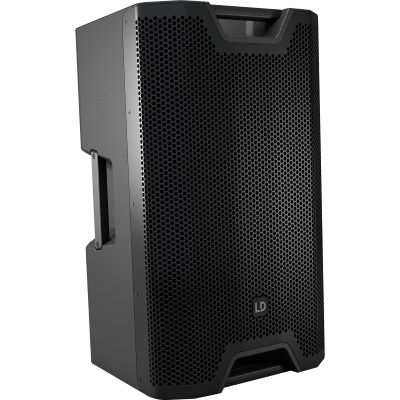
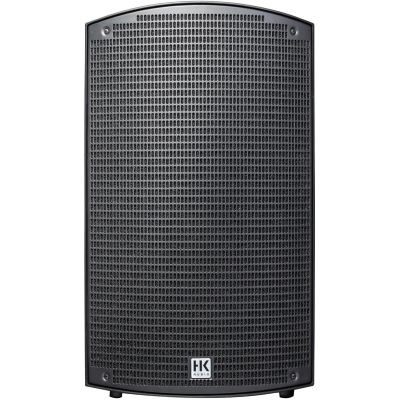
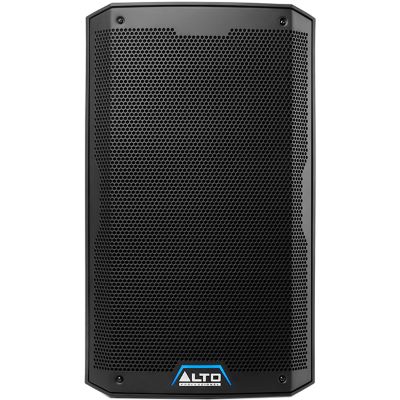
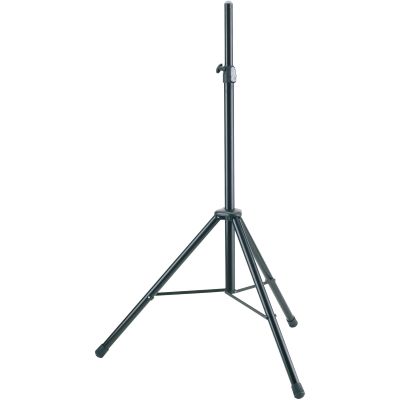
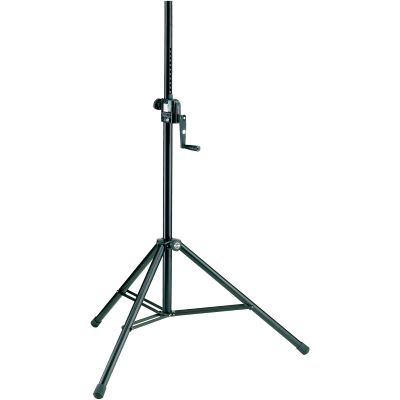
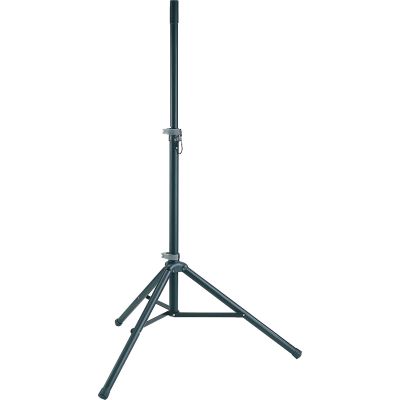
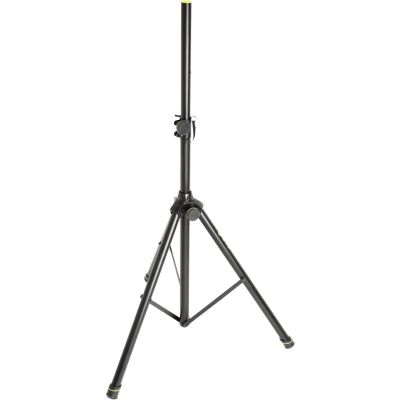
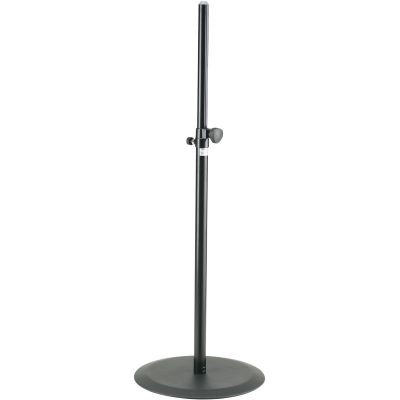
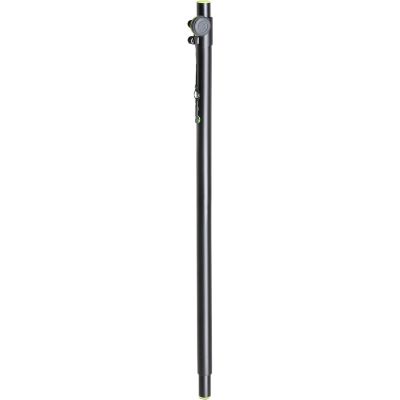
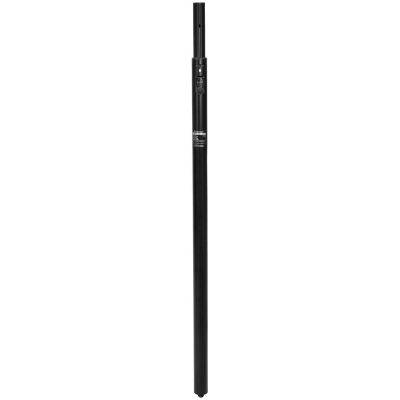
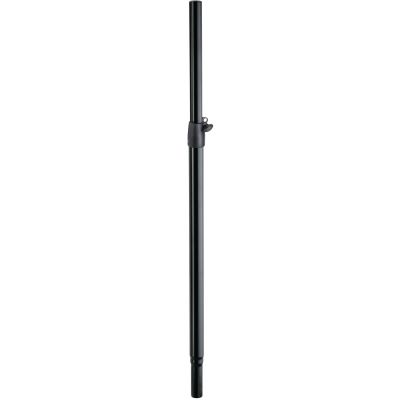
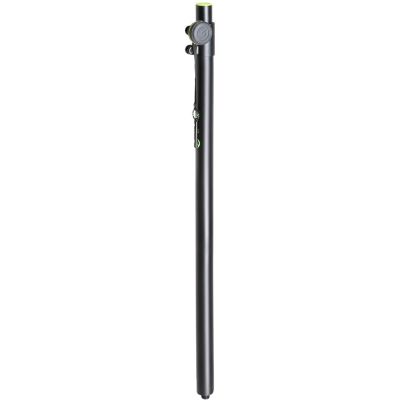
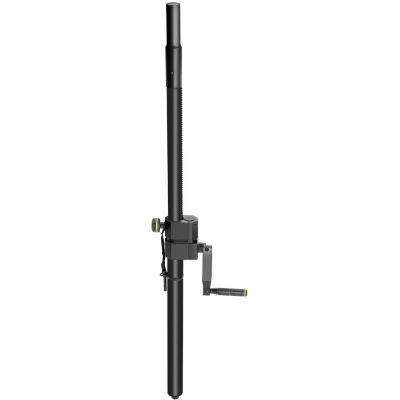
Compare loudspeakers, stands, distance poles, subwoofers and matching accessories directly within the manufacturer ranges.












The first rows can block mid and high frequencies for listeners further back.
The amplified signal can reach the vocal microphone more easily and increase the risk of feedback.
Higher volume cannot replace correct alignment with the actual listening area.
Additional height must never come at the expense of stability or the permitted stand load.
Bass distribution should be listened to or measured rather than planned only according to visual symmetry.
Also check the sides, front rows and rear section of the audience area before considering the setup complete.
They should be raised high enough for the mid and high frequencies to reach over the first audience rows as freely as possible. The exact height depends on the speaker, dispersion angle, audience and permitted stand height.
The main PA should normally be positioned in front of the microphone line. This reduces the amount of loudspeaker signal reaching open microphones again and helps reduce feedback.
A symmetrical basic setup is useful, but it is more important that both loudspeakers cover the real audience area appropriately.
Often yes. The required angle depends on the horizontal dispersion of the loudspeaker and the shape of the listening area. The objective is even coverage.
A central position in front of or close to the stage is a useful starting point. The optimum position nevertheless depends strongly on the room and loudspeaker system.
If the subwoofer has a suitable mounting point, the top speaker can be positioned above it using a compatible distance pole. Load capacity, 35 mm mounts and M20 threads must be compatible.
Possible causes include insufficient speaker height, the wrong dispersion angle, audience shadowing or excessive room depth. Additional delayed loudspeakers can be useful in long audience areas.
Aim it at the musician's listening position while also taking the polar pattern of the microphone into account.
This can increase reflections and worsen coverage. Main loudspeakers should primarily be positioned according to the audience area and their dispersion characteristics.
Both are relevant, but additional amplifier power cannot fully compensate for poor positioning. Height, distance, dispersion and alignment should be addressed first during basic planning.
In long halls, outdoor areas, multi-zone systems or larger band setups, dispersion, delays, subwoofers, monitoring, signal paths and safe installation must be considered together.
Correct PA speaker positioning means planning height, distance and dispersion together. The front PA should normally be positioned ahead of the microphones and raised sufficiently so that the first audience rows do not block the mid and high frequencies for listeners further back.
Two top speakers should not simply be placed parallel to one another. They should be aimed according to the real audience area and the dispersion angle of the specific loudspeaker. Even coverage is generally more useful than an exaggerated stereo effect, especially for speech and live events.
Subwoofers remain on a stable surface and require their own placement concept. Stage monitors are aimed at the musicians rather than the audience. In deep rooms or larger events, additional fill or delay loudspeakers can provide a better result than simply increasing the level at the stage.
Suitable speaker stands and distance poles make it possible to reproduce the correct position safely at different venues. Always check load capacity, speaker mount, tube diameter and thread before assembling a top/sub system.
Compare keyboard amplification, stage monitors, studio monitoring and active PA speakers for different listening positions.
Learn when a personal monitor is sufficient and when the complete PA should reproduce an electronic drum kit.
Plan suitable cables, stands and acoustic accessories for a clean, safe and practical setup.
Find additional decision guides covering loudspeakers, subwoofers, mixers, microphones, monitoring and complete setups in the central Musikhaus Korn guide world.