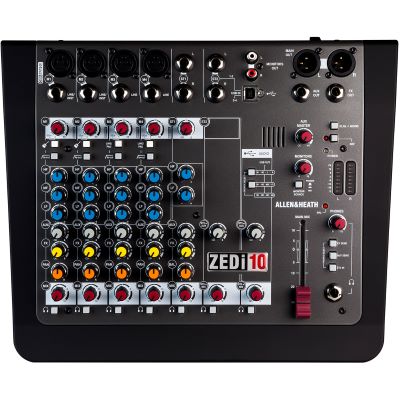
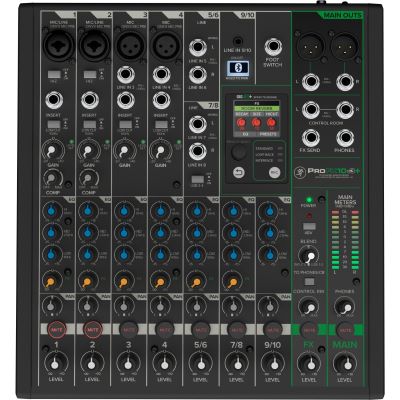
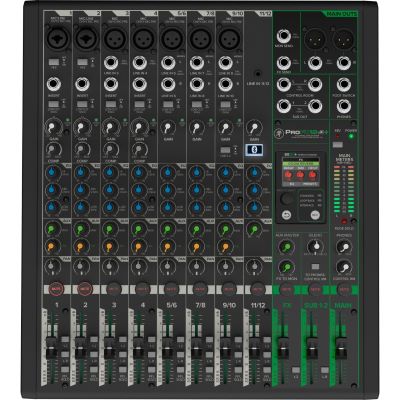
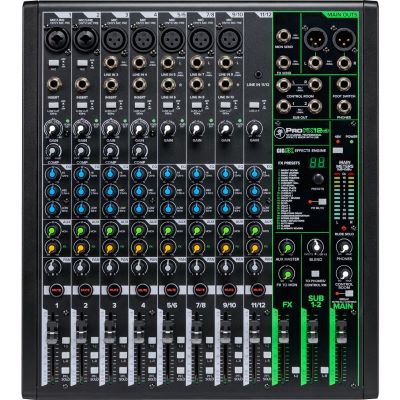
8 to 10 Channels
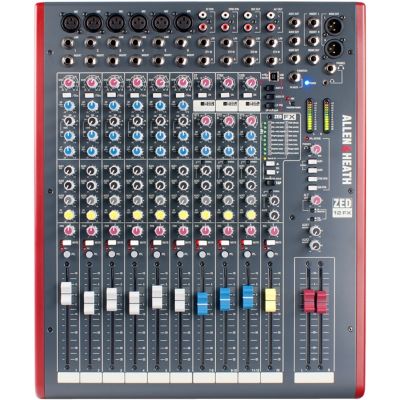
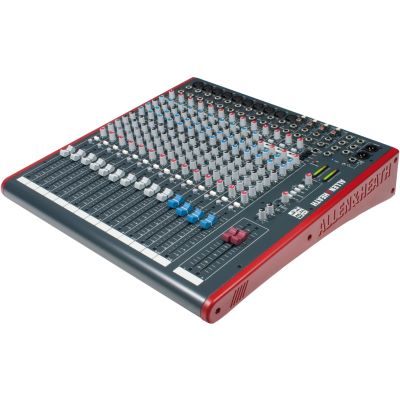
Several vocal microphones, keyboard, acoustic guitar and a few line signals can be handled efficiently by a compact analogue mixer with a direct physical workflow.

How many channels does your band really need? Analogue or digital? How many monitor mixes are required for wedges or in-ear monitoring? A good band mixer must not only accommodate microphones and instruments, but also provide enough outputs, effects, recording options and expansion possibilities for future gigs.
Count the real audio signals first and the musicians second. A four-piece band may need only six inputs – or twenty when drums, stereo keyboards and several vocals are fully connected to the mixer.
Several vocal microphones, keyboard, acoustic guitar and a few line signals can be handled efficiently by a compact analogue mixer with a direct physical workflow.
As soon as kick, snare, several vocals and instruments are used simultaneously, additional channel reserve becomes particularly valuable.
Scenes, gates, compressors, several monitor mixes and recallable settings make digital mixers particularly attractive for modern bands and recurring live shows.
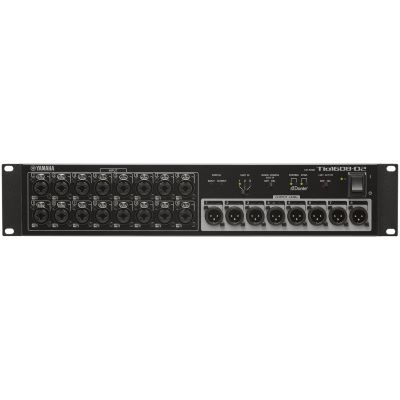
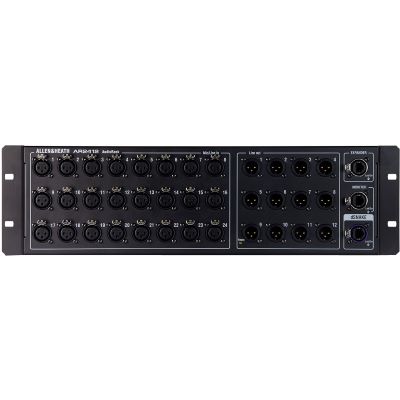
If front of house is positioned away from the stage, a compatible digital stage box can collect microphone signals locally and reduce long individual analogue cable runs through the venue.
Particularly flexible for growing bands: plan at least two to four spare input channels and more monitor outputs than you currently need. One additional backing vocal, drum microphone or stereo playback source can be added much more quickly than a completely new mixing console.
Write down every microphone, instrument and playback source before buying. Stereo sources such as keyboards or backing tracks can occupy two input channels.
| Signal | Channels | Planning Note |
|---|---|---|
| Lead + 2 Backing Vocals | 3 | Three microphone inputs |
| Kick + Snare + 2 Overheads | 4 | Compact drum miking setup |
| 2 Guitars | 2 | Microphone, DI or modeller |
| Bass | 1 | Often connected through a DI signal |
| Stereo Keyboard | 2 | Left and right |
| Stereo Playback | 2 | Backing tracks or samples |
| Total | 14 | 16 usable inputs provide a sensible minimum reserve |
A mixer described as a 16 or 18-channel console does not necessarily provide the same number of XLR microphone inputs. Stereo line, Bluetooth or USB channels can be included in the total channel count.
Front PA, stage monitors and in-ear systems require suitable separate outputs. A mixer with many inputs but only a few independent aux buses can reach its practical limit surprisingly quickly.
Guest musicians, additional drum microphones or a new playback source become much easier to integrate when the console is not already operating at its absolute input limit.
Analogue and digital mixers can both deliver excellent live results. The main differences are workflow, routing, processing, recall and monitoring flexibility.
| Feature | Analogue Mixer | Digital Mixer |
|---|---|---|
| Operation | Controls are directly visible | Layers, touchscreen or app |
| EQ | Usually simpler channel EQ | Often fully parametric |
| Gate & Compressor | Model-dependent or external | Frequently integrated per channel |
| Effects | From simple to several internal FX | Several recallable effect engines possible |
| Scenes | No complete recall | Complete settings can be stored |
| Monitor Paths | Defined directly by the hardware | Often considerably more flexible |
| Remote Control | Normally no | Available on many models via tablet or app |
| Multitrack Recording | Only with suitable USB functions | Integrated on many modern models |
Gain, EQ, aux sends and faders are immediately visible. This can make a compact analogue console especially pleasant for bands with a straightforward setup and a limited number of monitor mixes.
Digital consoles become particularly attractive when routing, several individual monitor mixes, multitrack recording and repeatable show settings are required.
Everyone hears the same monitor mix. This is simple and efficient, but offers very little individual control.
Vocals, rhythm section and front-line musicians can receive different mixes. This is a practical compromise for traditional stage-monitor setups.
Maximum personal control requires one independent mix path for every musician. Stereo in-ear monitoring can require two physical outputs per musician.
Many digital systems allow musicians to adjust their own monitor mix without changing the front-of-house mix.
If the mixer is positioned beside the stage, microphones can connect directly to the console. If front of house is located in the audience, a digital stage box can prevent a large bundle of long analogue XLR cables from running through the room.
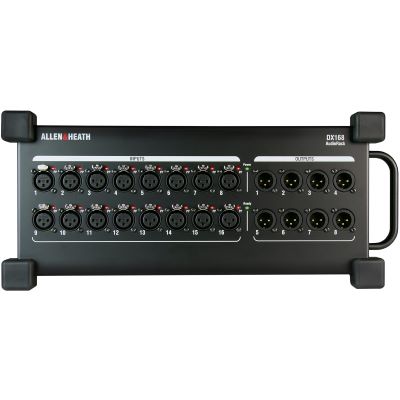
Compatibility matters: a digital network connector does not automatically mean that every stage box works with every digital mixer. The supported audio protocol and manufacturer compatibility must be checked.
A stereo recording is sufficient for documenting rehearsals, reviewing a show or creating a quick reference recording.
Vocals, drums and instruments can then be edited and remixed later in the DAW rather than being permanently combined into one stereo mix.
Suitable digital mixers can route recorded multitrack material back into the channels, allowing a mix to be prepared without the band playing live.
Label every microphone, DI box, instrument and stereo source clearly before connecting the stage.
Let every musician play or sing the loudest expected passage and set the input gain with useful headroom.
Apply high-pass filters, EQ, gates and compressors only where they genuinely improve the signal.
Begin with the signals that are most important to each musician and add additional sources only when required.
On a digital console, save the scene or complete show after soundcheck and give it a clear name. This makes recurring gigs and later troubleshooting considerably easier.
The current source page contains seven digital mixers, six analogue or hybrid mixers, three digital stage boxes and four transport solutions. Current prices and stock quantities remain on the individual product pages.
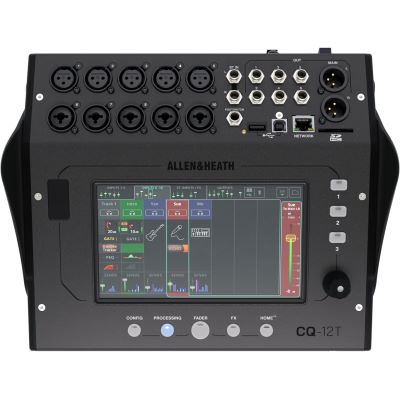
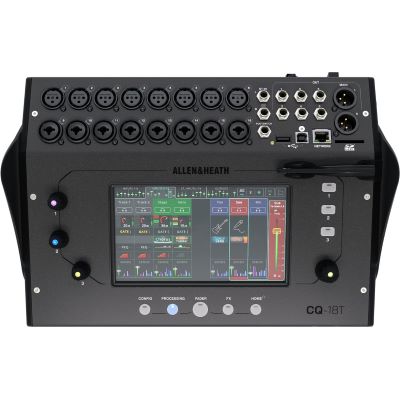
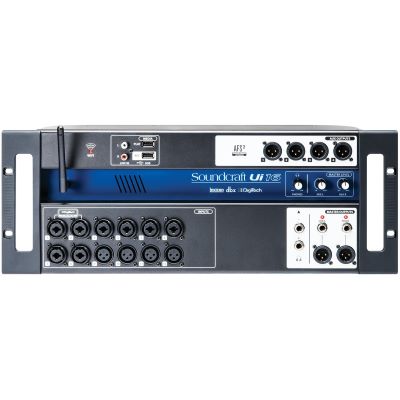
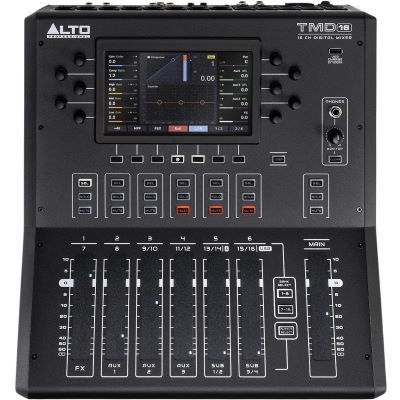
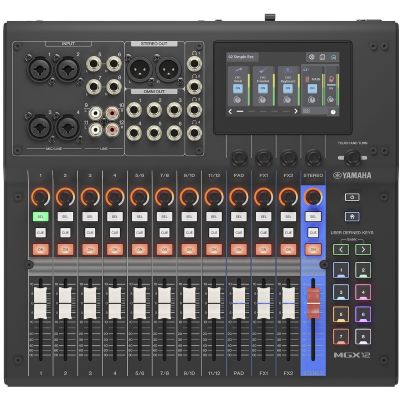
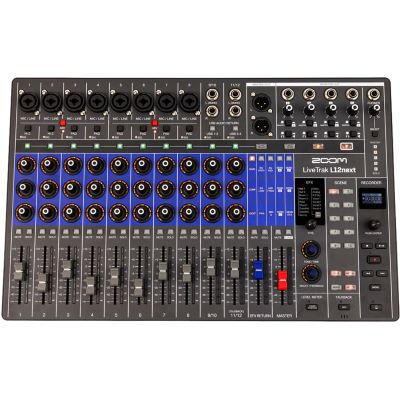
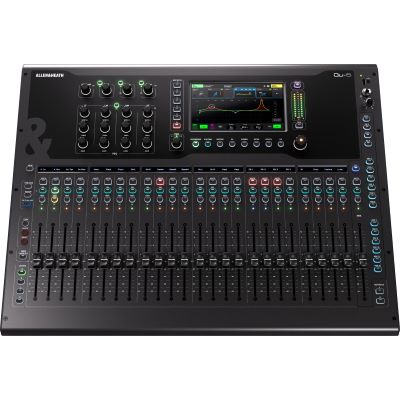
Compare digital and analogue mixers, stage boxes, recording solutions and transport accessories directly within the manufacturer ranges.







One musician can require several inputs through vocals, stereo keyboards and an additional instrument.
One additional drum microphone or guest instrument should not immediately use the final available channel.
Individual in-ear monitoring reaches its limits because of missing outputs more often than because of missing inputs.
Digital stage box and console must support the same audio protocol or manufacturer ecosystem.
The best mixer is one the band can operate quickly and reliably during soundcheck and the show.
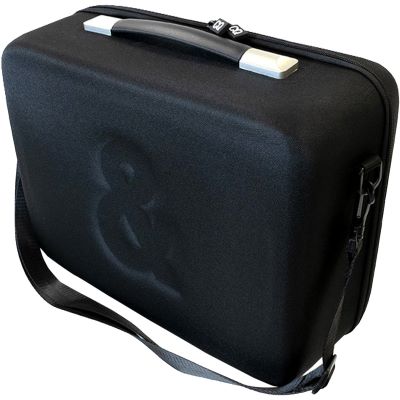
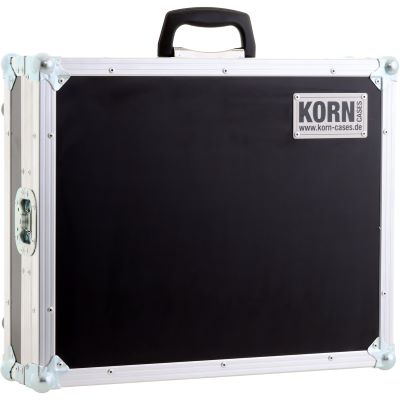
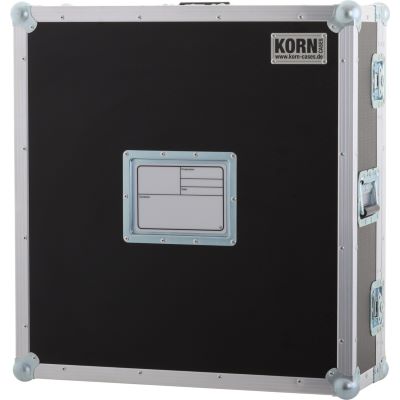
Faders, displays and connectors should be protected in a suitable case when the mixer is transported regularly.
It depends on the miking setup. Three vocals, four drum microphones, two guitars, bass and a stereo keyboard already use twelve channels. Add playback and useful reserve and sixteen inputs quickly become sensible.
Analogue consoles provide direct access and a straightforward workflow. Digital mixers provide scene recall, more extensive processing, flexible routing and usually more sophisticated monitor mixing.
Five separate mono monitor mixes require five independent mix paths. Shared mixes require fewer. Stereo in-ear mixes consume additional physical outputs.
Not necessarily. On digital consoles with several layers, motorised faders immediately show the actual levels after changing layers or recalling scenes and can therefore make live operation considerably clearer.
Many digital mixers support this through manufacturer apps or personal monitor-control systems. Separate monitor paths must still be available for the required independent mixes.
It becomes particularly useful when the mixer is positioned away from the stage or many stage inputs and returns are required. It can considerably reduce the number of long individual analogue cables.
Many modern mixers can record stereo or multitrack audio through USB, SD card or a connected computer. Check the actual number of separately recordable channels.
Both must match the setup. As soon as individual in-ear monitoring becomes part of the plan, the number of available mix outputs often becomes the decisive factor.
No. A permanently small setup often does not benefit from that much capacity. A larger mixer becomes useful when full drum miking, several stereo sources, many monitor mixes or substantial future expansion are planned.
Enough real mic and line inputs, suitable main outputs, sufficient monitor paths, phantom power where required and useful EQ are part of the basic specification. Effects, USB, recording and remote control depend on the workflow.
Two to four unused inputs are practical for many bands. If drum miking, instrumentation or band membership is likely to expand, plan correspondingly more reserve.
Write down the band line-up, microphones, instruments, stereo sources, desired monitor mixes and recording requirements. From this list, the required input and output class becomes much easier to identify.
Choosing the right band mixer starts with a complete input list. Count vocal microphones, drum microphones, guitars, bass, keyboards, playback devices and other sources individually. Then count the outputs: the front PA, stage monitors and in-ear mixes require enough independently controllable paths.
Analogue compact mixers remain fast and direct for straightforward rehearsal-room and club setups. Digital mixers become especially attractive when the band requires several monitor mixes, recallable scenes, extensive effects, remote control or multitrack recording.
A compatible digital stage box can extend the system onto larger stages and reduce long analogue cable runs between musicians and the front-of-house position. The digital protocol must always match the mixer being used.
If spare channels, sufficient outputs and suitable transport are considered from the beginning, the result is a mixing system that works in the rehearsal room and can grow with the band as gigs become more complex.
Plan personal monitor mixes, transmitters, receivers and suitable in-ear monitors for the complete band.
Traditional wedges remain a direct and flexible alternative for rehearsals, clubs and hybrid monitoring setups.
Learn how microphone preamps, multichannel recording, monitoring and digital expansion fit into a band-recording setup.
Find further decision guides covering loudspeakers, microphones, monitoring, recording, instruments, DJ equipment and event technology in the central Musikhaus Korn guide world.