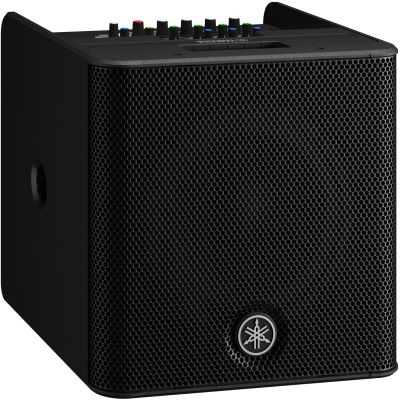
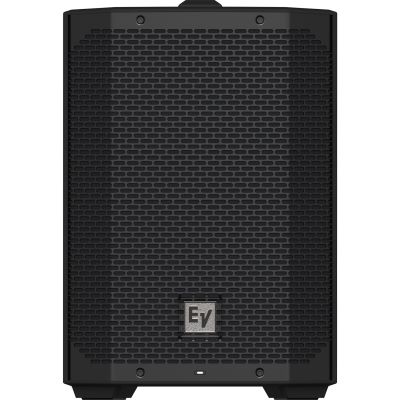
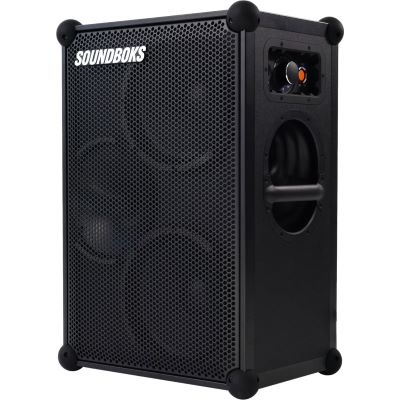
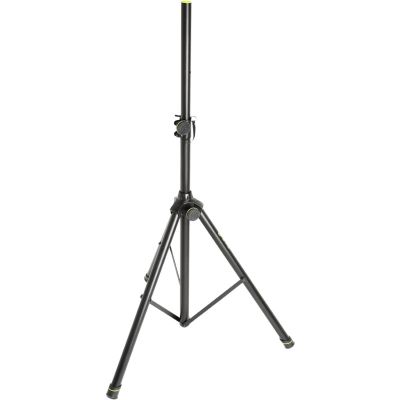
One Compact Active Speaker
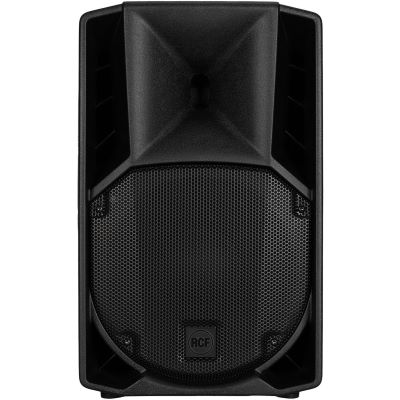
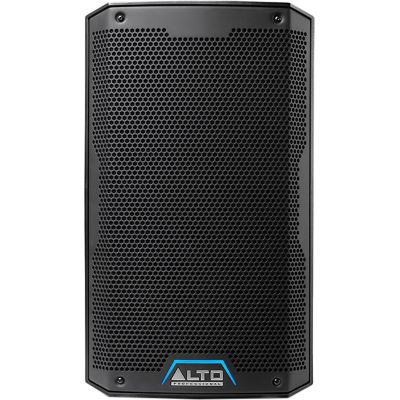
For a meeting, small presentation or workshop, one 8 or 10-inch active loudspeaker with a microphone input can already be enough.

A PA for speech is not about maximum bass. The priority is to make every word reach the audience clearly and evenly. Presentations, conferences, wedding ceremonies, classrooms, churches and club meetings therefore place different demands on a sound system than DJ or live-band applications.
Start with the room, the audience and the speaker's required freedom of movement. A compact active speaker is sufficient for many small applications. A column PA can be attractive for wide listening areas, while two active tops provide more freedom when height and direction need to be adjusted independently.
For a meeting, small presentation or workshop, one 8 or 10-inch active loudspeaker with a microphone input can already be enough.
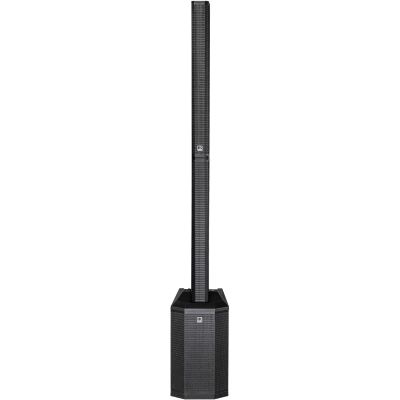
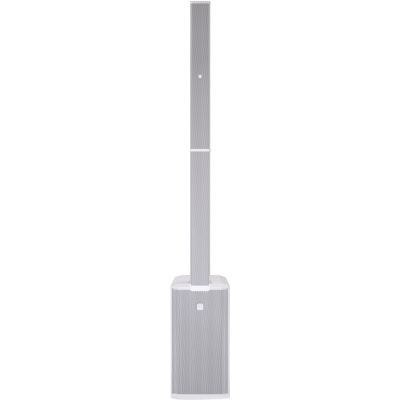
Column systems are attractive for presentations, ceremonies and conferences because they have a discreet appearance and, depending on the model, can provide very wide horizontal coverage.
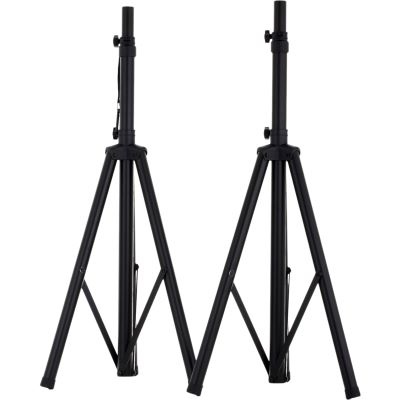
Two raised active speakers can be positioned left and right so that listeners at the sides and rear also receive a clear, intelligible voice signal.
For outdoor ceremonies, sports fields, guided tours or mobile presentations, a battery-powered loudspeaker with microphone input can be the simplest solution.
For speech-only applications: invest first in a good microphone, sufficient speaker height and even audience coverage. A large subwoofer will normally not improve speech intelligibility.
The information that makes speech understandable is not located in the deepest bass. A controlled mid and high-frequency range is therefore more important than an especially large woofer.
A high maximum level is of little benefit if listeners sit outside the loudspeaker's useful coverage area. Wide rooms and long halls can therefore require different solutions.
Spoken language also contains significant dynamic peaks. The PA should reproduce them cleanly without permanently operating at its limit or in the limiter.
Compact speakers are easy to transport and raise on stands while still providing sufficient level for many speech events. Larger 12-inch tops add reserve if music or larger spaces are also part of the application.
If music is played before or after the presentation, or if the same PA is later used for a celebration, a subwoofer can extend the overall system. For speech itself it usually remains optional.
Select the loudspeaker according to speech intelligibility, maximum output, dispersion angle and application rather than simply choosing the largest wattage figure on the data sheet.
| System | Strength | Typical Application | Expansion |
|---|---|---|---|
| One Active Speaker | Compact, fast and direct | Workshop, small presentation | A second speaker can be added |
| Two Active Tops | Flexible positioning | Auditorium, conference, club meeting | Highly scalable |
| Column PA | Wide coverage and discreet appearance | Ceremony, church, presentation | A second system can be added |
| Battery PA | No mains connection required | Outdoor event, tour, sports | Depends on the individual model |
In a manageable room, a single active or battery-powered PA is often sufficient. The decisive factor is positioning it where every listener can receive direct sound.
A pair of tops or a suitable column system provides wider and more consistent coverage and leaves additional reserve for music playback.
In auditoriums, churches and long rooms, the actual area should be evaluated. Fill or delay loudspeakers can be more effective than simply producing more level from the front.
Outdoor events: the same audience size can require more from the system outdoors. Greater distances, wind, missing room reflections and a wide listening area must also be considered.
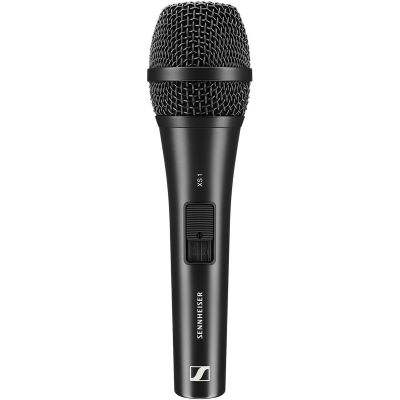
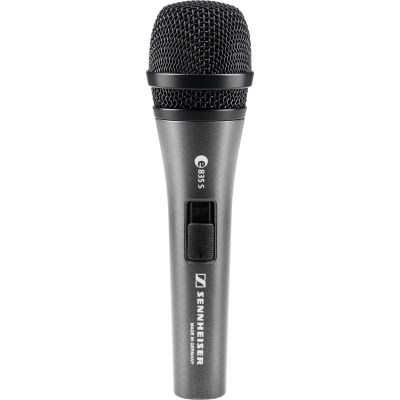
Robust and universal for presenters, audience questions and changing speakers. A model with an on/off switch can be particularly practical for simple events.
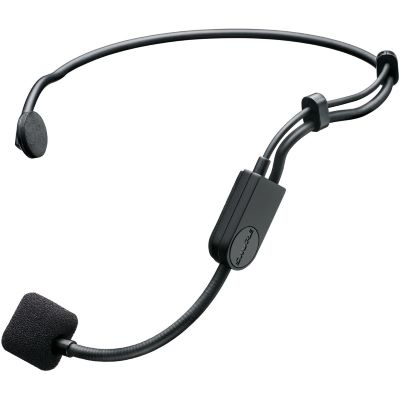
Ideal for presenters, trainers or teachers who need both hands free. The relatively constant distance to the mouth creates a stable level when the headset is positioned correctly.
Very discreet for presentations, stages and churches. Because the microphone sits further from the mouth, room acoustics and feedback headroom require particular attention.
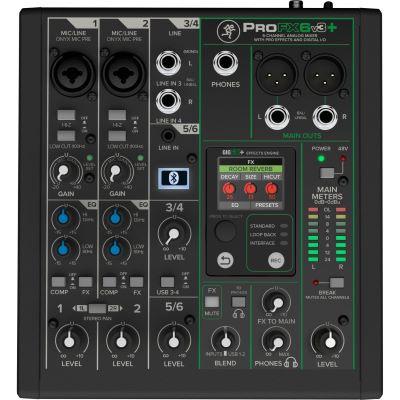
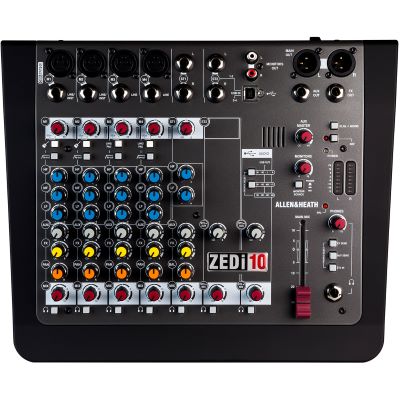
If the speaker has a suitable microphone input and only one person needs amplification, a separate mixer may be unnecessary. As soon as several microphones, a laptop or background music are added, a compact mixer becomes considerably more practical.
Position top speakers so that the first listeners do not acoustically block important mid and high frequencies for the rows behind them.
The main loudspeakers should, wherever possible, not radiate directly back into open microphones.
A sensible distance from the mouth requires less gain and therefore provides greater feedback headroom.
Check the front, sides and rear rows instead of judging the entire system only from the mixer position.
Solve feedback geometrically first: before strongly cutting individual frequencies, check loudspeaker position, microphone direction, speaking distance and gain.
Mobile battery-powered loudspeakers are particularly attractive when locations change regularly or when reliable mains power and practical cable routes are not available.
Operate microphone, music playback and speeches independently of the nearest mains connection.
Combine a headset or wireless microphone with a mobile loudspeaker solution.
Move a lightweight sound system between classrooms, auditoriums and outdoor areas.
Consider battery runtime, suitable weather planning and the required coverage range together.
The selection follows the product groups used on the German source page. Current prices and availability are intentionally not hard-coded here and remain available on the product pages.














The first listeners block important mid and high frequencies for people in the rows behind.
More gain becomes necessary and the risk of feedback increases.
Loudspeaker sound can more easily return directly into the microphone.
Excessive low-frequency content can make a voice sound fuller without automatically making it more intelligible.
More volume at the front does not solve an under-served side or rear listening area.
Frequencies, batteries, receiver placement and a backup solution should be checked before the event begins.
Compact 8, 10 or 12-inch active tops and suitable column PAs are often good solutions. Clear midrange reproduction, sufficient output and suitable dispersion are particularly important.
Normally not. For speech-only applications, midrange intelligibility and even audience coverage are more important. A subwoofer becomes useful when the same system will also reproduce music.
In small rooms, one speaker can be sufficient. In wider or larger listening areas, two loudspeakers usually distribute the voice more evenly.
A handheld microphone is universal, a headset provides free hands and a relatively constant distance from the mouth, while a lavalier is especially discreet.
A headset sits closer to the mouth and therefore often provides more feedback headroom. Lavalier microphones are visually more discreet and very convenient for presentations.
A compact mixer becomes useful as soon as several microphones, music players or other signals need to be controlled simultaneously.
Position the front speakers ahead of the microphones, use the microphone close to the mouth and apply only as much gain as necessary. Use targeted EQ adjustments only after these basics have been addressed.
A mobile column or battery-powered system combined with a wireless microphone is particularly practical. Check wireless range, battery runtime, weather conditions and the size of the listening area.
It needs to raise the voice clearly above ambient noise without becoming unpleasantly loud. Sufficient headroom and even distribution are more important than an extreme maximum level.
Yes. Capable active tops and column systems can also reproduce music. A suitable subwoofer can later be added for dance music or live bass.
Microphone, wireless link, mixer, loudspeaker, stand and room must work together. Concrete system planning becomes especially worthwhile when several wireless channels or large audience areas need to be covered.
A good PA for speech begins with clean microphone pickup and ends with loudspeakers that reach the audience evenly. For small rooms, a single compact active speaker is often sufficient. Larger or wider areas benefit from two raised tops or a suitable column system. For mobile applications without reliable mains power, a battery PA can simplify the complete setup considerably.
Choose the microphone according to the way the presenter works: a handheld microphone for flexible handovers, a headset for a consistent microphone position and free hands, or a lavalier microphone for a discreet presentation.
As soon as several speakers or playback sources are involved, a compact mixer provides useful control over levels and sound. The result is a speech system that is not unnecessarily large, but has exactly the reserves required for clear intelligibility and reliable operation.
Find further buying guides, comparisons and complete project routes for instruments, recording, DJ and event technology in the central Musikhaus Korn guide world.